Engineered-to-order structural designs adapted for Qatar's industrial zones and logistics centers.
Doha, the capital city of Qatar, has transitioned from a regional trade port into one of the most technologically advanced and highly capitalised logistics hubs in the Middle East. Spearheaded by the Qatar National Vision 2030, the state has funnelled billions into multi-modal infrastructure projects, including the state-of-the-art Hamad Port, Ras Bufontas Special Economic Zone (SEZ), and Umm Al Houl SEZ. These major hubs have directly induced a skyrocketing demand for advanced, structural industrial warehousing systems capable of storing long, high-density, and non-standard cargo formats.
Industrial operations in Doha’s Industrial Area, Mesaieed Industrial City, and Al Wakra require robust racking systems engineered to handle heavy payloads while optimizing vertical space. Unlike standard pallet racks, heavy-duty cantilever racks represent the definitive engineering solution for stockpiling structural steel, PVC and copper pipes, long timber packages, aluminum profiles, and heavy industrial machinery components. These items require open-access storage with no structural obstructions on the pick face, ensuring rapid loading and unloading via multi-directional forklifts and reach trucks.
Additionally, Doha's localized environment presents a distinct challenge: extreme heat (temperatures exceeding 50°C in summer) paired with relative humidity levels of up to 95% and corrosive saline marine winds from the Arabian Gulf. Standard steel storage solutions rapidly degrade, succumb to rust, and lose structural integrity under these conditions. Consequently, industrial buyers in Qatar demand cantilever rack manufacturing of the highest tier, utilizing continuous salt-spray weathering simulation protocols, specialized epoxy powder coatings, and hot-dip galvanized finishes to safeguard materials against premature structural failure.
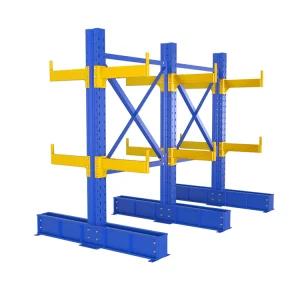
Architecting an industrial cantilever rack system requires extensive understanding of material yield strengths, structural elasticity, and dynamic load factors. The system comprises five vital elements: heavy-duty upright columns, base supports, adjustable load-carrying arms, horizontal/diagonal bracing systems, and structural connector hardware. Columns are manufactured using either roll-formed high-strength steel profiles or hot-rolled structural steel I-beams. Upright structural heights can reach up to 12 meters, designed to support massive capacities utilizing localized anchor assemblies that distribute structural shear stress evenly across concrete floor slabs.
A primary factor in cantilever design is arm deflection. Under load, cantilever arms deflect slightly. In accordance with strict international standards (such as EN 15512 and RMI specifications), this deflection ($L/300$ or $L/200$ depending on application) must be mathematically calculated to prevent load slippage or structural collapse. Heavy industrial racks utilize tapered arm designs to optimize steel mass distribution. This provides high load-bearing efficiency near the column attachment point where stress is concentrated, while reducing profile depth near the outer tip to maximize vertical storage spacing. The arm-to-column connection relies on locking pivot pins or high-tensile bolt assemblies, enabling vertical adjustments in 50mm to 100mm increments to adapt to changing inventory profiles.
The global warehousing and material handling industry is undergoing a paradigm shift towards automation and intelligence. Modern distribution systems are increasingly integrating heavy-duty cantilever racks into Automated Storage and Retrieval Systems (AS/RS). By incorporating automated stacker cranes and laser-guided heavy load shuttle systems, companies can automate the storage of extremely long payloads (such as 6-meter steel pipes and industrial tubing) without human intervention.
Additionally, seismic engineering has become a critical parameter for multinational enterprises. Structural designers now utilize advanced Finite Element Analysis (FEA) to evaluate the performance of heavy cantilever racks under dynamic seismic loads. In the GCC region, structural projects must comply with the Qatar Construction Specifications (QCS) and International Building Code (IBC) regulations. This requires seismic-rated base plates, reinforced upright profiles, and specific anchorage depth configurations. These measures guarantee structural stability and protect worker safety and capital assets during tectonic activity or unforeseen impact events.
Leveraging state-of-the-art Chinese manufacturing efficiencies, proximity to global shipping lines, and strict quality control protocols.
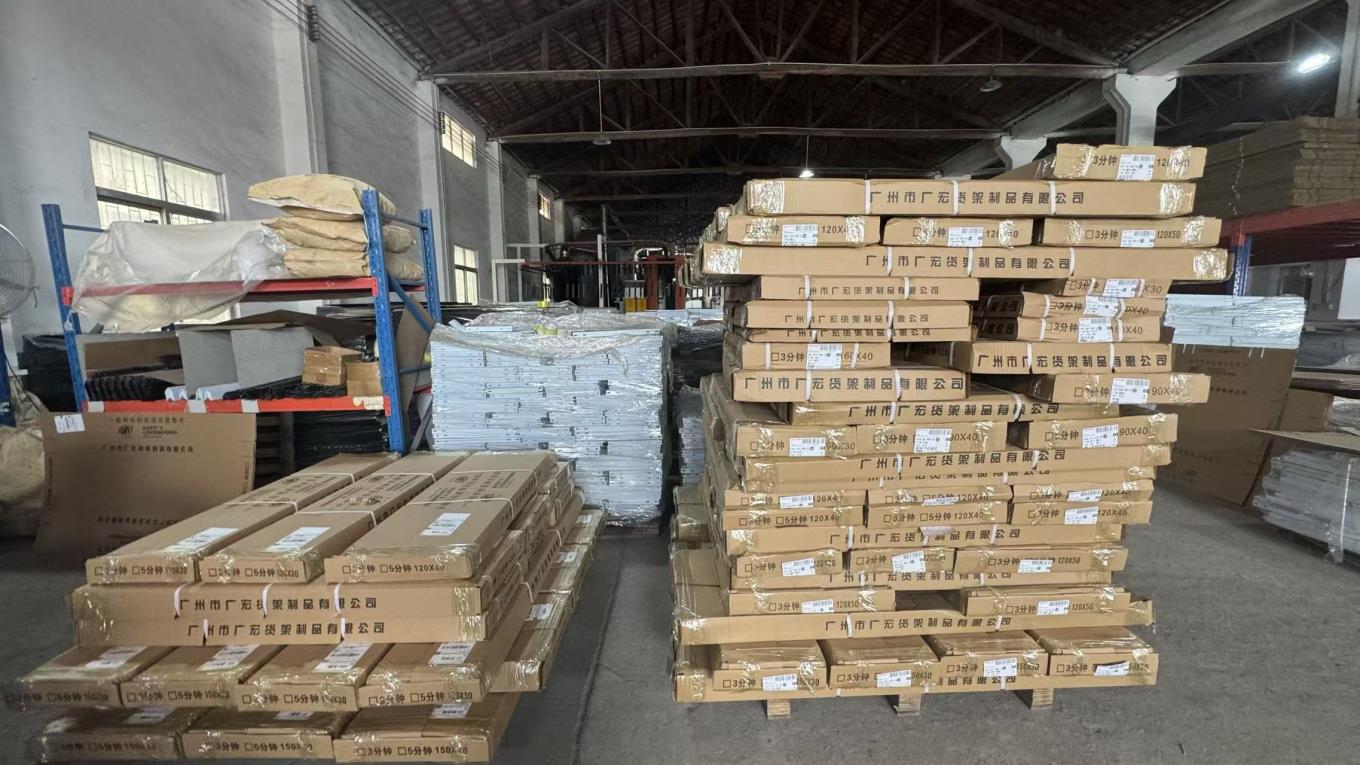
Established in 2012, Ningbo Dade Smart Storage Equipment Co., Ltd. (globally branded as DeltaStorage) is an elite enterprise specializing in high-density automated racking systems, heavy-duty cantilever racks, and mezzanine platforms. Located near Ningbo Port, our facility spans an extensive building area of 48,000 square meters. With 14 years of deep-rooted industry experience and 10 years of global export experience, we generate an impressive annual export revenue of $45 million USD.
We place paramount emphasis on safety and structural reliability, deploying 82 full-time quality assurance engineers. Our operations are fully ISO14001, CE, and TUV certified. Quality verification relies on advanced product inspection methods such as spectrographic raw material alloy analysis, automated optical weld seam inspection, continuous salt-spray weathering simulation, and multi-axis dynamic load durability testing.
Operating through a full-service direct manufacturing and international engineering solution model, DeltaStorage coordinates with over 1,850 upstream and downstream supply chain partners. Our dominant overseas markets span North America, Northern Europe, East Asia, and the GCC region. We predominantly serve high-tier client types including large automated distribution centers (AS/RS systems), pharmaceutical cold chains, chemical storage facilities, and global third-party logistics (3PL) giants.
DeltaStorage houses a formidable research unit comprising 120 experienced R&D engineers. We excel in complex structural finite element analysis, automated shuttle rack integration, and customized heavy-load structural engineering. Our tailored customization options include custom steel grade selections, seismic-rated upright profiles, custom galvanized surface treatments, and specialized beam connector geometries. Over the past year, our team released 120 new product variations, continuing to pioneer efficient high-density storage technology.
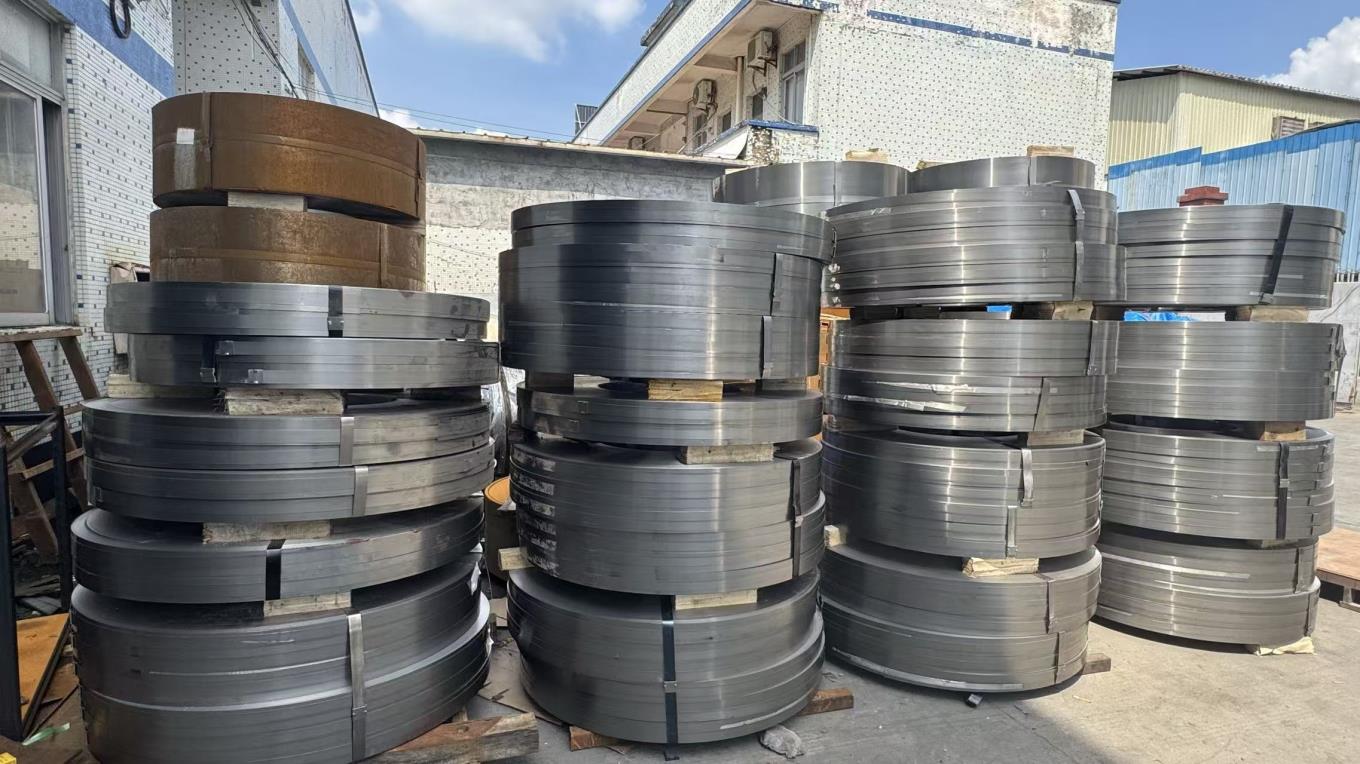
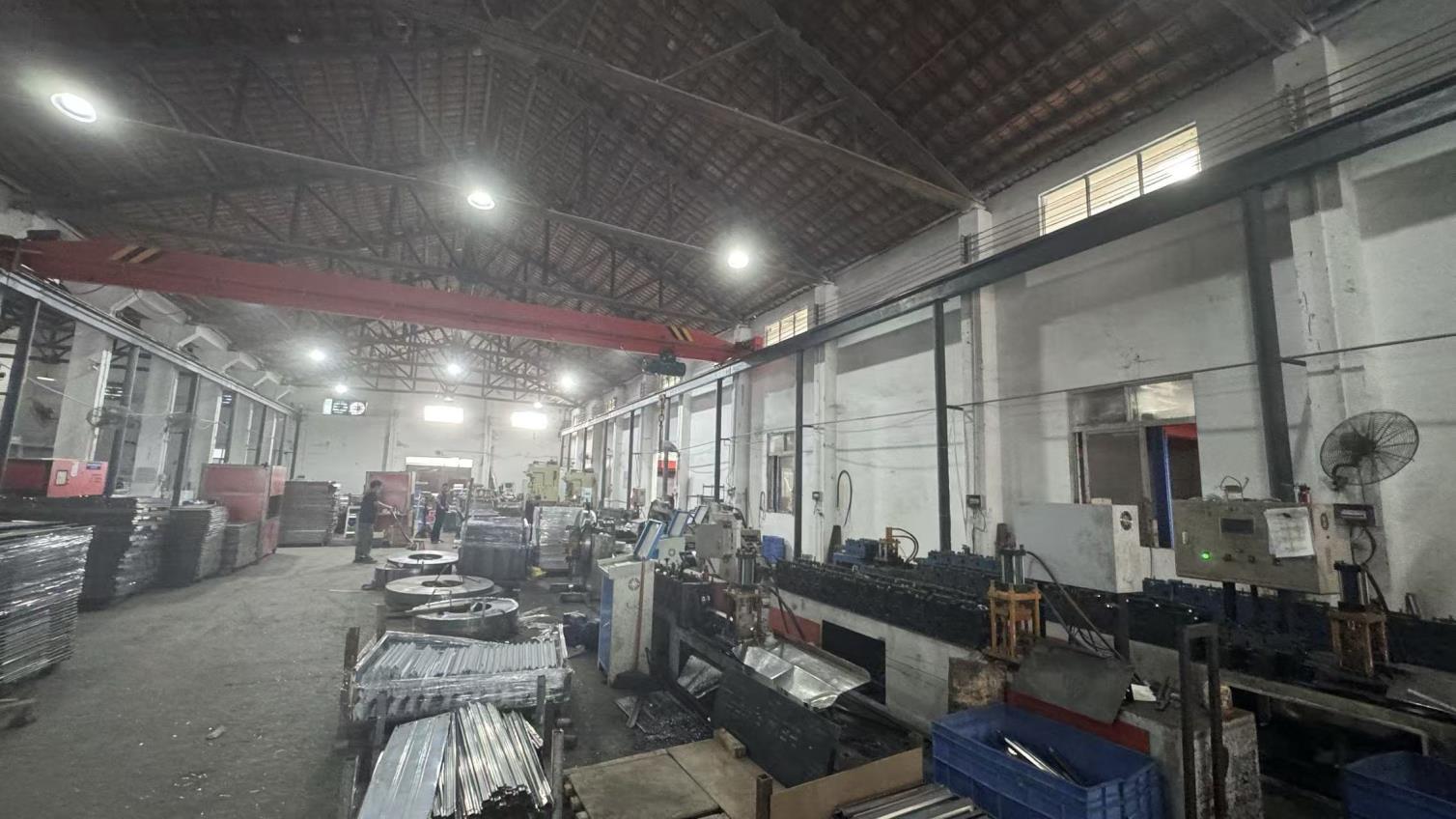
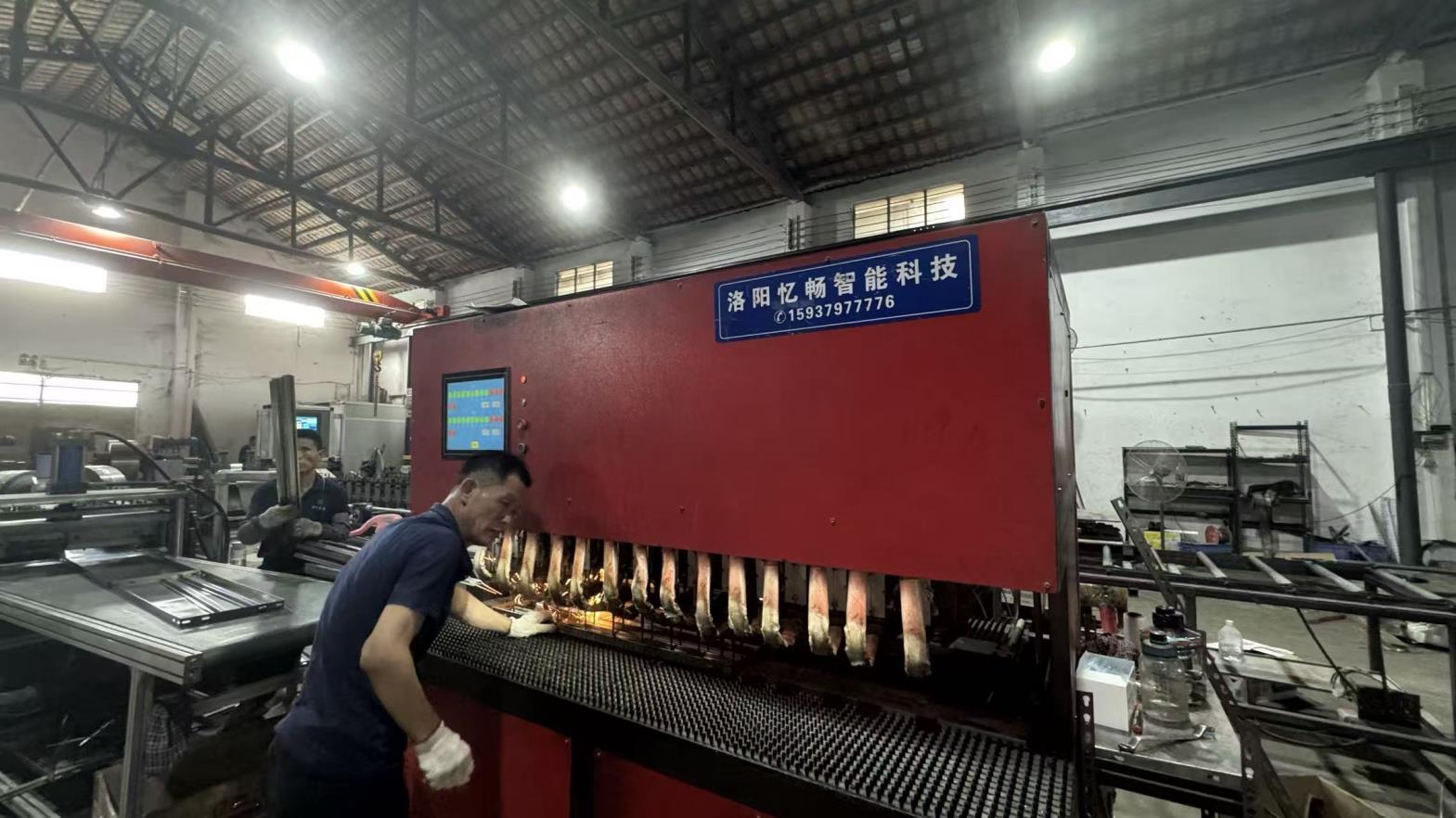
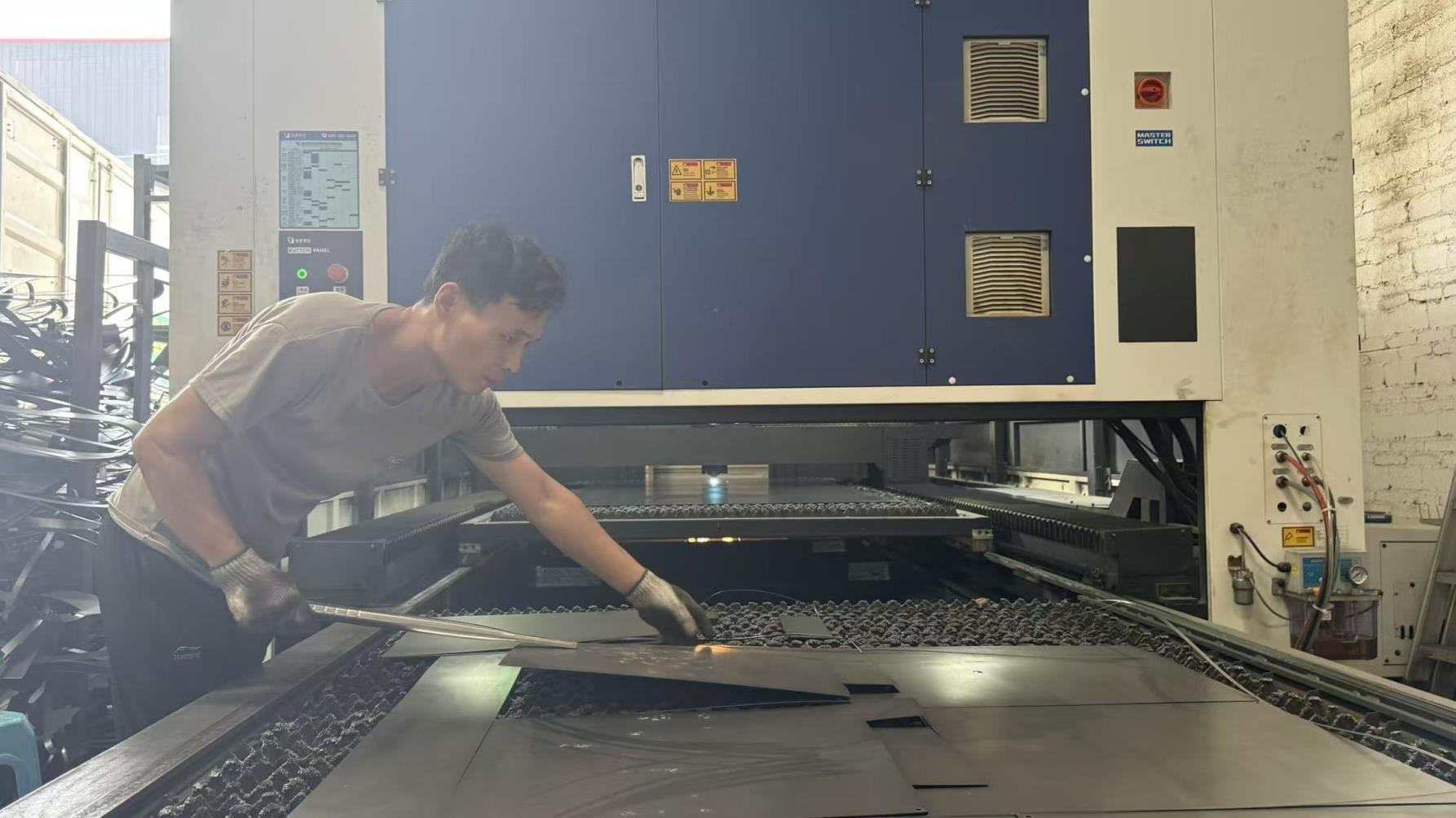
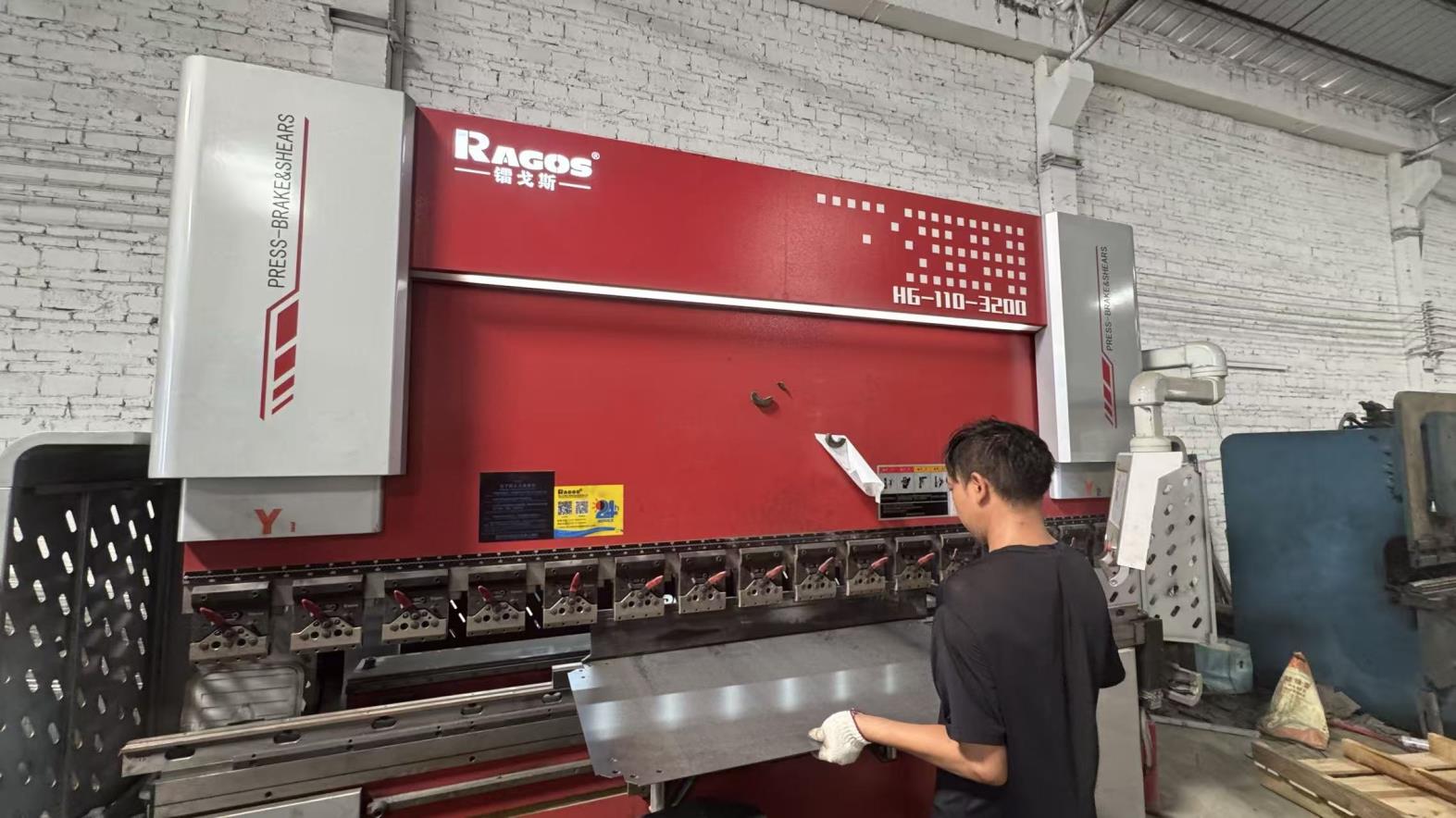
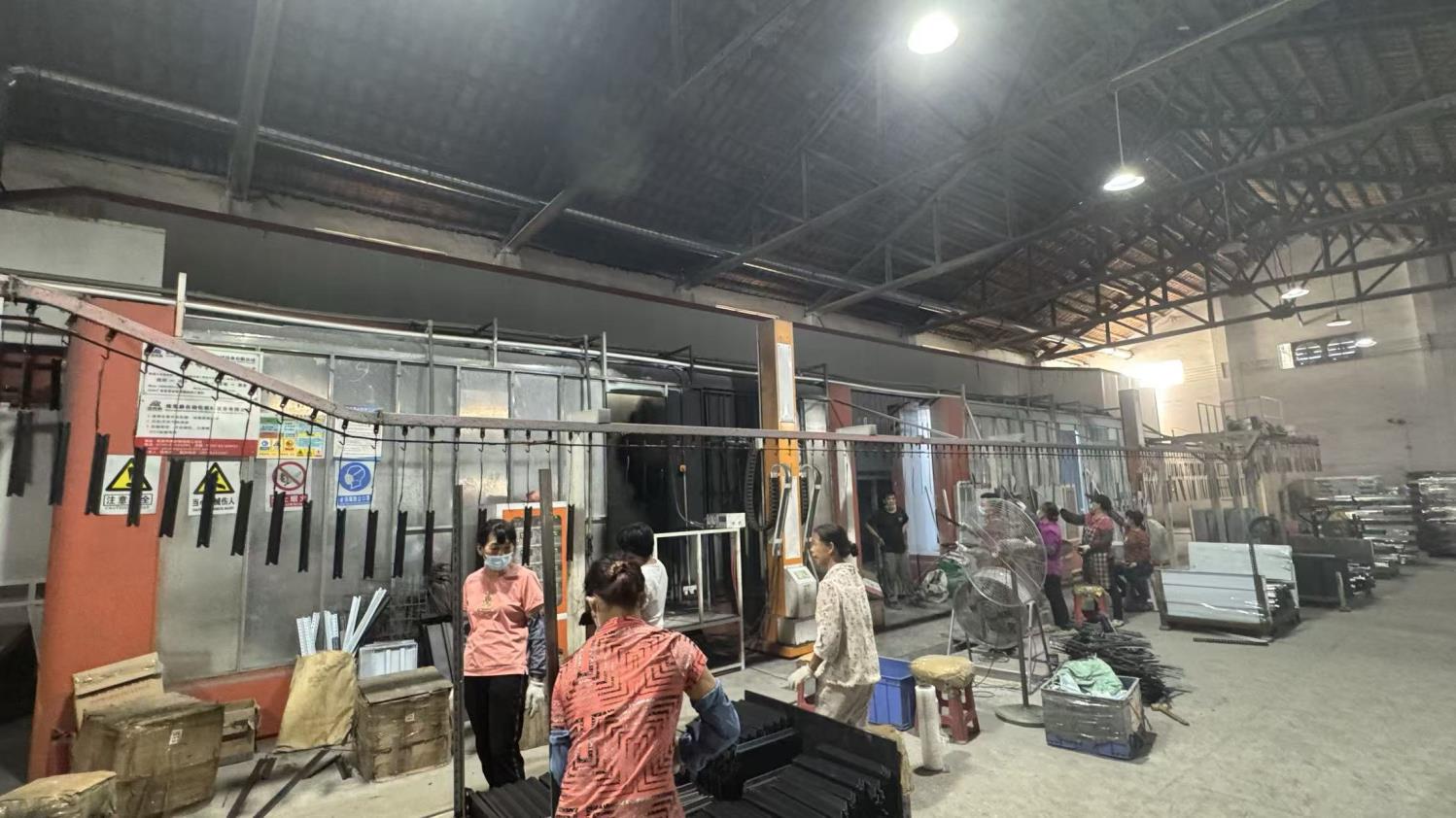
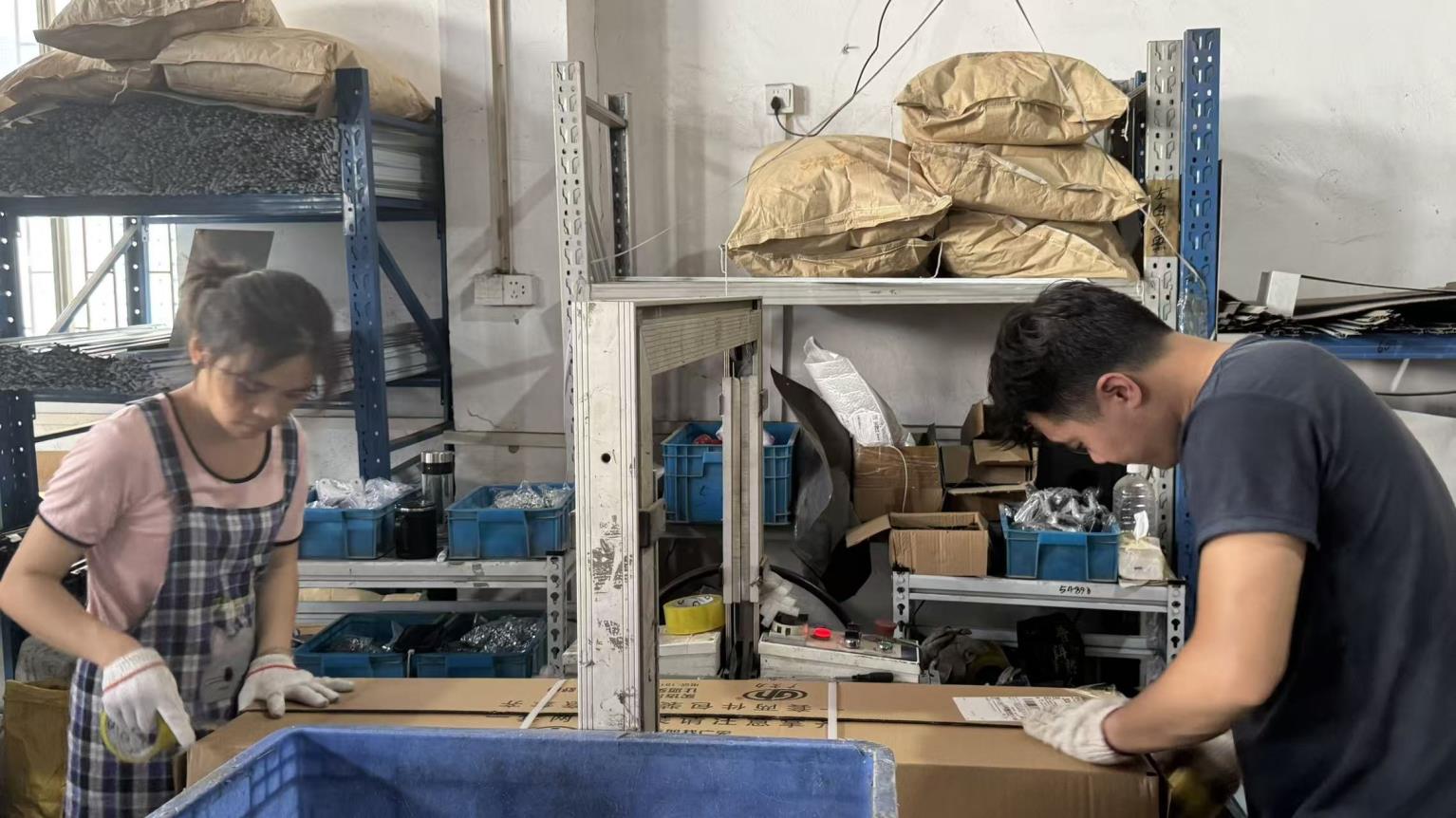
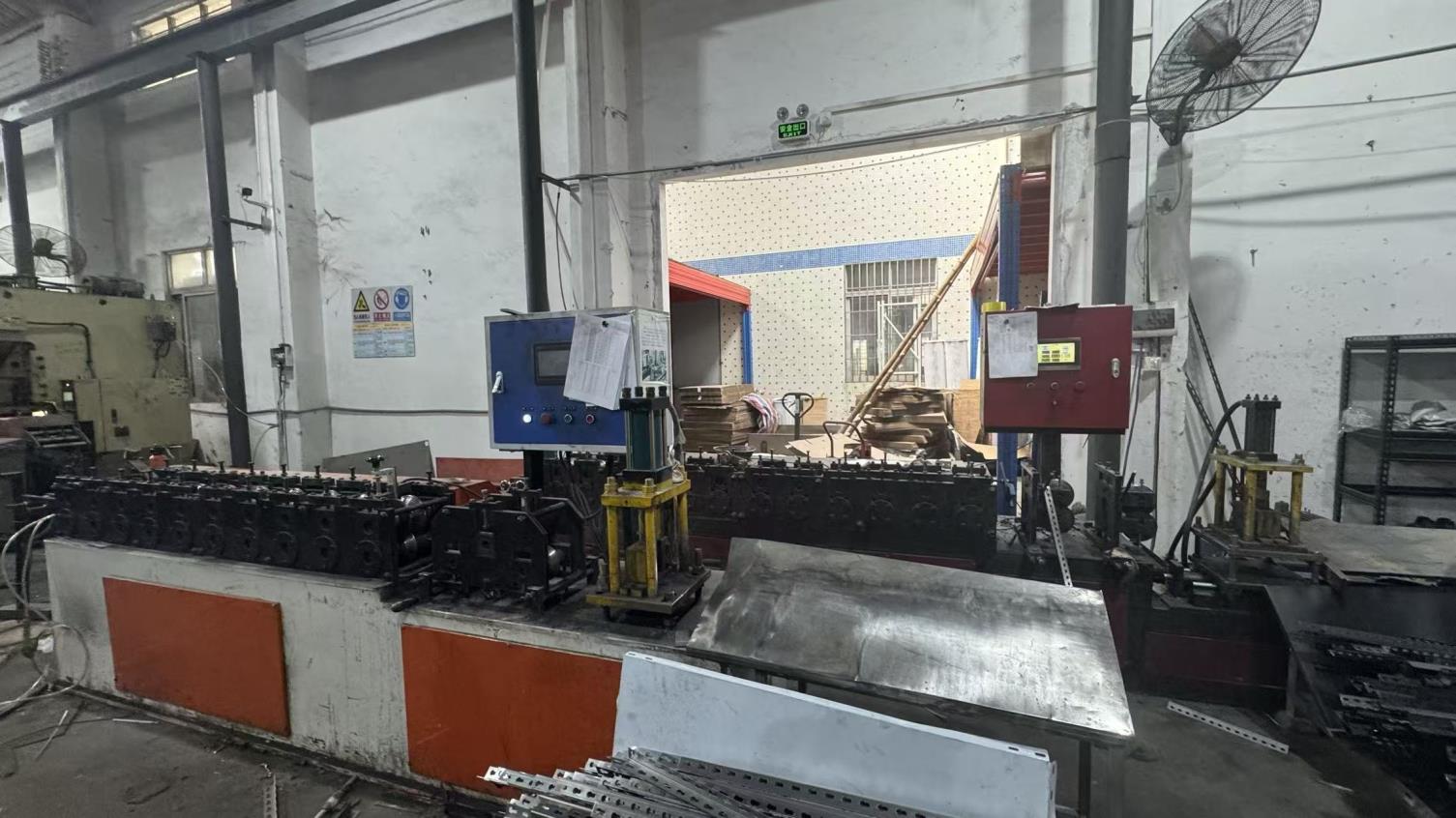
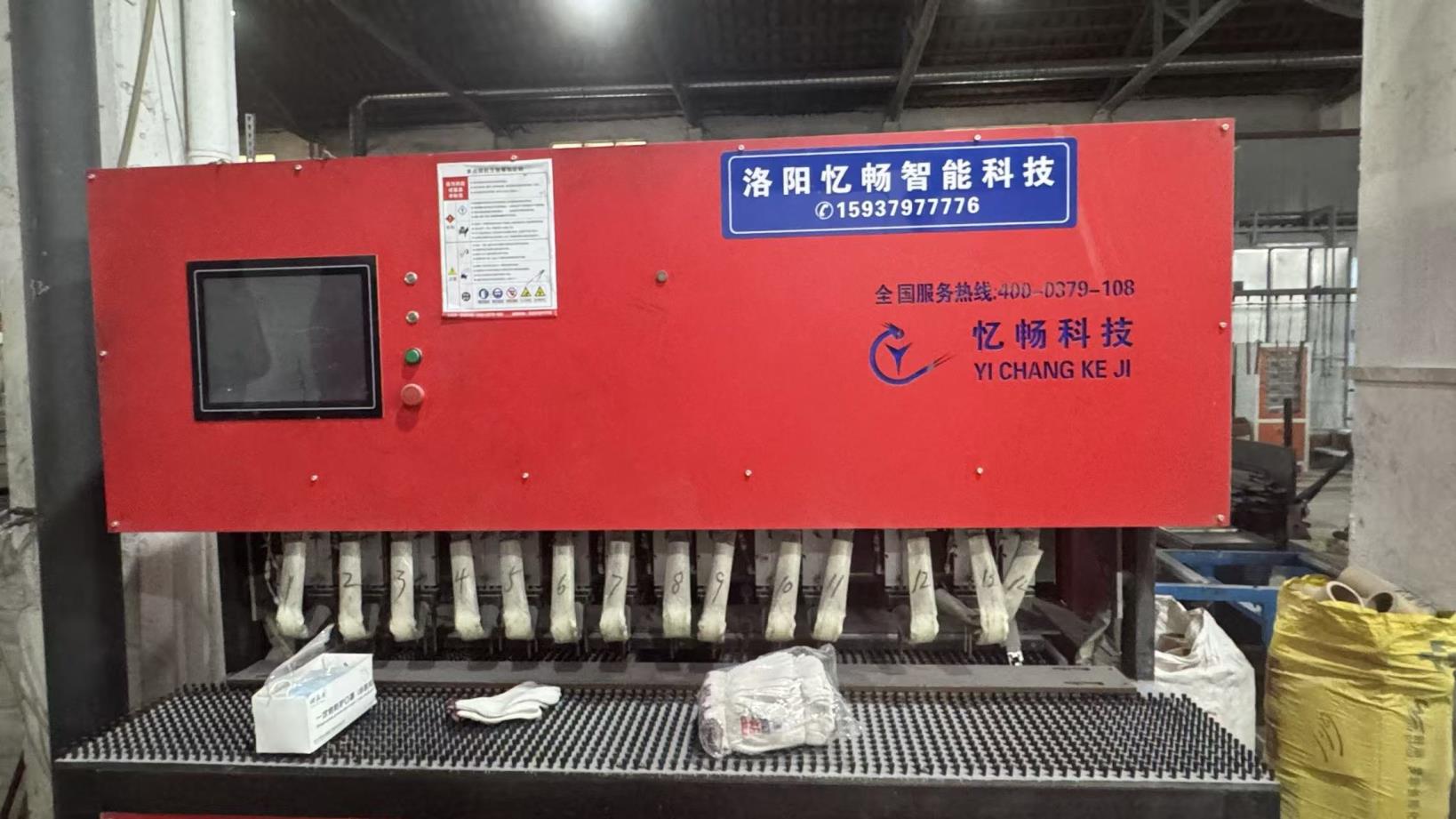
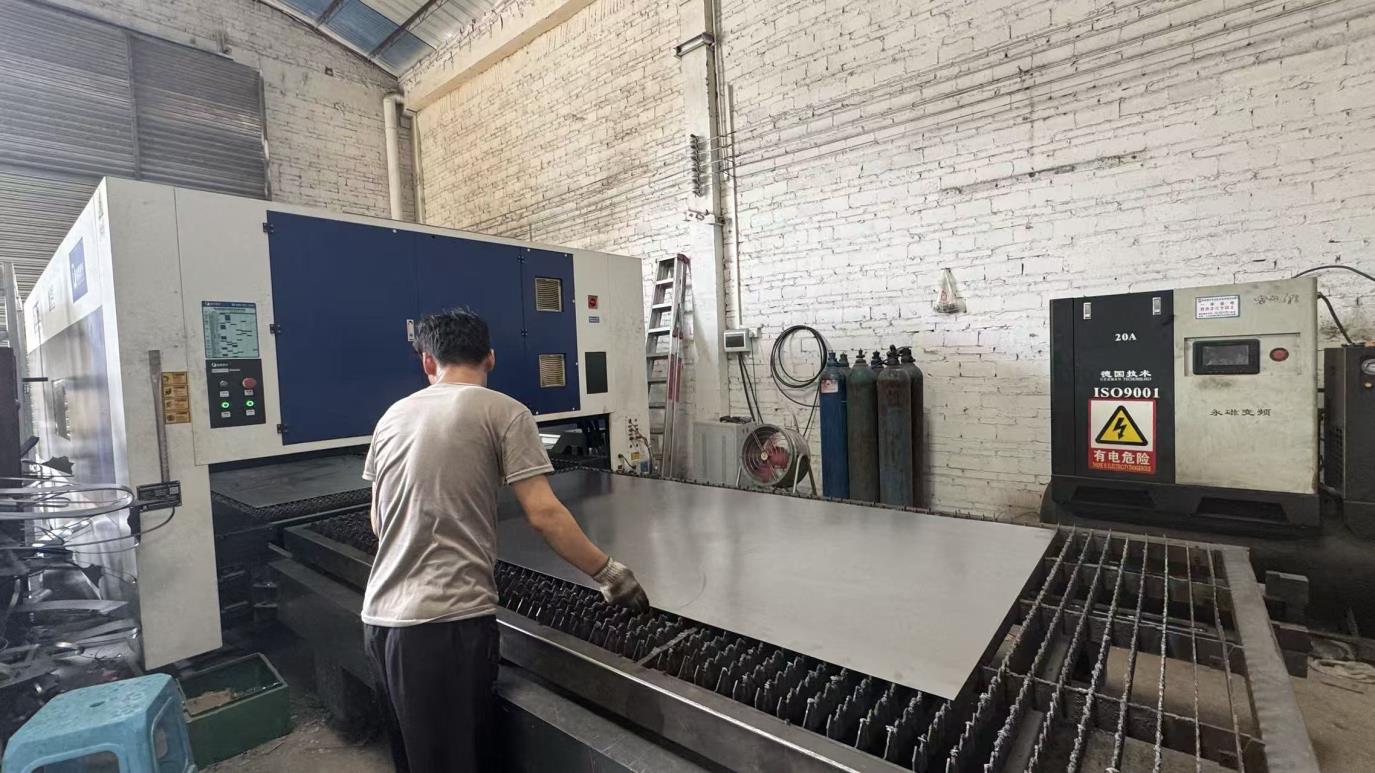
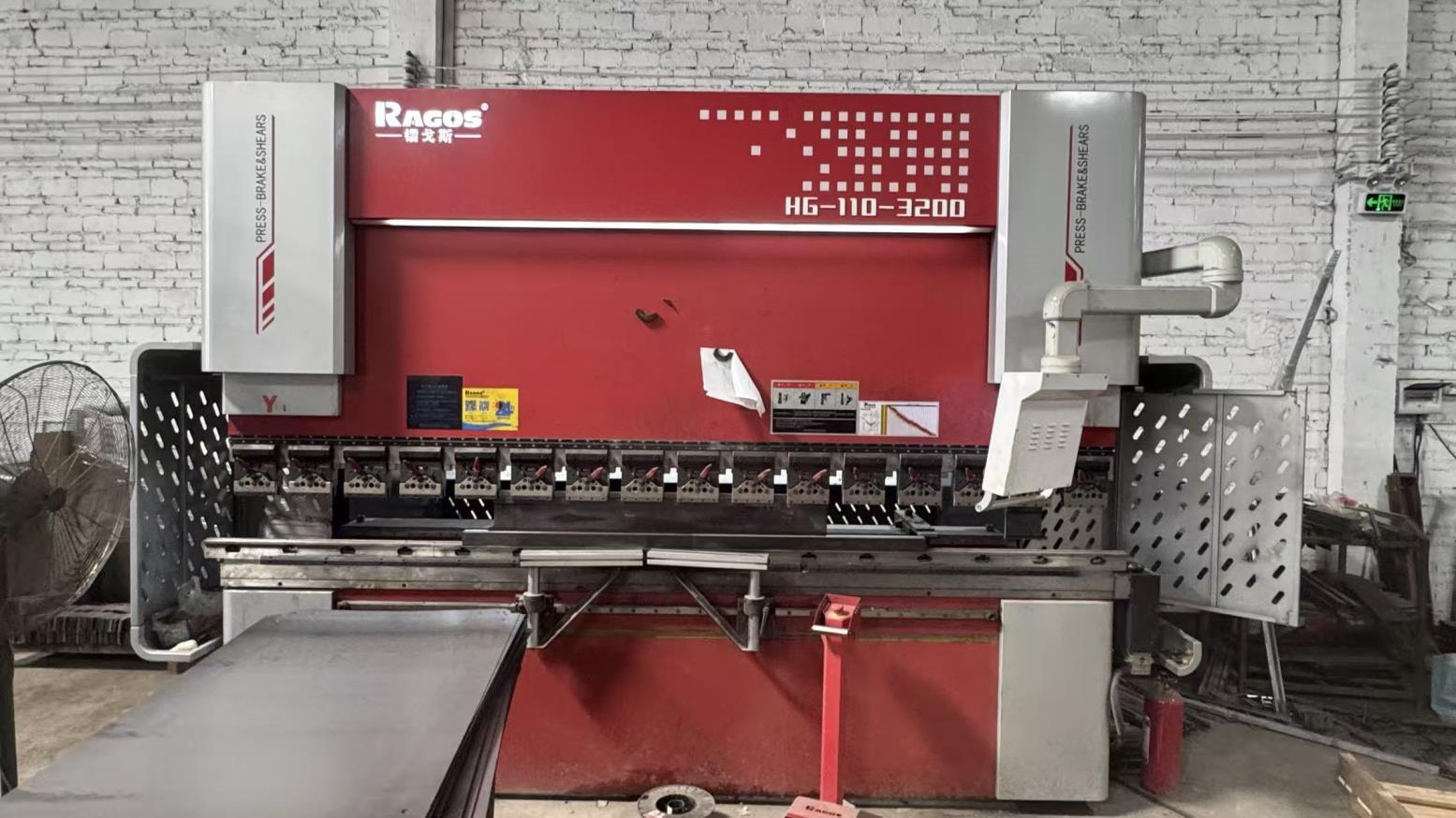
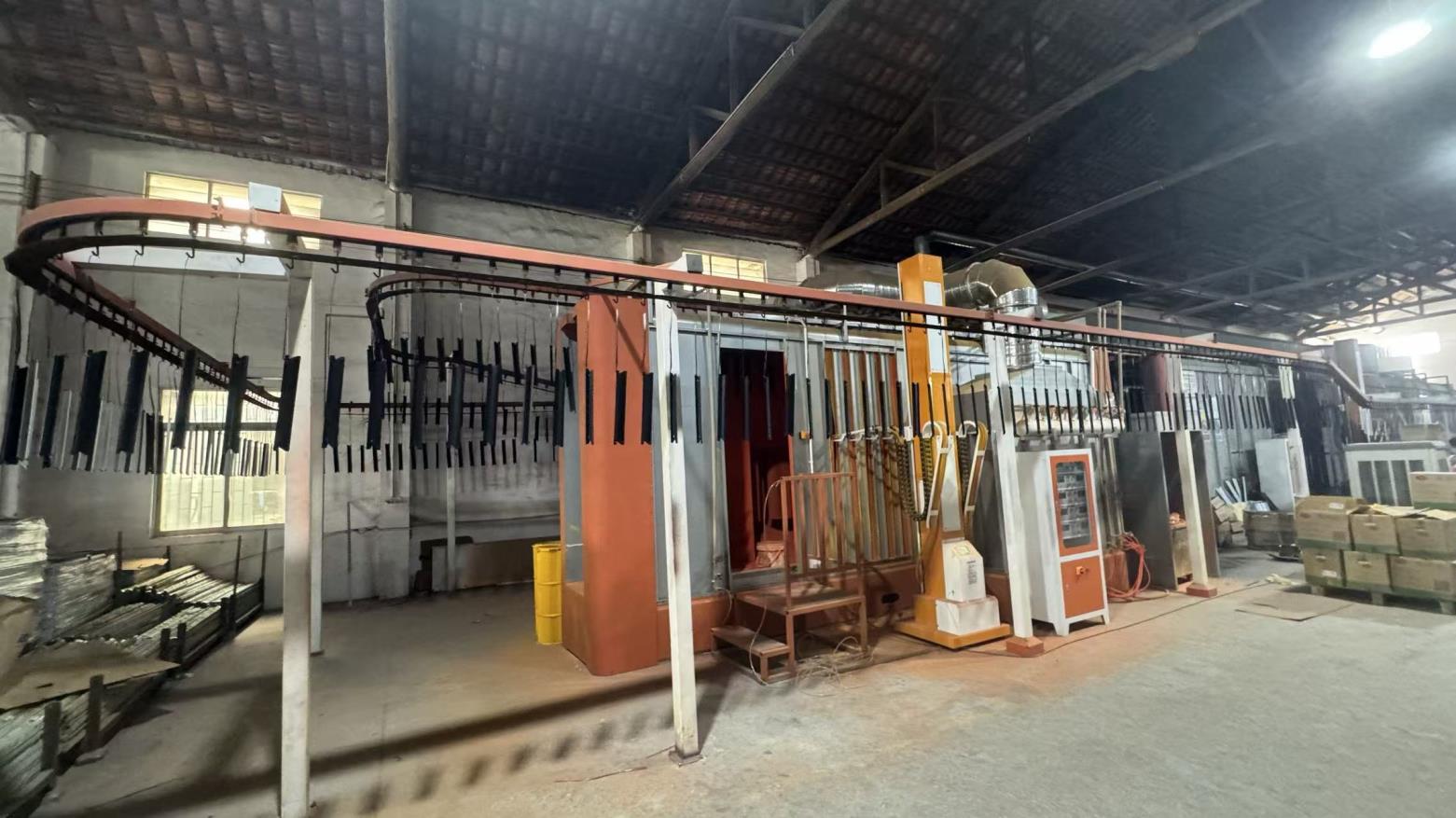
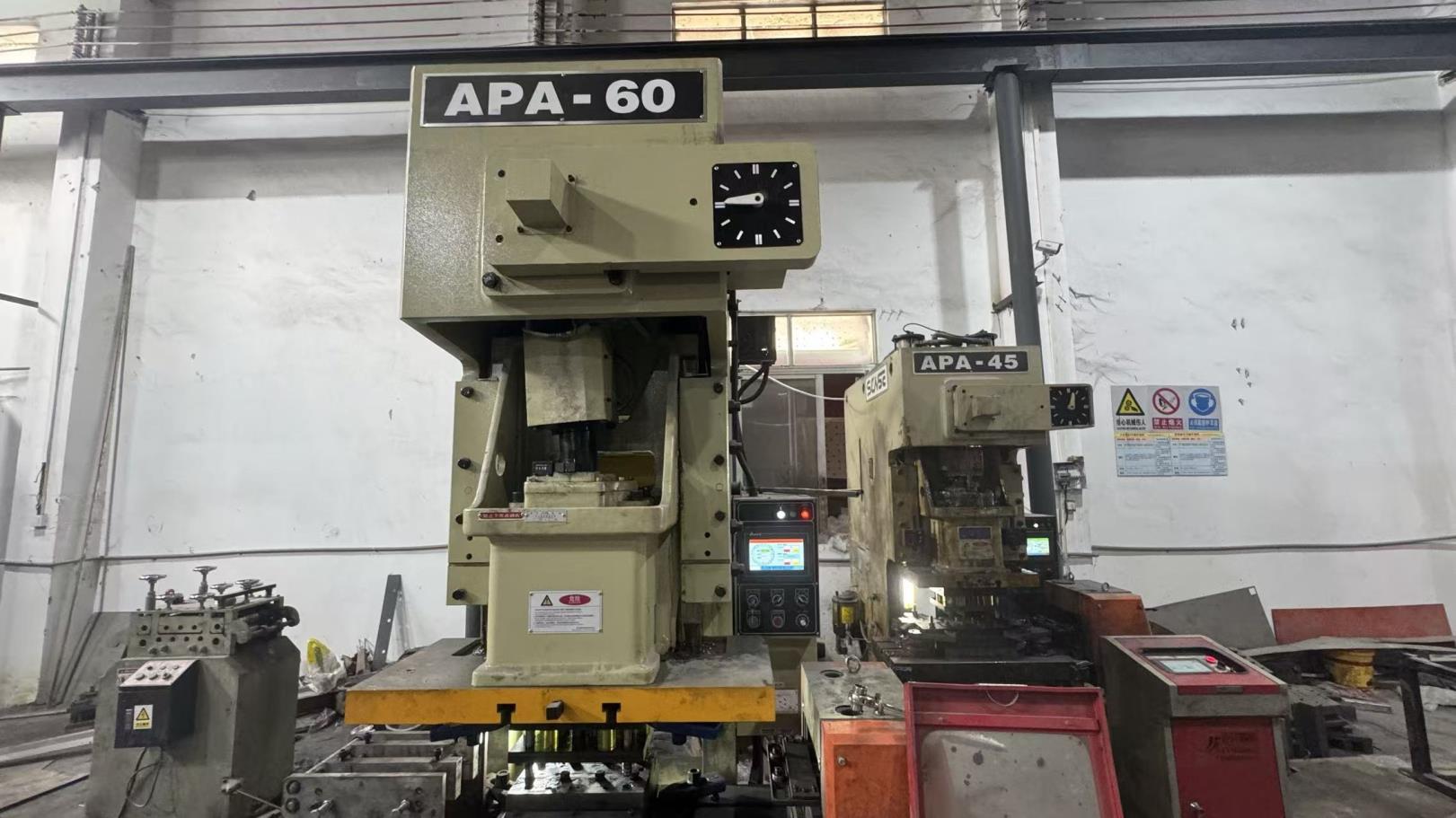
Our 48,000 square meter ISO-certified factory deploys highly automated production lines, ensuring uniform quality and fast delivery to the Doha market.
Due to the versatility of structural design parameters, DeltaStorage's heavy-duty systems are optimized for several critical applications in Doha:
Providing end-to-end heavy industrial and commercial solutions tailored for Qatar businesses.
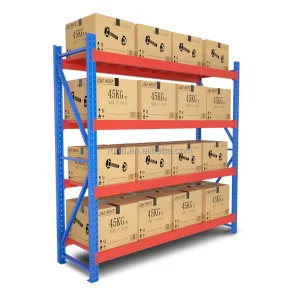
Global procurement teams planning logistics facilities in Doha must manage multiple parameters to ensure safety, regulatory compliance, and a low Total Cost of Ownership (TCO). Procurement managers should focus on the following key engineering requirements:
Fire protection is a primary compliance gate for warehouse layouts in Qatar. In high-density racking environments, the configuration must allow for in-rack sprinkler integration. DeltaStorage's R&D department provides customized designs with pre-punched water pipe channels, ensuring alignment with NFPA 13 standards and ease of passing inspection by QCDD safety engineers.
For outdoor storage yards in the Mesaieed industrial sector, hot-dip galvanization (conforming to ISO 1461, with a minimum coating thickness of 85 microns) is required. Inside climate-controlled warehouses, high-durability electrostatic powder coating provides sufficient protection, provided the surface has undergone chemical pre-treatment and curing phases.
To avoid structural fatigue, ensure the manufacturer provides comprehensive Finite Element Analysis (FEA) reports based on actual soil dynamic load factors in Doha. The racking structures must be calculated using high-yield steel classes (minimum Q355B or structural equivalents) to handle dynamic forklift forces without failure.
Expert technical answers regarding design, manufacturing, shipment, and deployment of cantilever storage racks in Doha.
Partner with DeltaStorage for structural engineering expertise, factory-direct pricing, and systems designed to withstand the climatic conditions of the Gulf region.
Request a Custom Quotation & Layout Drawing DeltaStorage