Engineered and optimized for warehouse layout deployment in Tokyo, Osaka, Nagoya, and Japanese coastal port hubs.
Japan's logistics infrastructure is transitioning through an unprecedented operational paradigm shift. Commonly known in the domestic market as the **"Logistics 2024 Problem" (2024年問題)**, new regulatory ceilings on commercial driver overtime limits are forcing third-party logistics (3PL) conglomerates, cold chains, and e-commerce distribution centers to radically shorten transit timelines and optimize cargo density. In a nation where over 90% of domestic freight is transported by road, warehouses are no longer simple storage depots; they have become high-speed fulfillment mechanisms.
Combined with the extreme cost and scarcity of industrial land in key economic clusters—namely the Greater Tokyo Area (Kanto), the Kinki Region (Kansai), and the Chukyo Metropolitan Area (Chubu)—global businesses operating in Japan must look vertically. Maximum height utilization, seismic reliability, and automated system compatibility are the three pillars of modern Japanese material handling. Utilizing high-strength cold-formed steel and advanced finite element analysis (FEA), our structural systems provide the necessary safety margins and optimization profiles to withstand these operational pressures.
Global procurement directors sourcing industrial racking systems for Japanese implementation encounter rigorous local requirements that deviate substantially from Eurocode or RMI guidelines. The foundational difference lies in structural behavior under dynamic seismic loading. Racking in Japan must operate under the **Building Standards Act (建築基準法, Kenchiku Kijun-hō)**, requiring strict compliance with local structural calculation protocols. Racking installations exceeding certain height thresholds (typically 3.1 meters for standard pallet racks and higher for mezzanine floors) require comprehensive engineering documentation.
Engineered structural designs with dynamic horizontal load calculations ensuring stability up to 0.4g ground acceleration levels.
Assistance in preparing mechanical blueprints, material certificates (Mill Sheets), and FEA calculations for local building regulators.
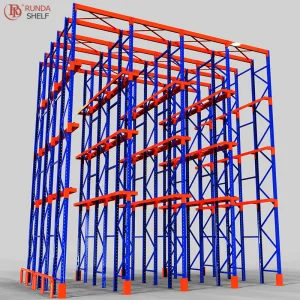
Seamless design configuration for integration with laser-guided AGVs, high-speed cranes, and pallet shuttle systems.
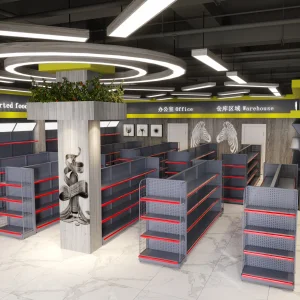
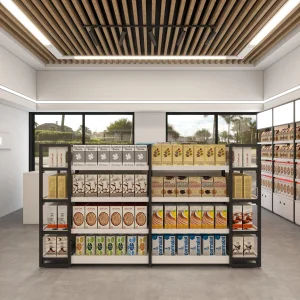
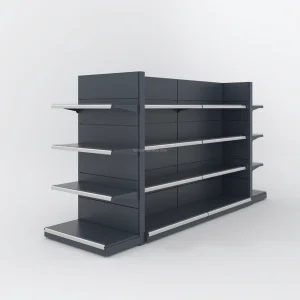
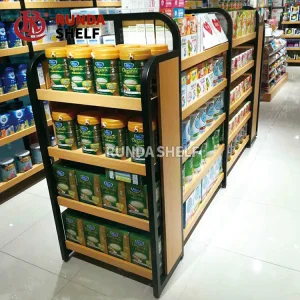
Combining heavy-duty storage configurations with high-end aesthetic parameters for Japanese retail environments.
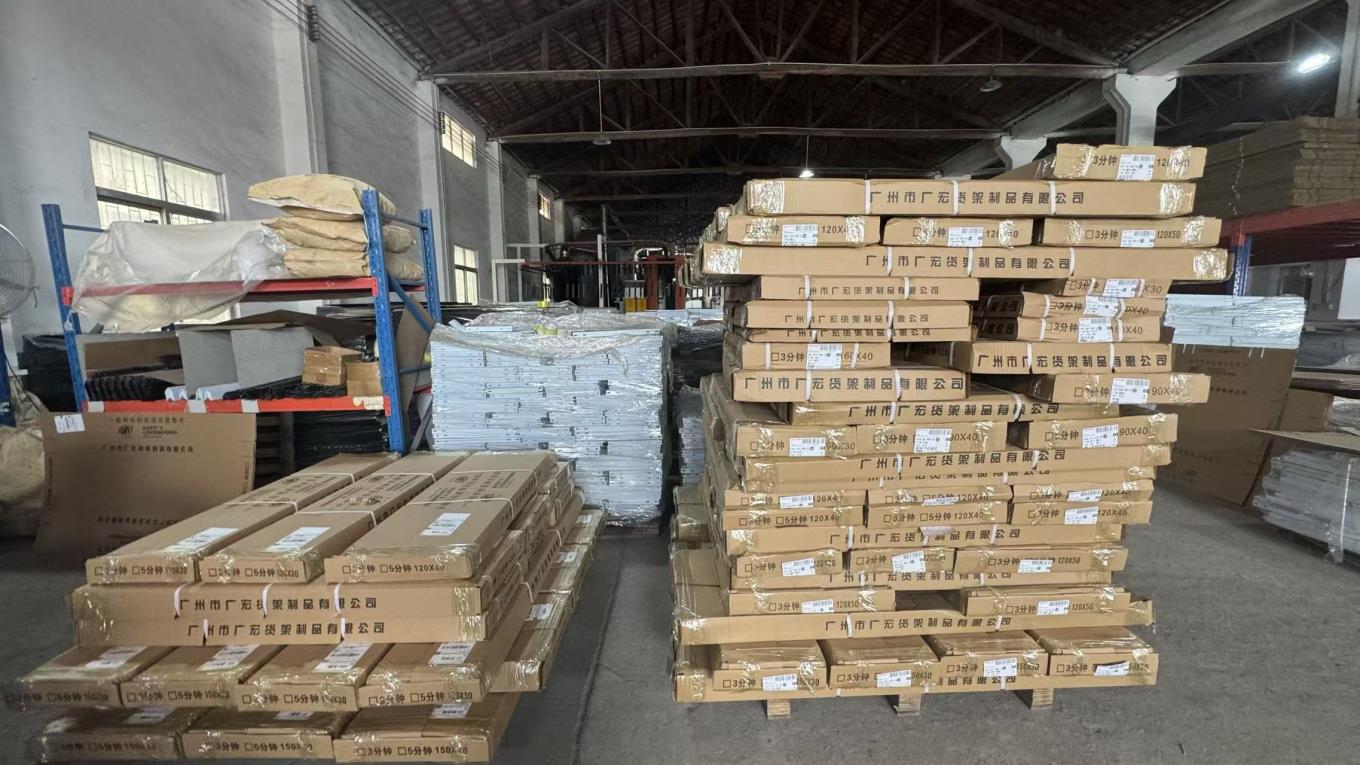
At Ningbo Dade Smart Storage Equipment Co., Ltd. (globally branded as DeltaStorage), we understand that structural integrity translates to life safety. Established in 2012, DeltaStorage operates a massive manufacturing complex boasting a 48,000 square meter footprint. Bolstered by 14 years of deep-rooted industry experience and 10 years of global export experience, we maintain a robust export mechanism generating $45 million USD in annual trade revenue.
For the Japanese market, we calculate structural load bearing capacity through high-fidelity finite element analysis (FEA). Upright columns are formed using premium Q235B and Q355B carbon steel, exhibiting yields and tensile parameters cross-matched with JIS G 3101 SS400 and SS490 standards. In Japan, seismic forces act horizontally at any level of the rack structure. Therefore, the design calculations determine the critical **overturning moment**, floor anchor requirements, and the necessity of horizontal and vertical back bracing configurations.
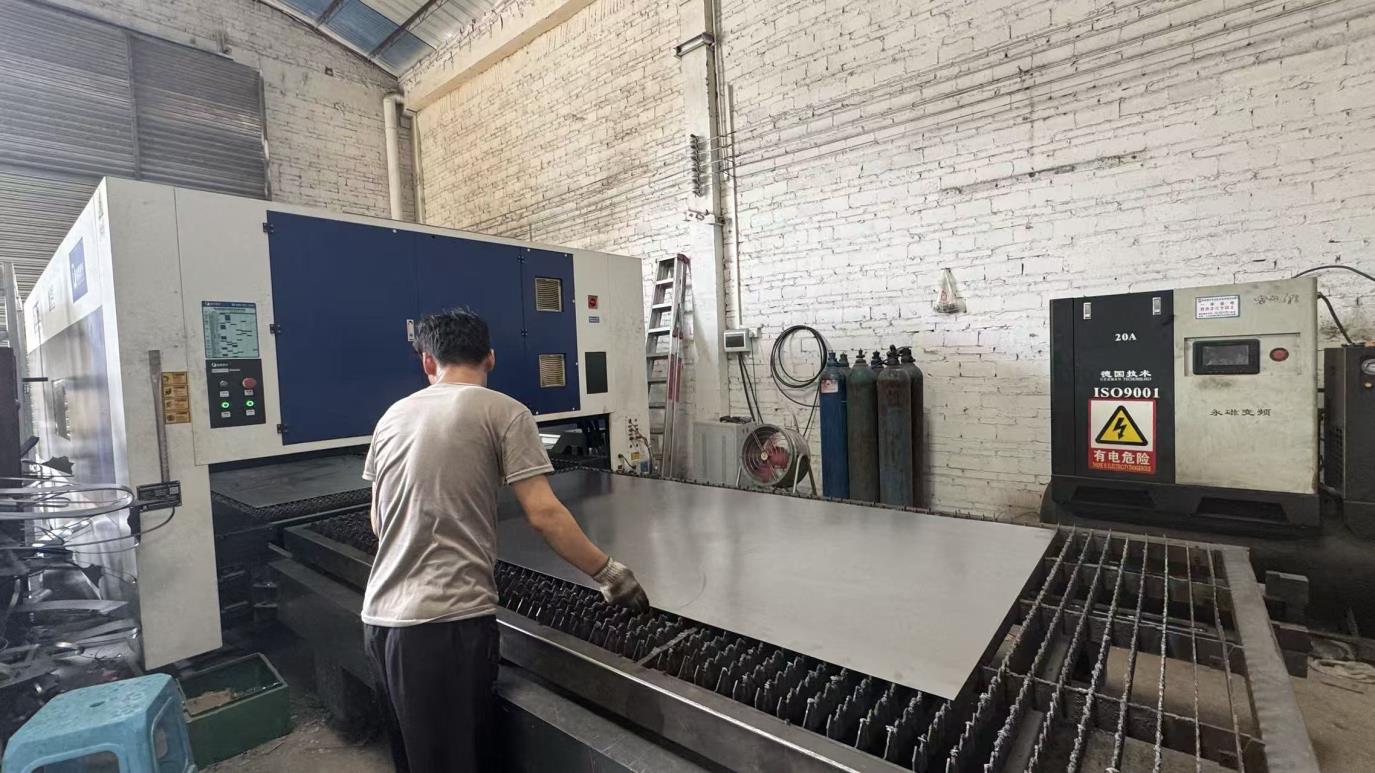
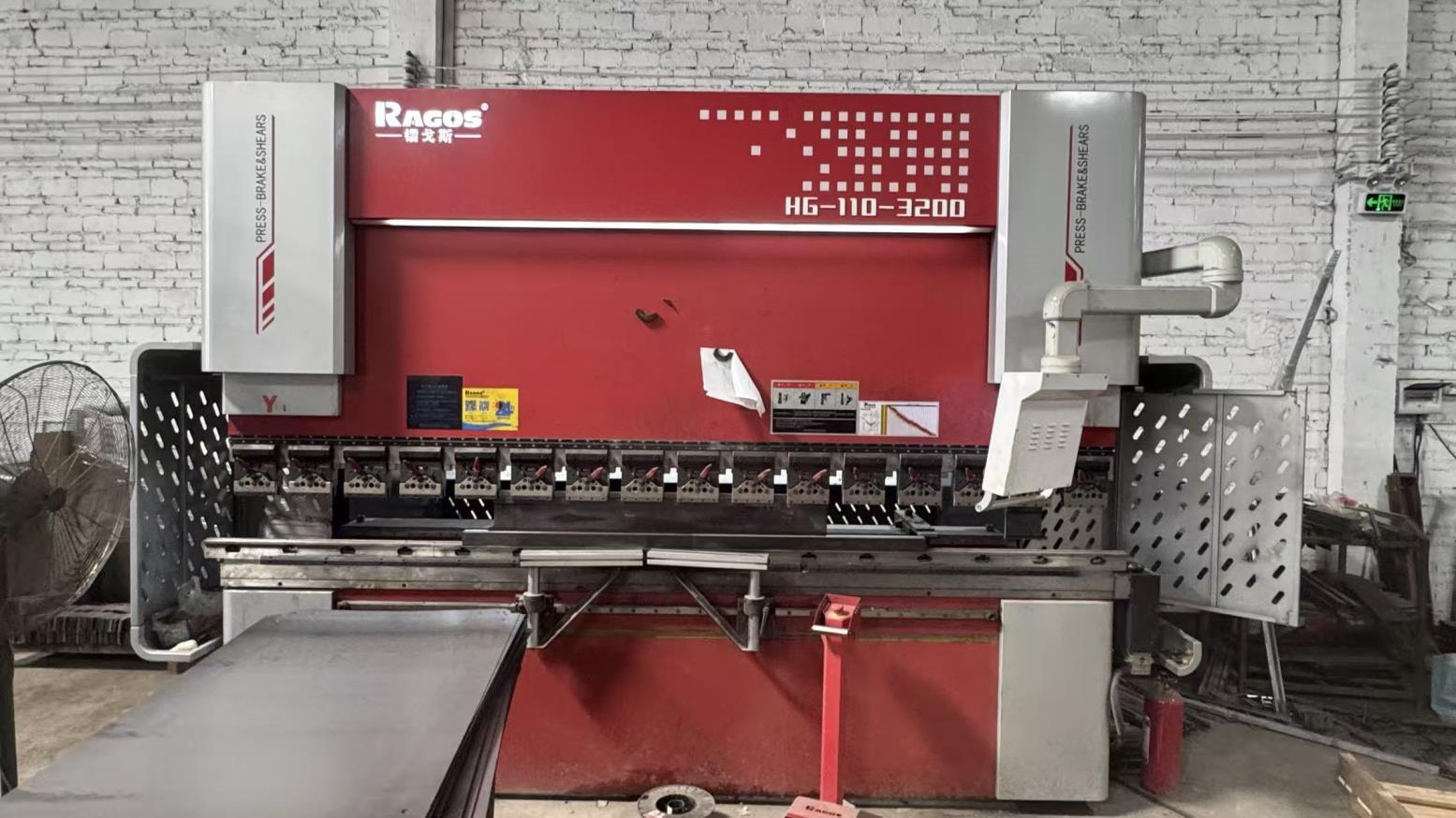
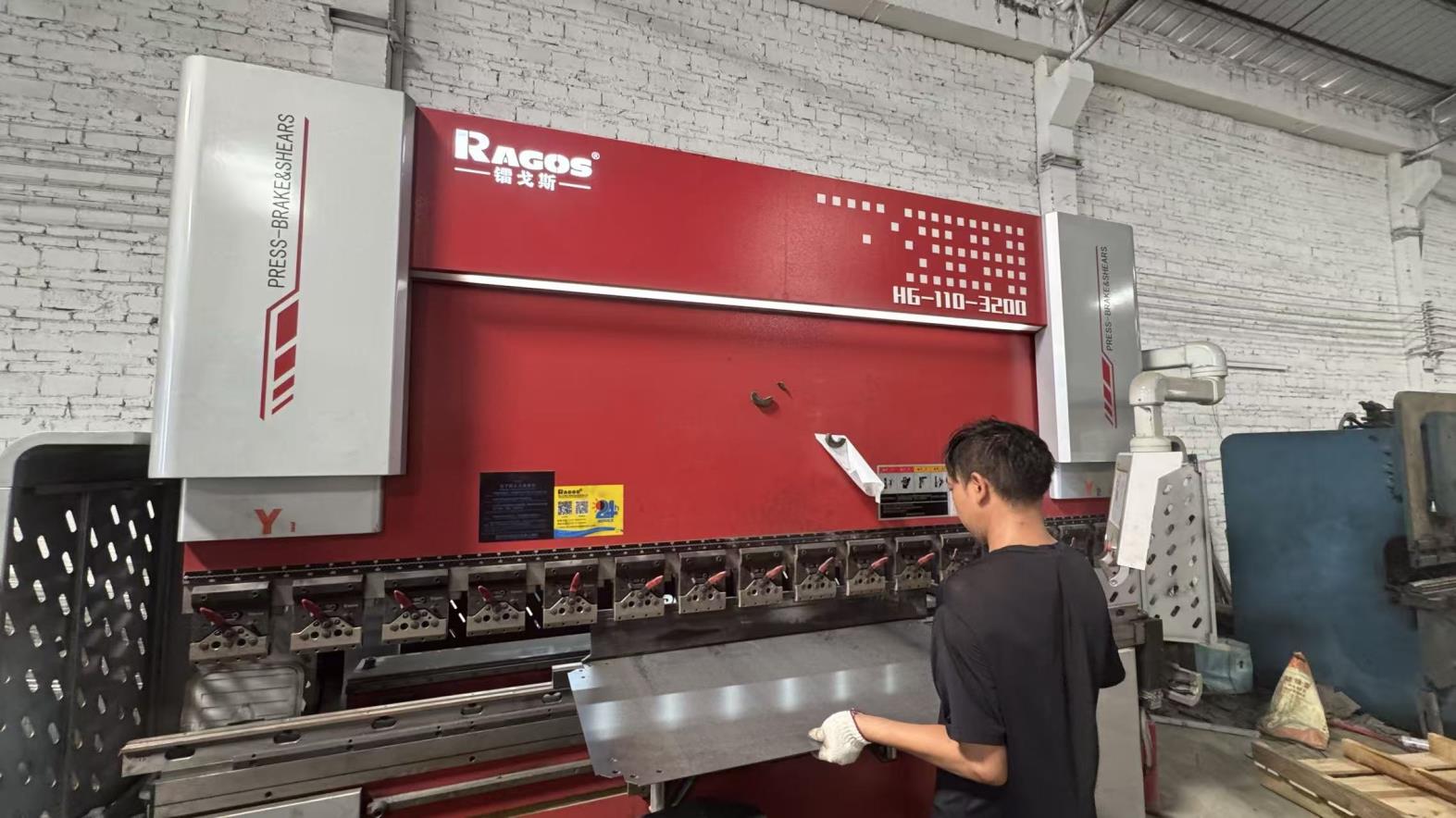
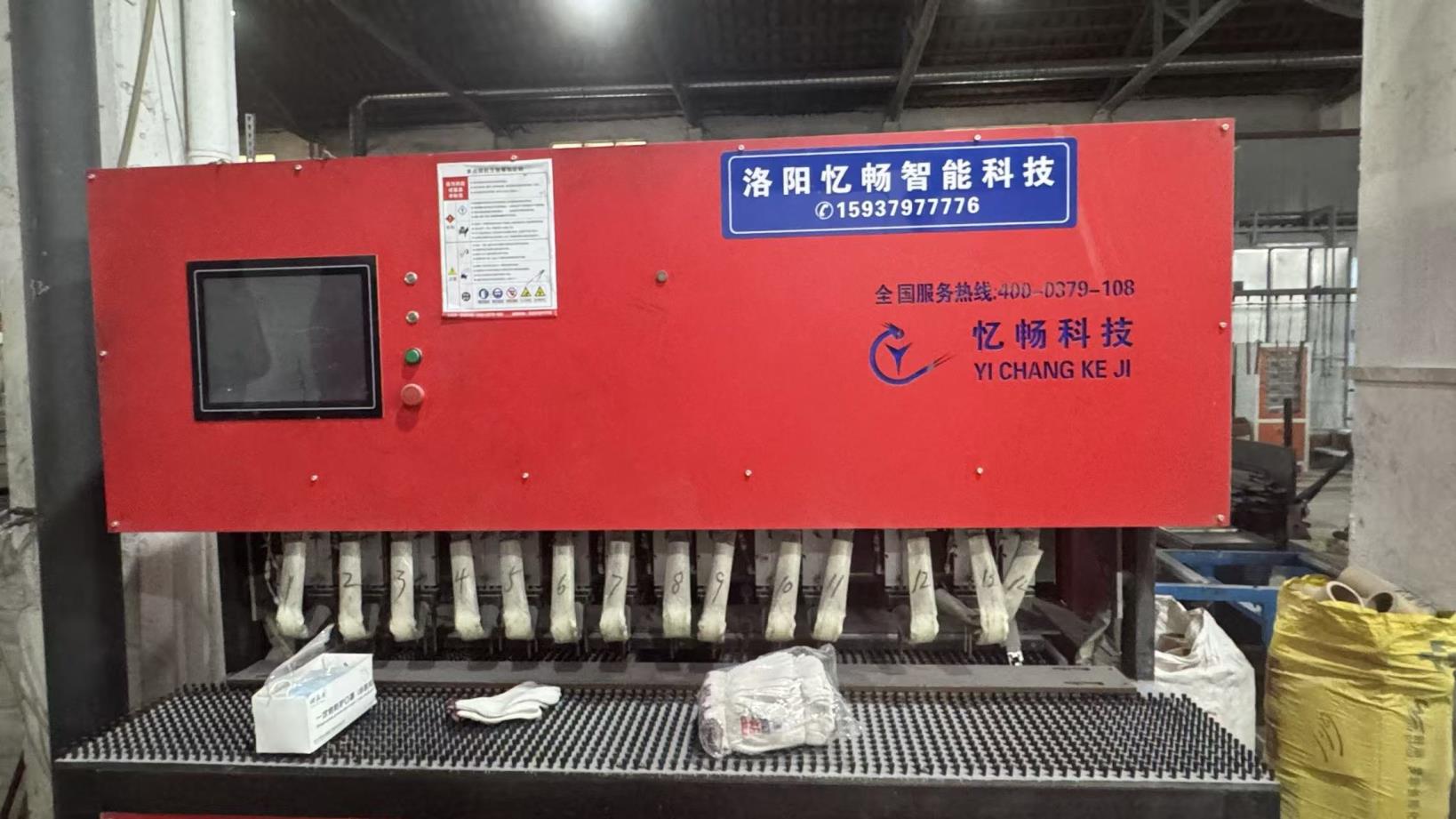
To ensure consistent material quality, our factory deploys 82 full-time quality assurance engineers. All structural products are manufactured under rigorous ISO14001, CE, and TUV parameters. Our QA protocol includes the following steps:
14 automated stations defining the standard of high-precision heavy industrial racking manufacturing.
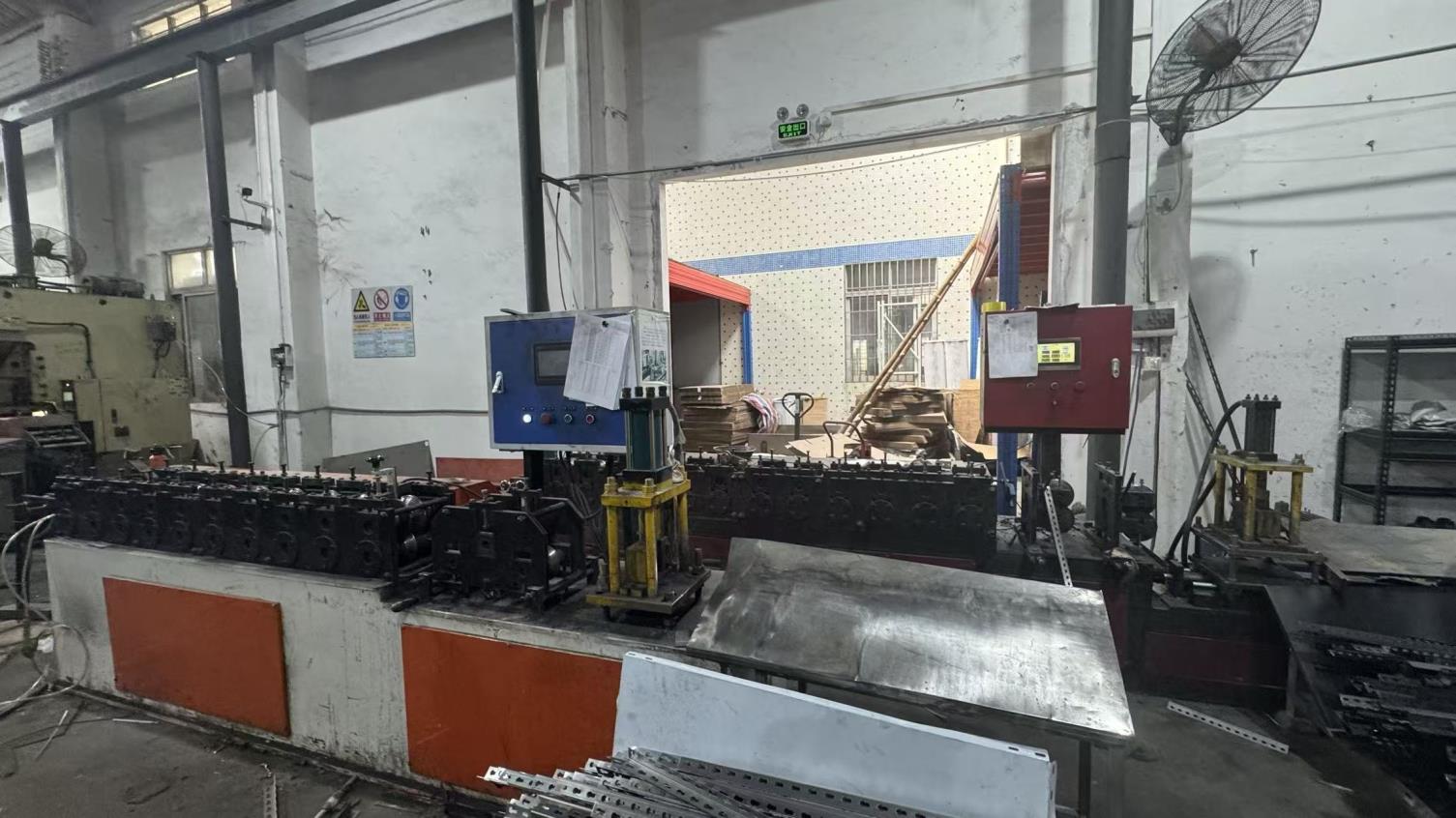
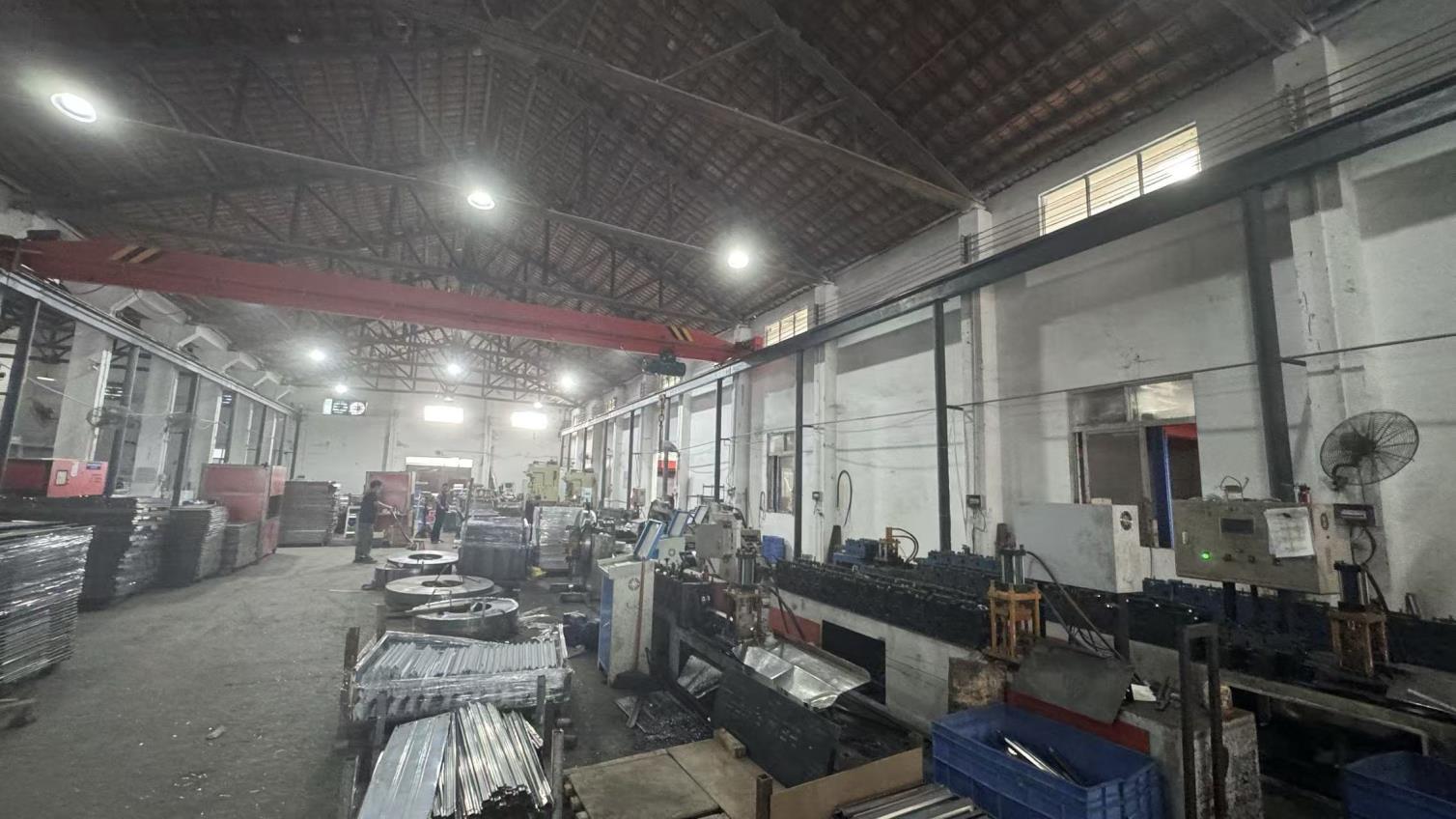
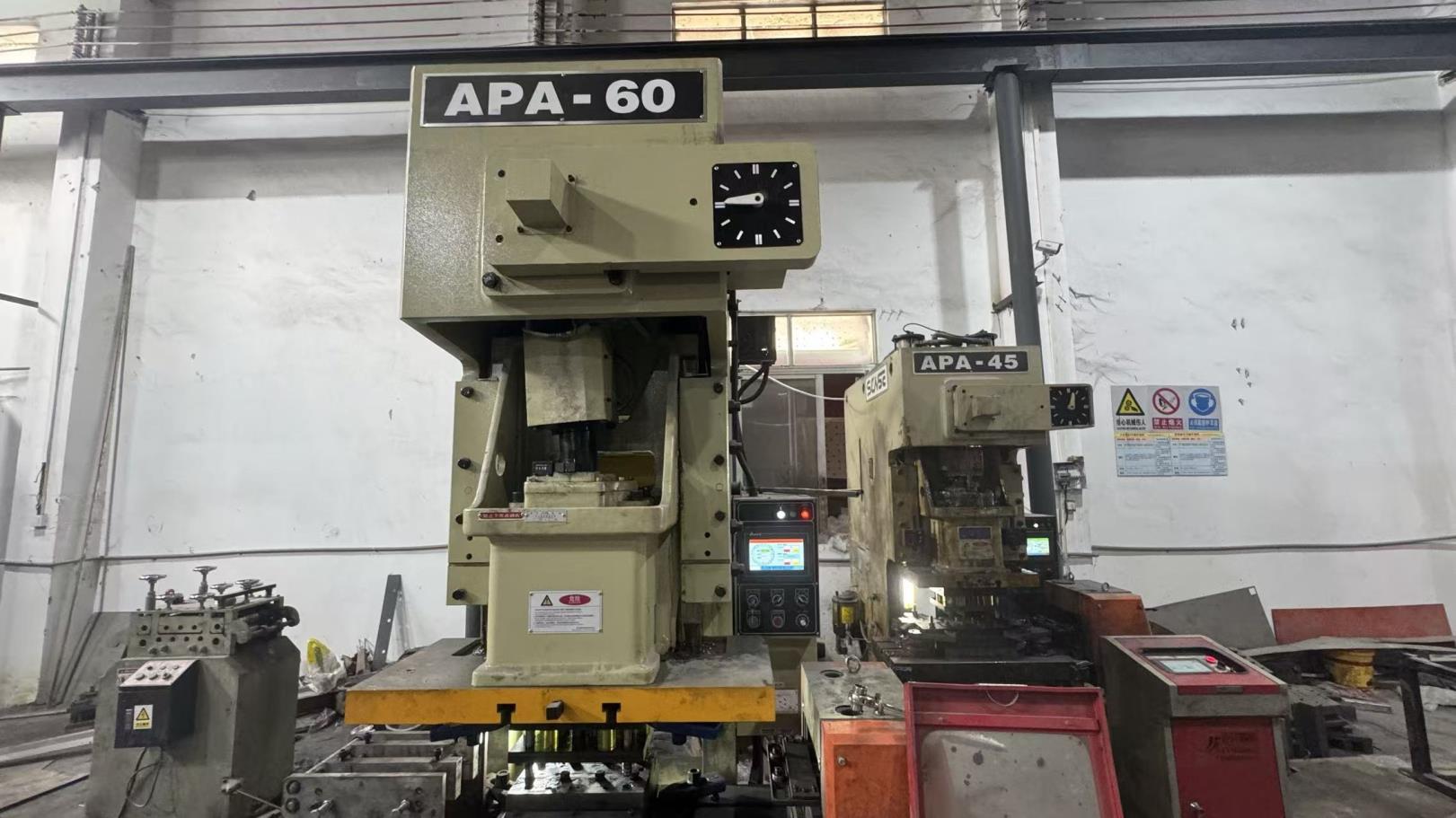
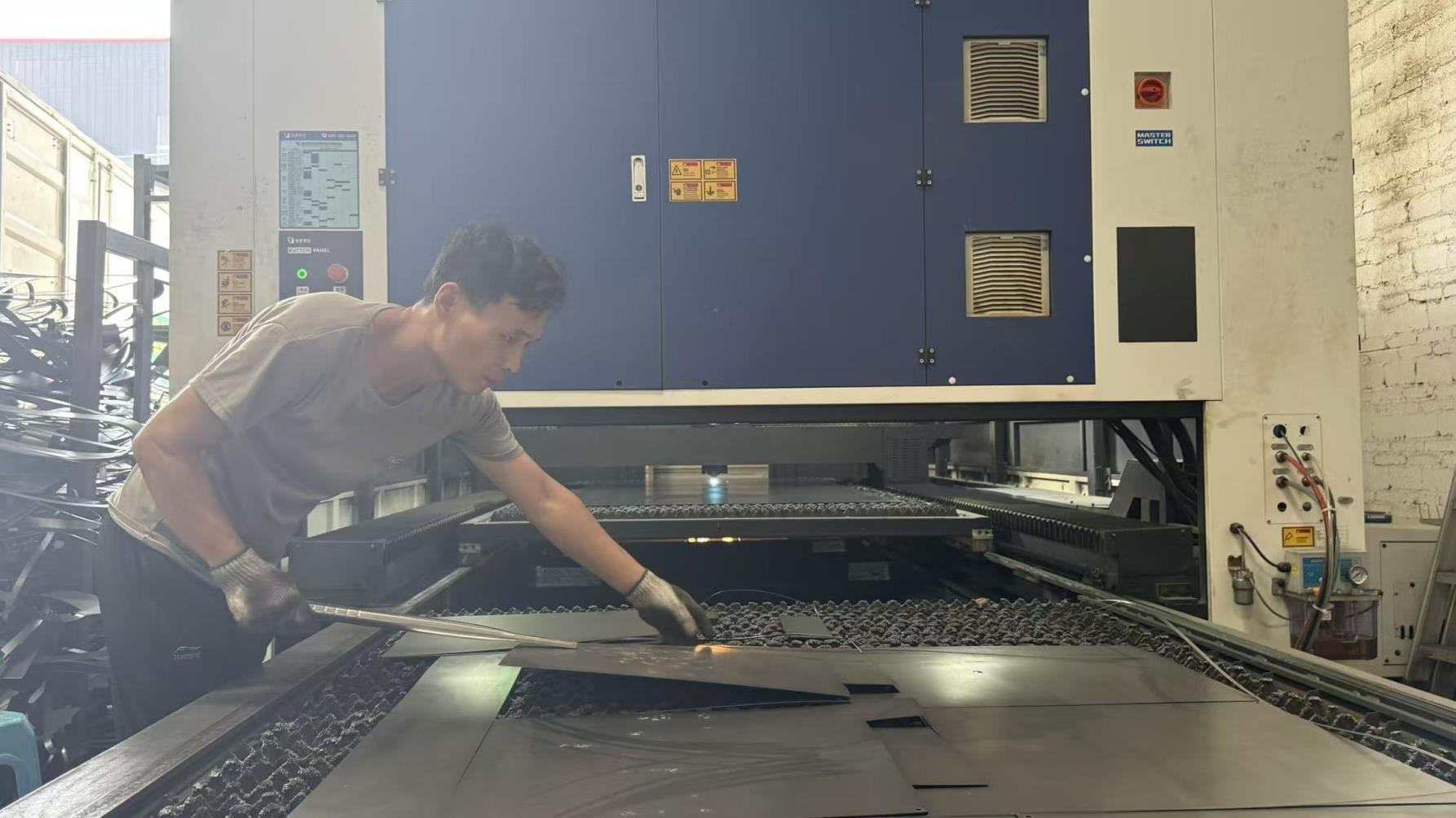
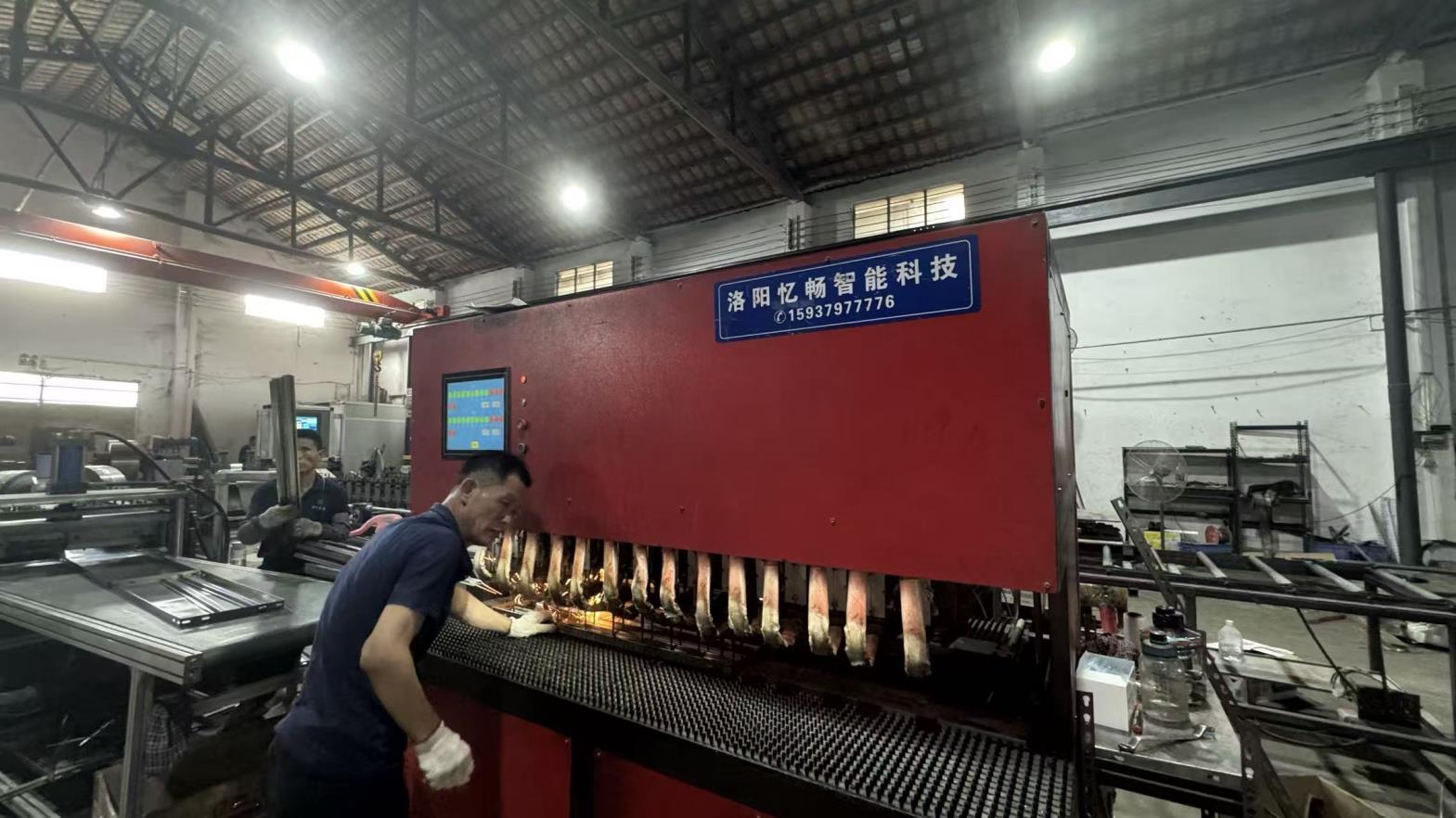
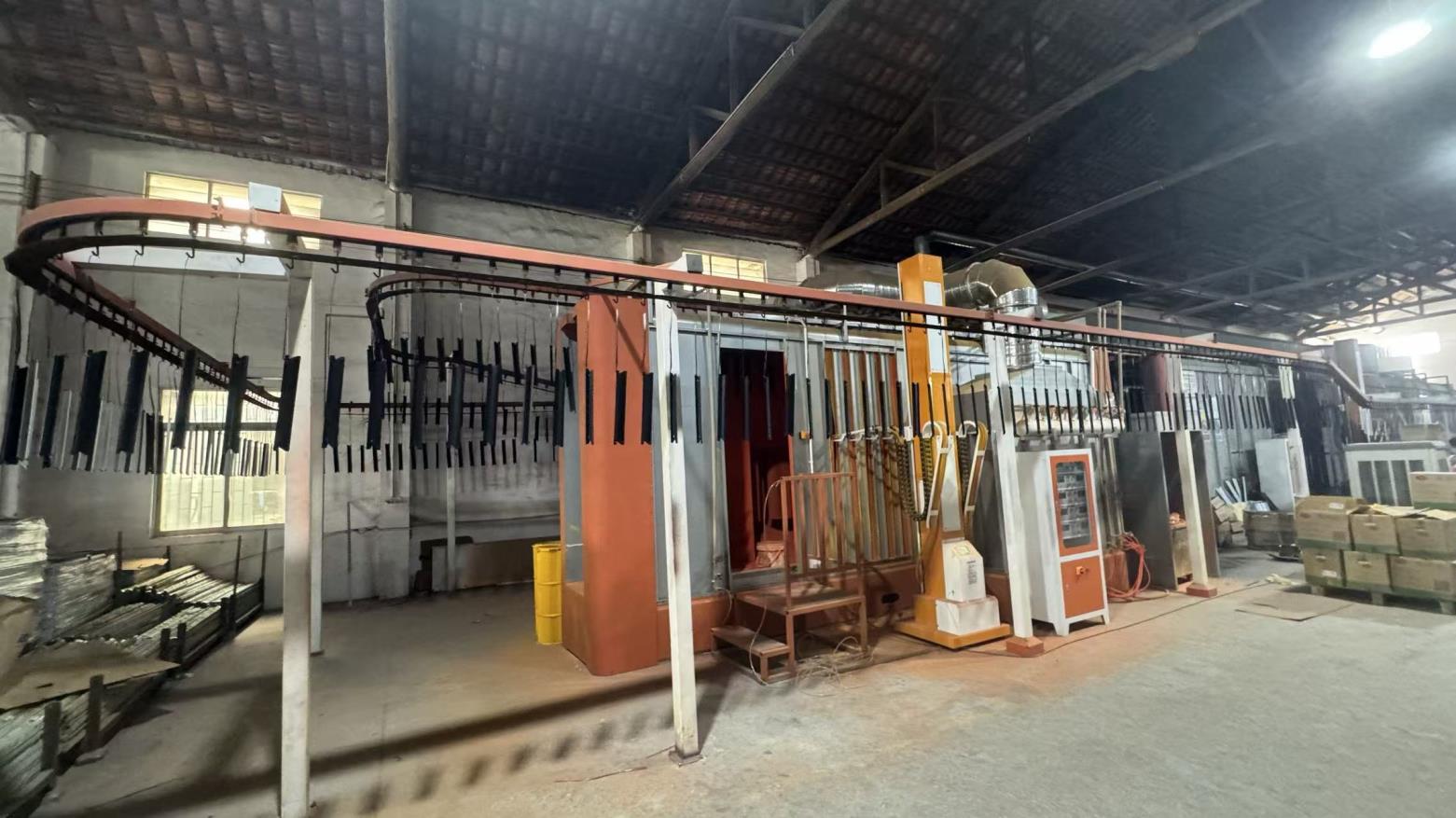
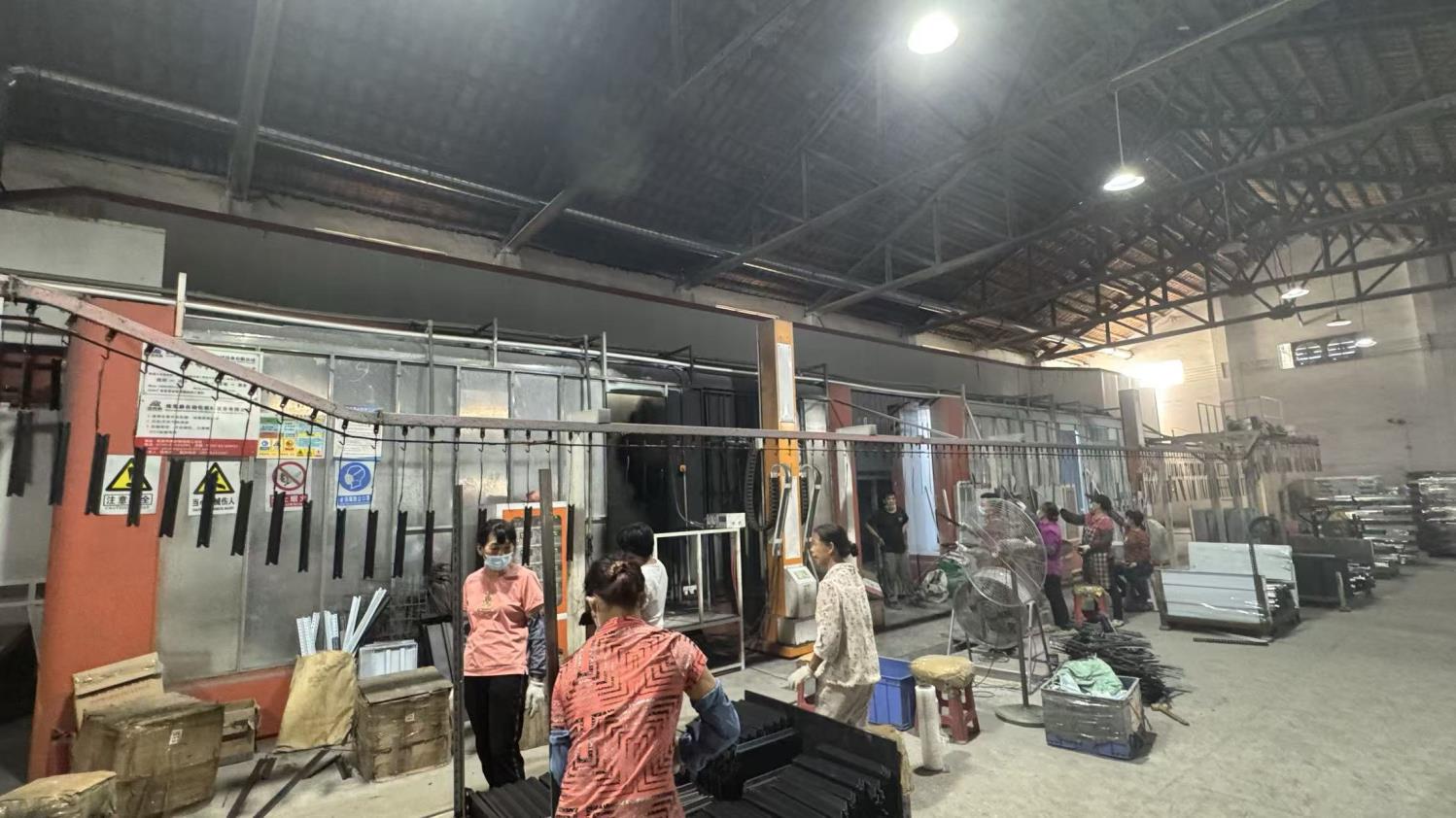
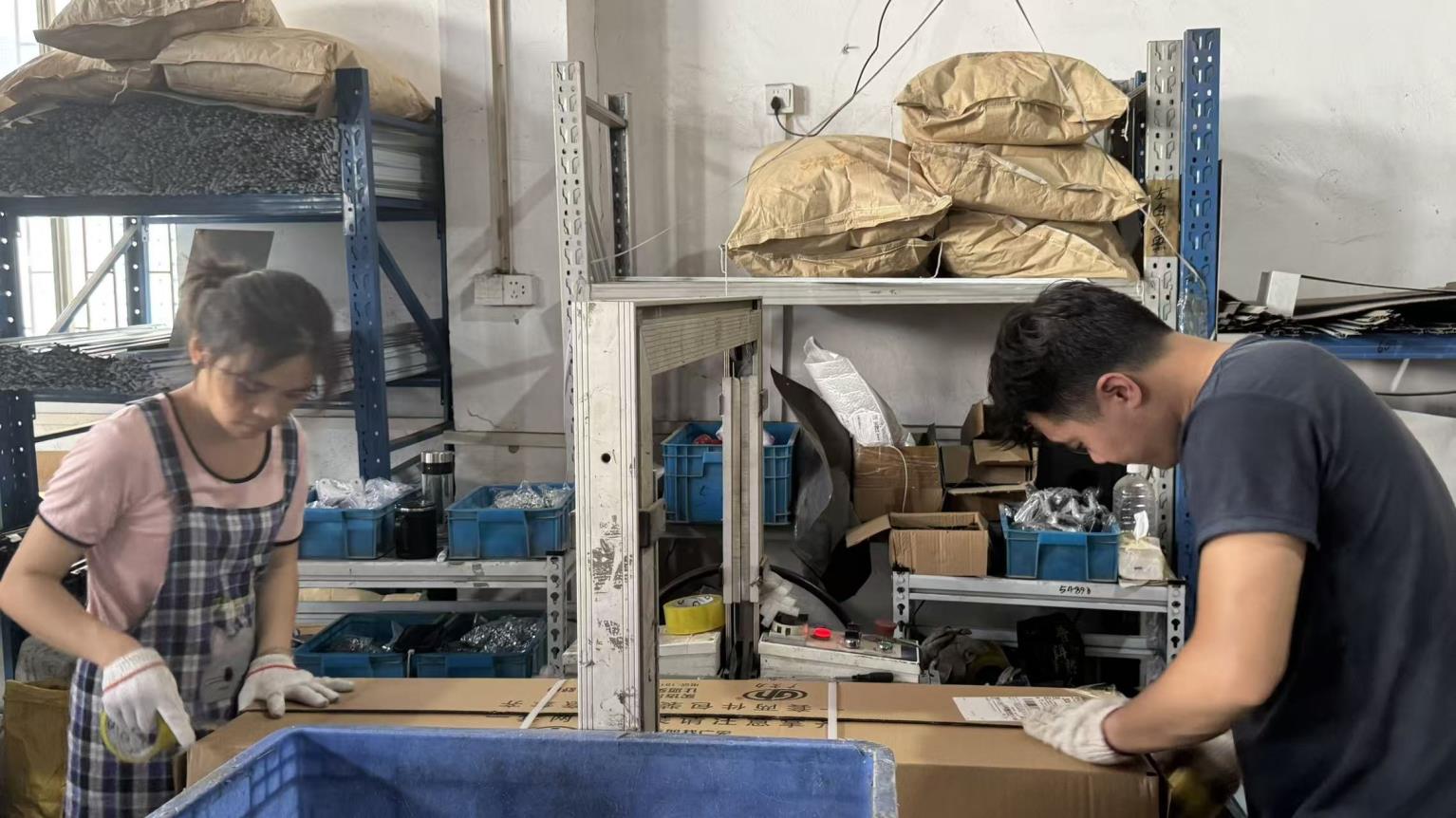
Manufacturing Experience
Annual Global Export Volume
In-House R&D Team
Supply Chain Network
Complete product range utilizing premium raw materials and engineering processes.
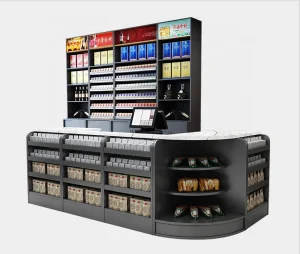
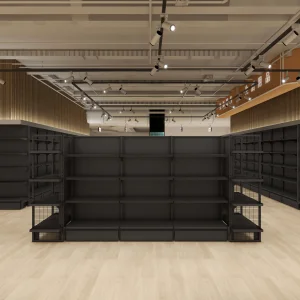
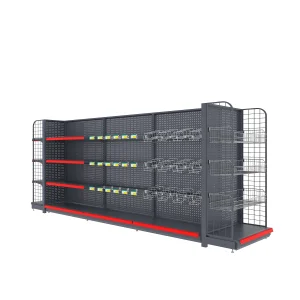
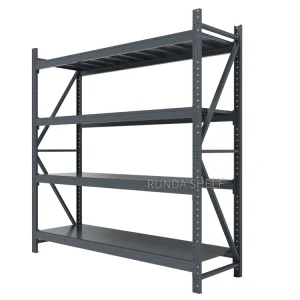
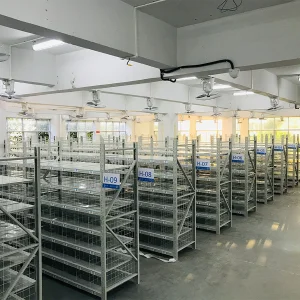
Addressing structural calculations, regulatory compliance, and logistics parameters for warehouse engineers in Japan.
Our engineering unit, featuring 120 experienced R&D engineers, utilizes high-end structural analysis software to run localized Finite Element Analysis (FEA). We calculate the horizontal force coefficient (usually Co = 0.2 to 0.4 depending on height and geographical region in Japan) to determine baseplate dimensions, anchor bolt sizes, and structural bracing. We supply comprehensive structural data, material mill test sheets, and structural diagrams to ease MLIT (Ministry of Land, Infrastructure, Transport and Tourism) approval processes at the municipal level.
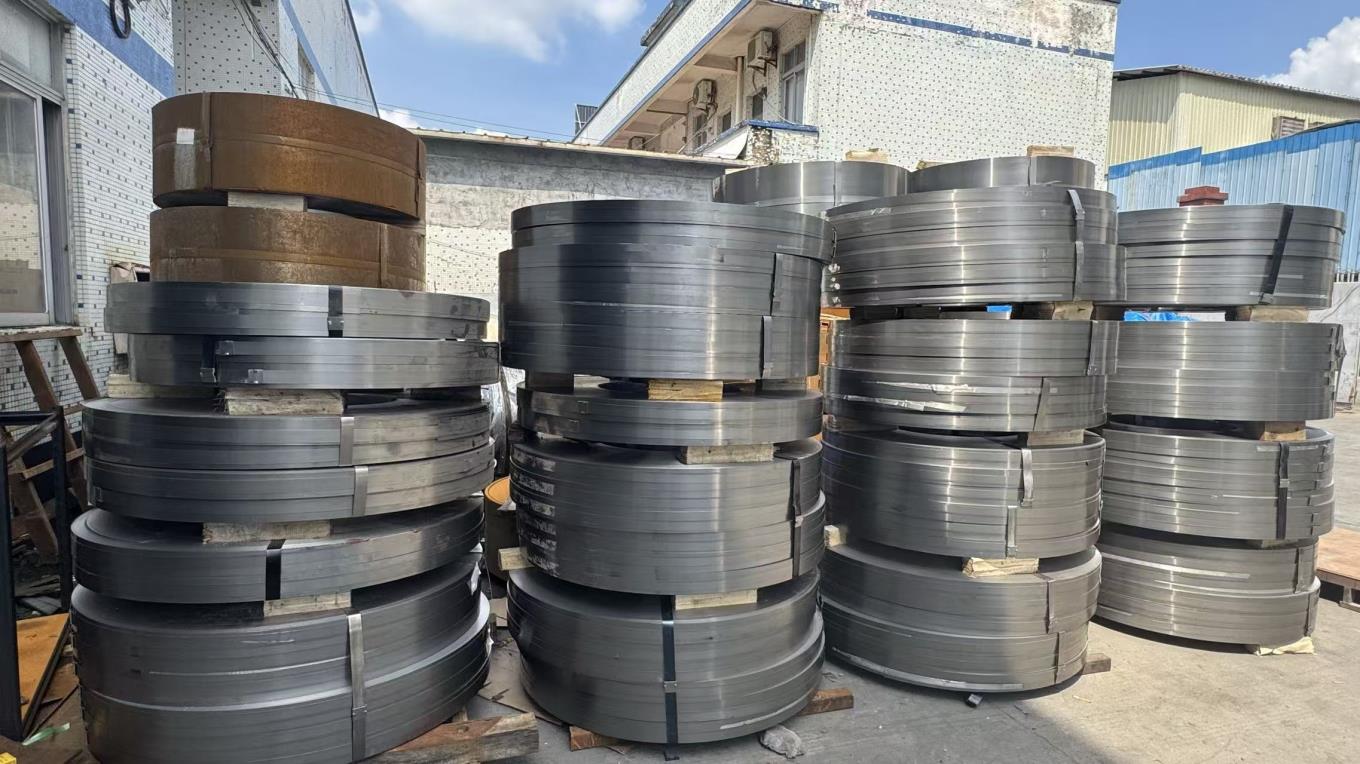
Our heavy-duty uprights and beams are fabricated using Chinese standard Q235B and Q355B steel, which exhibit high ductility and predictable yielding behaviors. In terms of yield point and tensile strength, these profiles compare to and exceed the specifications of JIS G 3101 SS400 and SS490 carbon steel structures. We provide complete material verification certificates to verify these physical profiles.
For sub-zero storage applications (often as low as -25°C to -40°C in seafood processing and pharmaceutical distribution in regions like Hokkaido and Tokyo Port area), we recommend our electrostatically applied epoxy-polyester powder coating cured at high temperature, or hot-dip galvanized (HDG) coating compliant with ISO 1461. This prevents paint chipping, rust formulation, and structural embrittlement in damp, high-humidity, and low-temperature settings.
We coordinate directly with 1,850 upstream and downstream supply chain partners to ensure raw material availability. Located near Ningbo Port, we leverage maritime networks to ship cargo directly to Osaka, Yokohama, Nagoya, and Tokyo ports. With $45 million USD in annual export revenue, we possess deep logistical expertise to secure space during peak freight periods, ensuring your warehouse construction projects run without delay.
Yes. Our engineering systems are designed to meet structural tolerance standards for automated systems. We design specialized high-density pallet shuttle configurations and high-bay racking systems with strict verticality tolerances (up to 1/1000 height ratio) to accommodate automated guide rail systems, shuttle carts, and crane masts. We work directly with automation system integrators to configure racking heights, guide rails, and floor-level anchor alignments.
Initiate contact with our R&D engineering office today to secure seismic design data, CAD floor plan configurations, and comprehensive export pricing quotes.
Send Inquiry Now DeltaStorage