Optimizing warehousing footprints in high-density corridors like Route 128, I-95, and the Seaport district requires dynamic, code-compliant industrial storage systems.
As one of America's oldest and most densely populated metropolitan regions, Greater Boston poses unique warehouse challenges. Real estate values are at historical highs, forcing companies to look upward rather than outward. The local economy is driven heavily by biotechnology, pharmaceutical supply chains, cold storage facilities, e-commerce fulfillment centers, and traditional marine industrial hubs near the Port of Boston (Conley Terminal).
In this demanding market, standard storage systems fall short. Boston's cold chain facilities require specialized structural steel racks that can withstand freezing temperatures without becoming brittle. At the same time, life science companies require high-density modular shelving setups clean enough for sterile environments. Moreover, any structural installation in Massachusetts must strictly conform to the Massachusetts State Building Code (780 CMR) and seismic calculations defined by the Rack Manufacturers Institute (RMI). DeltaStorage addresses these complexities by delivering tailored, heavy-duty racking configurations that maximize vertical storage while ensuring unmatched safety profiles.
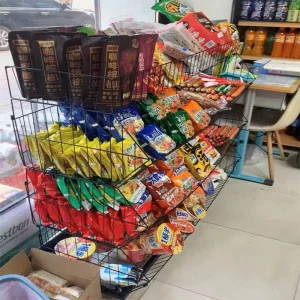
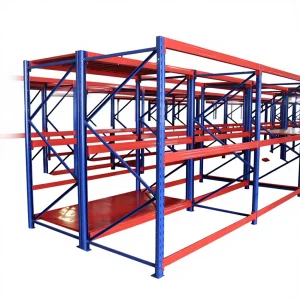
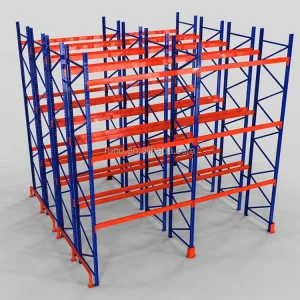
High-capacity structural configurations and retail display units designed for New England distribution networks.
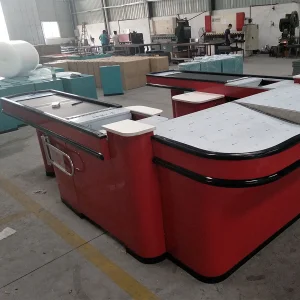
Understanding the engineering demands behind structural safety factor, steel metallurgy, and seismic design rules.
Although New England is not perceived to have the same seismic activity as the West Coast, Eastern Massachusetts falls into a specific structural category requiring comprehensive lateral force resistance calculations. When designing high-density warehouse configurations, engineers must account for the region's unique soil profile—including areas filled with "Boston Blue Clay"—which can amplify seismic energy.
DeltaStorage applies Finite Element Analysis (FEA) to simulate dynamic loads on custom configurations. Every upright profile, baseplate thickness, and anchor bolt depth is calculated to meet the requirements of the 780 CMR Chapter 16 (Massachusetts Structural Design Rules) and the AISC (American Institute of Steel Construction) specifications. Our systems use premium Q235B and Q355B steel, assuring yield strengths that prevent bucking and structural failure under load stresses.
DeltaStorage brings automated, heavy-duty warehouse infrastructure directly to global distribution centers.
Established in 2012, Ningbo Dade Smart Storage Equipment Co., Ltd. (globally branded as DeltaStorage) is an elite enterprise specializing in high-density automated racking systems, heavy-duty cantilever racks, and mezzanine platforms. Located near Ningbo Port, our facility spans an extensive building area of 48,000 square meters. With 14 years of deep-rooted industry experience and 10 years of global export experience, we generate an impressive annual export revenue of $45 million USD.
Quality Assurance & Testing Standards: We place paramount emphasis on safety and structural reliability, deploying 82 full-time quality assurance engineers. Our operations are fully ISO14001, CE, and TUV certified. Quality verification relies on advanced product inspection methods such as spectrographic raw material alloy analysis, automated optical weld seam inspection, continuous salt-spray weathering simulation, and multi-axis dynamic load durability testing.
Global Trade & Supply Chain: Operating through a full-service direct manufacturing and international engineering solution model, DeltaStorage coordinates with over 1,850 upstream and downstream supply chain partners. Our dominant overseas markets span North America, Northern Europe, East Asia, and the GCC region. We predominantly serve high-tier client types including large automated distribution centers (AS/RS systems), pharmaceutical cold chains, chemical storage facilities, and global third-party logistics (3PL) giants.
Take a virtual walk through our smart manufacturing line, utilizing CNC-guided fabrication and automated roll-forming.
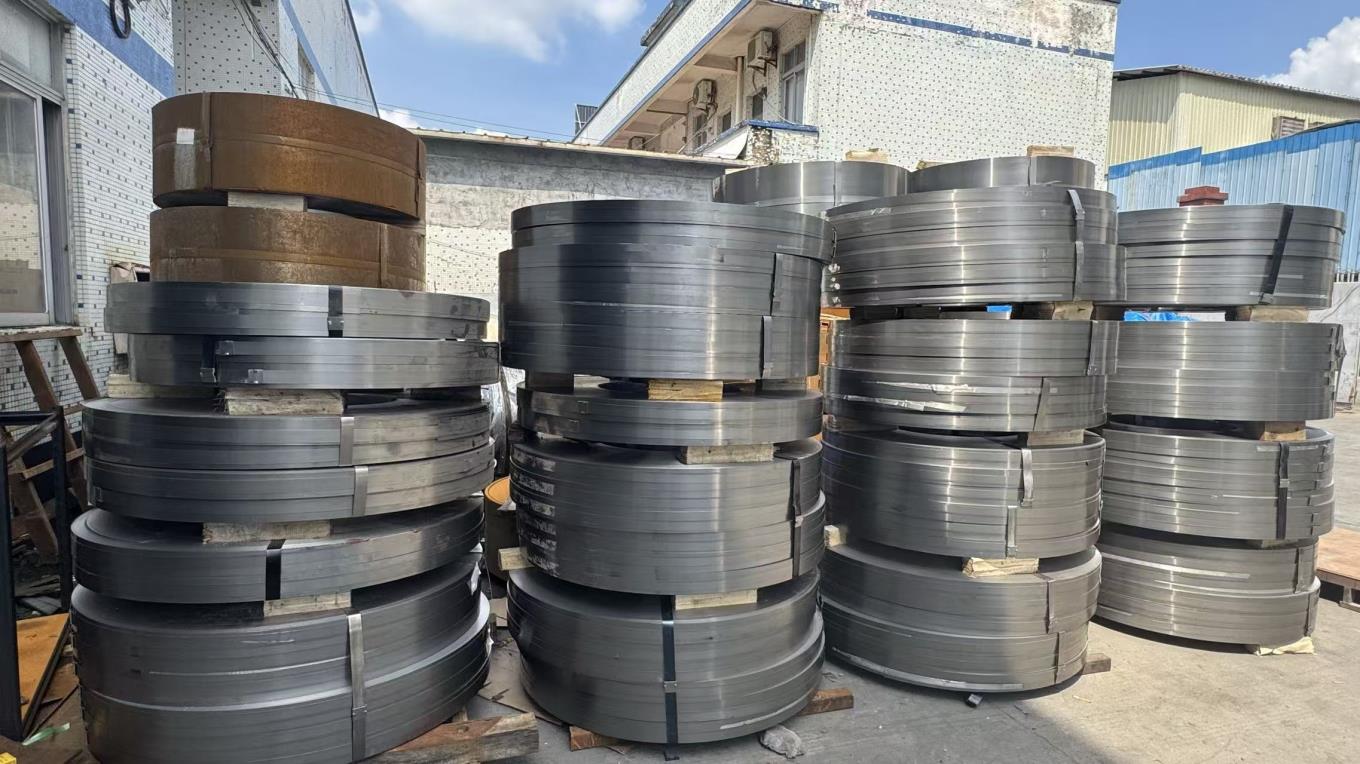
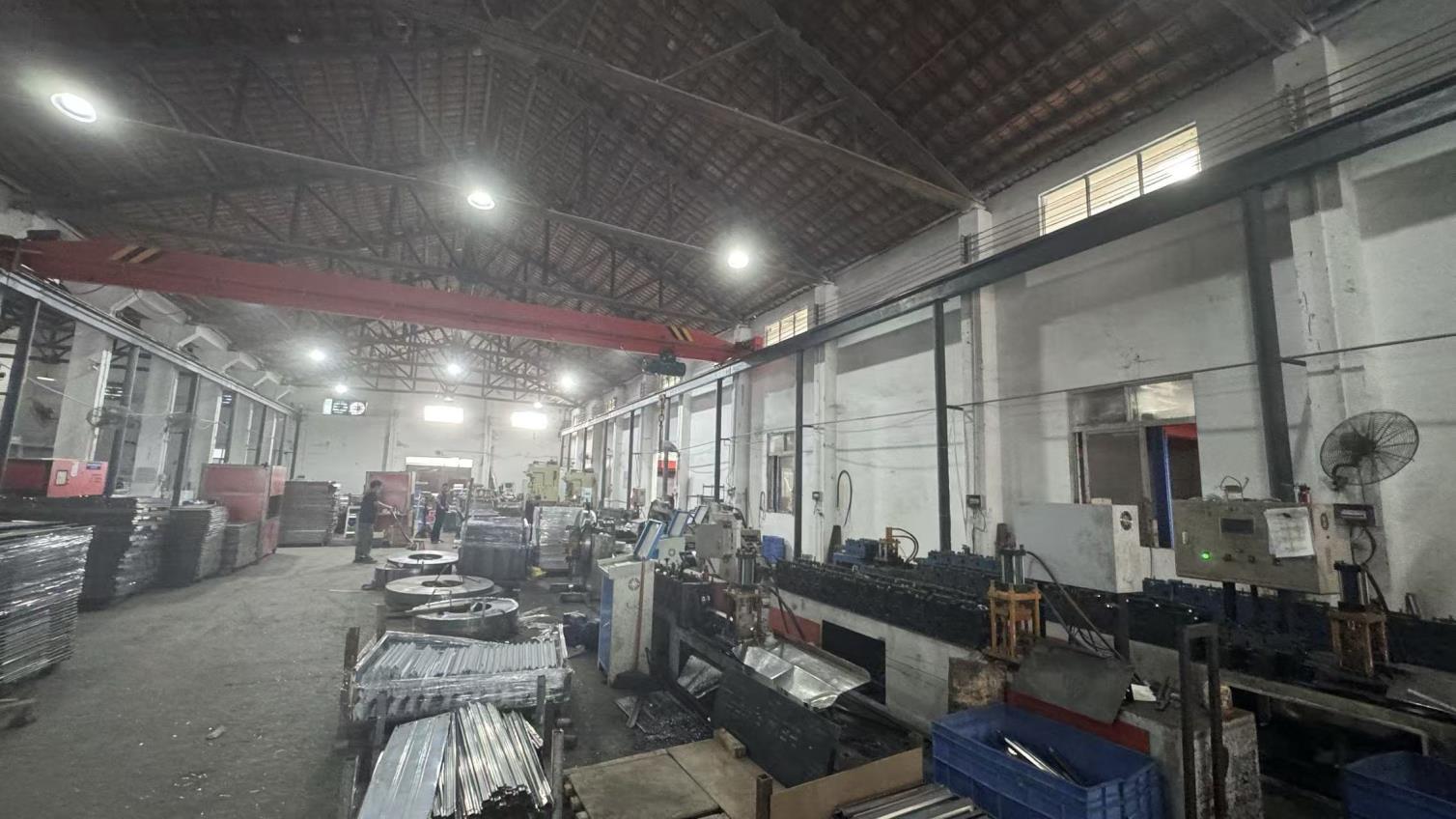
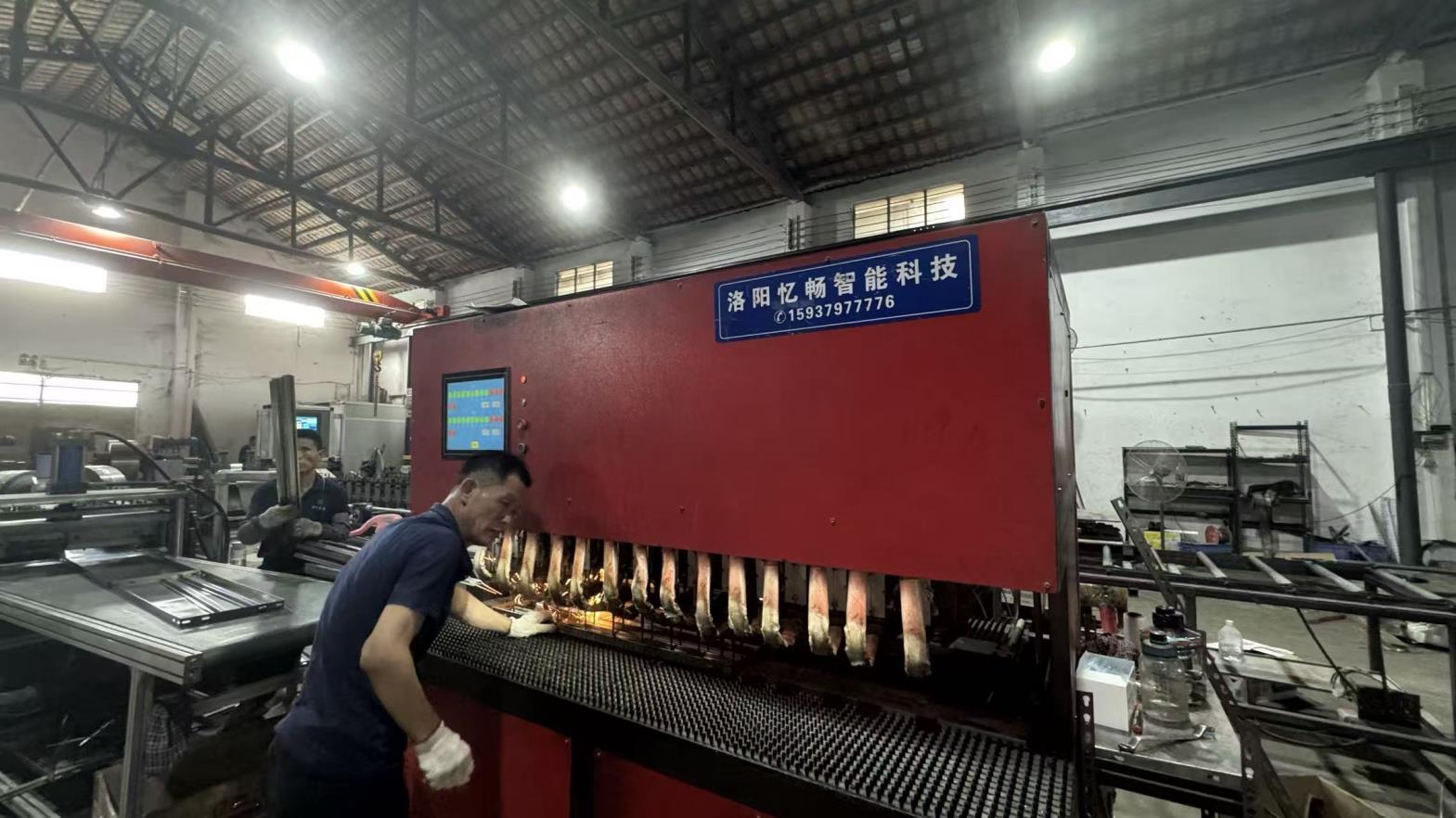
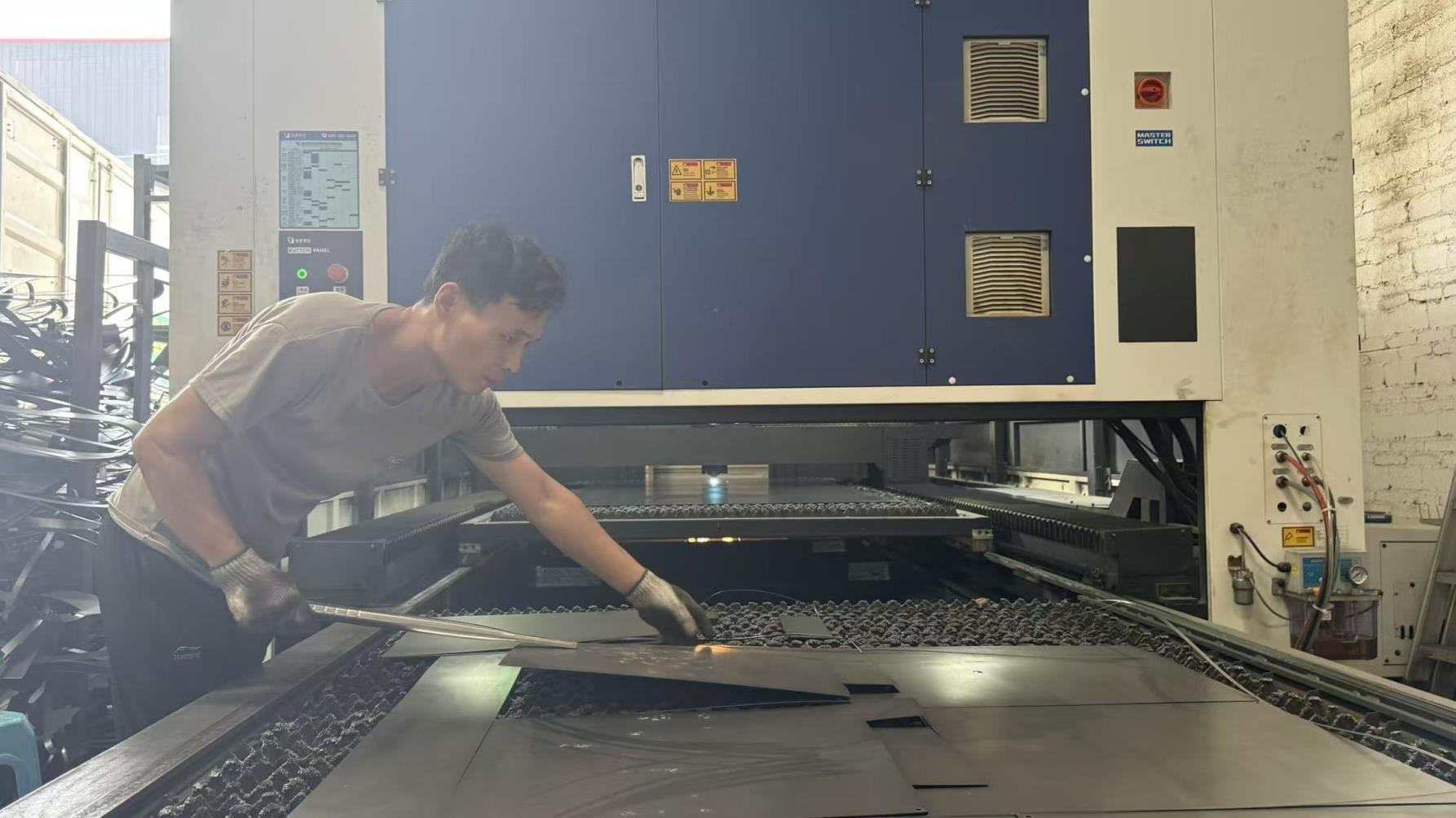
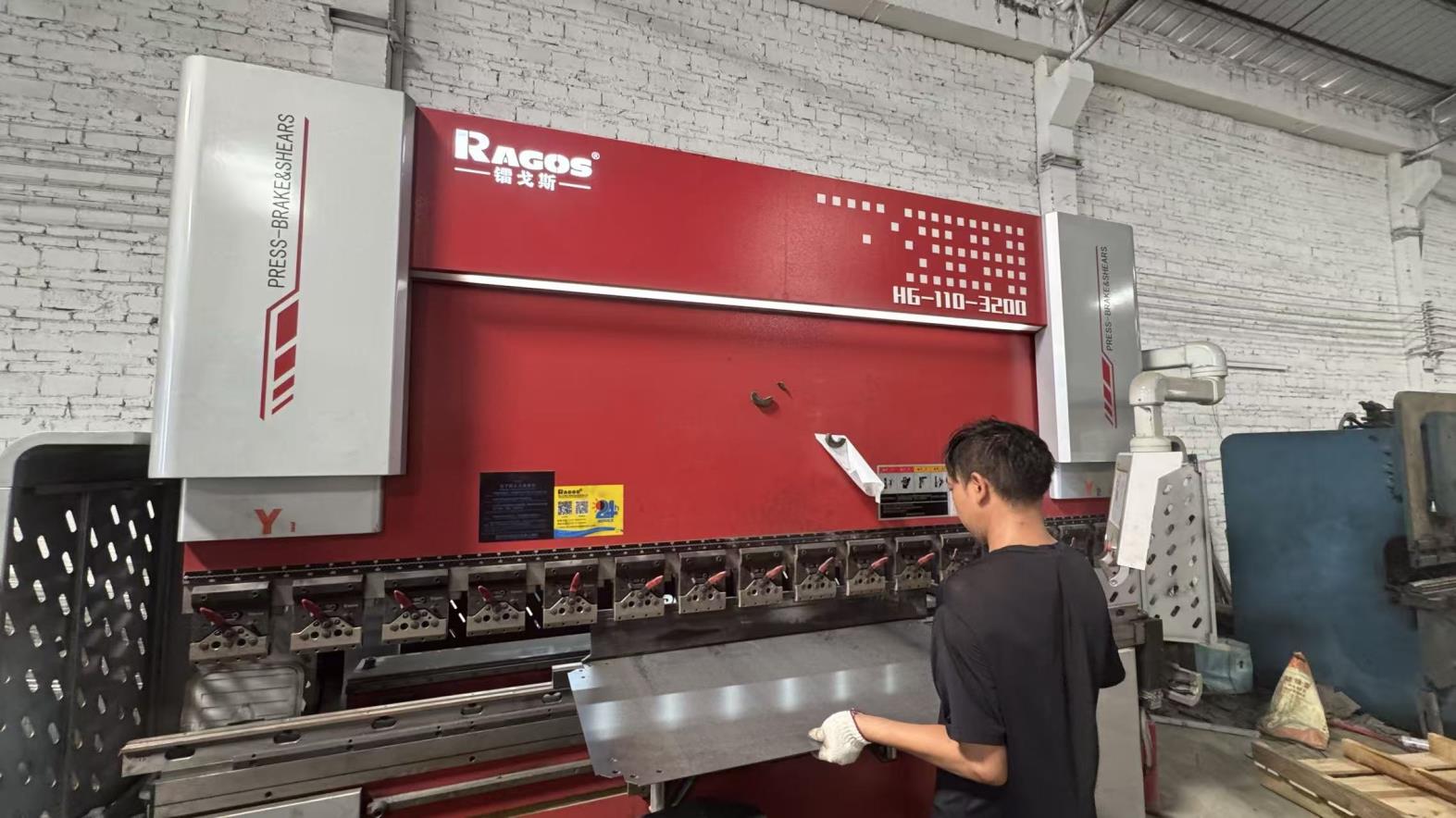
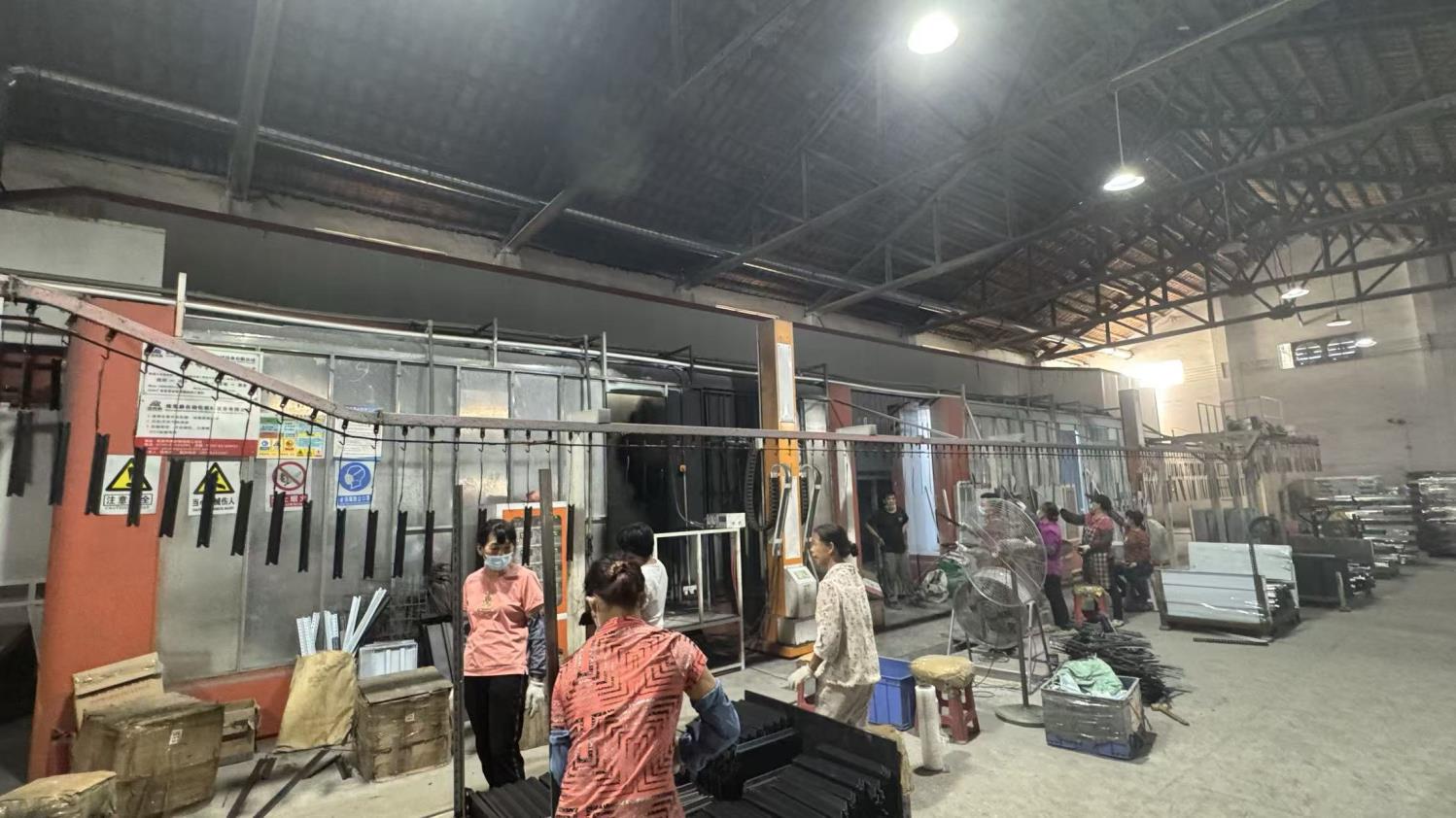
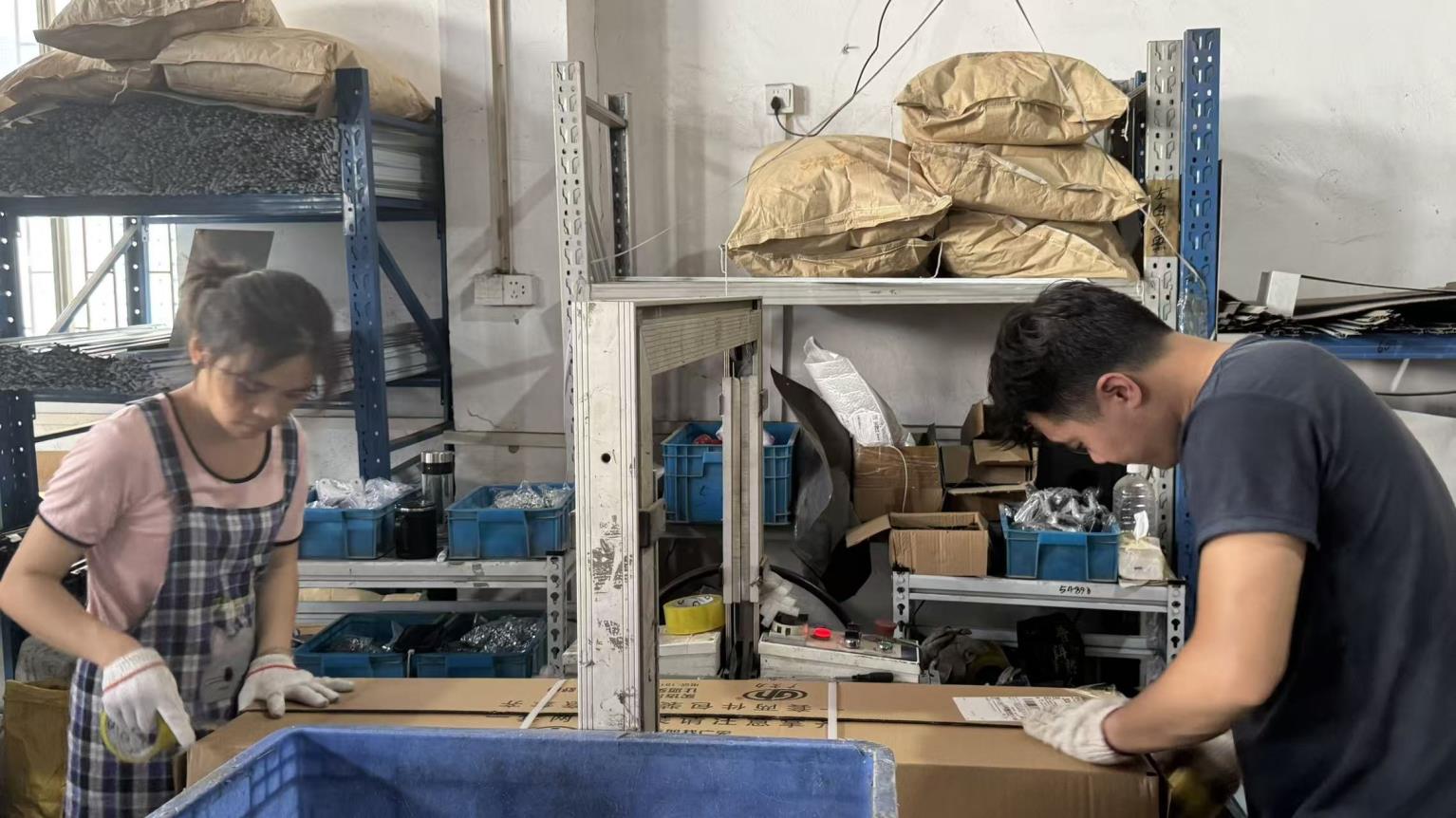
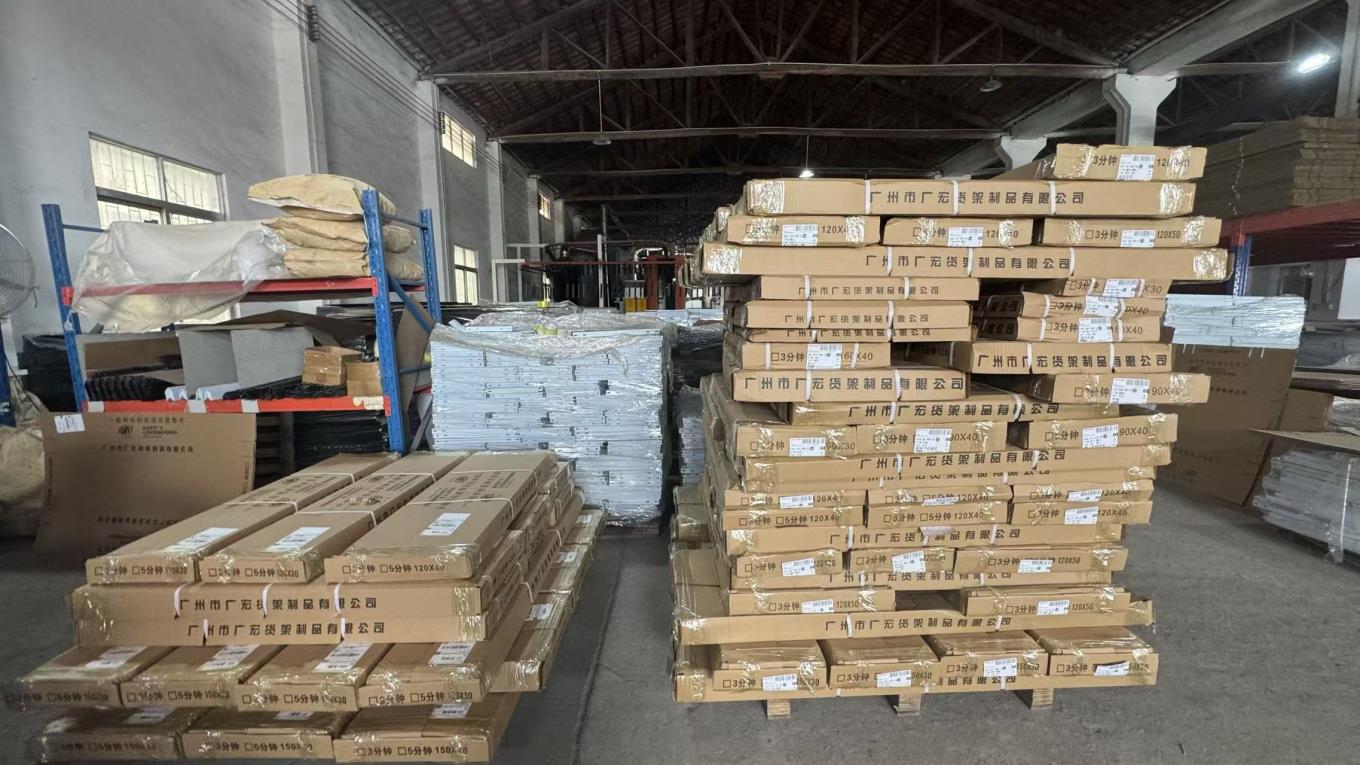
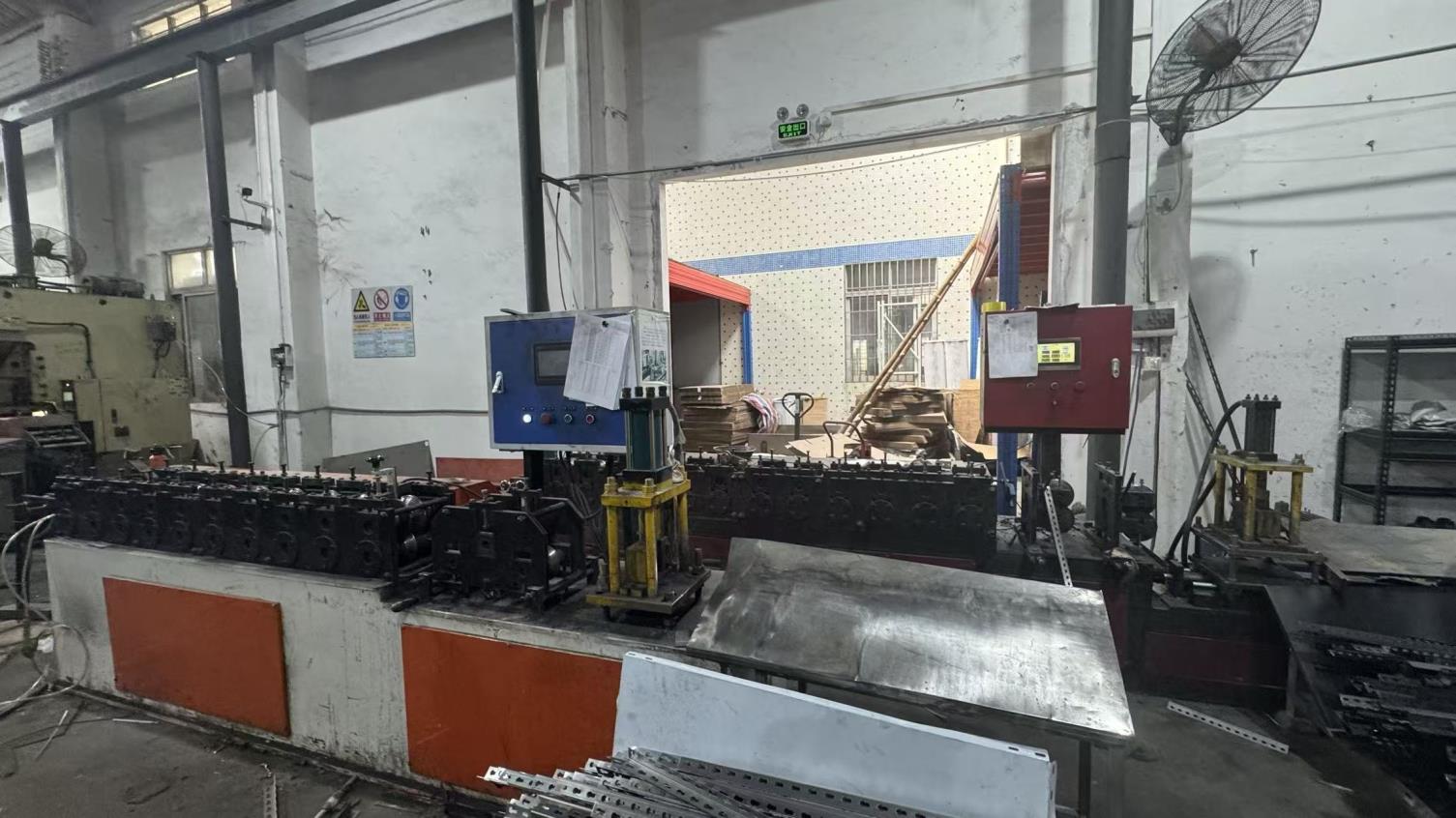
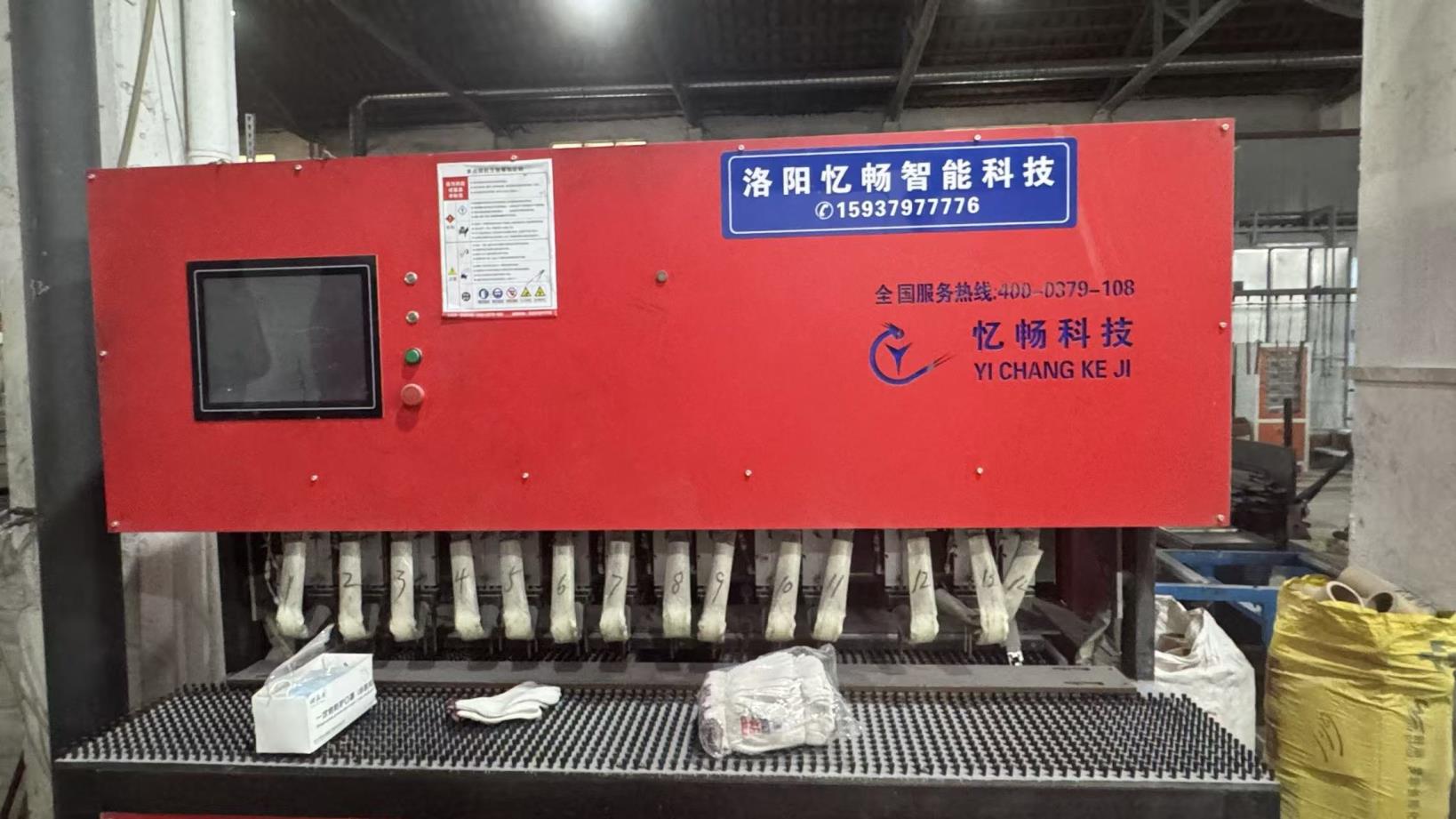
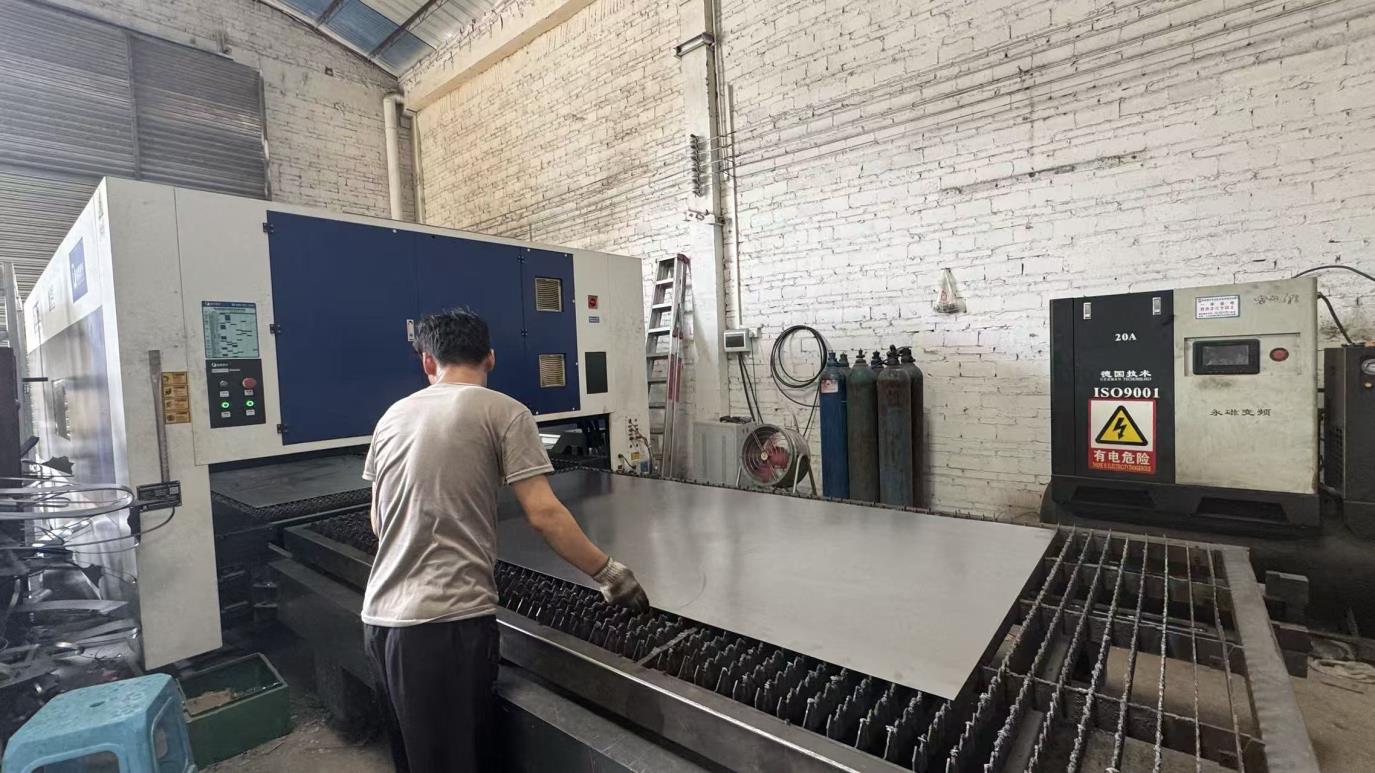
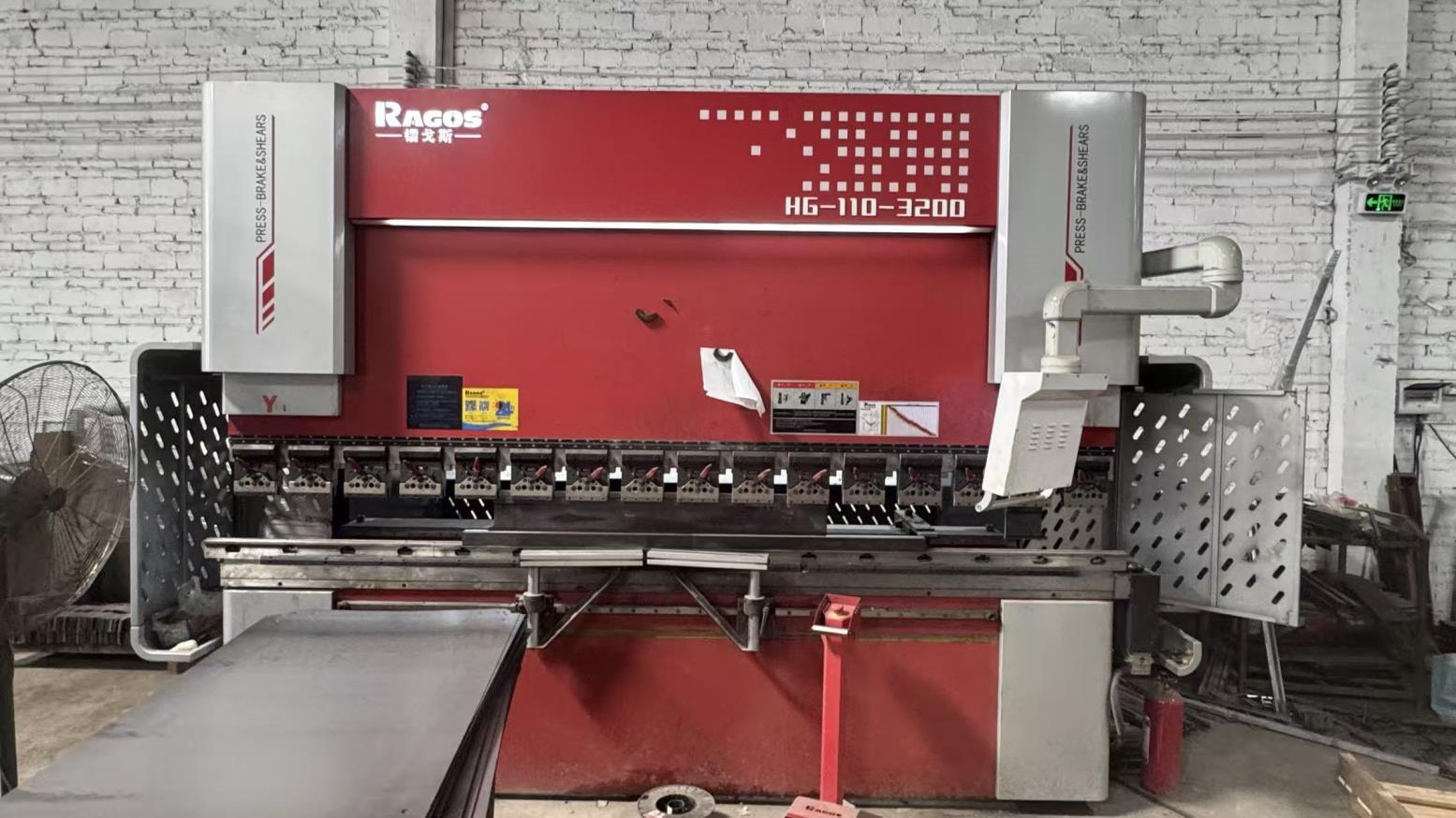
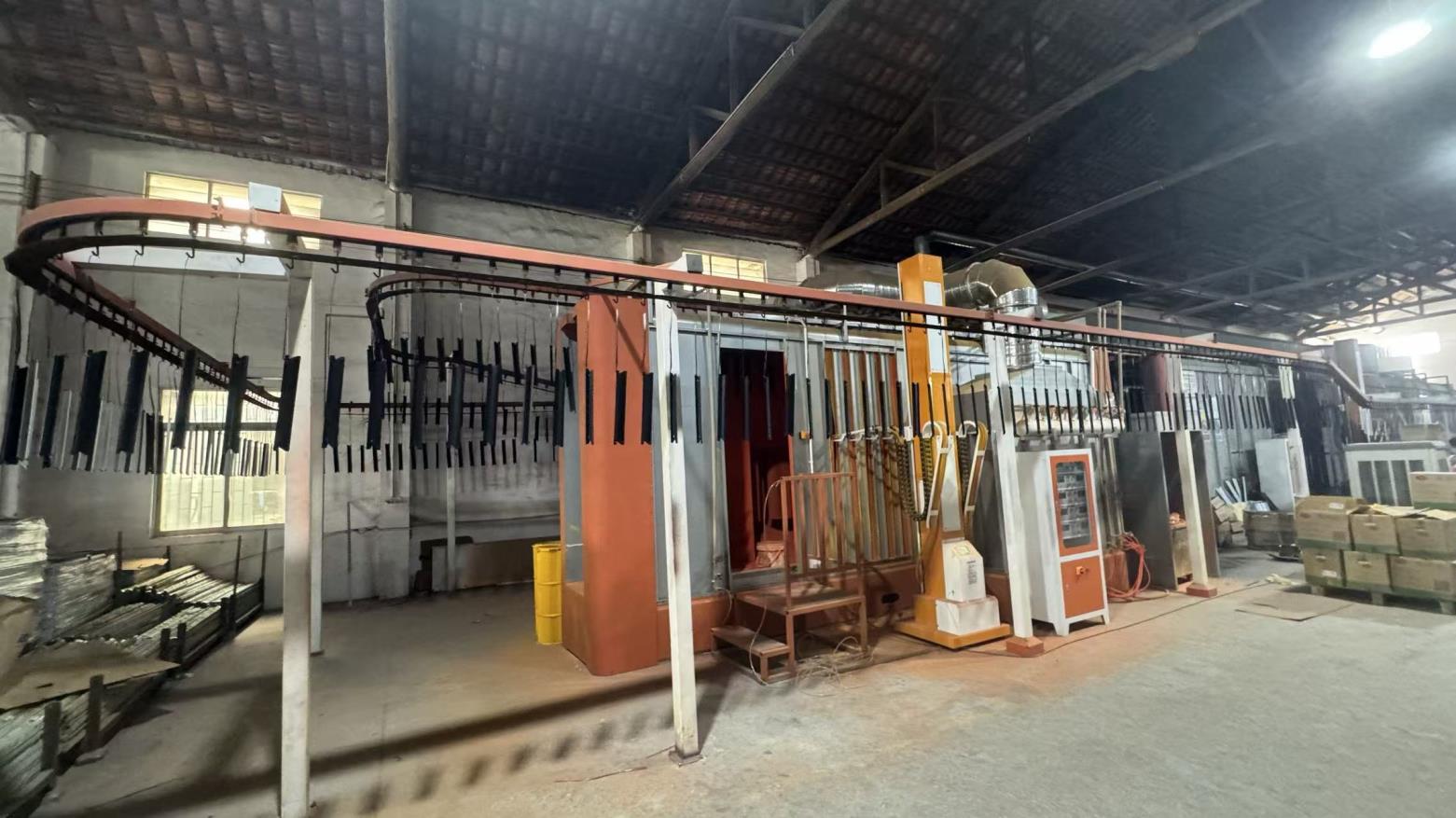
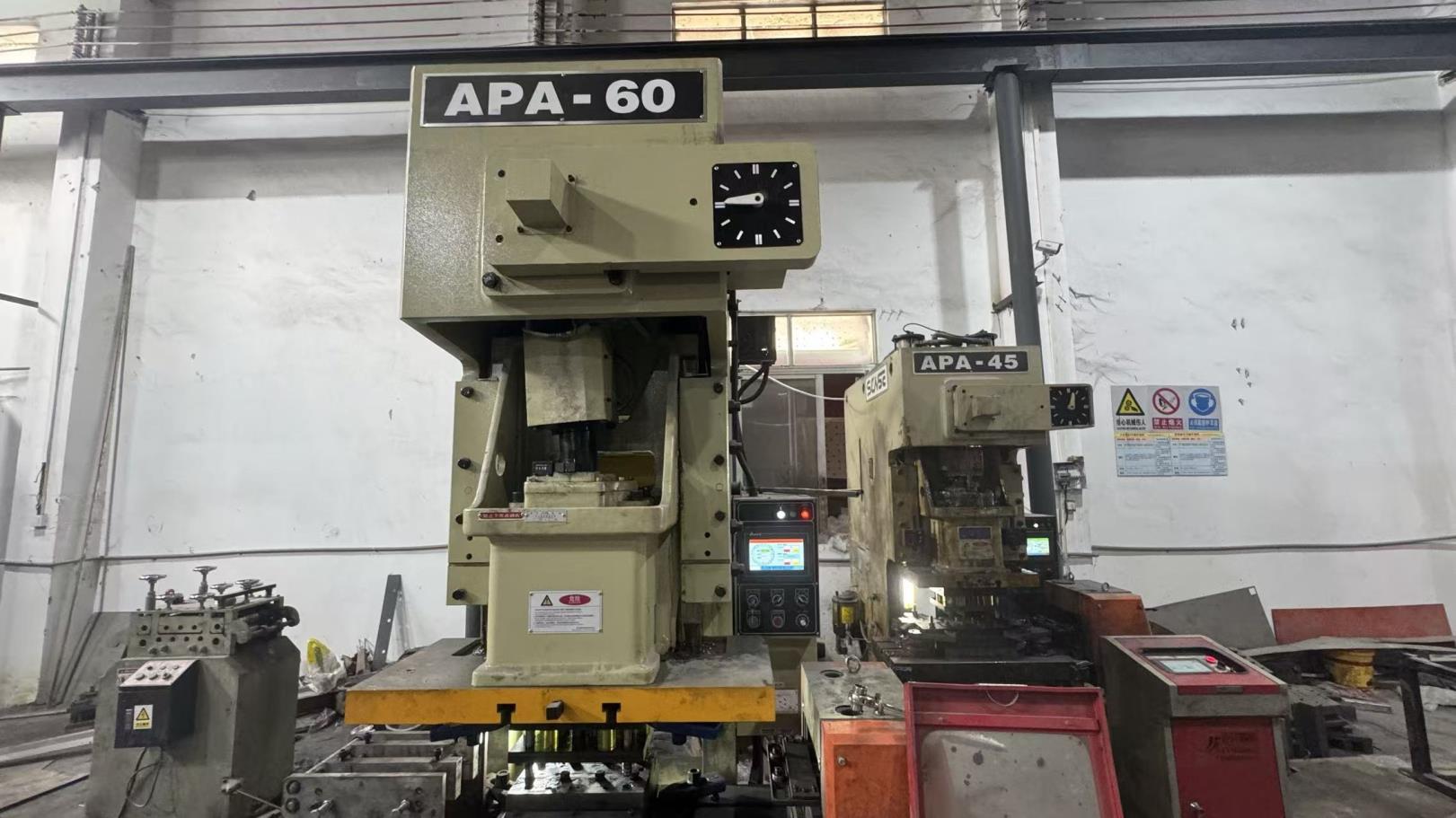
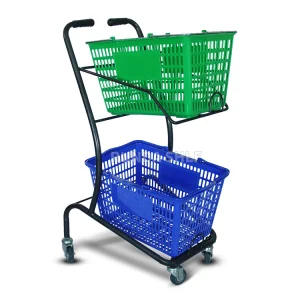
Tested dynamic shelving systems, retail displays, and accessories built for high-throughput operational sites.
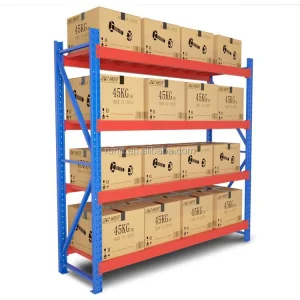
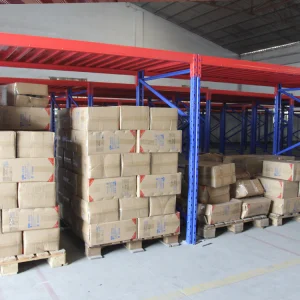
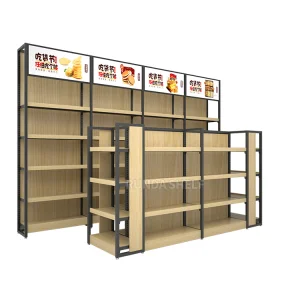
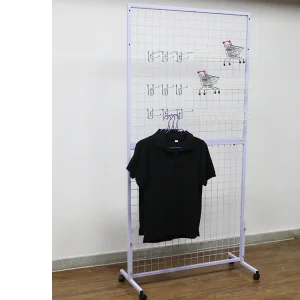
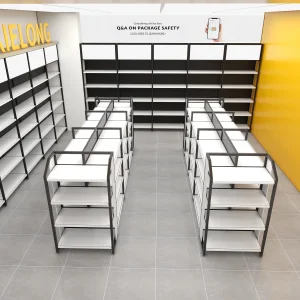
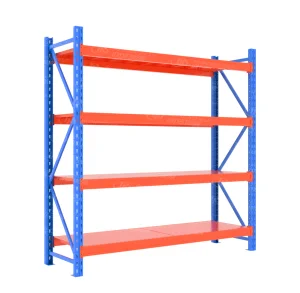
How local fulfillment centers use smart hardware and physical safety protocols to combat spatial constraints.
Modern storage systems are no longer passive steel structures. Modern dynamic inventory practices require the integration of automated components directly into the racking system. Our engineers specialize in designing Radio Shuttle Racking Systems and high-performance AS/RS (Automated Storage and Retrieval Systems) coordinates. By minimizing access aisle space, these technologies increase storage efficiency by up to 80% compared to standard configurations.
Safety is further enhanced by integrating electronic monitoring components. Real-time load indicators and sensor arrays prevent systemic failures caused by operator impact. In high-traffic Boston warehouses where forklift operators are working under strict deadlines, passive safety features like heavy-gauge column protectors, dynamic guide rails, and bright safety yellow powder coating play a vital role. These elements minimize long-term capital losses and safeguard personnel.
Answers to common structural, logistics, and compliance questions regarding heavy-duty storage configurations.
 DeltaStorage