Engineered with heavy-duty structural steel to optimize distribution footprint and guarantee extreme load capacity.
Leading global engineering manufacturer of intelligent high-density structural racking systems.
Established in 2012 near major logistics shipping lanes (Ningbo Port), our expansive modern facility covers a building area of 48,000 square meters. With 14 years of deep-rooted industry experience and 10 years of global export pedigree, we are recognized as a premier designer and manufacturer of advanced storage solutions.
Backed by 82 full-time QA/QC engineers, we enforce strict controls. Our infrastructure is certified under ISO14001, CE, and TUV, implementing spectrographic raw material alloy analysis, automated weld inspections, salt-spray durability weathering simulations, and multi-axis dynamic load test protocols.
Managing an international network spanning North America, Northern Europe, East Asia, and the GCC region, we partner with 1,850+ supply chain nodes. Our 120-member expert R&D team continuously innovates, launching 120 new structural iterations annually, driving an annual export turnover of $45 Million USD.
Analyzing the intersection of logistics infrastructure, regional supply chains, and high-density racking demands.
Hungary has positioned itself as the preeminent logistics gatekeeper and distribution hub of Central and Eastern Europe (CEE). With its strategic geographic layout intersecting major Pan-European transport corridors (Corridors IV, V, X, and VII), the country serves as the primary transit artery bridging East-West supply lines. Over the last decade, Hungary's domestic industrial base has transitioned from traditional assembly manufacturing to complex high-tech production. The massive inflow of Foreign Direct Investment (FDI)—particularly in the automotive, electronics, pharmaceutical, and clean-energy EV battery sectors—has placed unprecedented pressure on industrial warehouse density.
Specifically, the rise of the Hungarian EV battery manufacturing clusters in regions like Debrecen, Győr, and Miskolc has catalyzed a logistical shift. Gigafactories and their tiers of upstream component suppliers require expansive, climate-controlled raw-material and finished-product storage facilities. In these environments, real estate space is premium, and energy costs for climate-regulated storage are exceptionally high. Traditional selective pallet racking, while flexible, fails to provide the volumetric efficiency required to make these operations cost-effective. Consequently, Hungarian operators are heavily transitioning towards high-density configurations, with Drive-In Racking systems leading the charge.
Industrial development in Budapest’s metropolitan ring (including logistics hotspots such as Biatorbágy, Szigetszentmiklós, and Fót) faces mounting land constraints. With land acquisition costs rising and urban municipal zoning laws tightening, industrial designers can no longer expand warehouse footprints horizontally. Optimization must occur vertically and spatially. Drive-In racking systems present the ideal engineering solution here, eliminating standard access aisles to compress storage footprints. This allows storage capacities to expand by up to 75% compared to conventional racking layouts within identical warehouse envelopes.
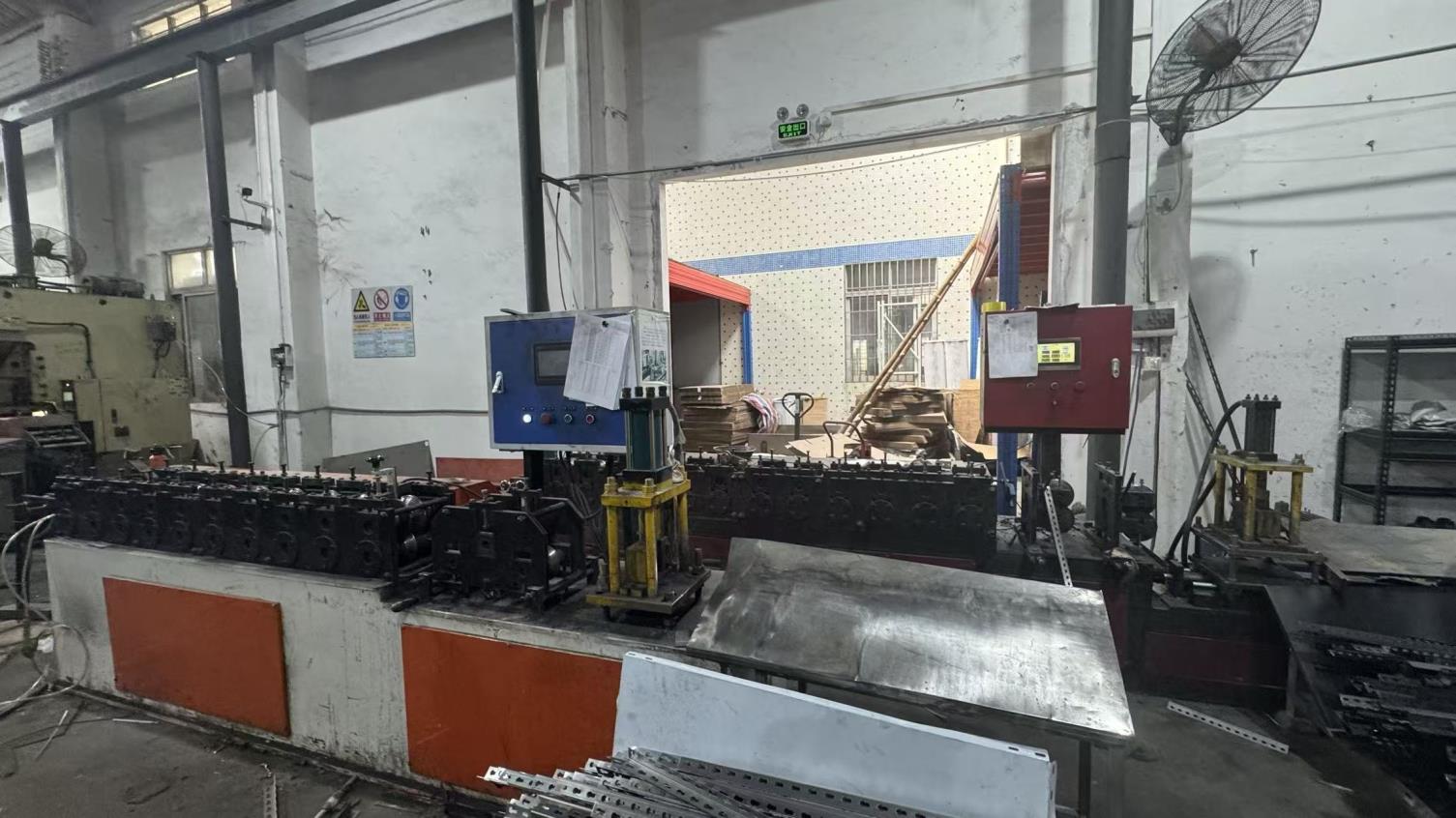
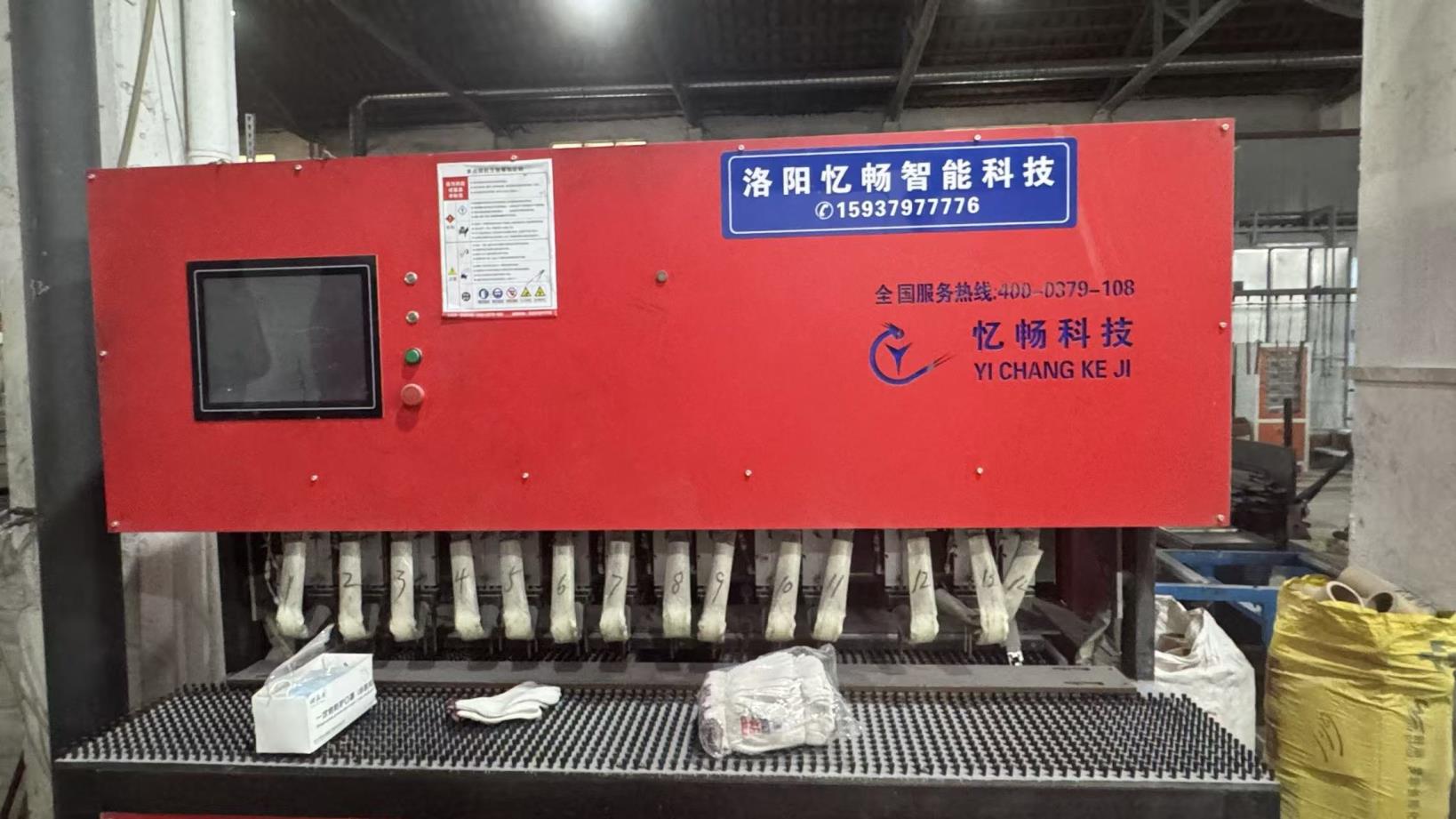
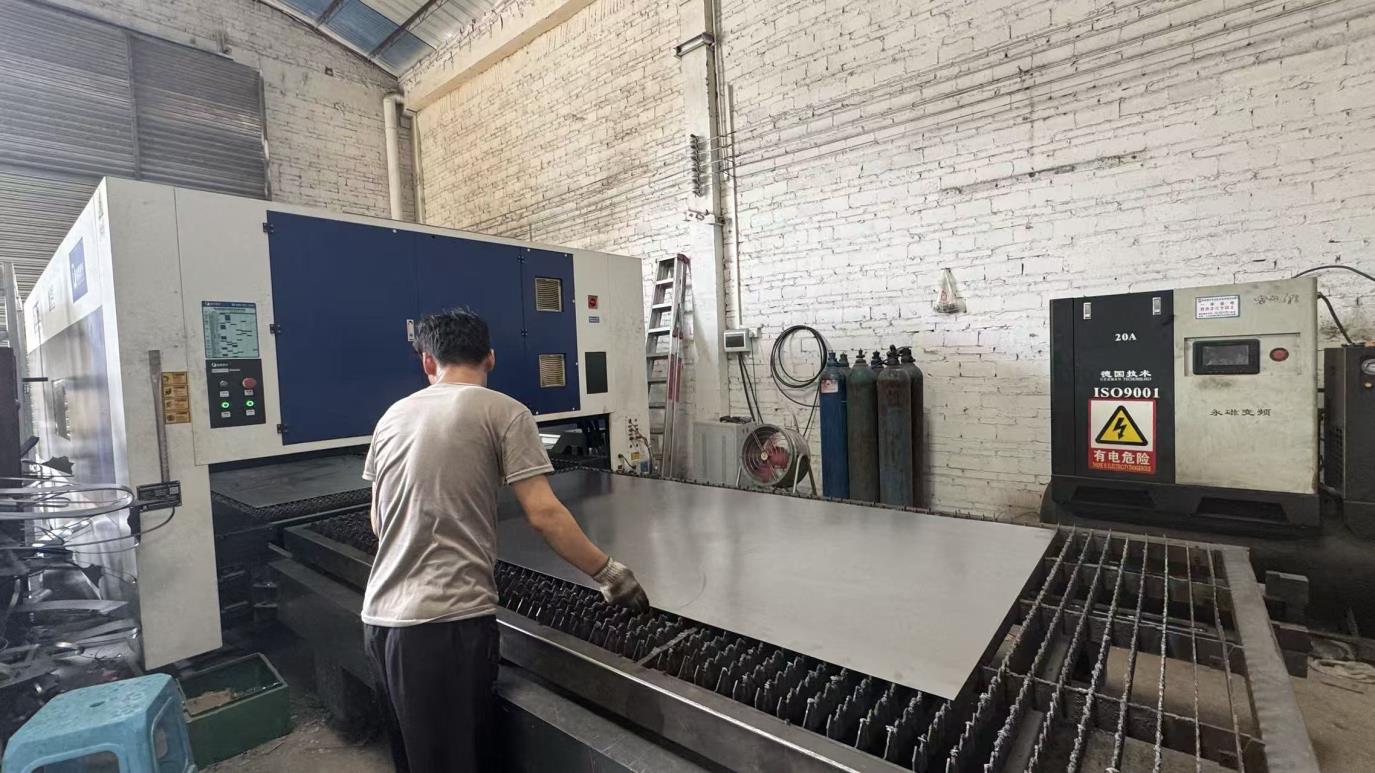
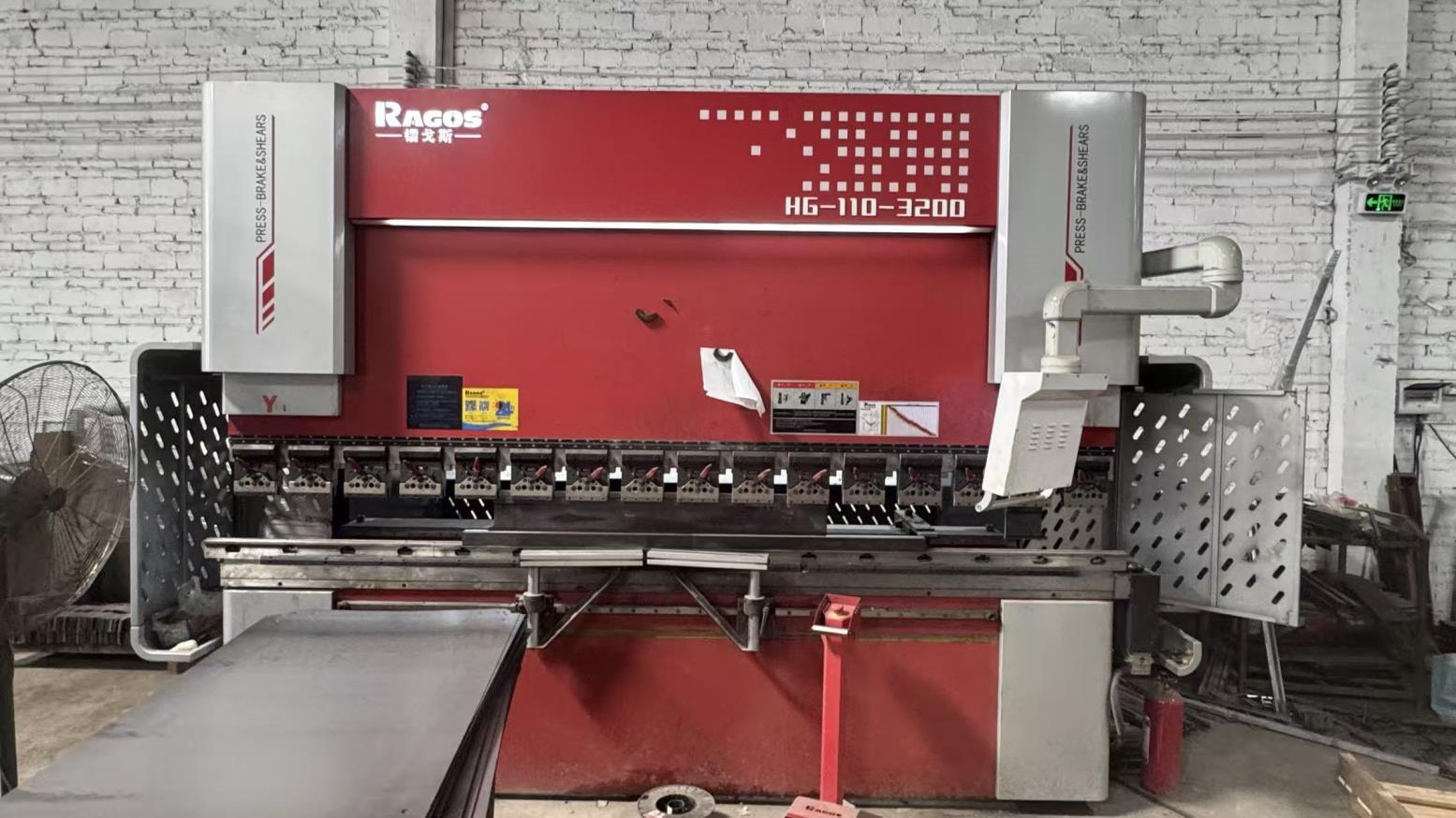
Our heavy-duty racking structural components undergo a series of precision engineering steps to ensure ultimate durability.
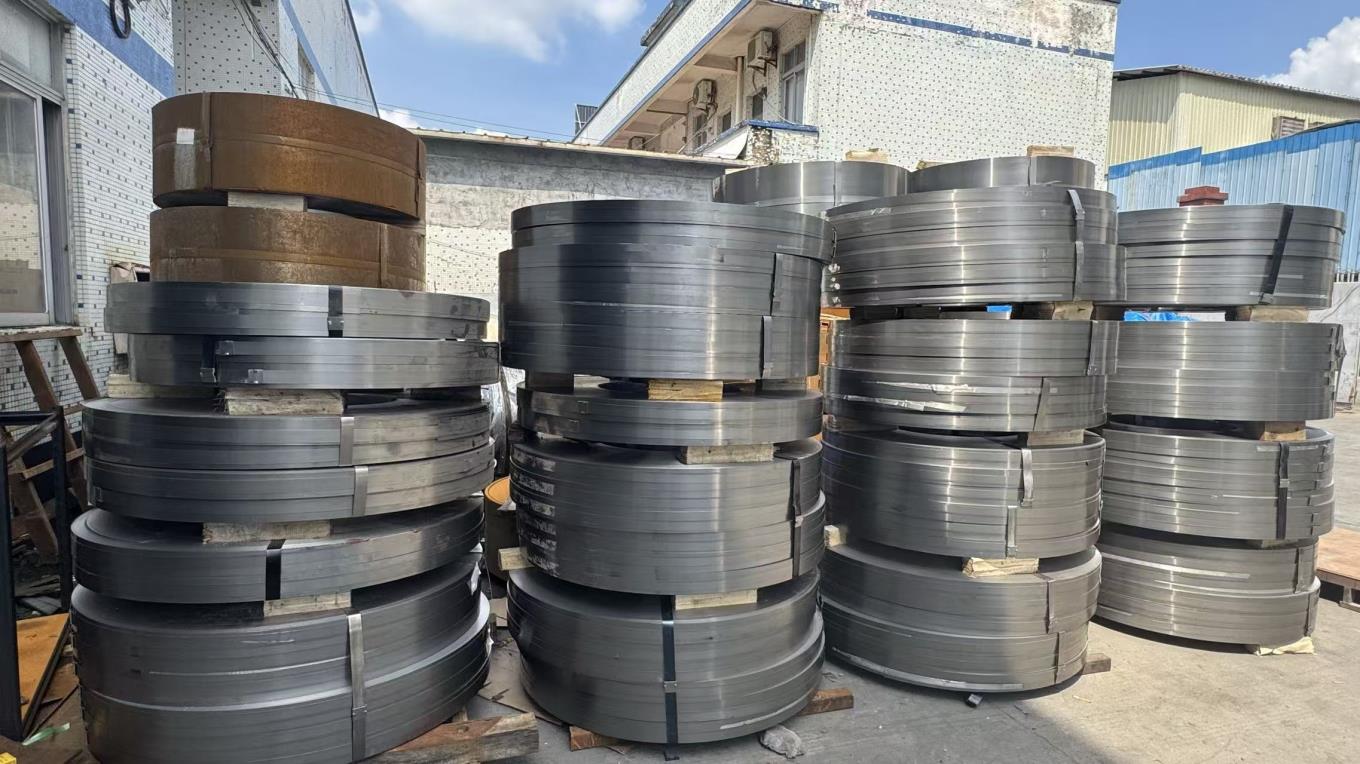
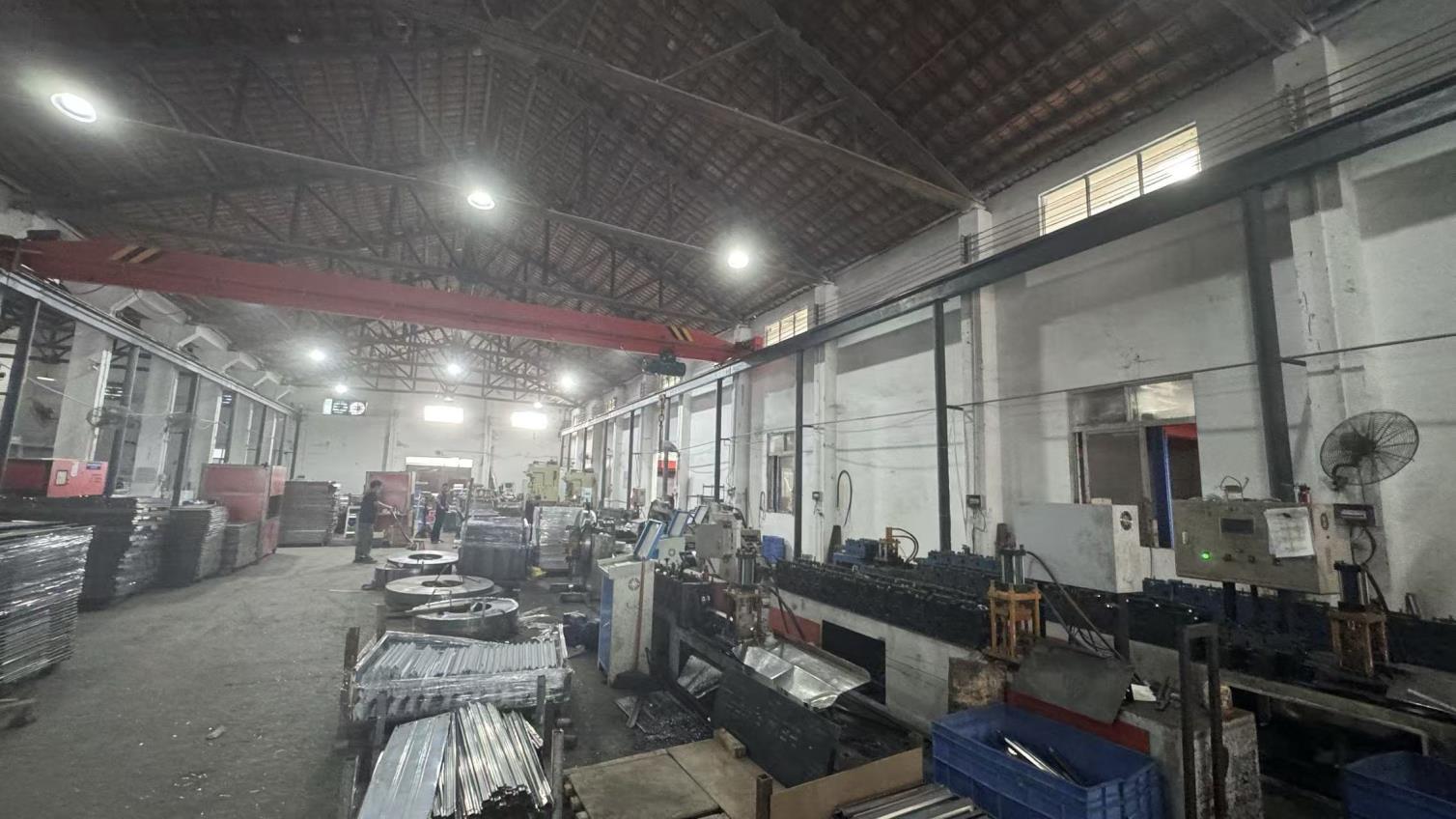
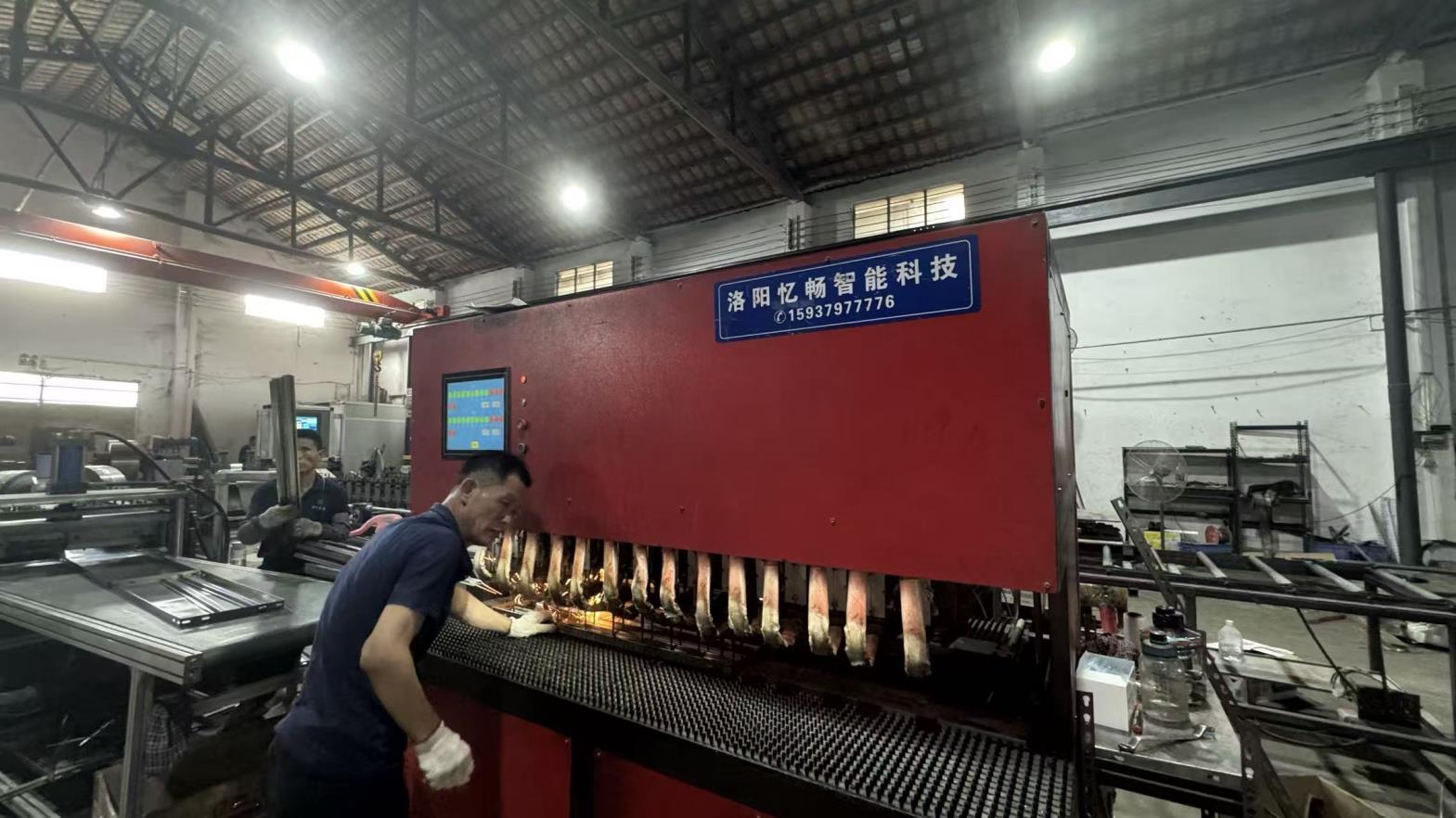
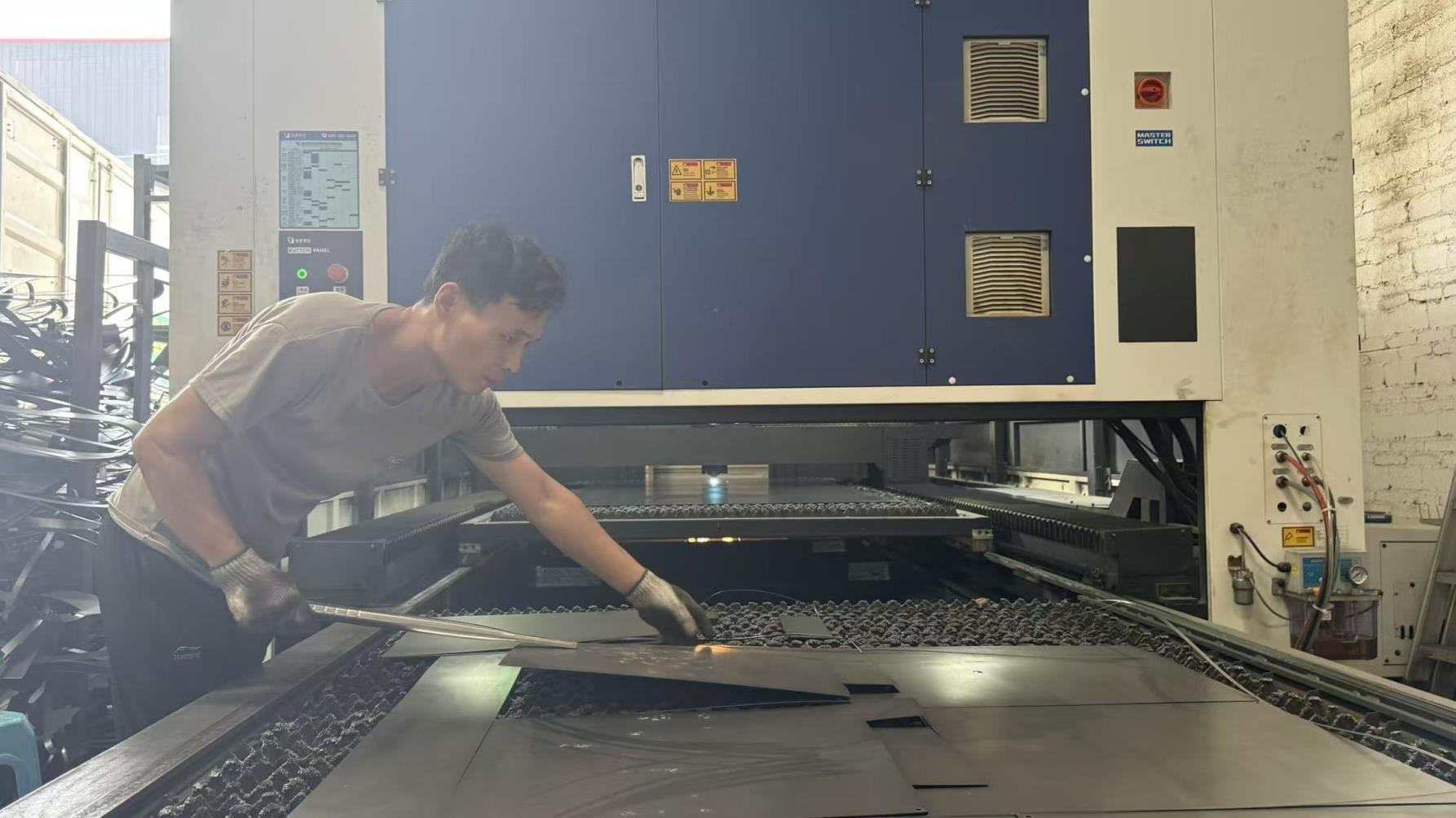
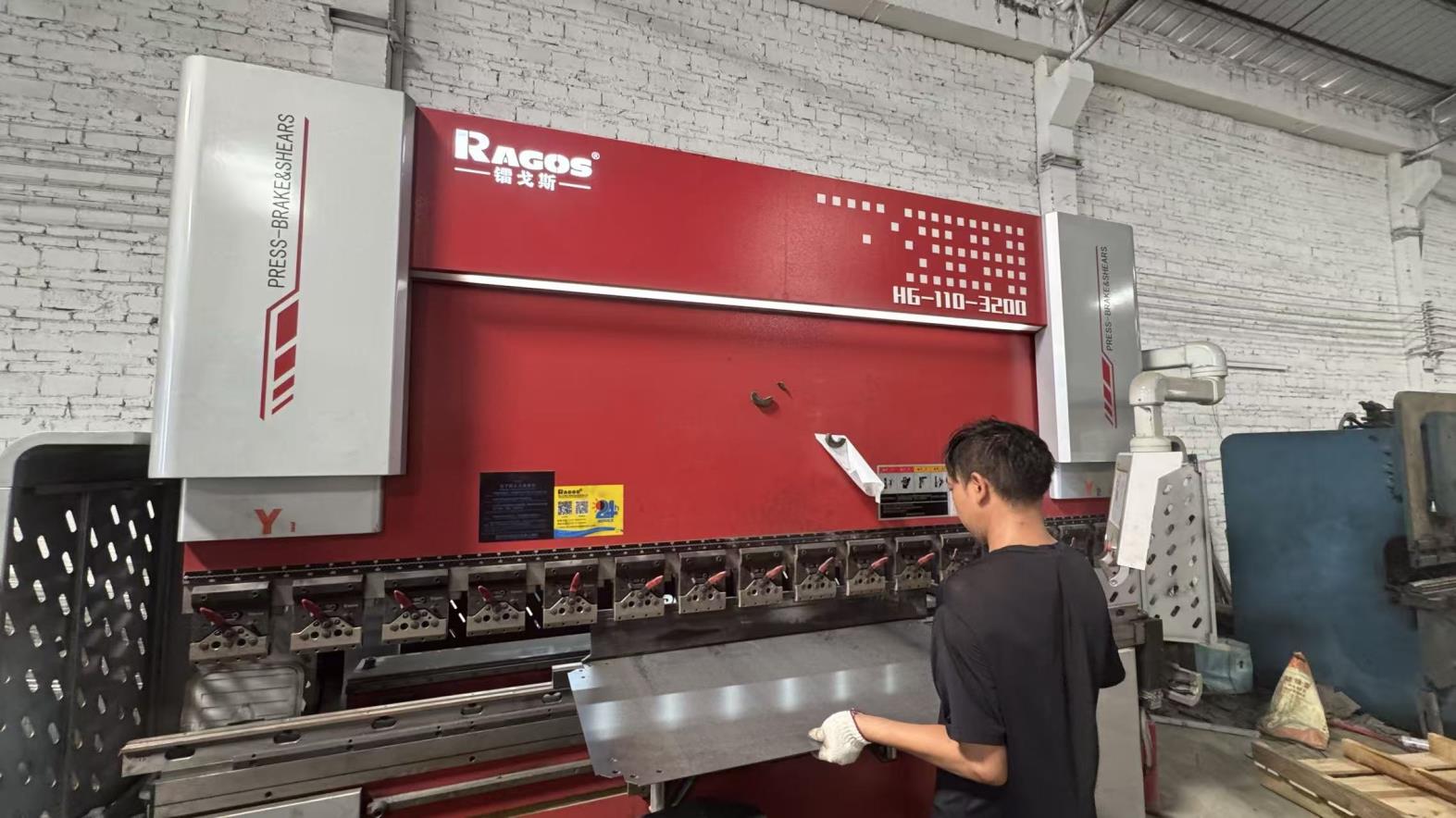
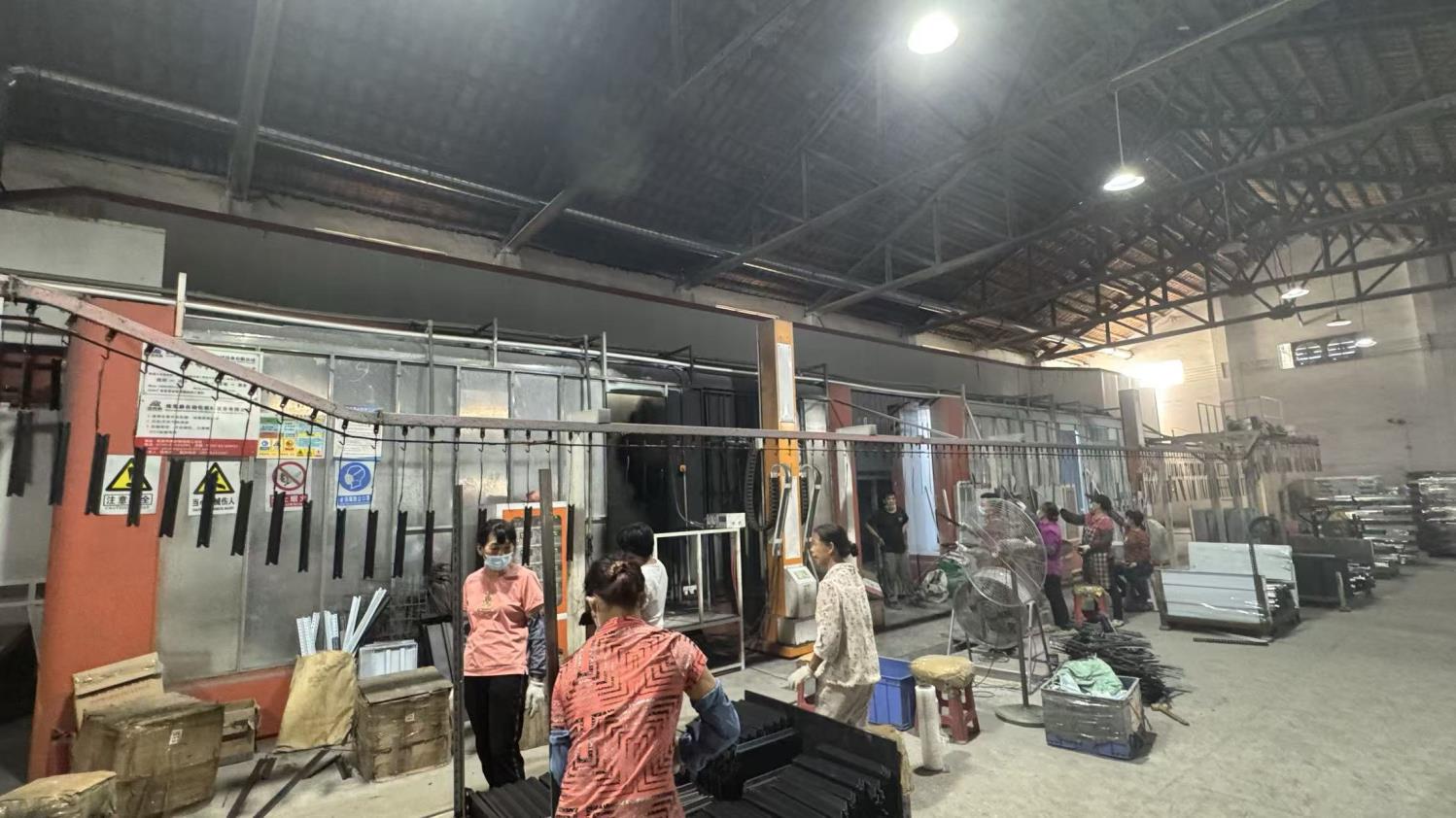
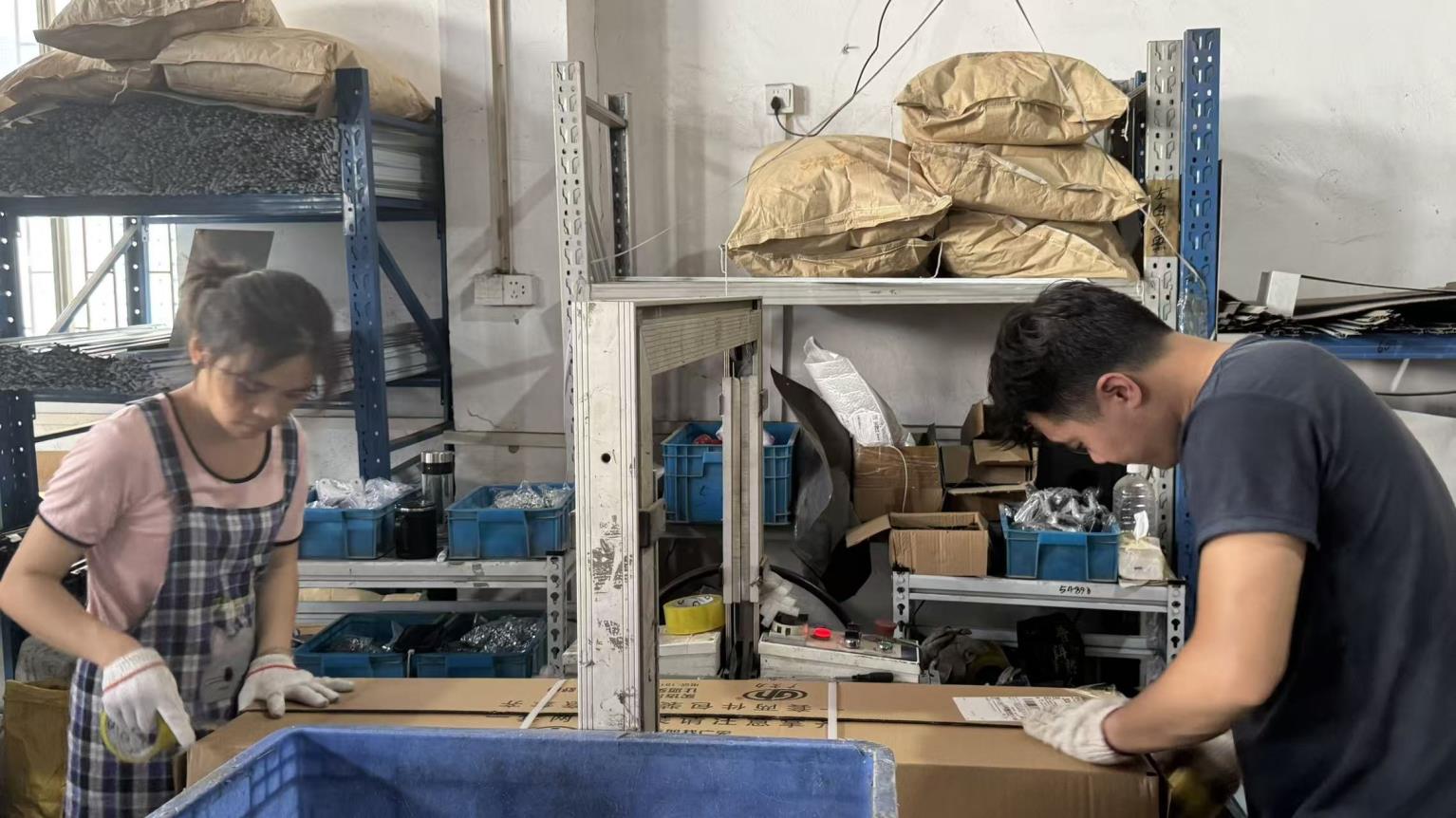
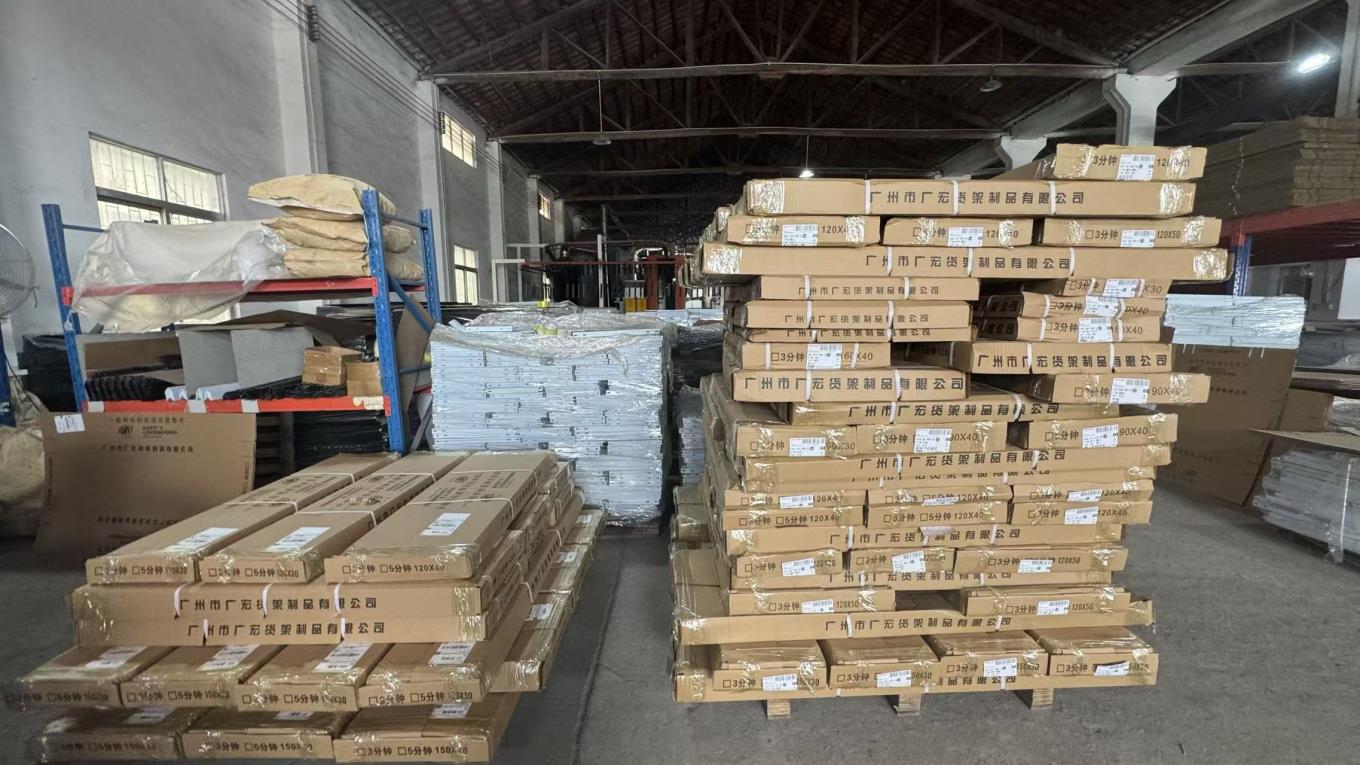
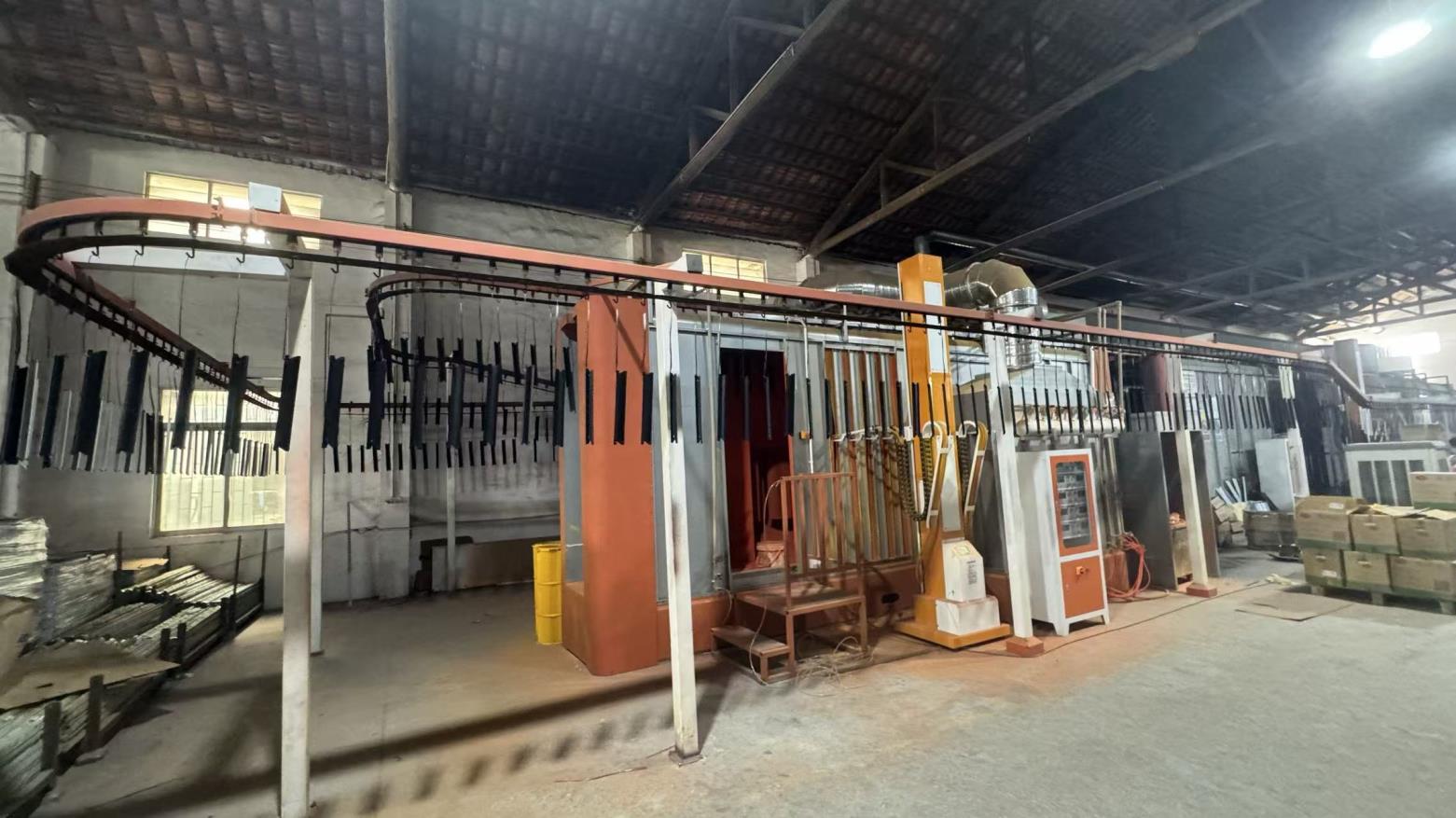
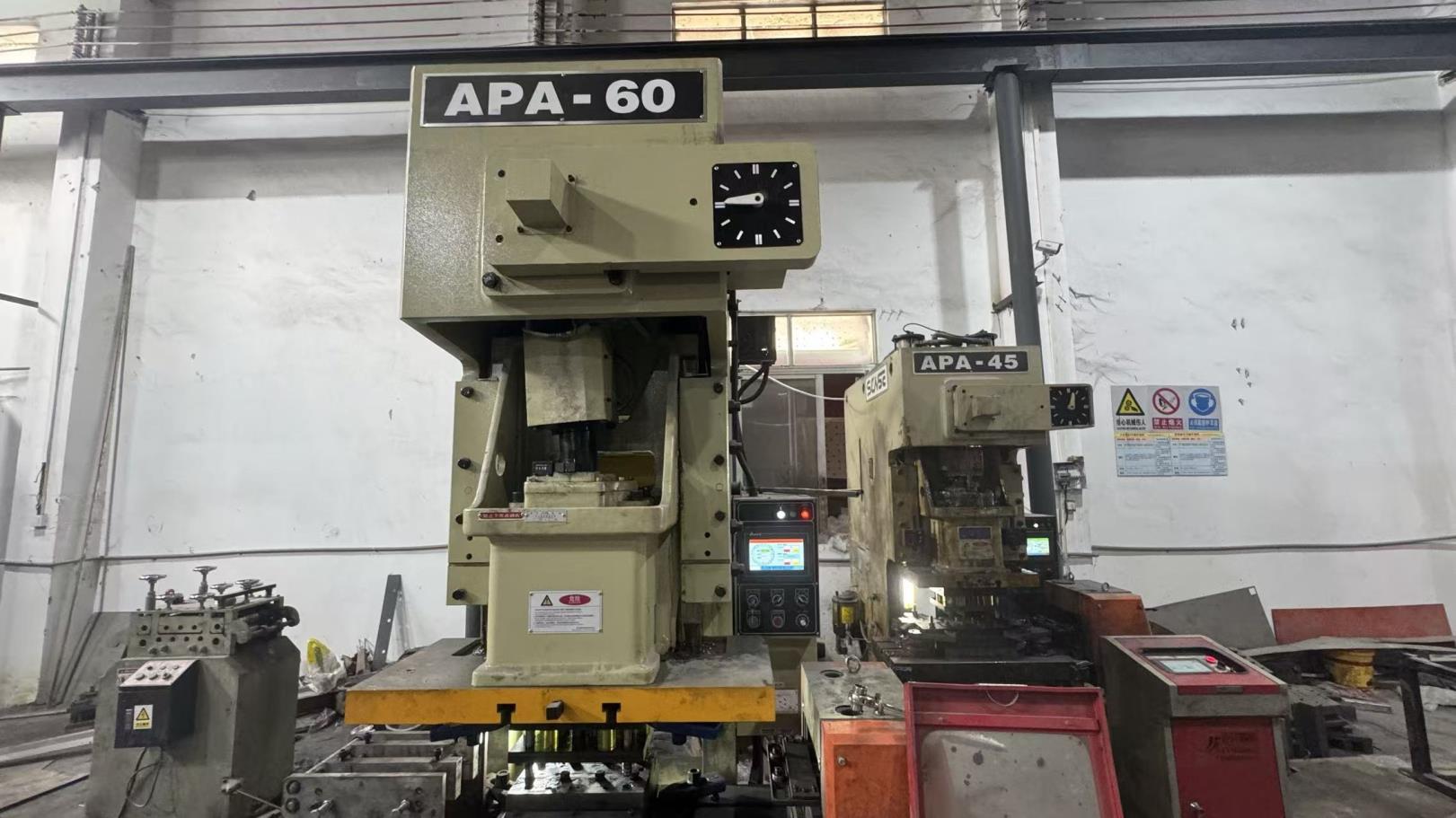
A deep dive into high-density storage design, engineering principles, and global procurement trends.
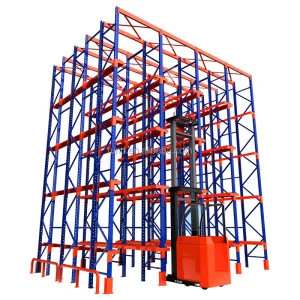
Drive-In Racking operates on a LIFO (Last-In, First-Out) or, when configured as a double-access Drive-Through, a FIFO (First-In, First-Out) material flow principle. Forklifts drive directly into the internal lanes of the racking block to deposit or retrieve pallets on continuous support rails. This eliminates the necessity of dedicated operating aisles for every row, allowing systems to utilize up to 85% of the total warehouse space volume. Structurally, the system consists of three primary components:
| Design Parameters | Standard Specifications | Safety Certification Standards |
|---|---|---|
| Upright Section Widths | 80mm, 90mm, 100mm, 120mm (Thickness up to 3.0mm) | EN 15512 (European Racking Code) |
| Standard Pallet Capacities | 500kg to 1,800kg per pallet location | FEM 10.2.07 (CE Certified Design) |
| Surface Treatment | Electrostatic Epoxy Powder Coat or Hot-Dip Galvanized | ISO 1461 (Corrosion Protection) |
| Bay Configurations | 2 to 10 Pallets Deep / Up to 6 Pallets High | TUV Rheinland Load Certification |
Cold storage is one of the most energy-intensive sectors within global supply chain logistics. In Hungary, cold-chain distributors face fluctuating energy prices. Optimizing the volumetric efficiency of a refrigerated warehouse directly minimizes the energy cost per pallet location. Drive-In racking is uniquely suited for cold storage. By condensing the spatial envelope of stored products, it reduces the total air volume that must be continuously chilled. Our industrial systems are engineered with specialized low-temperature alloy steels that prevent low-temperature embrittlement, ensuring safety and reliability down to -30°C.
For Hungarian businesses and global logistics firms establishing operations within Central Europe, compliance with local European standards is mandatory. All DeltaStorage installations adhere strictly to the EN 15512 structural design standard, which governs the calculation, testing, and safety limits of steel static storage systems. Additionally, we integrate dynamic safety options, including heavy-duty floor-mounted guide rails, column protectors, and rear structural backstops to minimize forklift impact risks and ensure a safe working environment.
Driving the next generation of high-density warehouse automation and intelligent IoT integration.
The warehousing sector is undergoing a massive paradigm shift towards automated material handling. While manual drive-in racking remains a cost-effective, high-density solution, the integration of automation represents the future. DeltaStorage is at the forefront of this evolution, designing systems that bridge the gap between static racking and fully automated smart warehouses.
For operations requiring higher throughput, we offer a seamless technological upgrade path: integrating semi-automated Radio Shuttle carts into the drive-in structure. Instead of forklifts entering the racking lanes, a remote-controlled shuttle runs on the support tracks to transport pallets deep into the system. This transition dramatically increases material handling speeds, eliminates the potential for forklift-frame collisions, and allows LIFO/FIFO conversion without modifying the core racking upright structure.
As part of our commitment to safety and innovation, we are co-developing IoT-enabled smart racking systems. By deploying high-precision strain gauge sensors and MEMS accelerometers on critical structural components, warehouse managers receive real-time structural health alerts. This allows for early detection of overloaded bays or structural damage caused by forklift impacts, preventing catastrophic rack failures and facilitating predictive maintenance schedules.
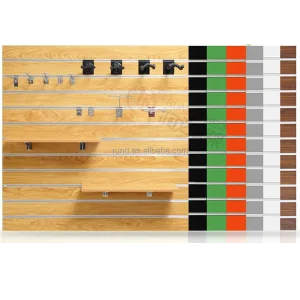
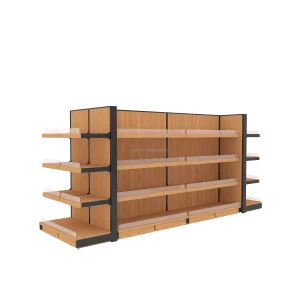
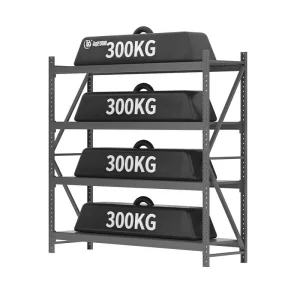
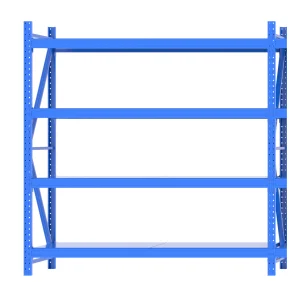
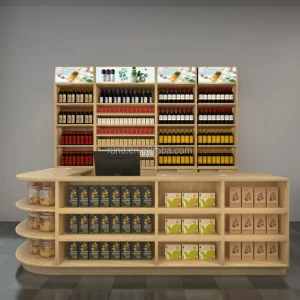
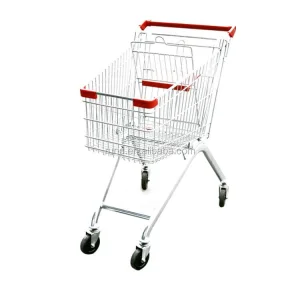
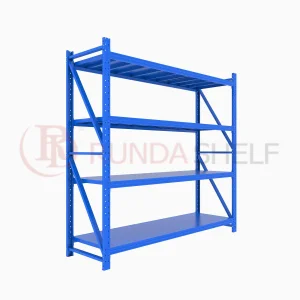
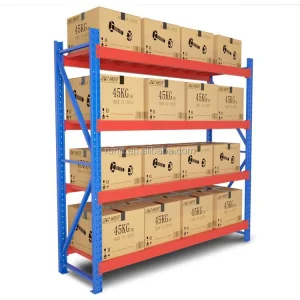
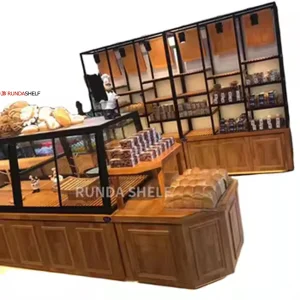
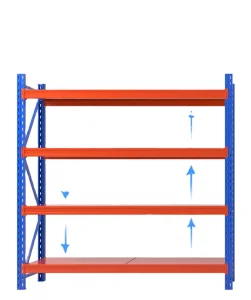
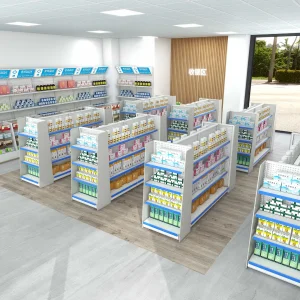
A comprehensive range of retail displays, heavy-duty shelving, and warehouse solutions optimized for regional distribution.
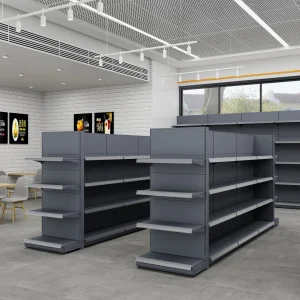
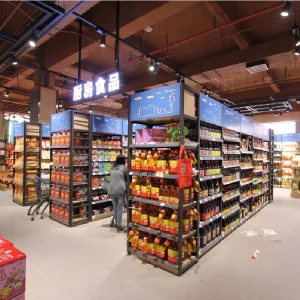
Addressing the critical procurement, technical, and engineering inquiries of logistics operations in Hungary.
All our industrial drive-in racking designs, structural engineering calculations, and load-capacity test methods are certified in accordance with the EN 15512 and FEM 10.2.07 European regulatory standards. This compliance ensures complete legality, structural reliability, and certification safety for operational facilities across Hungary and the broader CEE region.
Yes. Our structural uprights and pallet support rails are designed with custom geometry compatibility that allows for smooth transition and integration with automated Radio Shuttle carts. This allows you to upgrade your system from a standard manual drive-in layout to a semi-automated high-throughput shuttle layout without altering the major structural frames.
We employ a team of 82 full-time quality assurance engineers who conduct spectrographic raw material alloy analysis, automated optical weld seam inspection, continuous salt-spray weathering simulation, and multi-axis dynamic load durability testing. This guarantees that each upright frame, rail, and connection bracket can withstand peak stress loads without structural deformation.
Drive-in racking eliminates unnecessary forklift travel aisles, utilizing up to 85% of the warehouse volume. By packing pallets into a high-density footprint, it decreases the volume of ambient air inside cold chambers. This significantly reduces refrigeration power consumption, delivering long-term operational cost savings for cold-chain centers in regions like Budapest and Debrecen.
 DeltaStorage