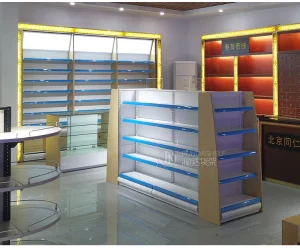
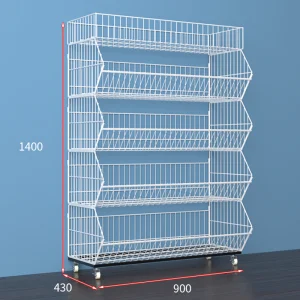
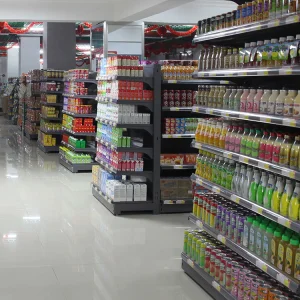
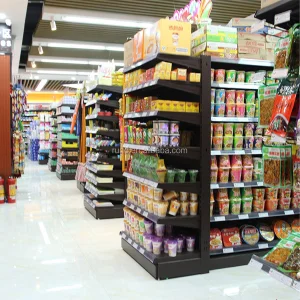
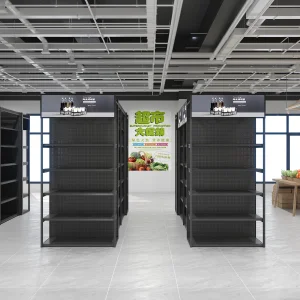
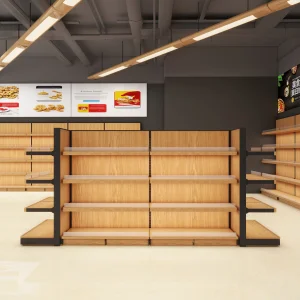
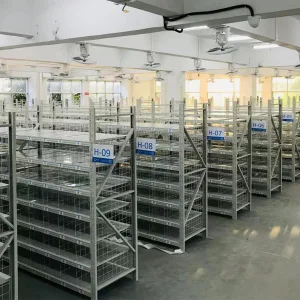
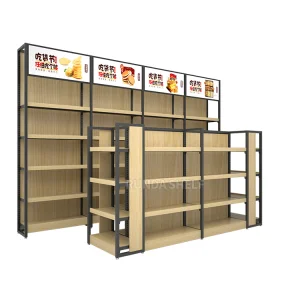
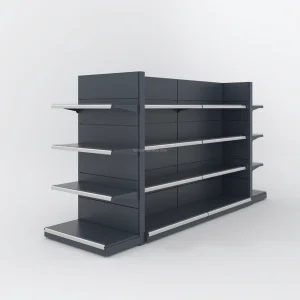
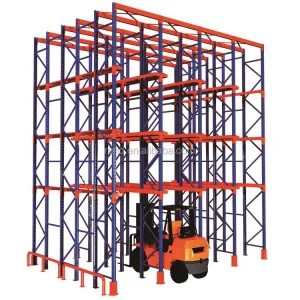
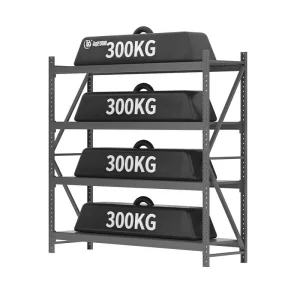
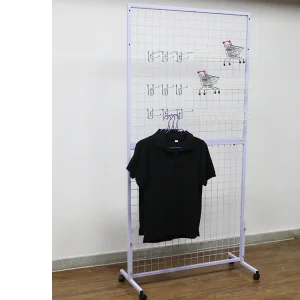
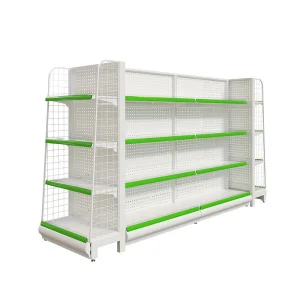
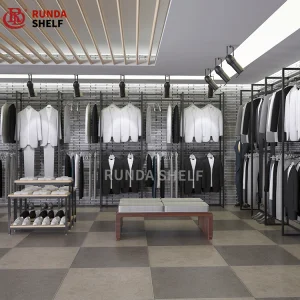
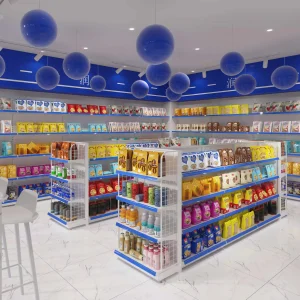
Explore our foundational selection of heavy-duty display systems, wire baskets, warehouse shelving, and retail accessories manufactured to strict CE and ISO quality standards.
In the modern omnichannel commerce landscape, the retail storage cart has evolved from a basic material handling utility into a mission-critical tool for commercial space optimization, intralogistics efficiency, and visual merchandising. Today's global brick-and-mortar storefronts, distribution hubs, and dark stores require highly versatile mobility systems that seamlessly transition from the backroom to the sales floor. High-density storage layouts require carts that can support varied structural configurations—ranging from heavy structural steel frames to composite, modular wire mesh baskets. As retailers seek to minimize the cost per square meter, the integration of roll cages, multi-tiered retail storage carts, and stock trolleys becomes a foundational element of supply chain optimization.
Through the lens of modern user intent mining, commercial procurement managers look beyond aesthetics. They evaluate parameters like structural elasticity, dynamic load distribution coefficients, acoustic levels of high-durometer polyurethane castors, and compatibility with automated guided vehicles (AGVs) or autonomous mobile robots (AMRs). Global market statistics project that the industrial and retail utility cart market will reach $4.8 billion by 2028, largely driven by the expansion of automated micro-fulfillment centers and high-velocity supermarkets. This creates a strong demand for durable, customizable fleet systems that reduce downtime, alleviate ergonomic strain on warehouse floor teams, and survive high-frequency washdowns in sanitary environments.
Sourcing commercial equipment requires strict risk-management and compliance checklists. B2B procurement managers across North America, Northern Europe, and the GCC region operate under demanding regulatory frameworks like OSHA, CE directives, and ISO certifications. When sourcing retail carts and warehousing racks, procurement protocols focus on raw material composition, environmental certifications, and chemical safety—specifically, non-toxic coatings for food-contact and pharmaceutical environments. For instance, the transition from traditional zinc plating to advanced zinc-iron alloys or eco-friendly electrostatic powder coatings represents a major industry-wide shift to meet RoHS requirements.
Furthermore, sourcing resilience requires manufacturers to offer comprehensive design verification, including structural finite element analysis (FEA). A cart's longevity is directly tied to its mechanical joinery: robotic MIG/TIG welding stands up to structural stress much better than manual welds. Smart procurement teams evaluate total cost of ownership (TCO) by checking structural load limits, anti-topple designs, and castor configuration options (such as central-braking, directional locks, and non-marking thermal rubber threads). By partnering with verified China manufacturers who offer comprehensive, transparent documentation, global brands can secure long-term utility cart fleets that keep operational maintenance costs to a minimum.
About Ningbo Dade Smart Storage Equipment Co., Ltd. (DeltaStorage). Backed by global certifications and massive production scale, we deliver high-performance storage infrastructure for international markets.
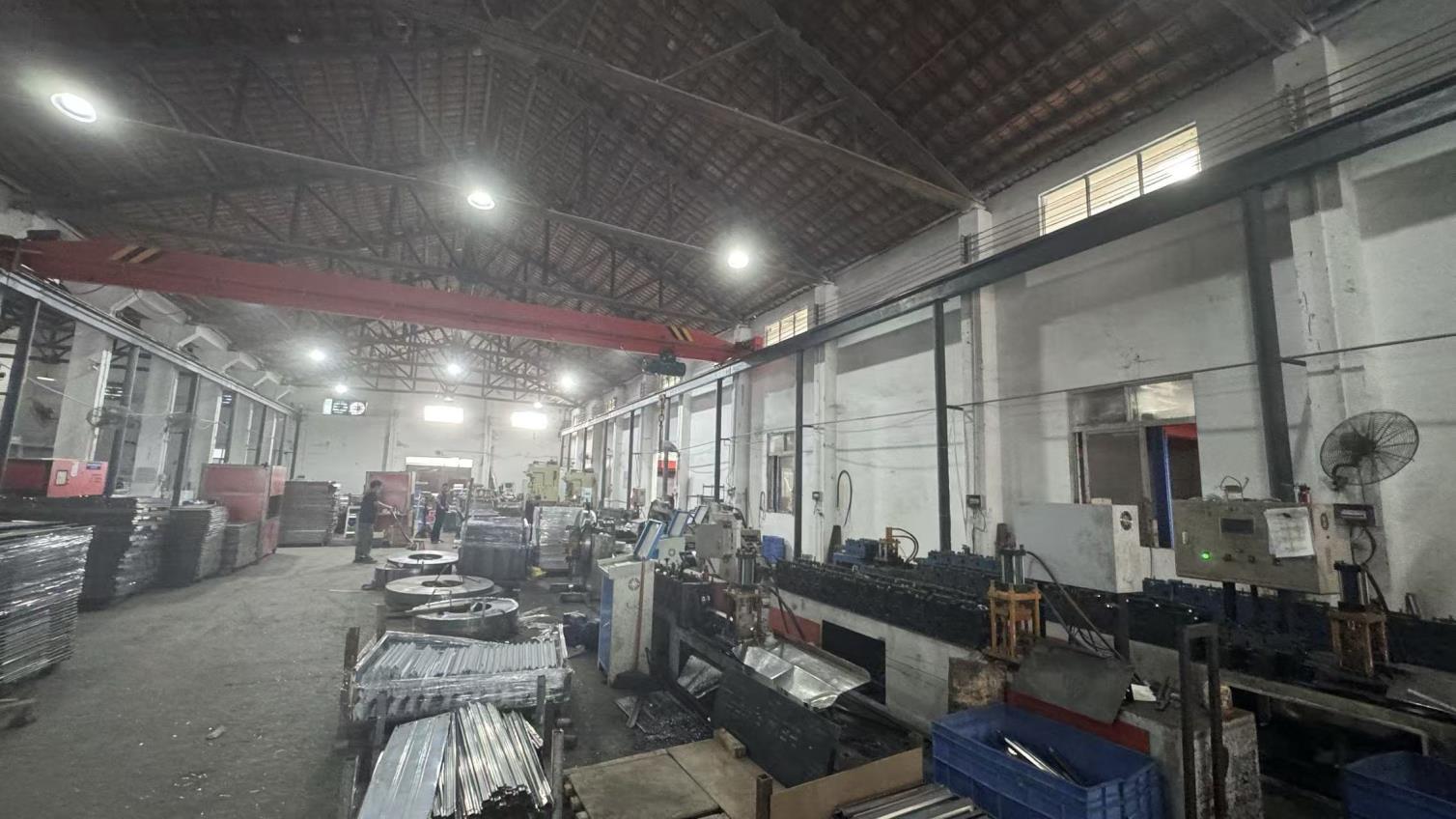
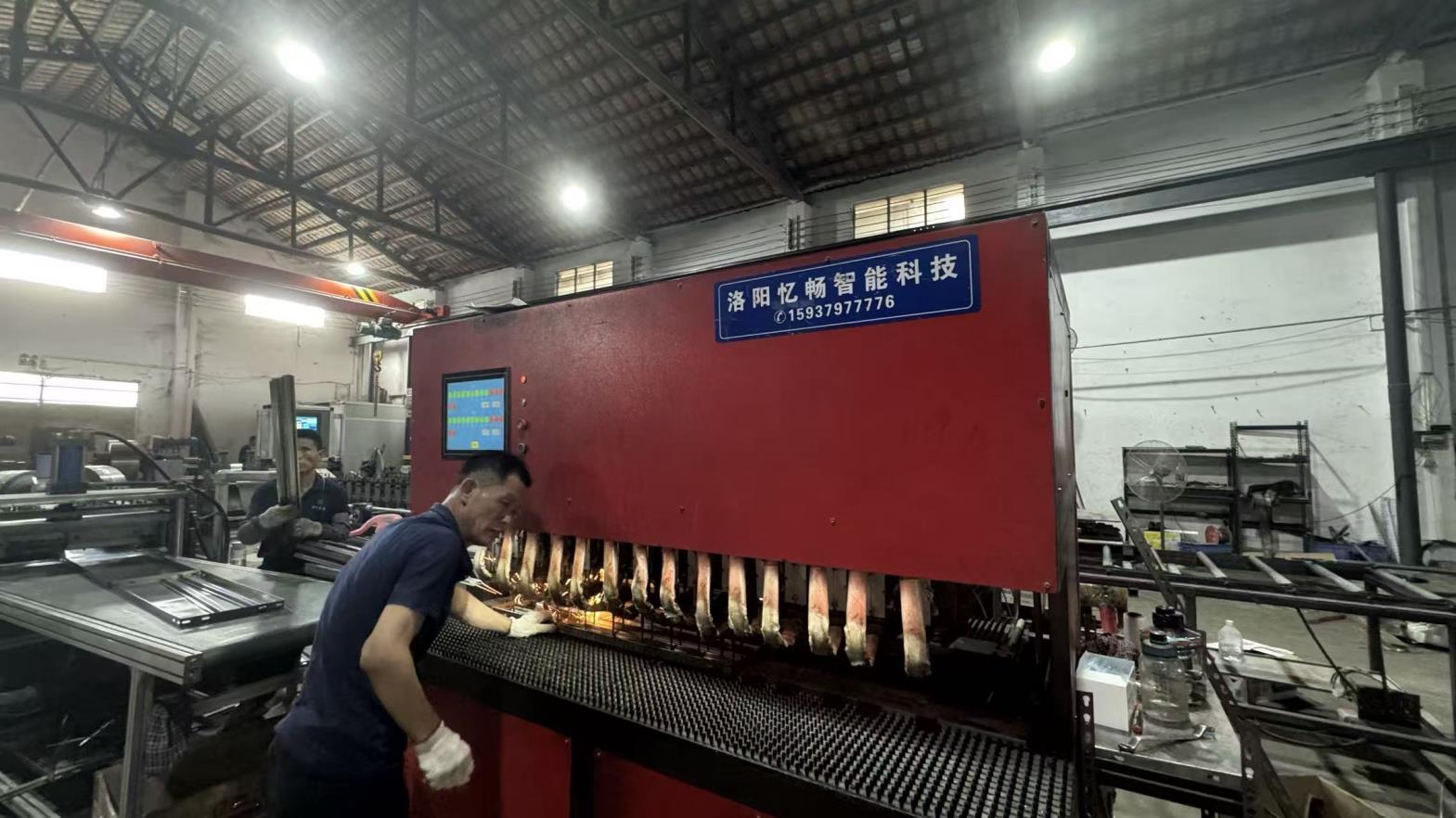
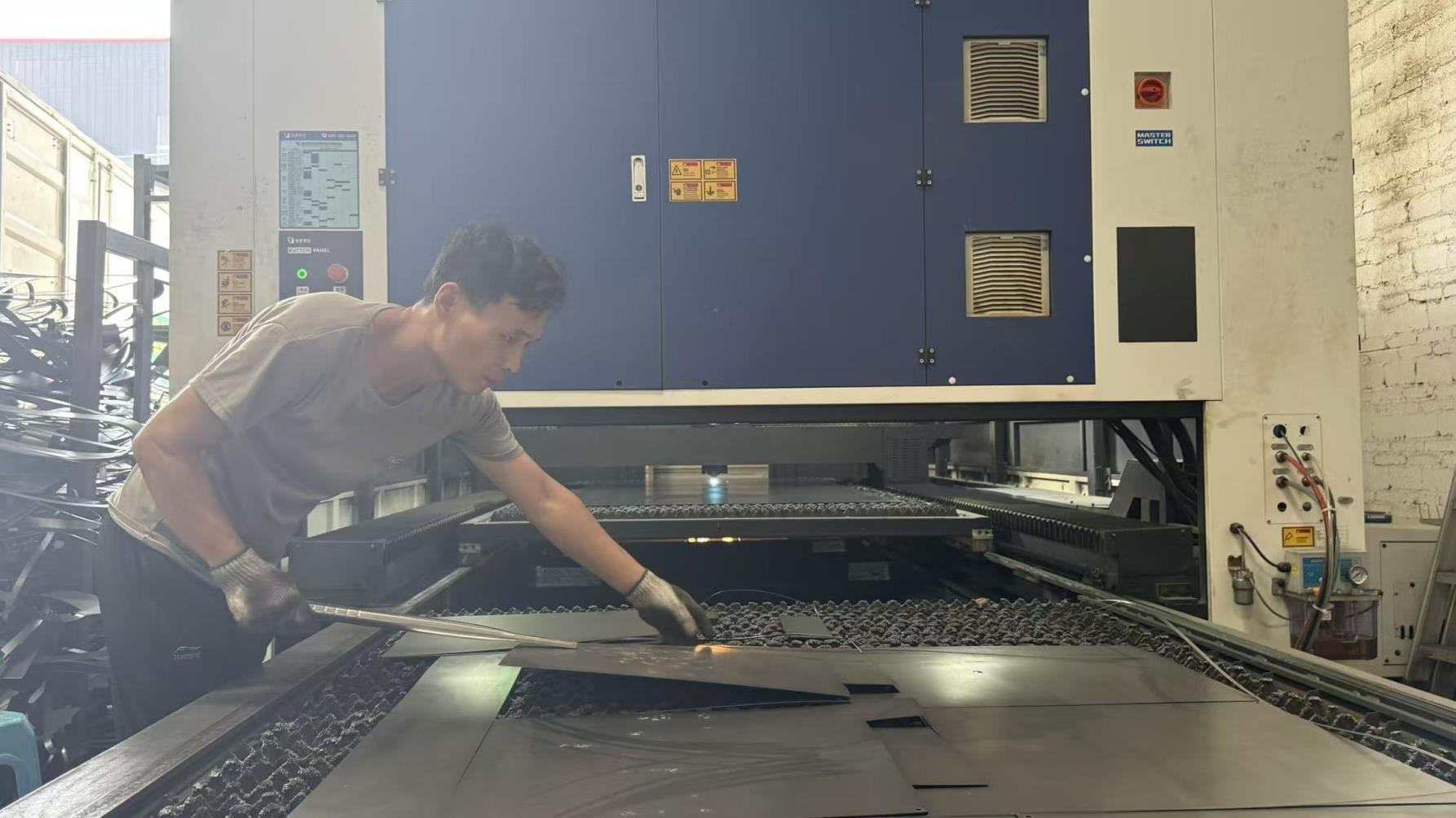
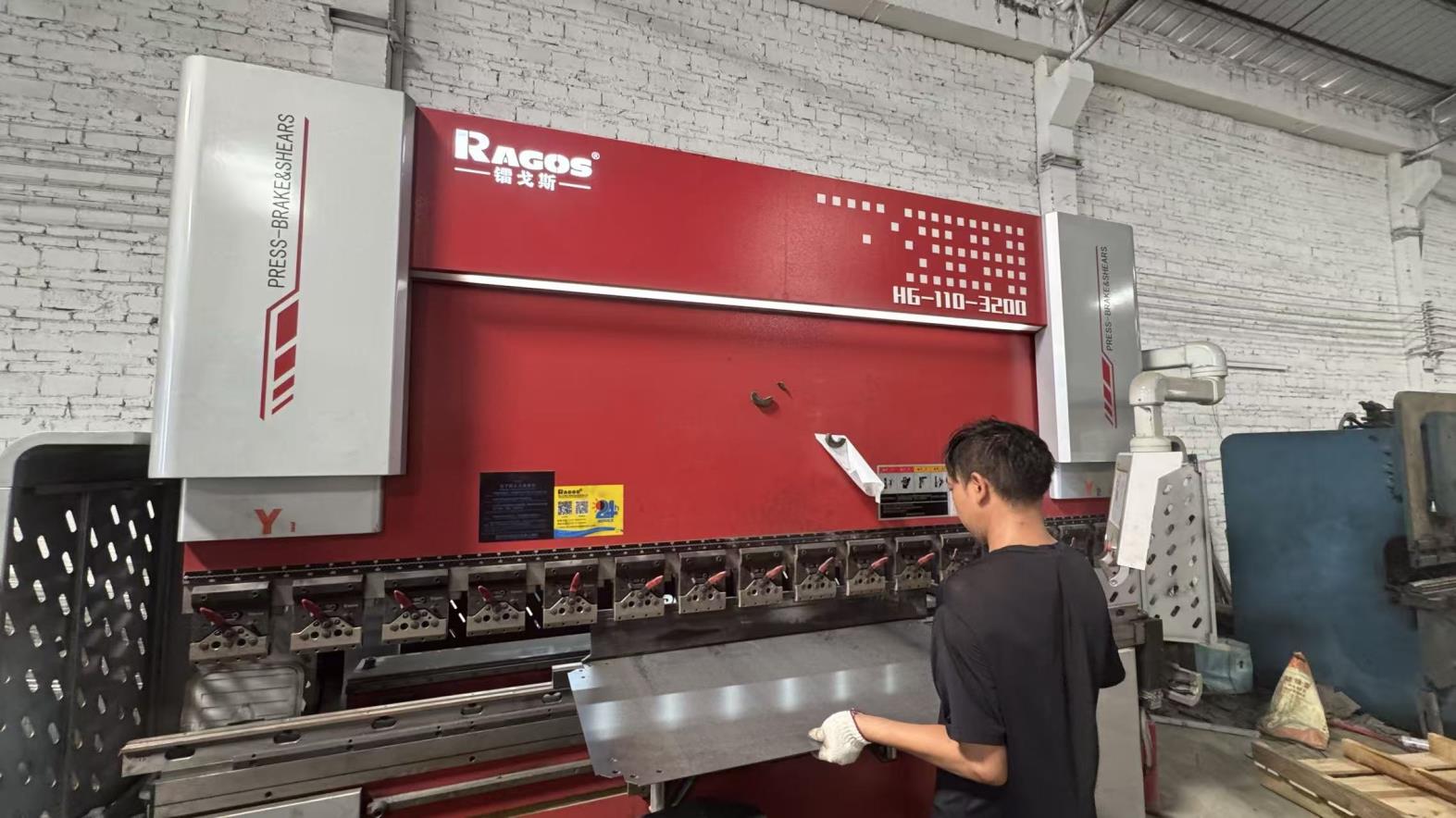
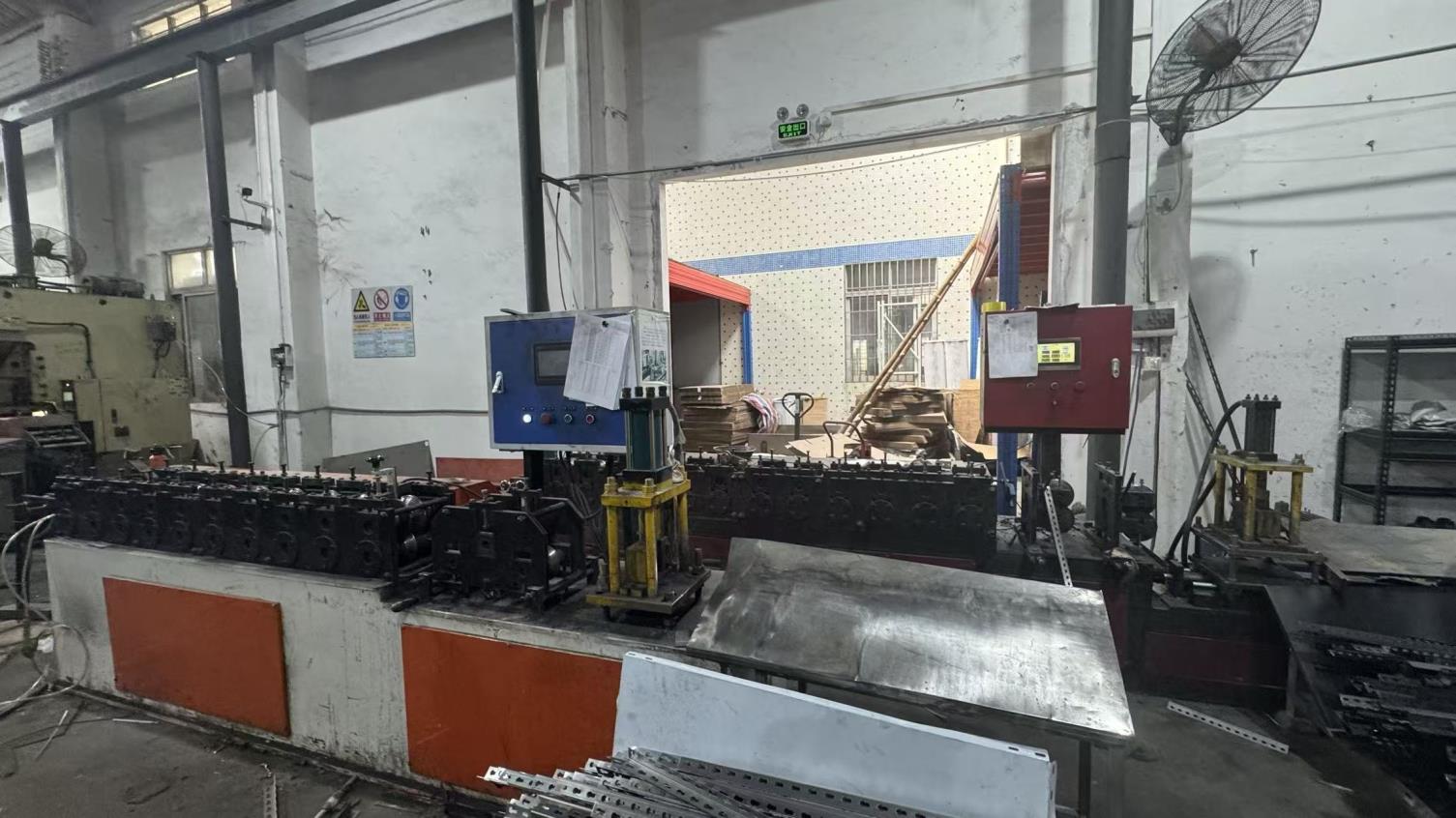
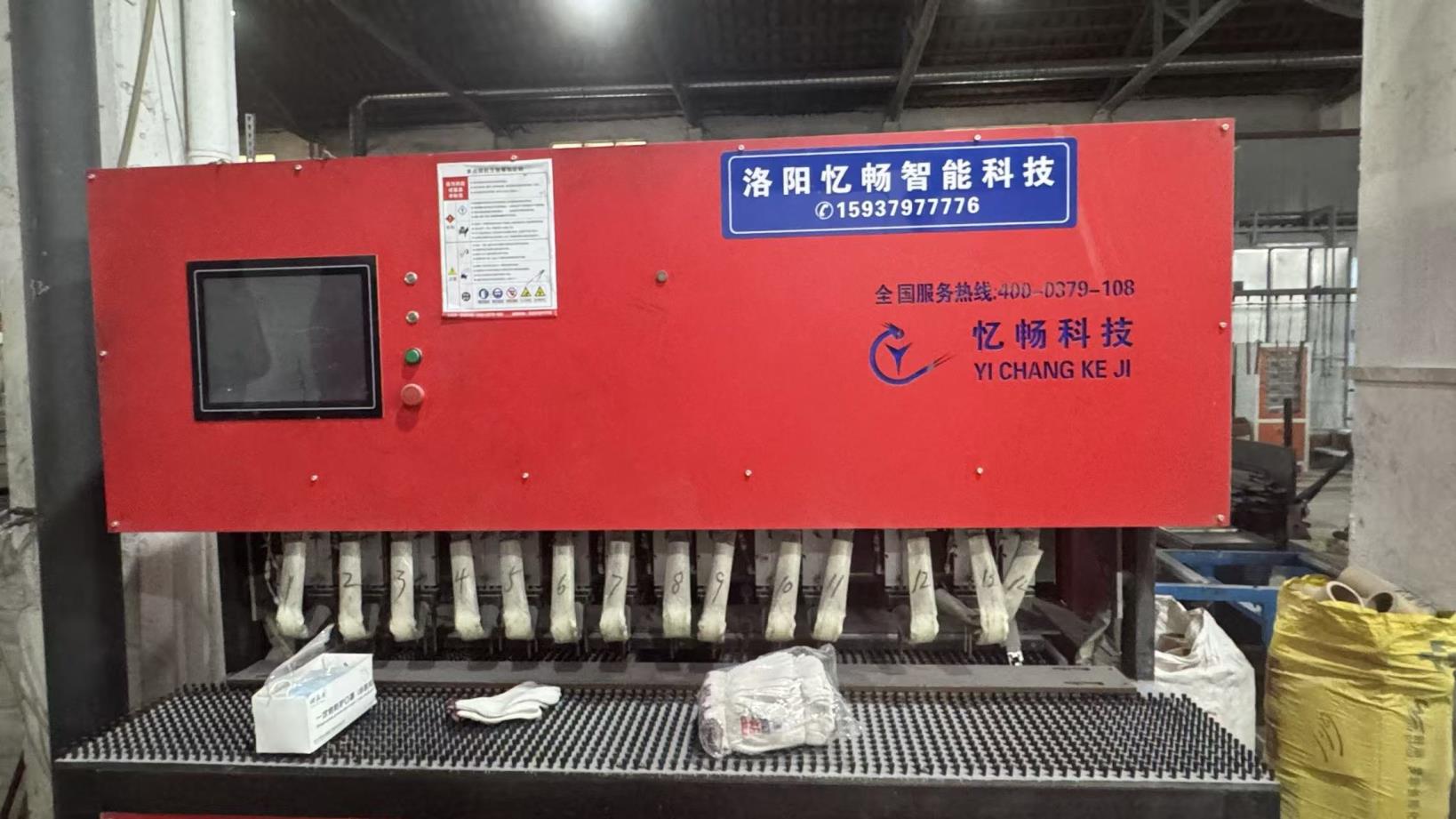
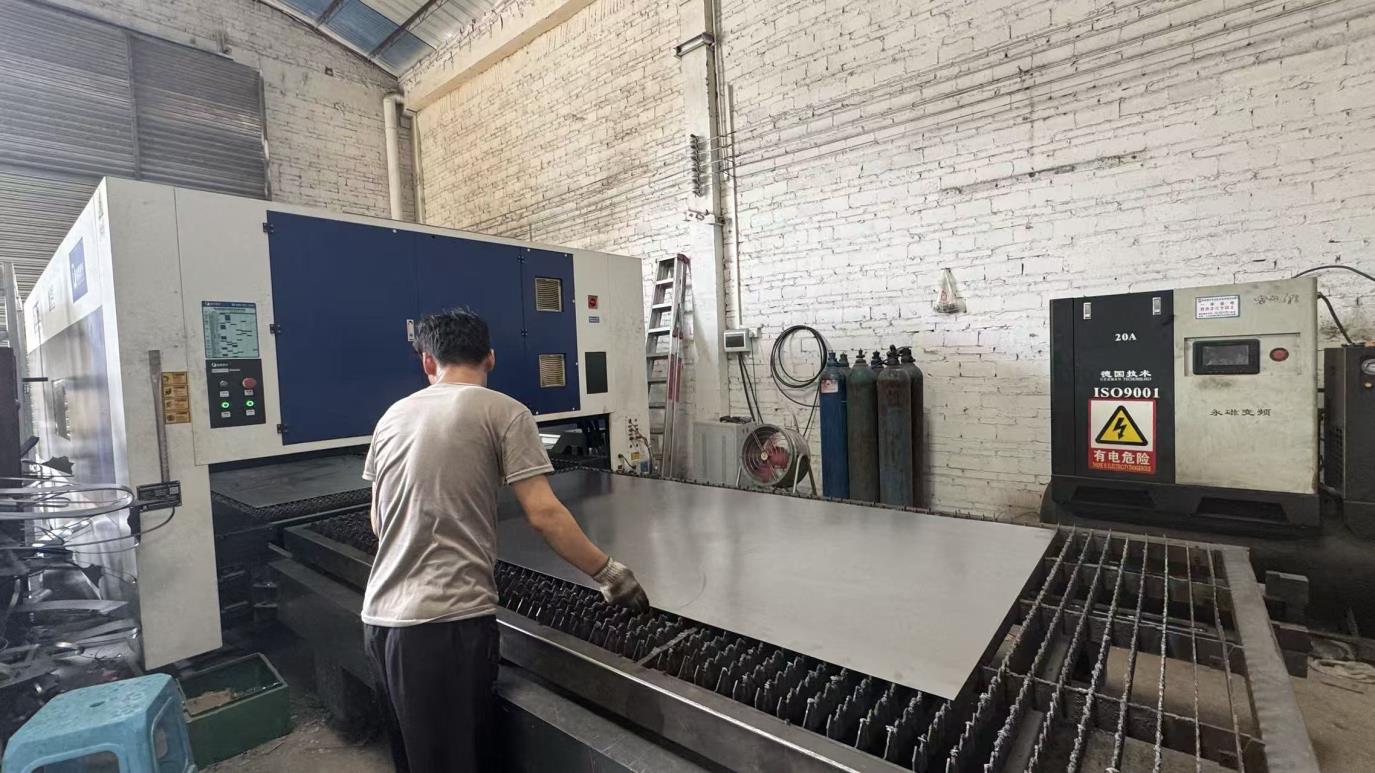
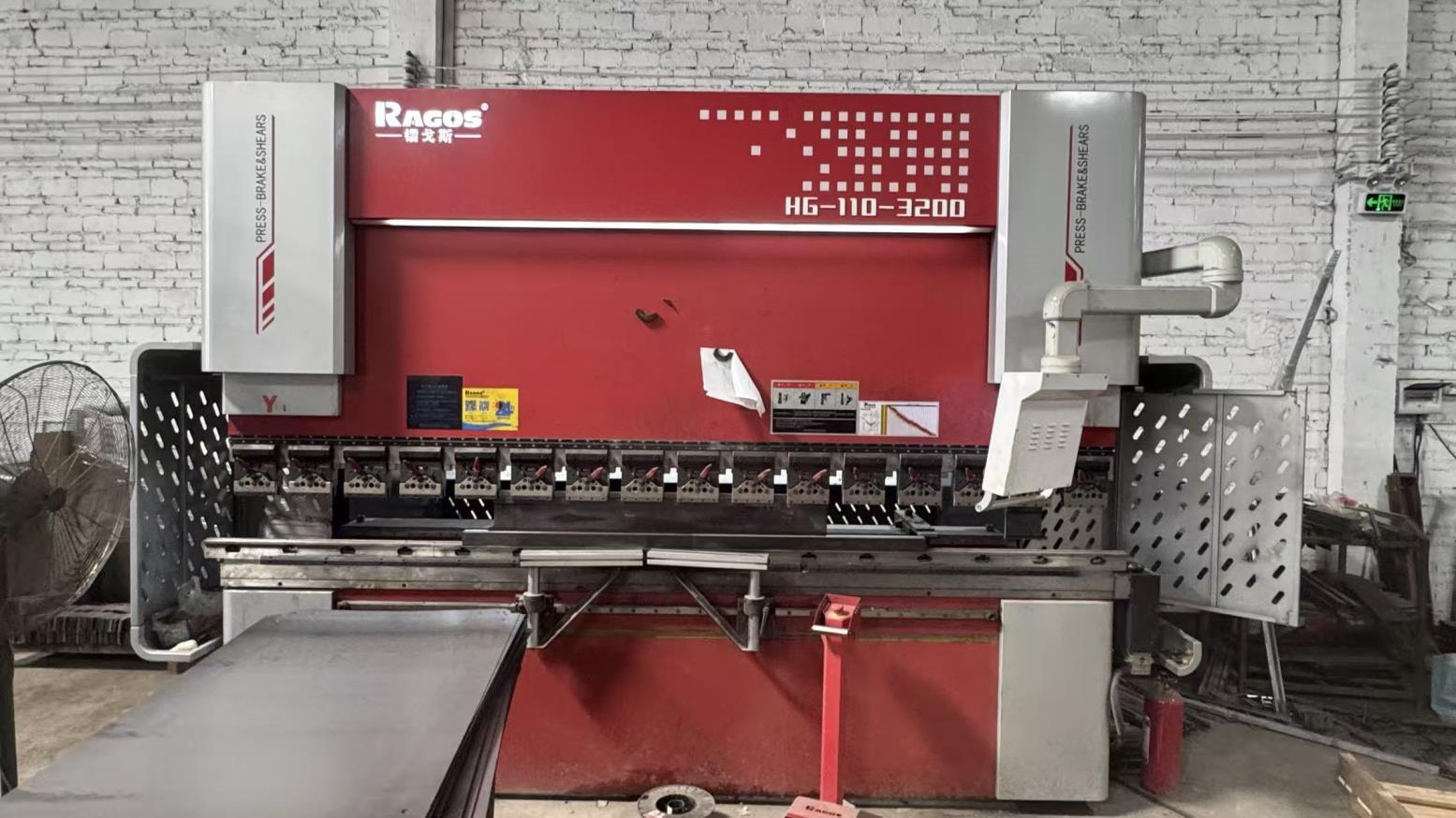
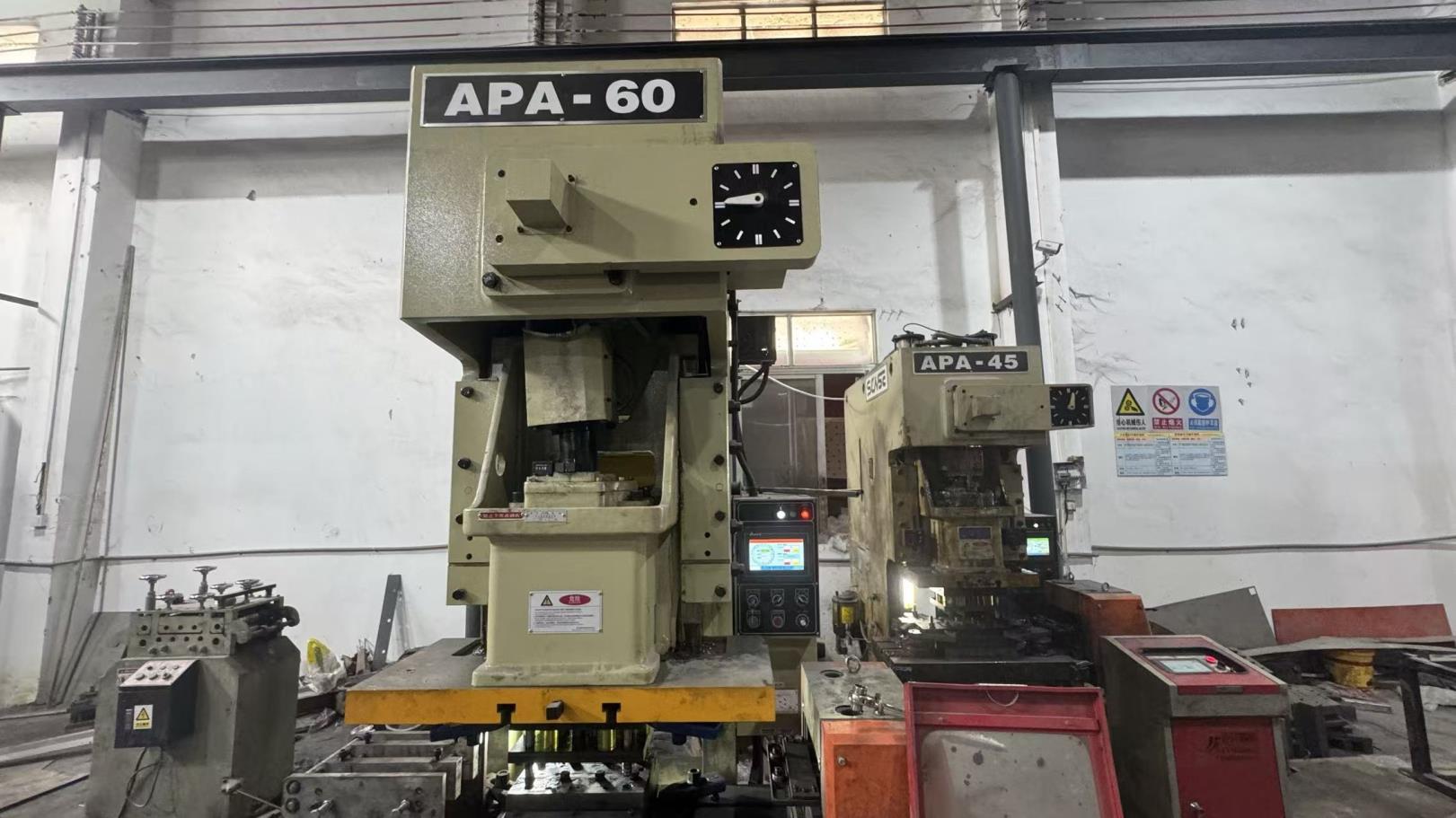
The manufacturing of retail storage carts and warehousing equipment in China has transitioned from labor-intensive assembly lines to smart Industry 4.0 production facilities. This modernization is characterized by high precision, predictable lead times, and advanced materials engineering. Factories utilize advanced technologies like multi-axis fiber laser cutting, automated CNC bending, and robotic welding lines to ensure uniform quality across high-volume production runs. In structural steel rack fabrication, precision-controlled cold-roll forming systems are essential. They eliminate micro-fractures in structural folds, maintaining load integrity across thousands of cycles.
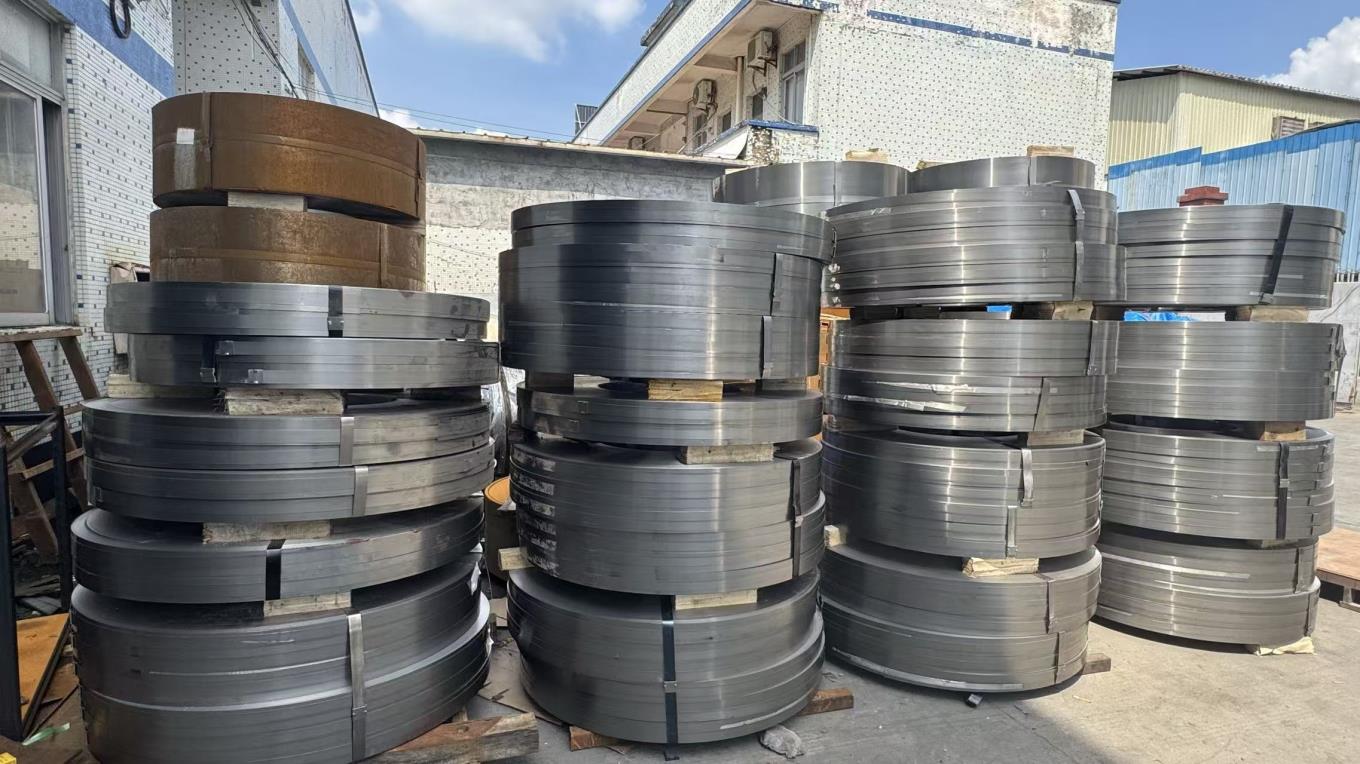
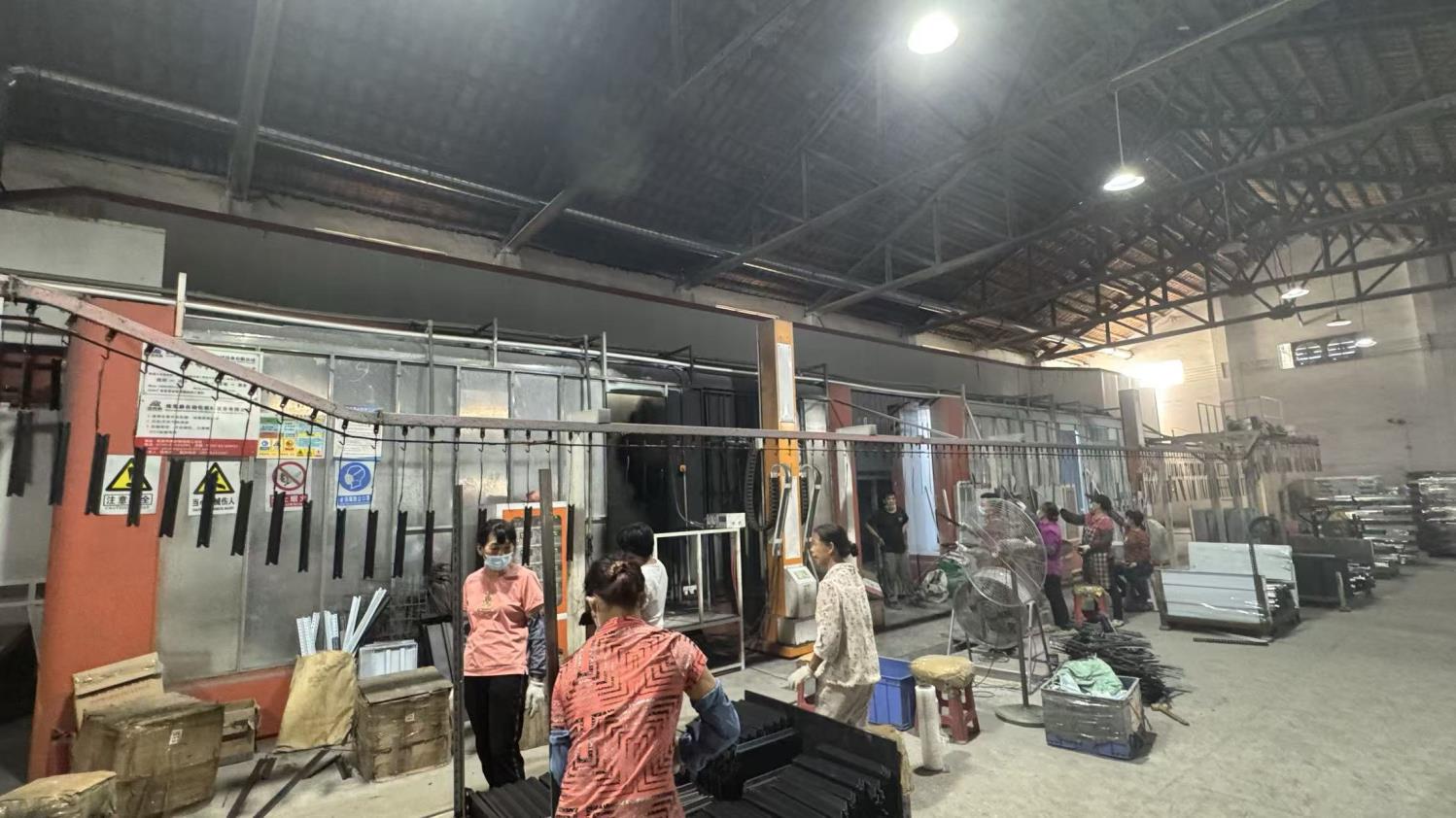
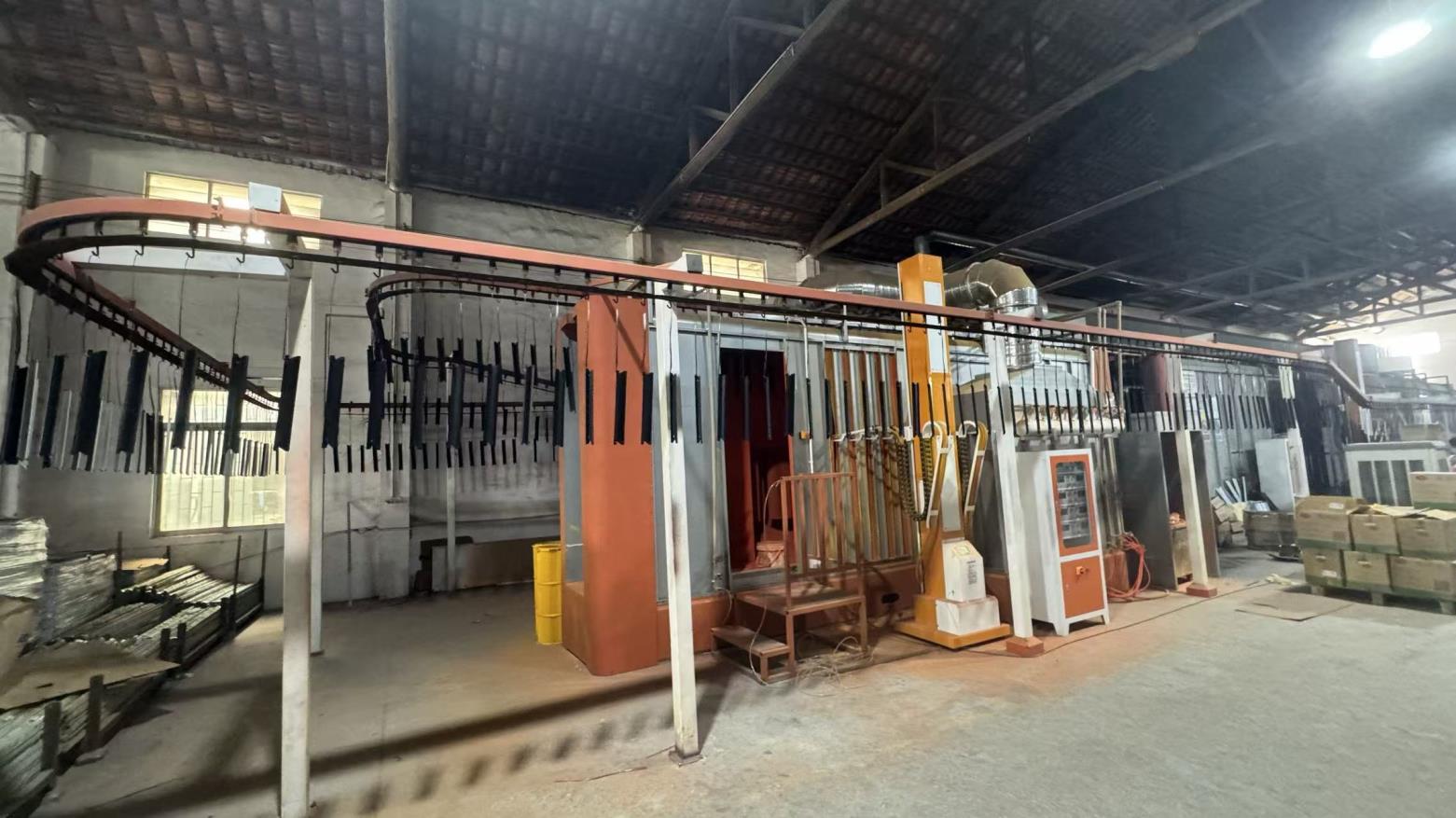
In addition to machining precision, China’s industrial hubs feature highly integrated supply chain ecosystems. From raw steel sourcing to finishing techniques like hot-dip galvanizing and electrostatic powder coating, every stage of production is optimized within localized hubs. This close coordination helps mitigate the impact of global raw material price fluctuations and shipping volatility. For B2B clients, this translates into shorter production times, flexible customization options (such as tailored upright profiles and seismic-rated connectors), and reliable quality control. These capabilities allow factories to handle complex, large-scale rollouts for international retail giants with ease.
Product reliability and safety are paramount in industrial environments. Elite manufacturers like DeltaStorage deploy extensive Quality Assurance (QA) and Quality Control (QC) teams, utilizing advanced laboratory testing equipment to inspect and verify every batch. Safety verification involves a series of physical and chemical tests. These include spectrographic alloy analysis to confirm steel grades (such as Q235B or Q345B), automated optical inspection (AOI) to verify weld penetration, and multi-axis dynamic load testers to check load capacity and strain tolerances under movement.
Corrosion resistance is crucial for carts exposed to outdoor staging, coastal shipping, and cold-chain humidity. To guarantee longevity, products undergo salt-spray testing in simulation chambers to measure performance over hundreds of hours. Additionally, companies comply with strict global safety protocols, earning certifications like ISO9001, ISO14001, CE, and TUV. This thorough testing and compliance framework ensures that retail storage carts can safely support heavy loads, withstand continuous operational wear, and minimize workplace hazards in fast-paced retail environments.
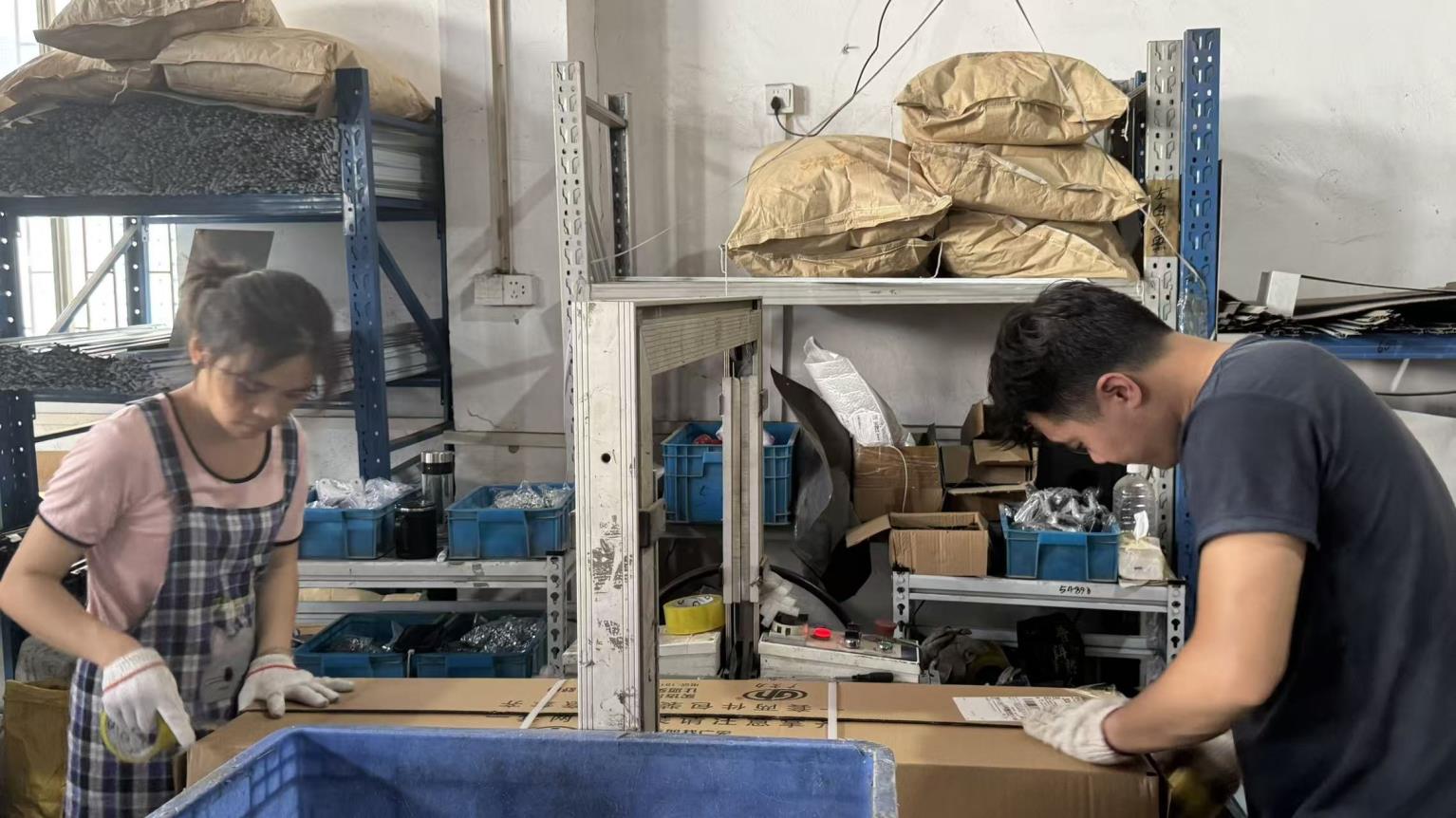
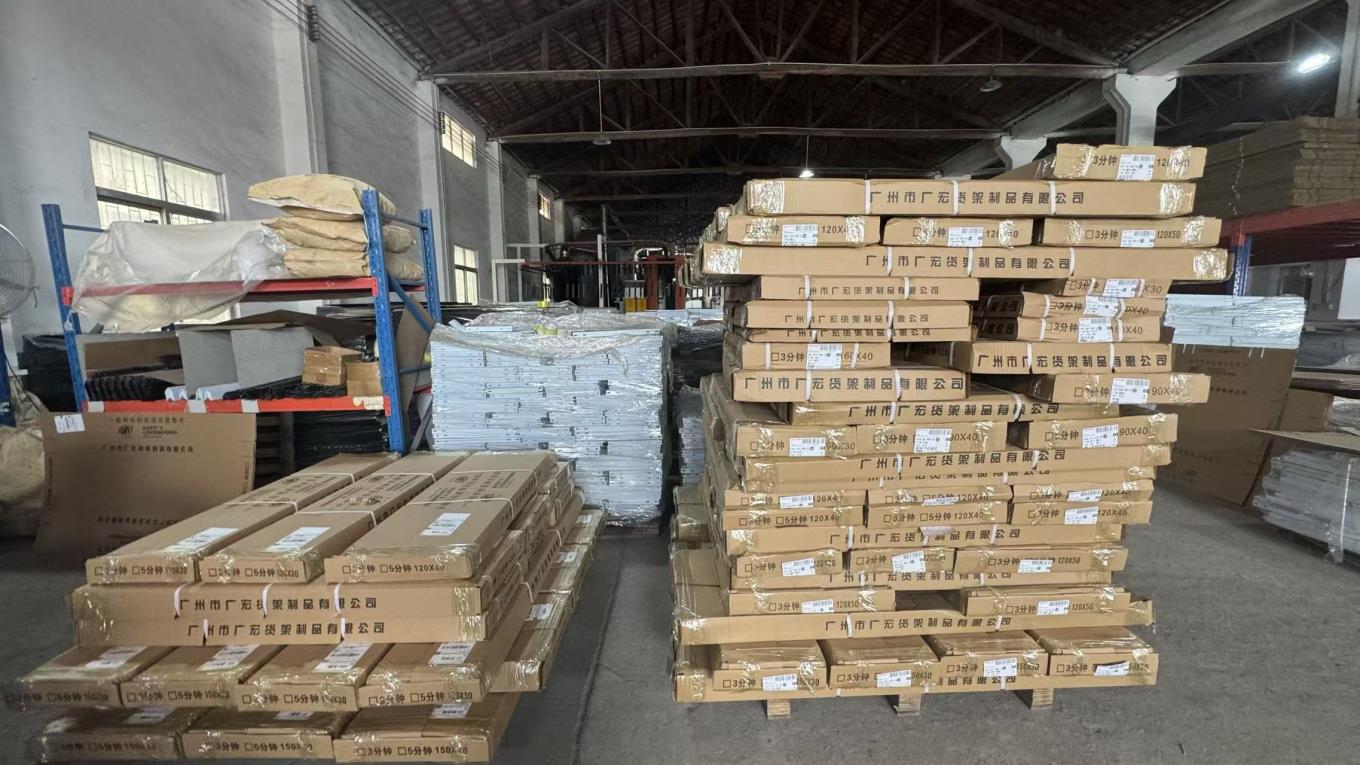
Take an inside look at DeltaStorage's production facility. We combine raw material selection, advanced CNC machining, and automated finish coating to manufacture high-performance storage equipment.
Retail storage carts operate in a wide variety of commercial and industrial environments, each requiring specialized design adjustments to perform reliably under daily use:
Get answers to common technical questions about sourcing, load limits, surface finishes, and custom orders for commercial operations.
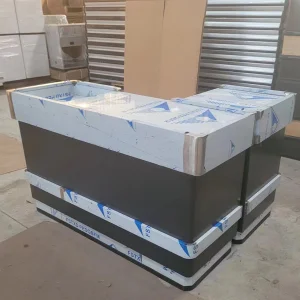
Explore our second selection of heavy-duty racks, mobile steel shelving, checkouts, and custom store stands engineered for reliability and long-term durability.
 DeltaStorage