Top China Gondola Shelving Manufacturers & Factories

Global Enterprise Sourcing, Engineering Integrity, and Smart Storage Solutions from Ningbo Dade Smart Storage Equipment Co., Ltd. (DeltaStorage)

DeltaStorage: Smart Storage & Manufacturing Leader

Established in 2012, Ningbo Dade Smart Storage Equipment Co., Ltd. (globally branded as DeltaStorage) delivers world-class industrial storage and commercial display infrastructure.

$45M+
Annual Export Revenue
48,000㎡
Modern Production Facility
14 Yrs
Industry Experience
120+
R&D Engineers
82
QA Engineers
Quality Assurance & Certification
Fully ISO14001, CE, and TUV certified operations. Testing methods include spectrographic alloy analysis, automated optical weld seam inspection, salt-spray simulation, and multi-axis dynamic load durability testing.
Global Trade Network
Collaborating with over 1,850 supply chain partners. Primary export markets cover North America, Northern Europe, East Asia, and the GCC region. Specialized in AS/RS, cold chain, and pharmaceutical storage systems.
Advanced Customization
Expert R&D in FEA (Finite Element Analysis) and automated shuttle systems. Options include custom steel grades, seismic-rated profiles, specialized coatings, and connection configurations. Over 120 new variants launched annually.

The Definitive B2B Procurement Guide & Technical Analysis of Gondola Shelving systems

In modern retail commerce, spatial design directly correlates with bottom-line revenue. Selecting the right Gondola Shelving systems is not merely a purchasing decision; it is a critical optimization process that affects inventory management, labor efficiency, visual merchandising, and consumer pathing. China has established itself as the global epicenter for Gondola shelving manufacturing, led by key logistics-advantaged clusters like the Ningbo industrial zone.

This whitepaper examines the technical specifications, structural engineering, manufacturing workflows, and strategic variables involved in selecting a high-performing retail shelving manufacturer. We will unpack structural material profiles, surface treatment technology, seismic calculations, and procurement practices for enterprise-level logistics operations, convenience networks, pharmacy environments, and heavy-duty warehouses.

"Information Gain in Supply Chain Decisions: A direct relationship exists between the mechanical tolerances of structural retail racking and the lifespan of computerized retail automation. Investing in precision cold-rolled steel prevents deflection failures over multi-decade lifespans."

1. Material Science and Metallurgy of Gondola Shelving

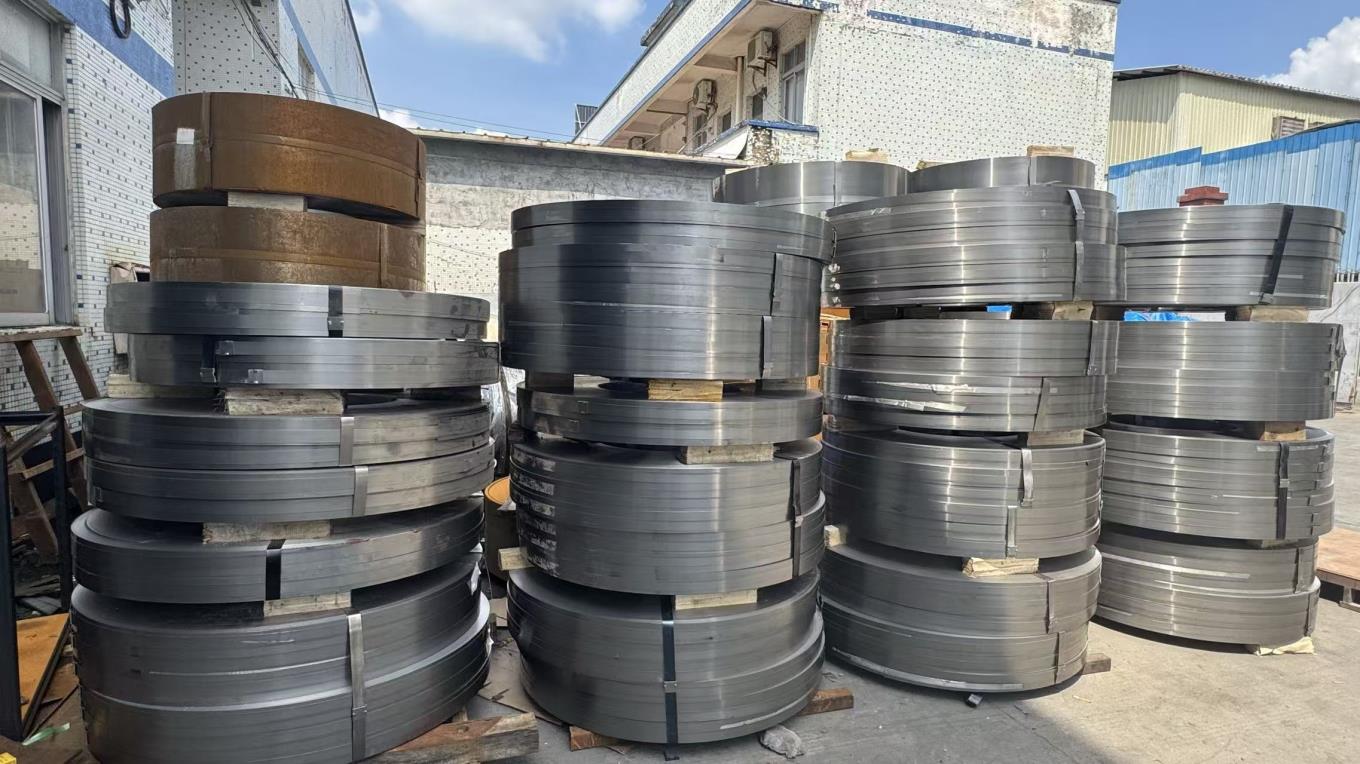
Modern commercial shelving relies on specific steel formulations to balance ductility, load capacity, and weight. The primary material used is SPCC cold-rolled carbon steel, alongside hot-rolled structural steel profiles like Q235B for heavier loading criteria. Cold-rolled sheet metal guarantees a smooth surface finish, clean edge tolerances, and increased tensile strength via work hardening.

  • Yield Strength and Tensile Limits: Structural upright posts require minimum yield strengths of 235 MPa to resist deformation when loaded at their rated capacity limit.
  • Gauge Specifications: High-quality gondola uprights utilize 2.0mm to 2.5mm thickness steel, while shelves range from 0.7mm to 1.2mm depending on the intended category load. Under-specifying steel gauge results in structural sag (deflection limit of L/200), leading to store hazards and misaligned planograms.
  • Perforation Consistency: Upright punch patterns must exhibit sub-millimeter precision. Irregular hole punching creates stress concentrations and prevents perfect bracket seating, which causes shelf wobble.

2. Visual Merchandising Optimization & Store Intent

Product placement relies on precise shelving dynamics to guide consumer eye paths and optimize space yields. Gondola units can be configured in multiple profiles:

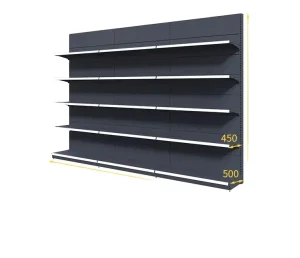
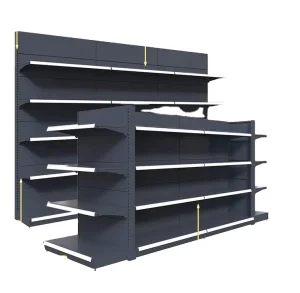
  • Single-Sided Wall Racks: Positioned against perimeter walls, these must handle unbalanced dynamic loads. Anti-tipping anchor points and high-tensile base brackets are essential.
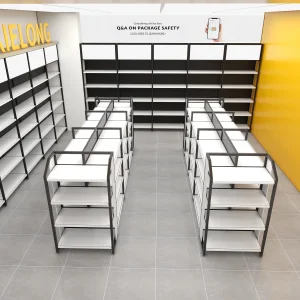
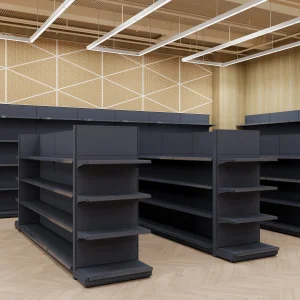
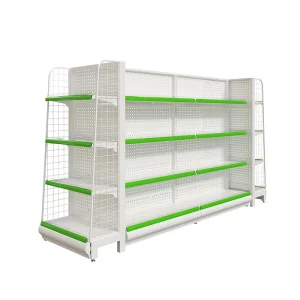
  • Double-Sided Gondola Runs: Serving as the main aisle configuration, these structures leverage symmetrical load distribution. Standard features include pegboard, slatwall, or wire-mesh back panels to allow modular accessory integration.
  • End Caps: Placed at aisle termination points, end caps capture maximum foot traffic and require highly aesthetic designs with wood or custom acrylic paneling.

3. Total Cost of Ownership (TCO) & Sourcing Optimization

Procuring from Chinese factories offers substantial capital expenditure advantages, but global logistics and long-term operating costs must be accounted for. Buying at the lowest unit cost can result in higher freight-damage expenses and product structural failures. DeltaStorage minimizes these issues by coordinating directly with over 1,850 upstream and downstream supply partners to optimize material costs, surface-treatment inputs, and flat-pack container optimization. Standardizing shelf profiles across all store formats reduces replacement SKU overhead by up to 30% over a five-year operating lifecycle.

Vertical Integration & Production Processes

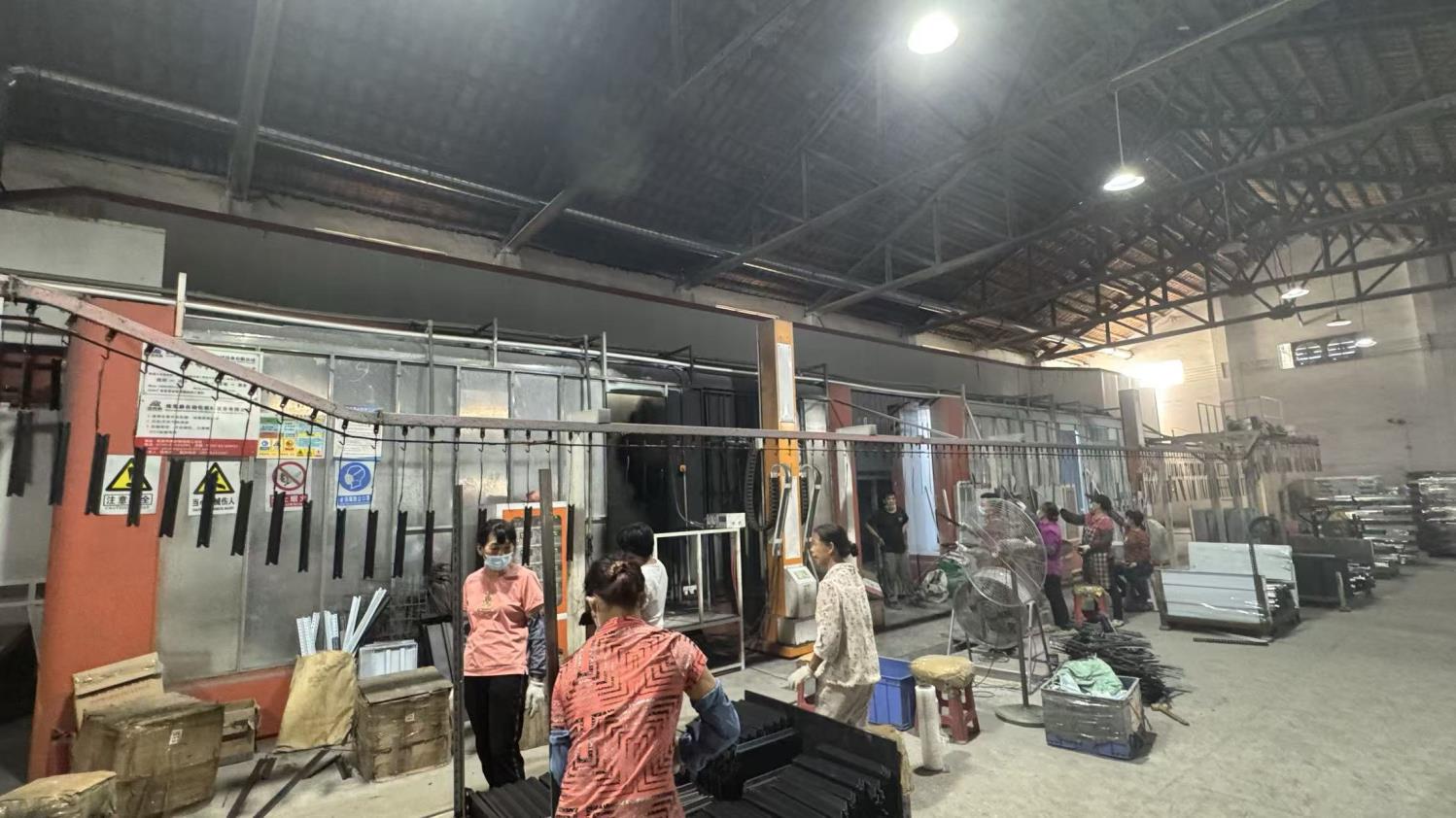
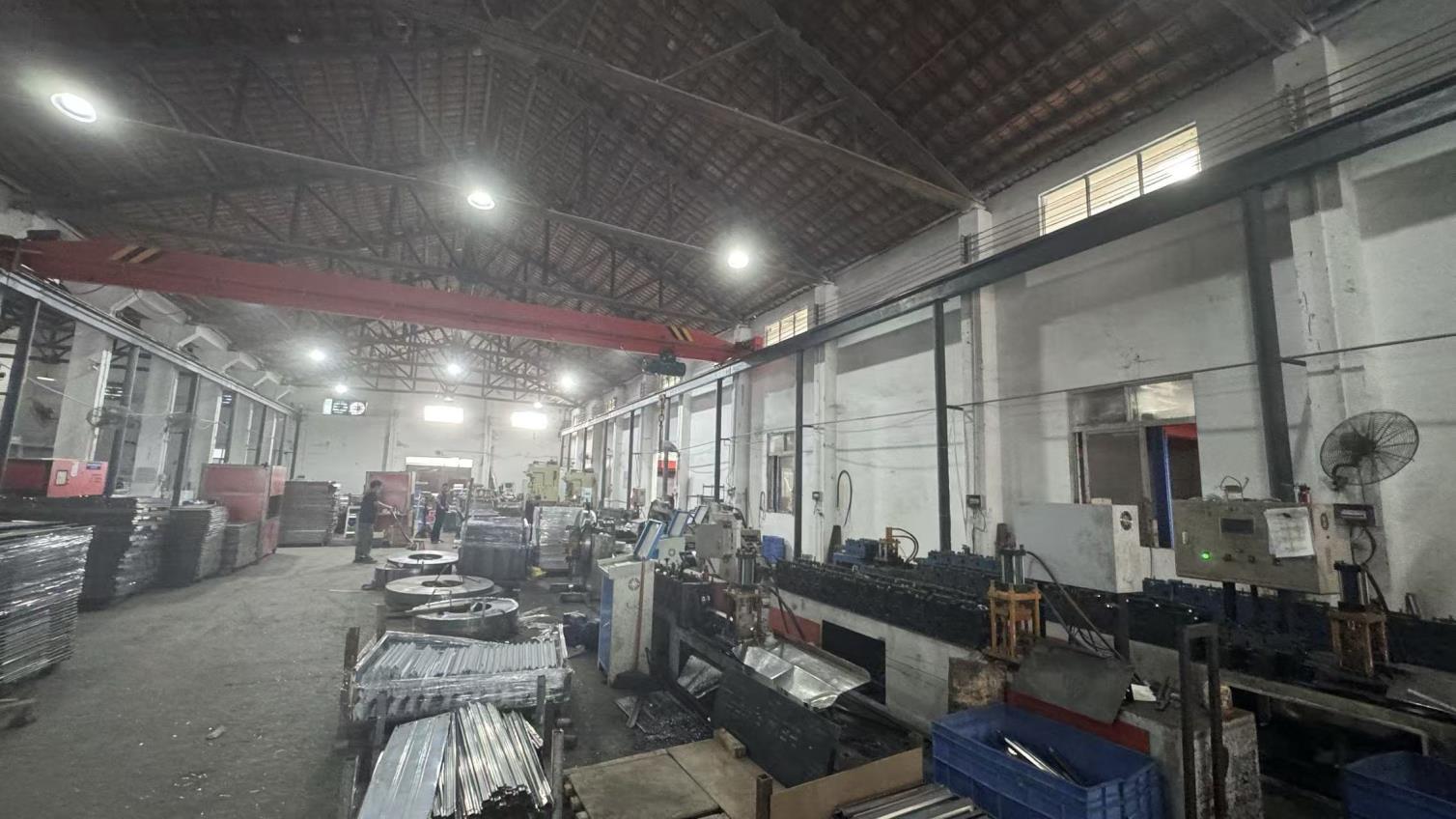
Explore our state-of-the-art production workflow, spanning raw material selection, high-precision machining, and automated powder coating.
Manufacturing Step-by-Step Workflow

Raw Material Inspection
Raw Material
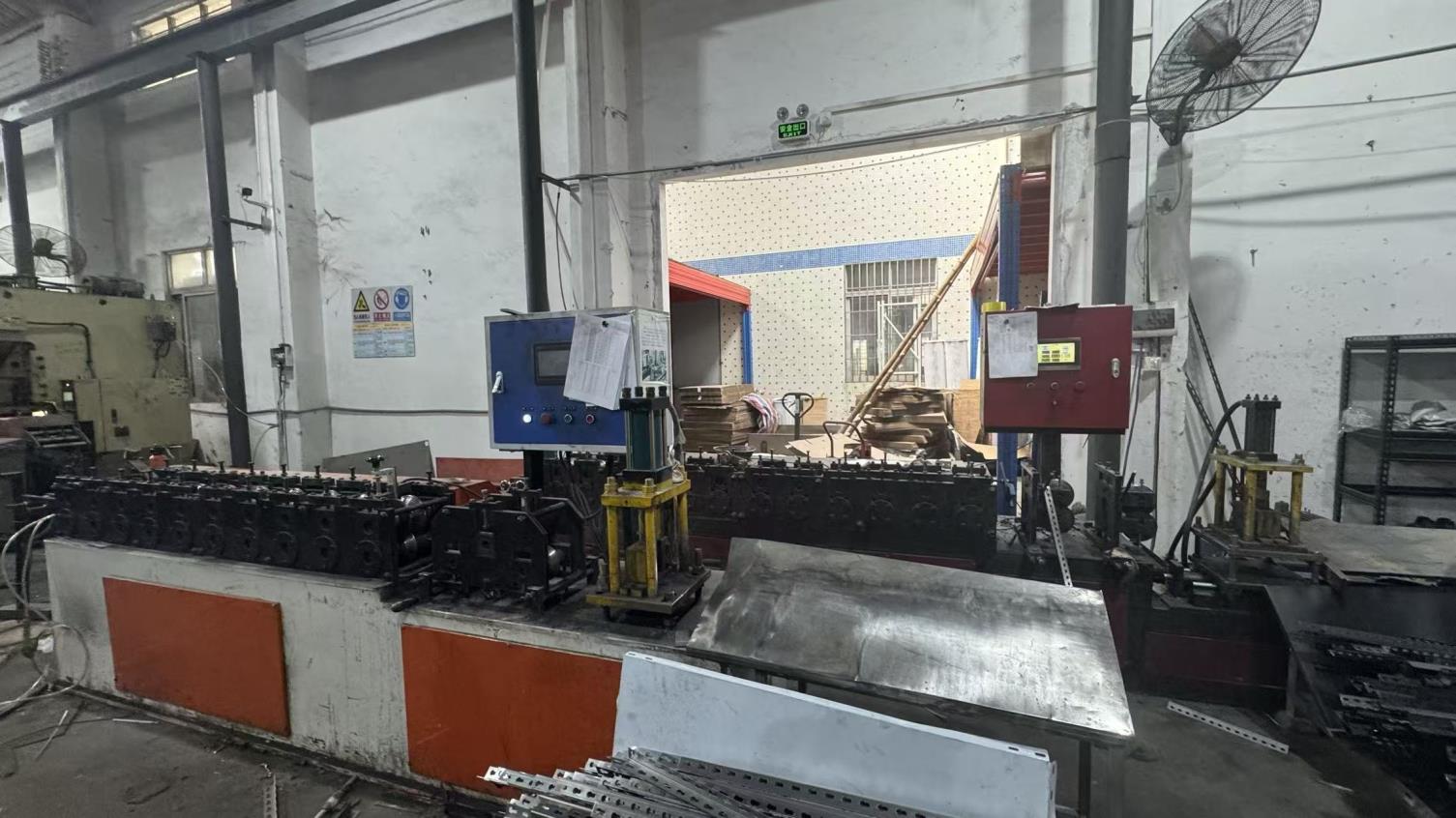
Cold Forming Profile Line
Forming
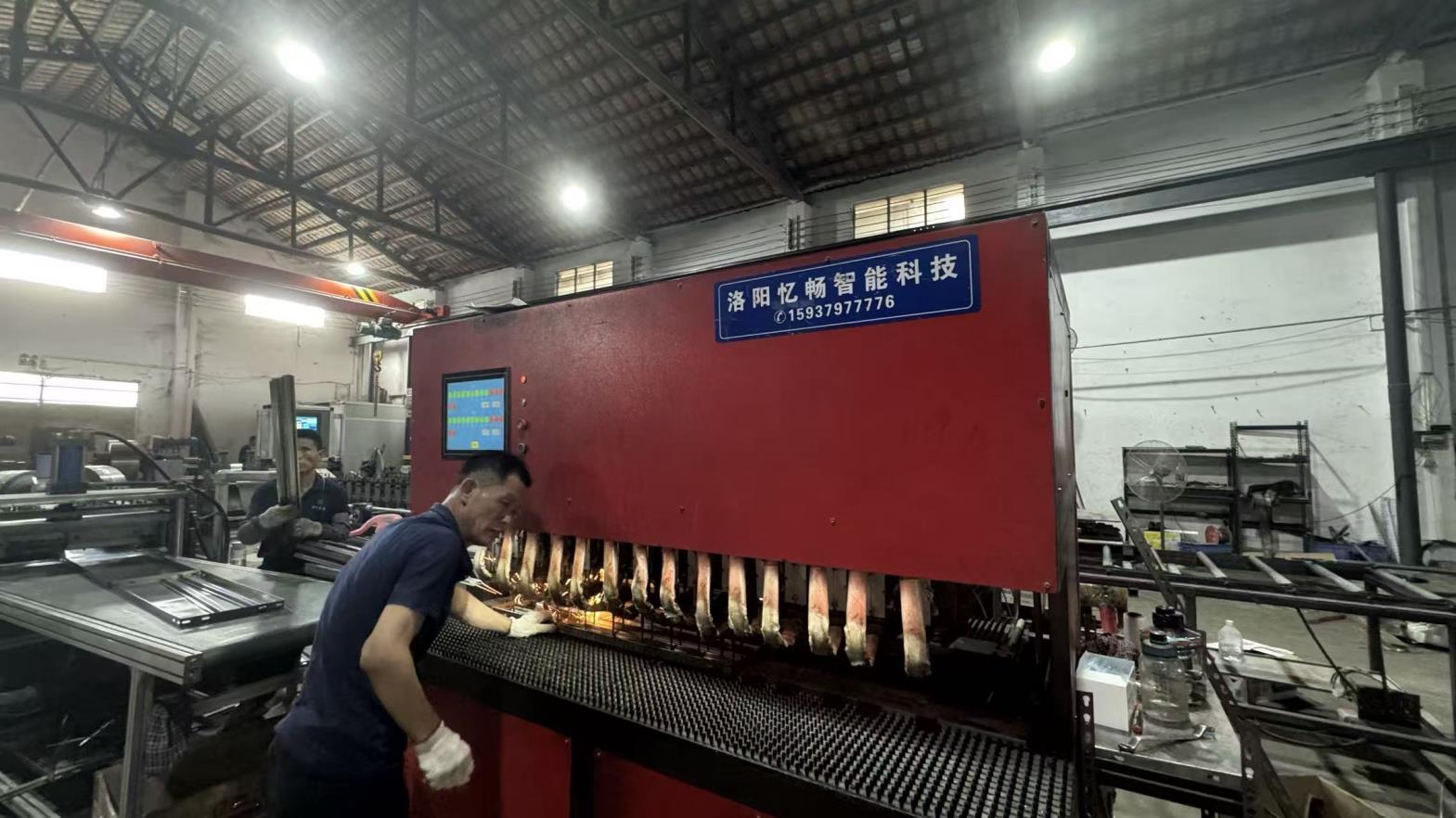
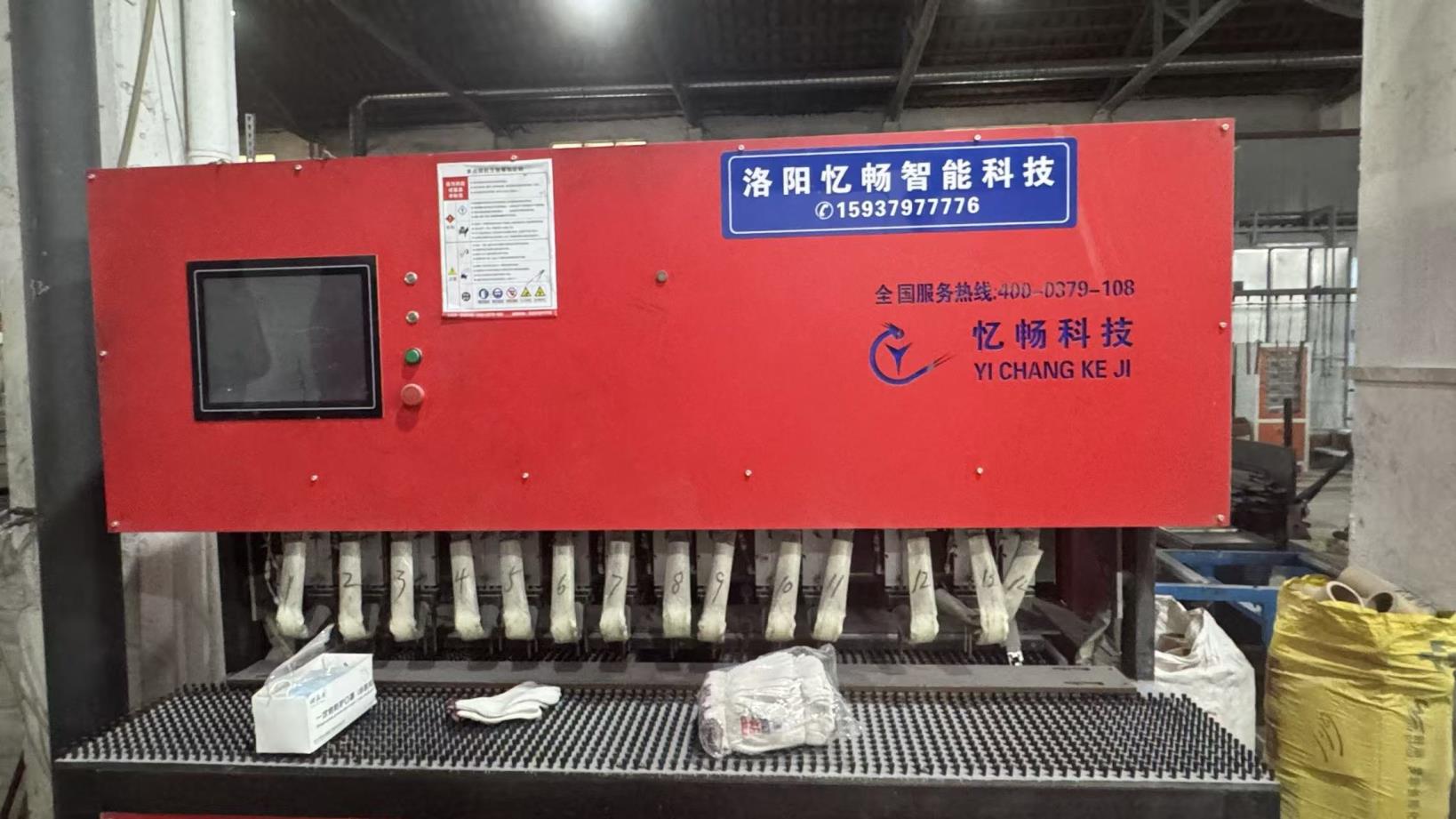
Butt Welding Technology
Butt Welding
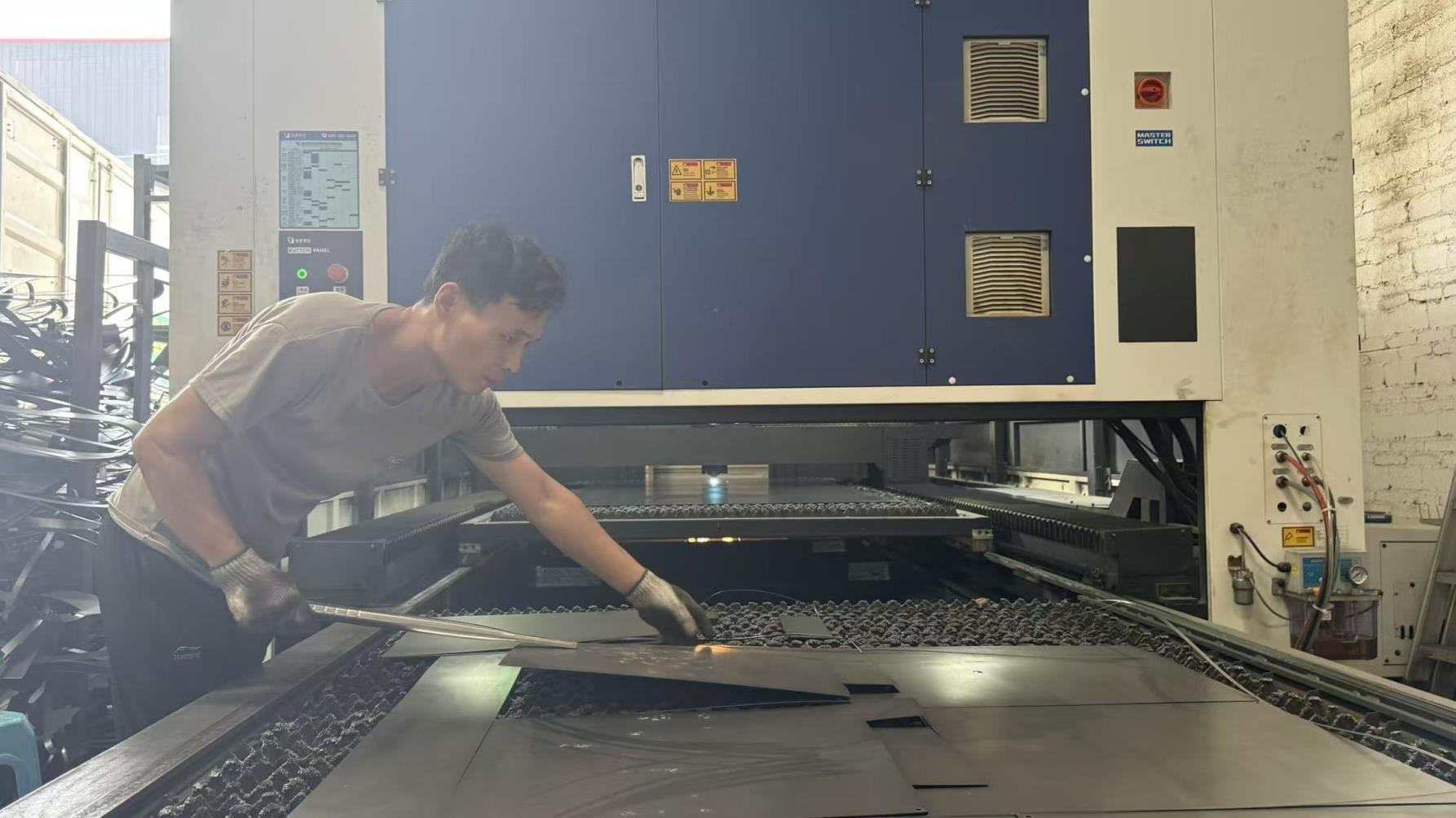
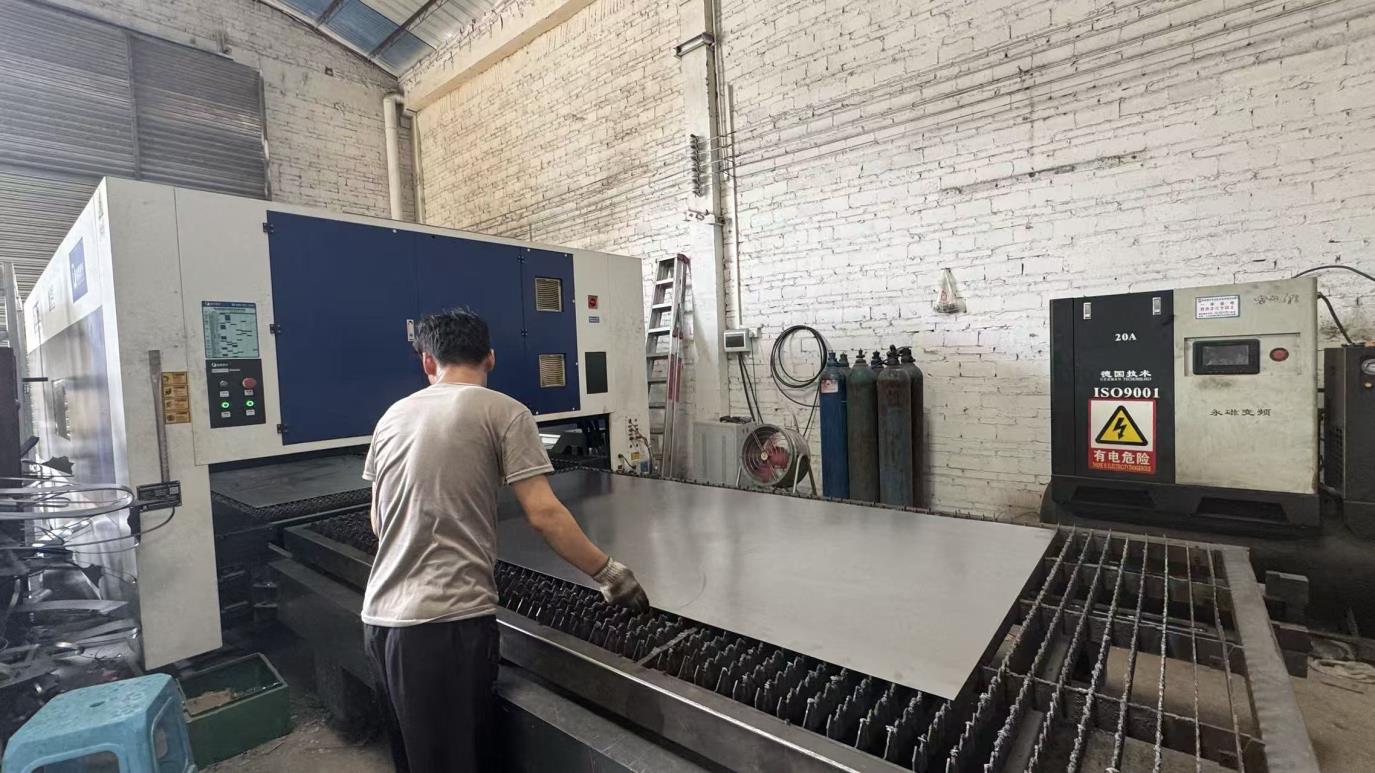
Precision Laser Cutting
Laser Cutting
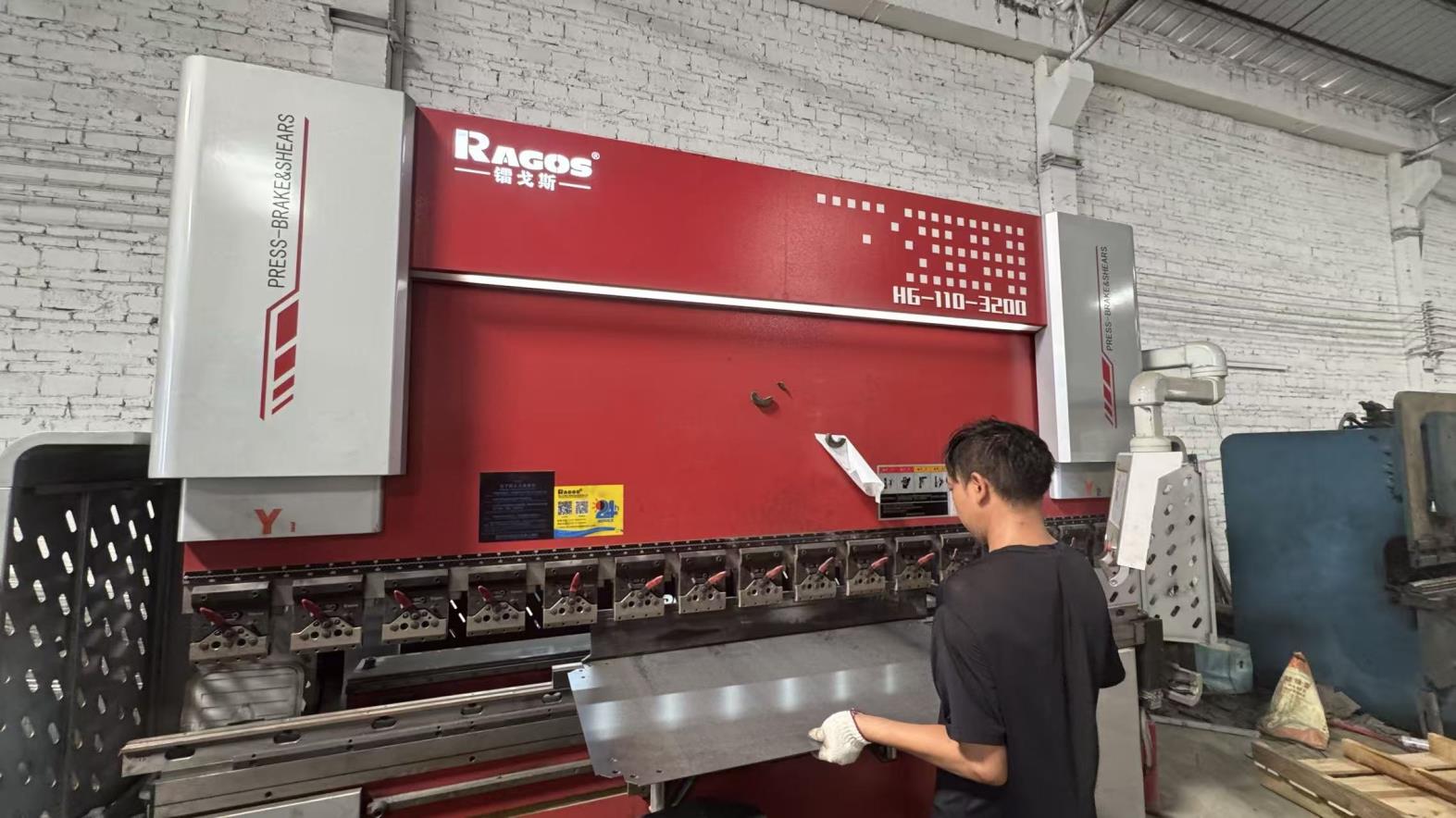
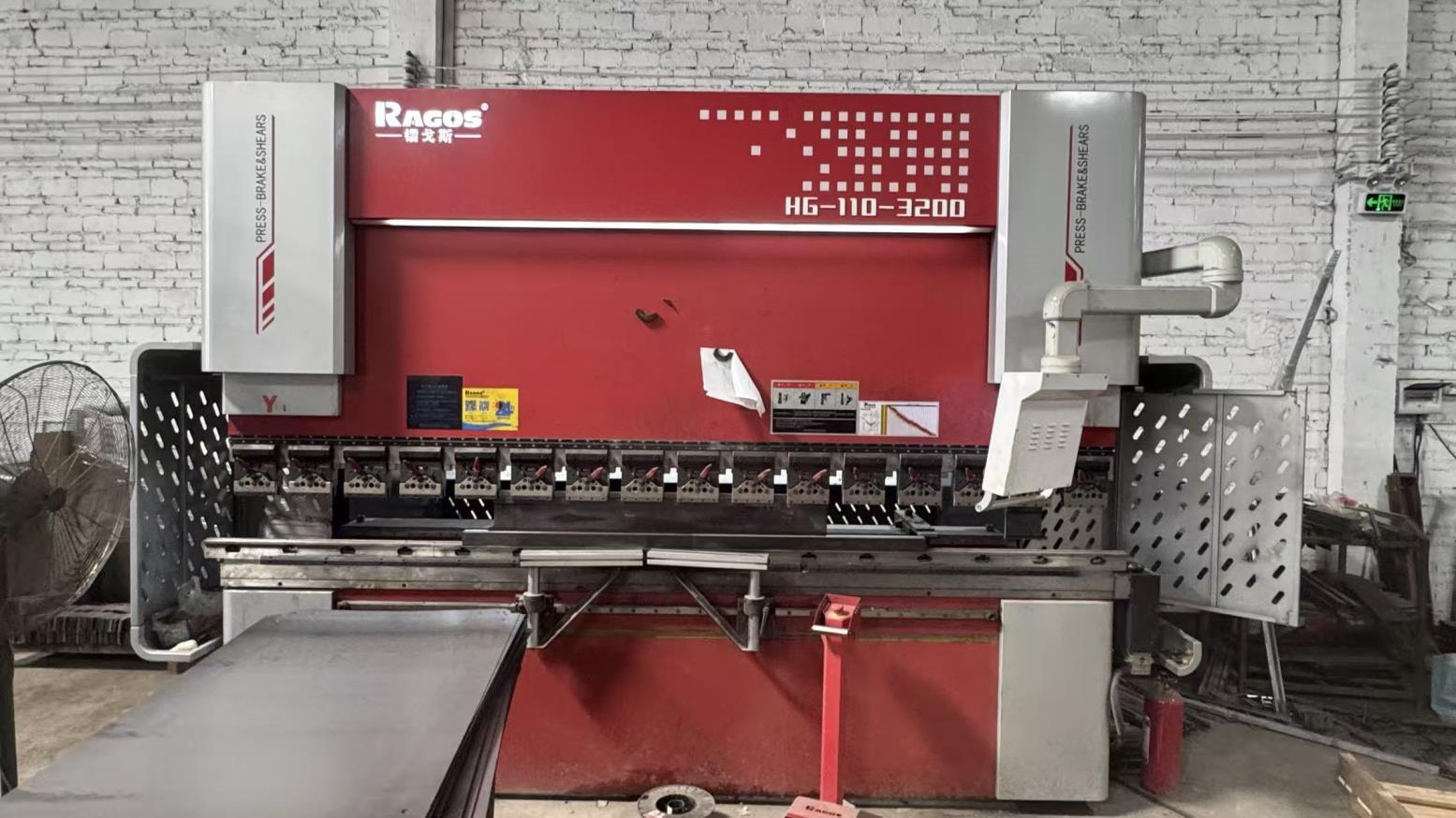
Precision Bending Press
Bending
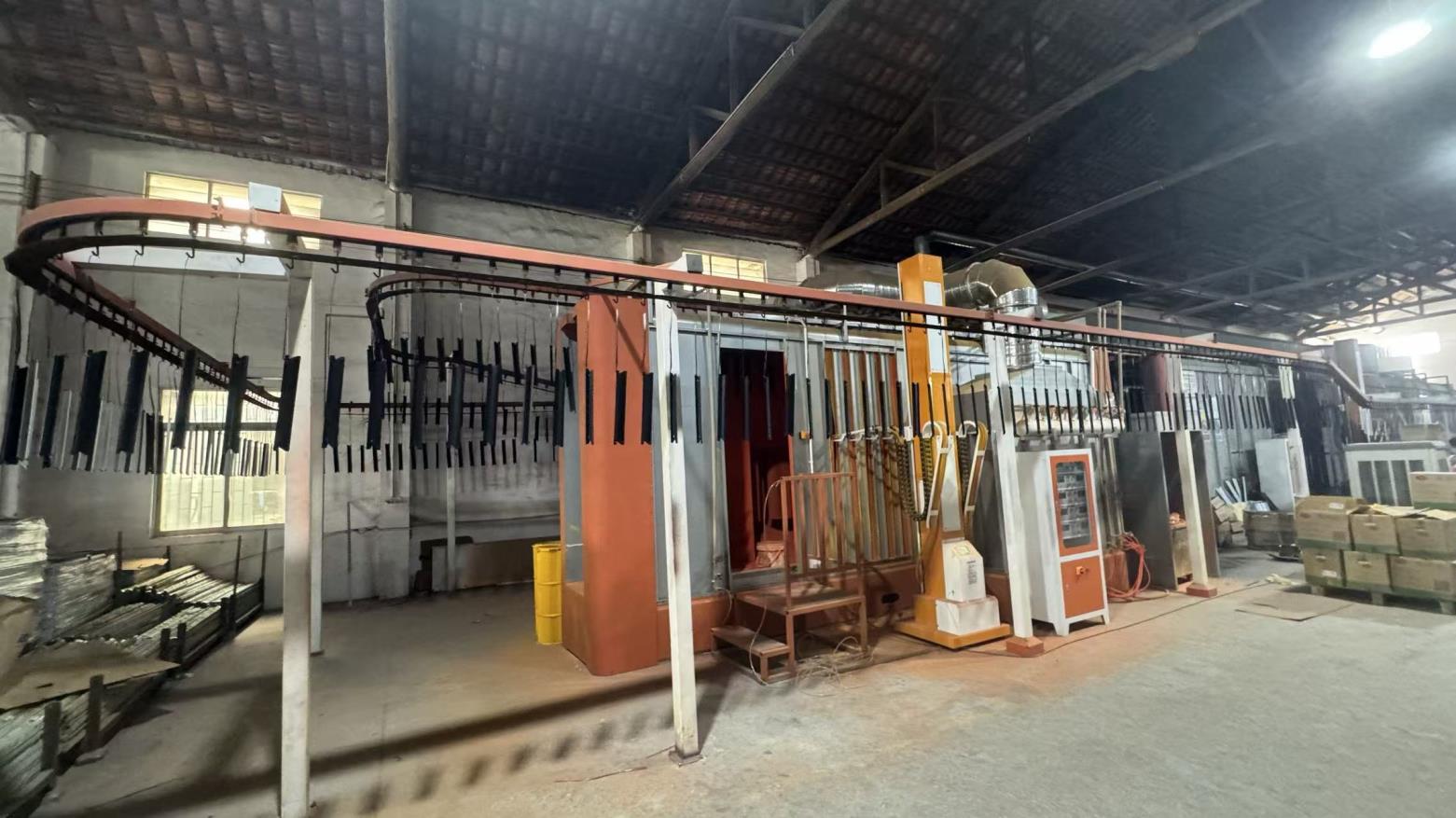
Electrostatic Powder Spraying
Spraying
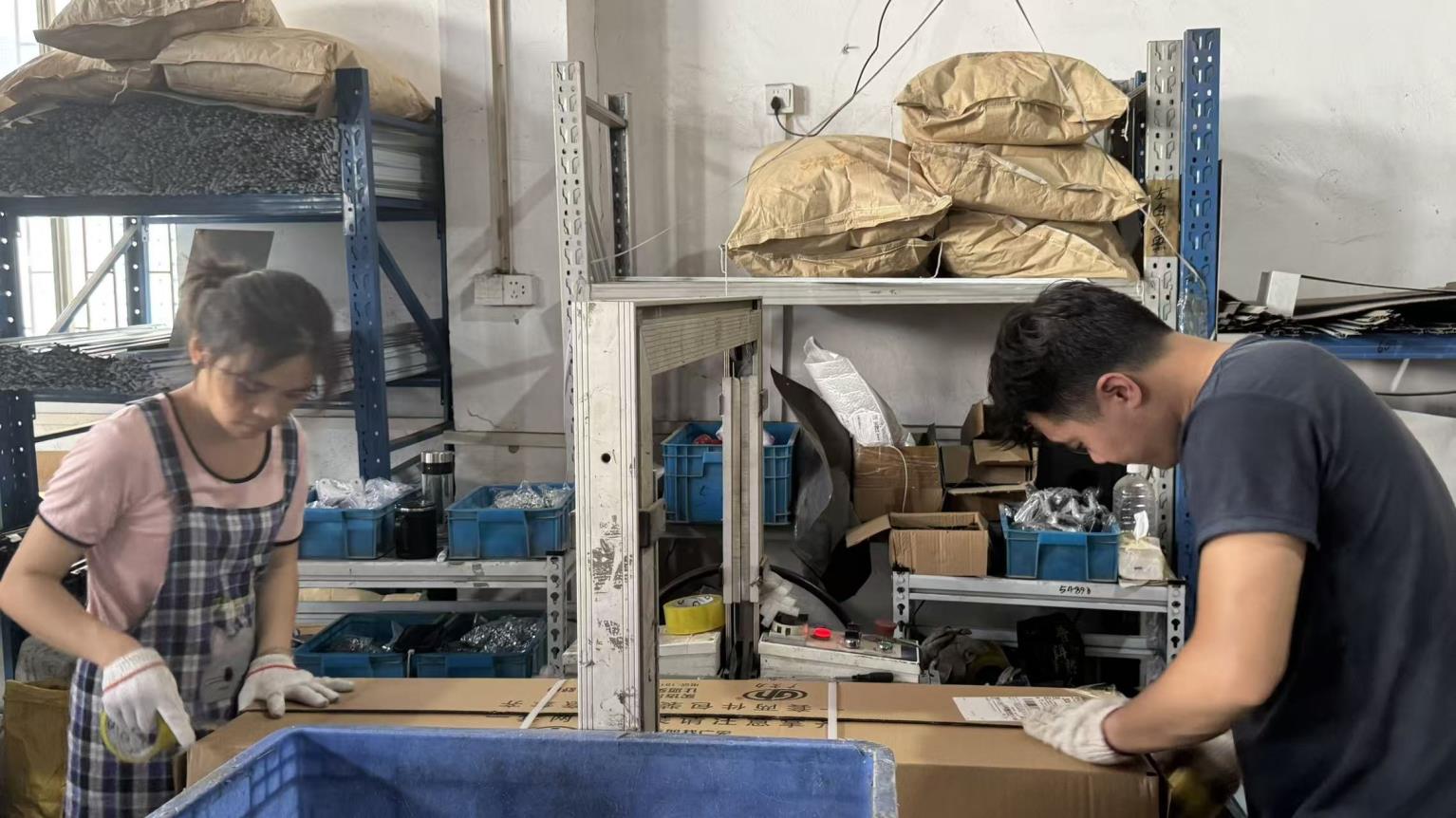
Flat-Pack Secure Packaging
Packing
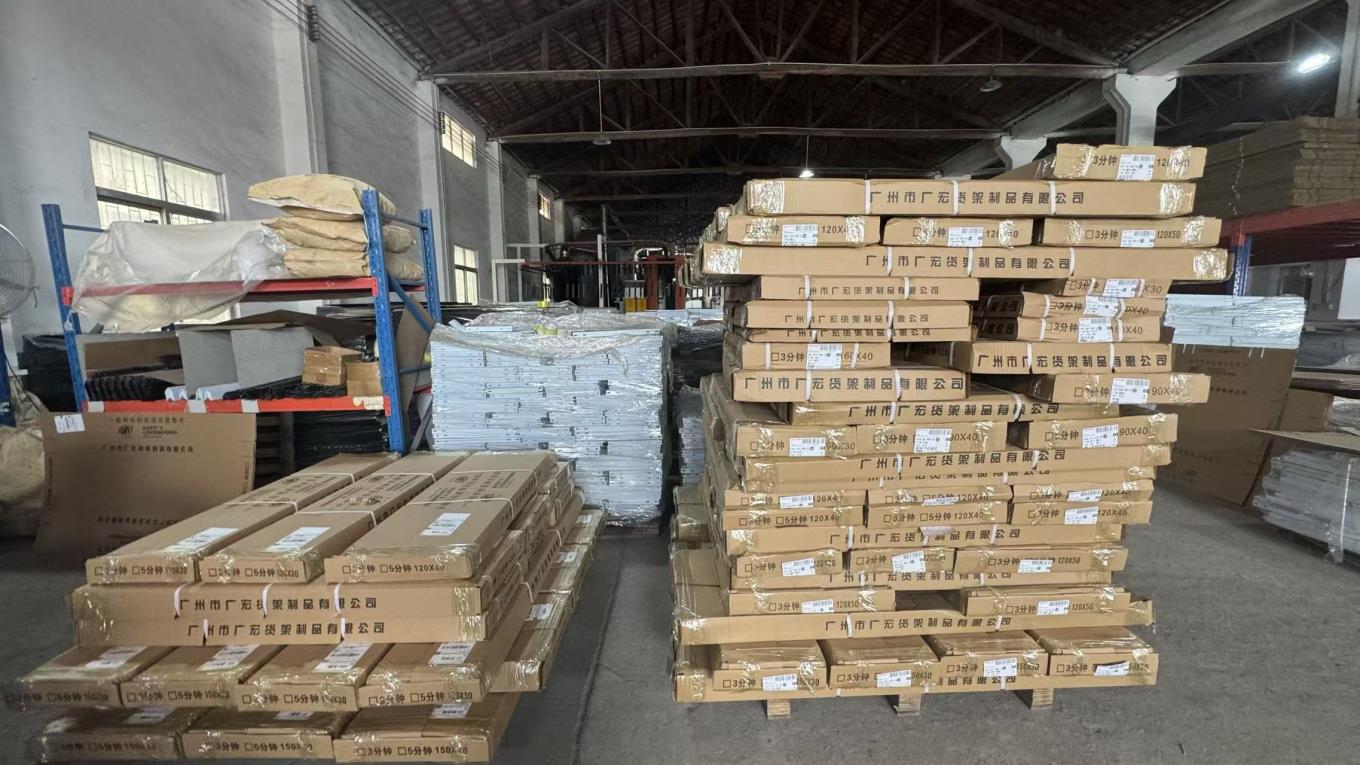
Warehouse Storage
Warehouse

Precision Production Machinery

Cold Rolling Forming Machine
Butt Welding Machine
CNC Machining Center
Bending Machine
Bending Machine
Spraying Line
Spraying Line
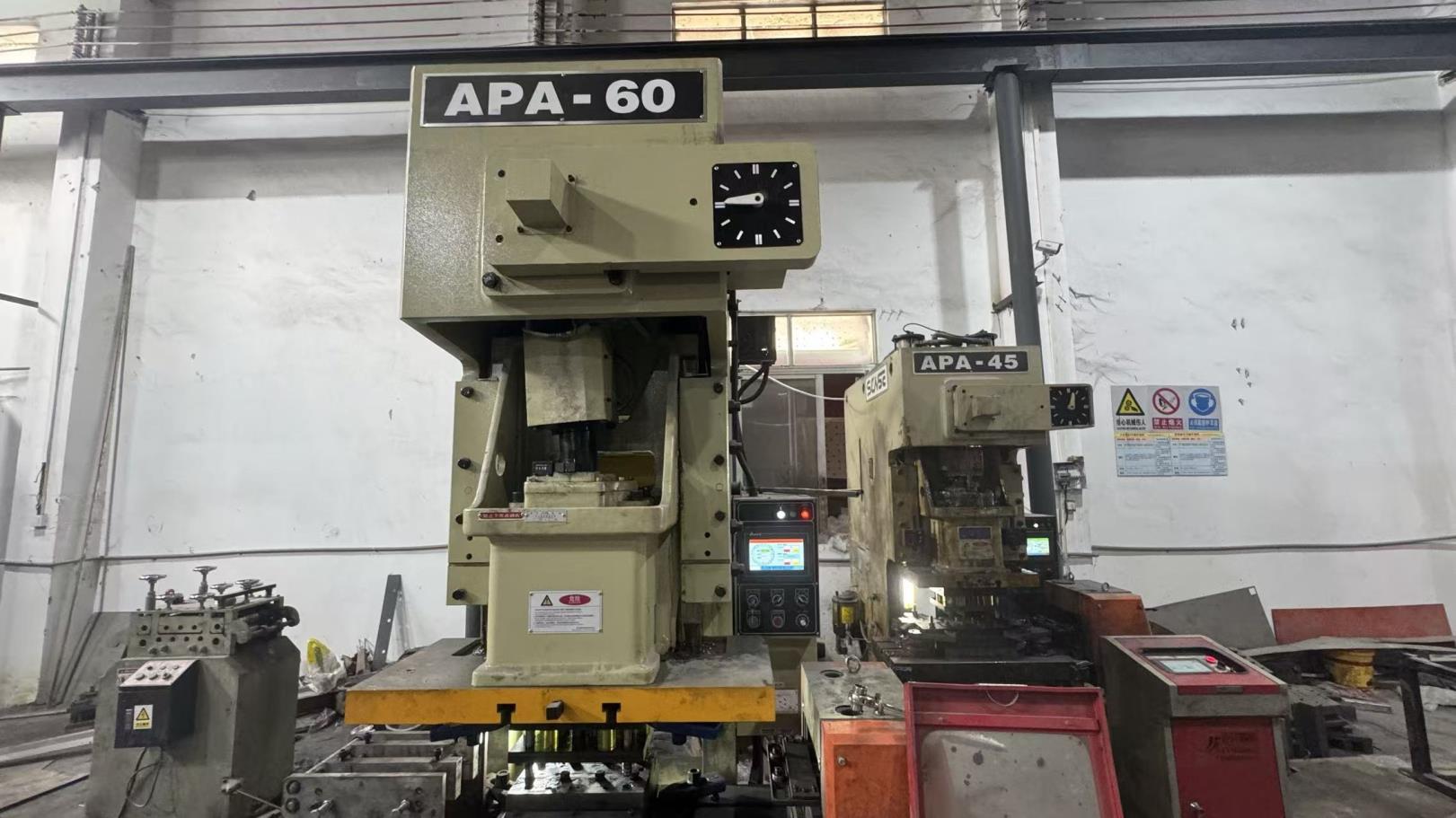
High-Speed Punching Machine
Punching Machine

Macro Industry Solutions & Vertical System Deployment

Retail configurations differ significantly across industry verticals. Applying a single shelving standard to every retail format can lead to operational inefficiencies or safety issues. Below are target environments and their corresponding storage requirements:

  • Grocery and Supermarket Outlets: Supermarkets require high-density, multi-shelf runs capable of carrying heavy, shifting inventories (liquids, canned food, and bulk items). Display racks must incorporate reinforced steel under-rib supports and wooden trims to elevate visual merchandising.
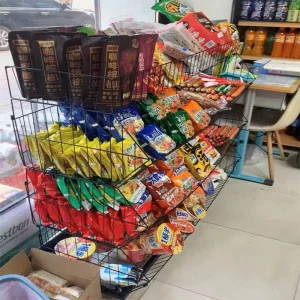
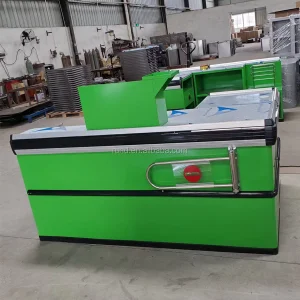
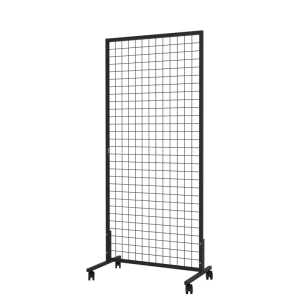
  • Convenience Stores (C-Stores): Space optimization is the priority in convenience formats. Wire display stands and compact checkout counters streamline traffic while maximizing SKU exposure. Black metal wire stands are popular for dry goods, snacks, and impulse buys.
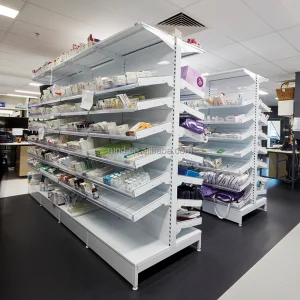
  • Pharmacy & Healthcare Environments: Pharmacies need clean, sterile-colored storage solutions that allow fast stock access. Specialized drawer systems and adjustable-angle wire shelving help pharmacists organize high-value prescription stocks and patient trays.
  • Boutique & Specialty Retailers: High-end outlets prioritize product presentation over pure density. Integrated systems featuring steel frame construction and premium wood accents support luxury goods, fine wines, and cosmetics while maintaining the store's aesthetic.
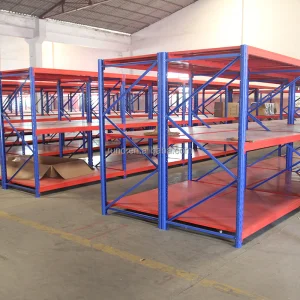
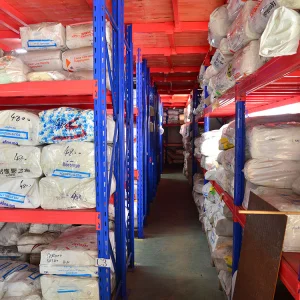
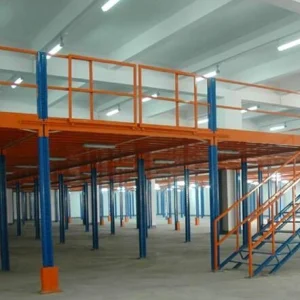
  • Heavy-Duty Warehousing & Hypermarket Stockrooms: For back-of-house storage and cash-and-carry formats, industrial pallet racks, VNA (Very Narrow Aisle) systems, and multi-tier mezzanine decks are necessary. These systems require high structural load ratings (often exceeding 500kg per level) and impact-resistant upright guards.

Technical Roadmap & Future Outlook

The commercial display sector is shifting from basic mechanical racking to automated, smart-store retail interfaces. This transition is defined by several key technological developments:

  1. Smart Shelves and Real-Time Inventory Control: Integrations of weight-sensor plates and micro-RFID antennas detect stock-outs and automatically trigger replenishment alerts in localized warehouse networks.
  2. Sustainable Powder Coatings: Powder-coating technology is moving toward low-temperature curing cycles and VOC-free formulations, supporting corporate ESG metrics.
  3. Advanced Modular Upright Systems: Keyhole connector and bracket designs allow store associates to adjust shelves without tools, reducing labor costs during store updates.

Global Compliance, Structural Safety & Seismic Performance

Large installations require verified compliance to ensure public safety and satisfy warehouse code inspectors. DeltaStorage platforms are manufactured under strict QA controls to meet international regulatory standards:

  • Seismic Engineering & Structural Stability: Steel rack designs are calculated to resist seismic lateral loads according to standards like ASCE 7 and EN 15512, particularly in active earthquake regions.
  • CE and TUV Certifications: Compliance certifications guarantee that material composition, load-bearing capacities, and weld joints meet stringent safety standards.
  • Salt Spray & Environmental Corrosion Simulation: High-humidity environments (such as cold-storage facilities or coastal distribution centers) require finishes tested against ASTM B117 salt spray standards to prevent premature corrosion.

Frequently Asked Questions (FAQ)

Get answers to technical, commercial, and logistical questions about retail shelving and warehouse racking procurement.

Q1: What are the primary steel grades utilized in DeltaStorage products?
We use high-grade SPCC cold-rolled steel for commercial gondola panels and premium Q235B structural carbon steel for industrial racking columns. All raw materials undergo spectrographic alloy analysis to ensure tensile consistency.
Q2: How does Ningbo Dade calculate load-bearing limits for retail gondola shelving?
Load capacity is determined using FEA (Finite Element Analysis) modeling and verified with physical hydraulic testing. Load capacity (UDL - Uniformly Distributed Load) ranges from 50kg to over 150kg per level on light-duty shelves, and up to 500kg+ on heavy-duty warehouse racking beams.
Q3: What finishes are applied to prevent wear, humidity damage, and rust?
All metal parts undergo a multi-stage chemical pre-treatment process (degreasing, pickling, and phosphating) followed by electrostatic powder coating. This produces a wear-resistant finish with high scratch resistance and meets salt-spray weathering simulation standards.
Q4: What is the typical lead time for custom production orders?
Standard production runs are completed in 20-30 days from layout approval. Custom tooling designs or complex finishes may add 10-15 days to the production cycle.
Q5: Do your racking systems comply with American and European building codes?
Yes, our structures conform to CE, TUV, and ISO14001 guidelines. For regions with active seismic requirements, our engineering team provides customized calculation profiles compliant with ASCE-7 and European EN design codes.