Top 10 Heavy Duty Racks Manufacturers & Engineering Whitepaper

A Comprehensive Structural Analysis, Global Supply Chain Insight, and High-Density Storage Roadmap for Modern Distribution Center Logistics

1. The Evolution of Industrial Heavy-Duty Racking

The industrial storage landscape is undergoing a massive structural shift. Driven by the rapid expansion of global e-commerce, automated logistics integration, and land-use optimization strategies, heavy-duty racking has moved beyond simple steel shelving. Modern systems must handle high static and dynamic loads, integrate seamlessly with robotics, and withstand seismic forces while remaining completely modular.

Key Market Trend: High-density automated warehousing (such as AS/RS systems and shuttle racking) is growing at an annual rate of 15%. Global procurement leads now evaluate systems based on structural finite element analysis (FEA) and dynamic performance coefficients, rather than price per ton alone.

Understanding the capabilities of top-tier manufacturers is crucial for global supply chain managers. High-quality racking prevents catastrophic warehouse collapses, minimizes inventory damage, and maximizes vertical warehouse space, directly impacting operational ROI.

2. Global Enterprise Procurement Trends

Global procurement teams prioritize engineering capabilities, compliance certifications, and material quality assurance. In regions like North America, Europe, and the GCC, strict structural codes (such as RMI in the US and FEM 10.2.02 in Europe) dictate safety factors and structural calculations.

  • Raw Material Traceability: Direct mill-certified structural steel (e.g., Q235B or Q355B grades) with consistent chemical compositions.
  • Surface Treatment Durability: Advanced electrostatic powder coating or hot-dip galvanization to survive aggressive environments and cold-storage facilities.
  • Seismic Optimization: Seismic-rated baseplates, heavy upright profiles, and specific beam connector geometry to dissipate energy during dynamic shifts.

Ningbo Dade Smart Storage Equipment Co., Ltd. (DeltaStorage)

An elite global manufacturer of high-density automated racking systems, heavy-duty cantilever structures, and mezzanine platforms.

2012
Established Year
48,000 m²
Production Area
14 Years
Industry Experience
$45M USD
Annual Export Rev.

Uncompromising Quality Assurance & Testing

Safety and reliability are engineered into every component. With a dedicated team of 82 full-time quality assurance engineers, DeltaStorage maintains full ISO14001, CE, and TUV certifications. Our testing labs perform exhaustive product inspections, including:

  • Spectrographic raw material alloy analysis to verify steel strength grades.
  • Automated optical weld seam inspection for structural load path integrity.
  • Continuous salt-spray weathering simulation to ensure corrosion-resistant surface coatings.
  • Multi-axis dynamic load durability testing simulating years of high-frequency operation.

State-of-the-Art R&D & Customization Capabilities

With an experienced R&D unit composed of 120 engineers, DeltaStorage specializes in complex finite element analysis (FEA), customized loading scenarios, and automated shuttle system integration. In the past year alone, the engineering team has introduced over 120 new product variations to address complex modern logistic needs.

We tailor solutions down to specific upright configurations, customized beam connectors, seismic design coefficients, and bespoke surface treatments for cold-chain systems.

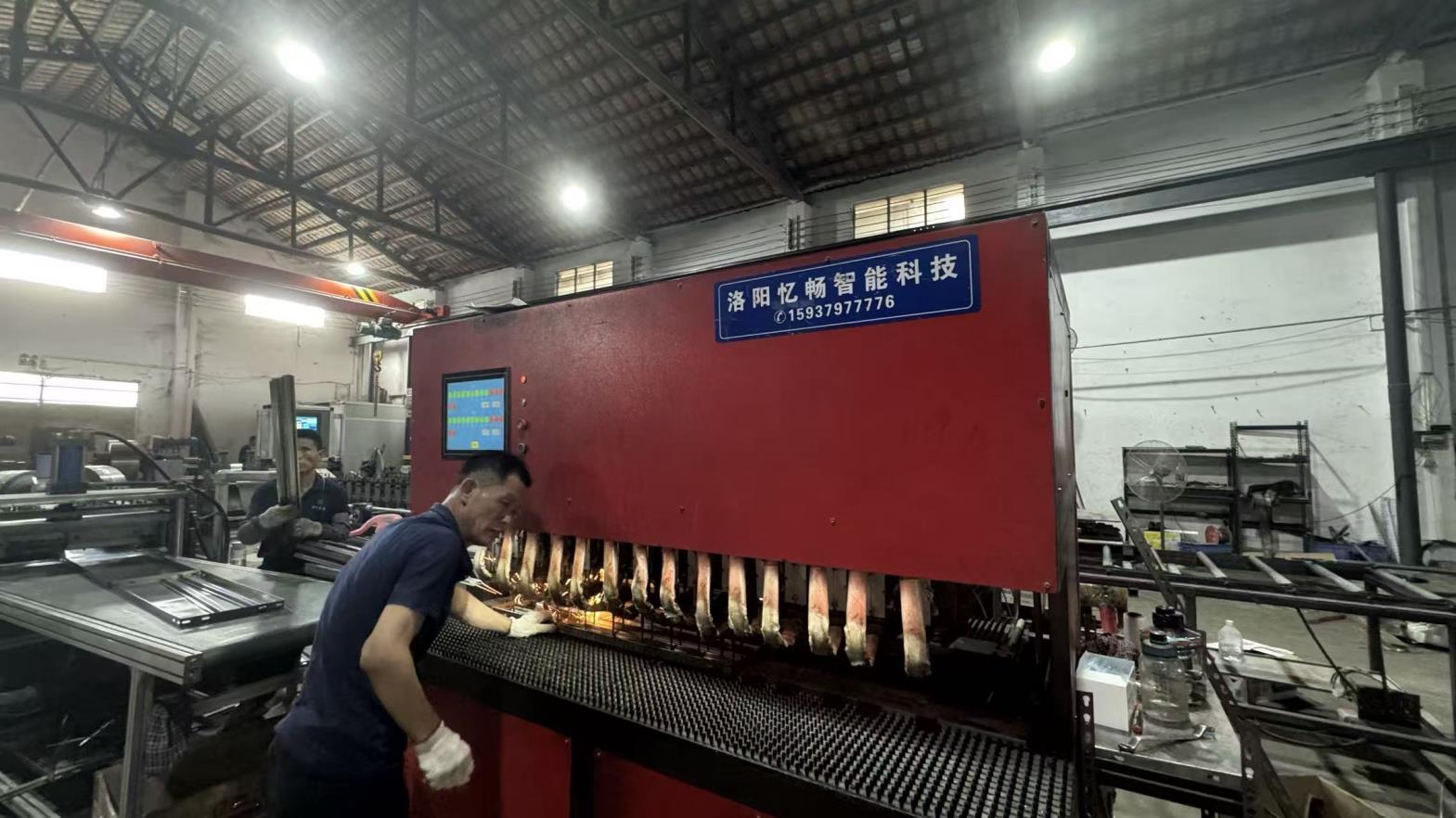
Advanced Manufacturing Process & Machinery

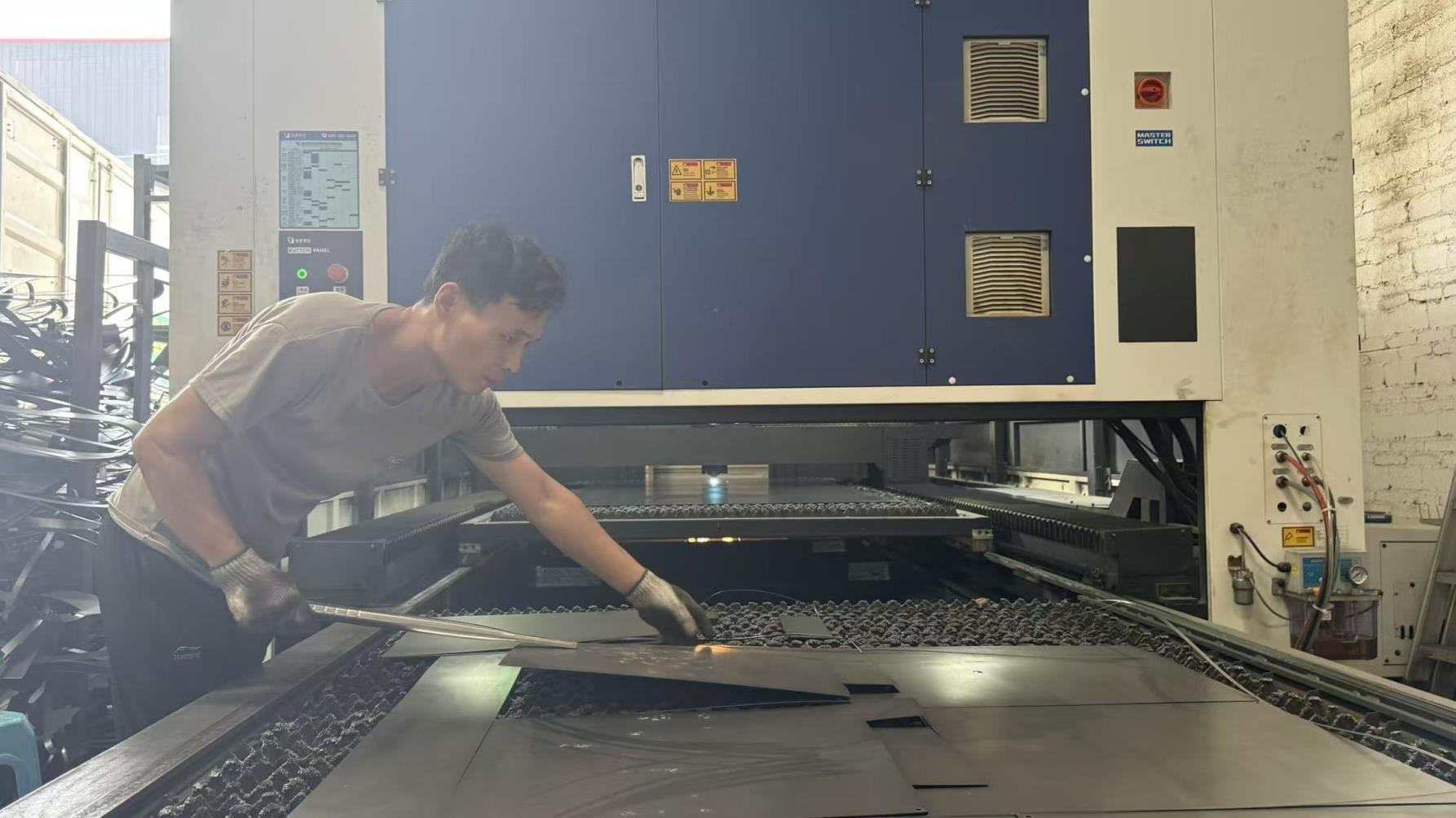
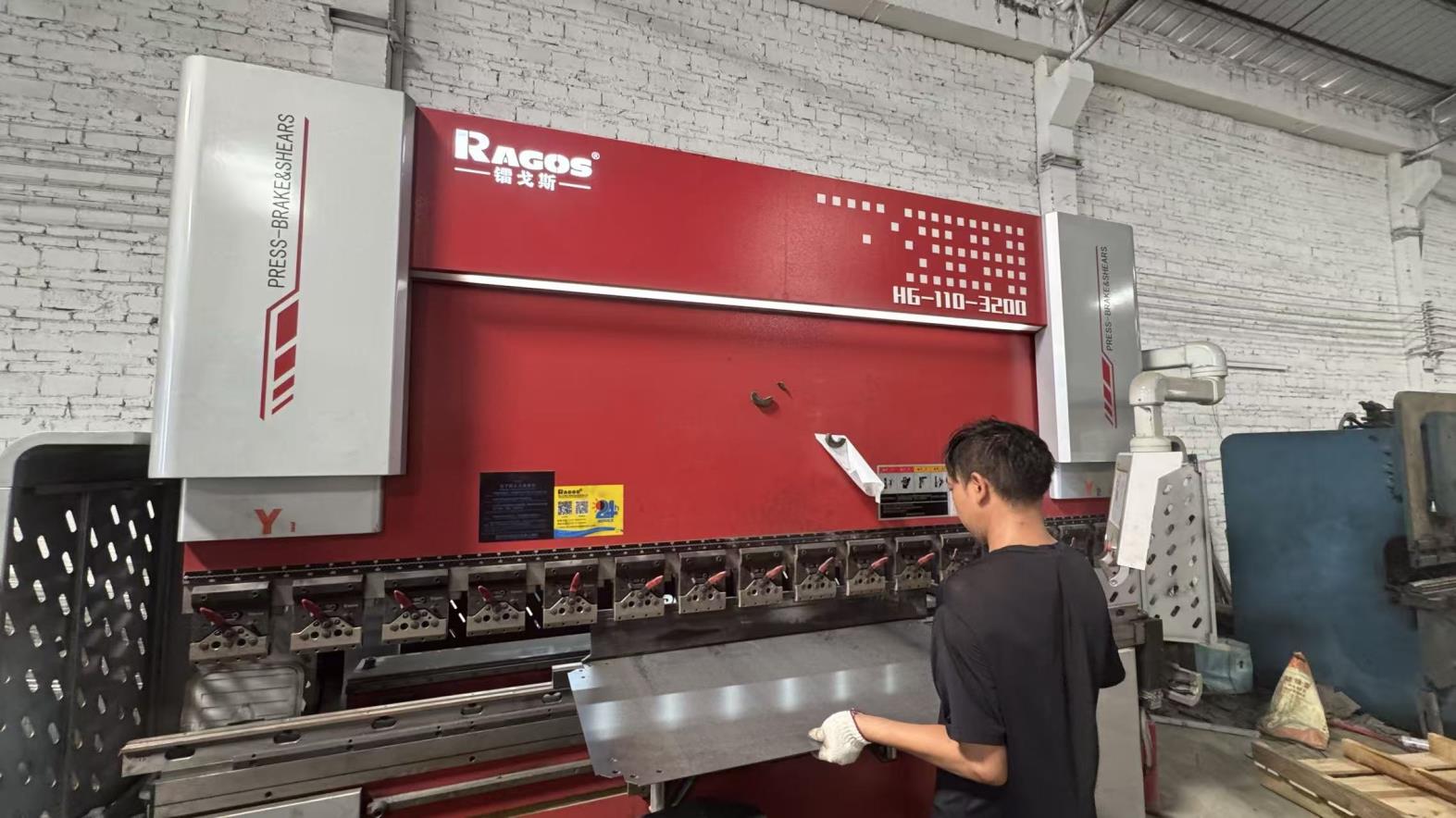
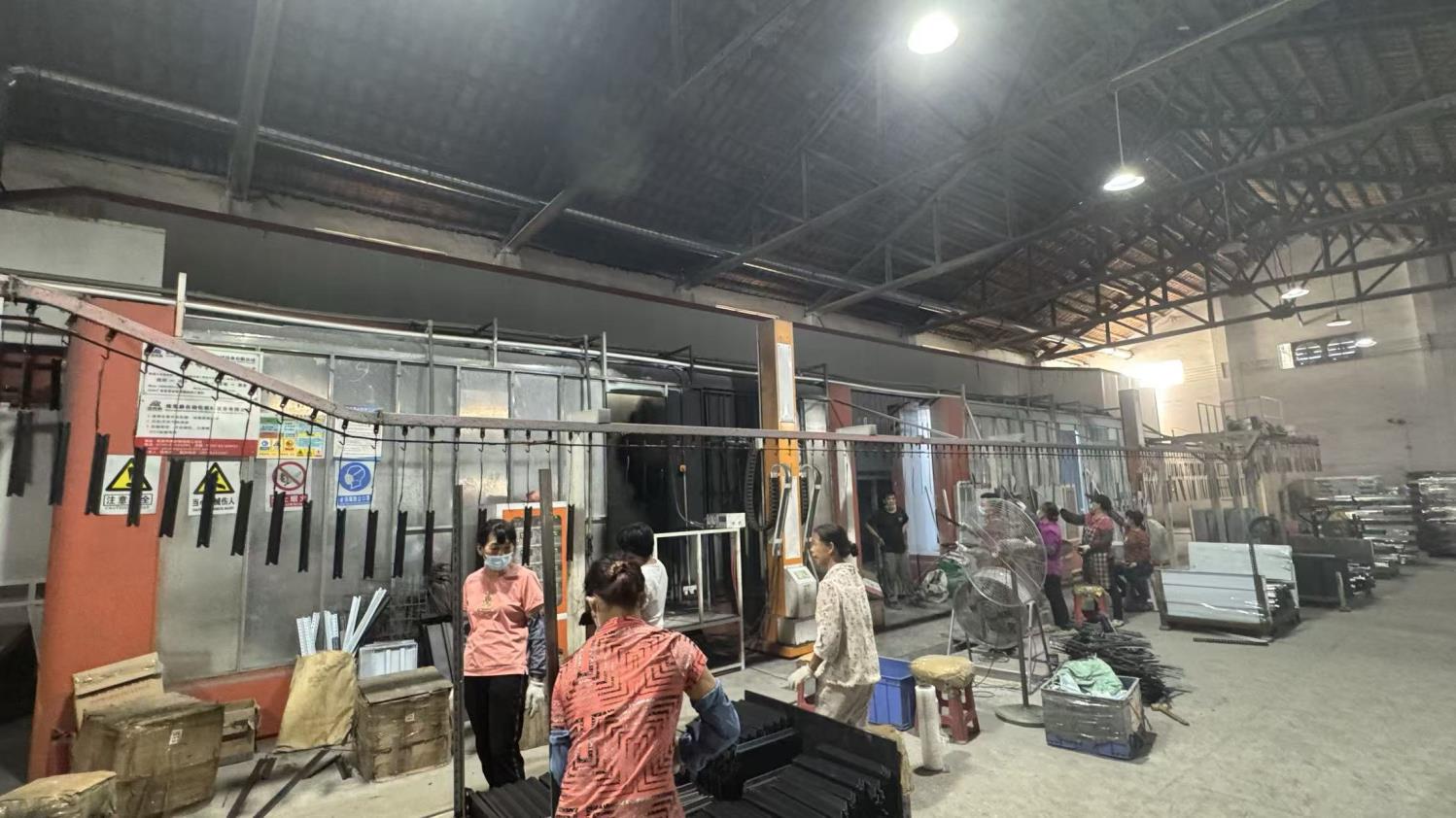
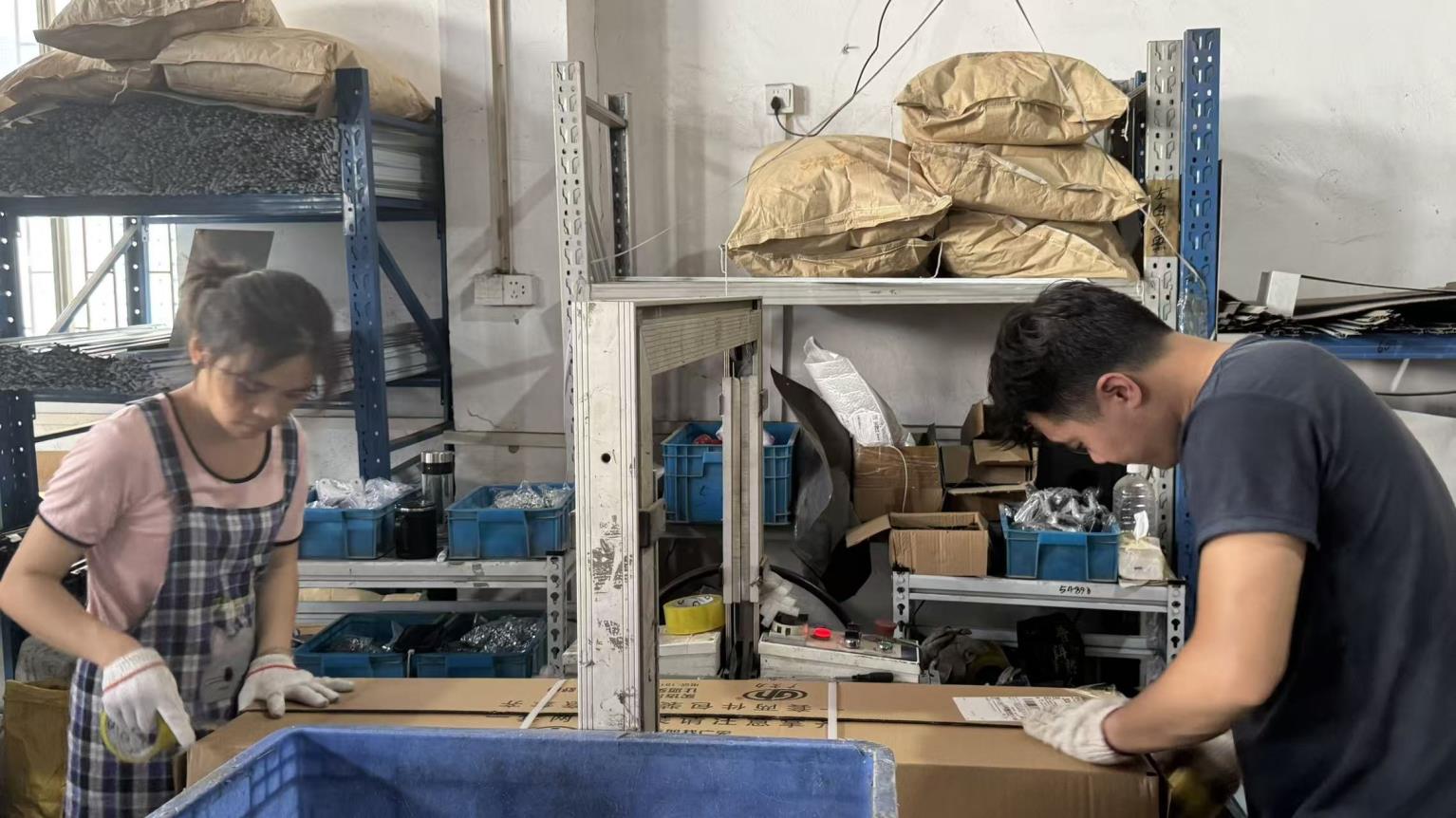
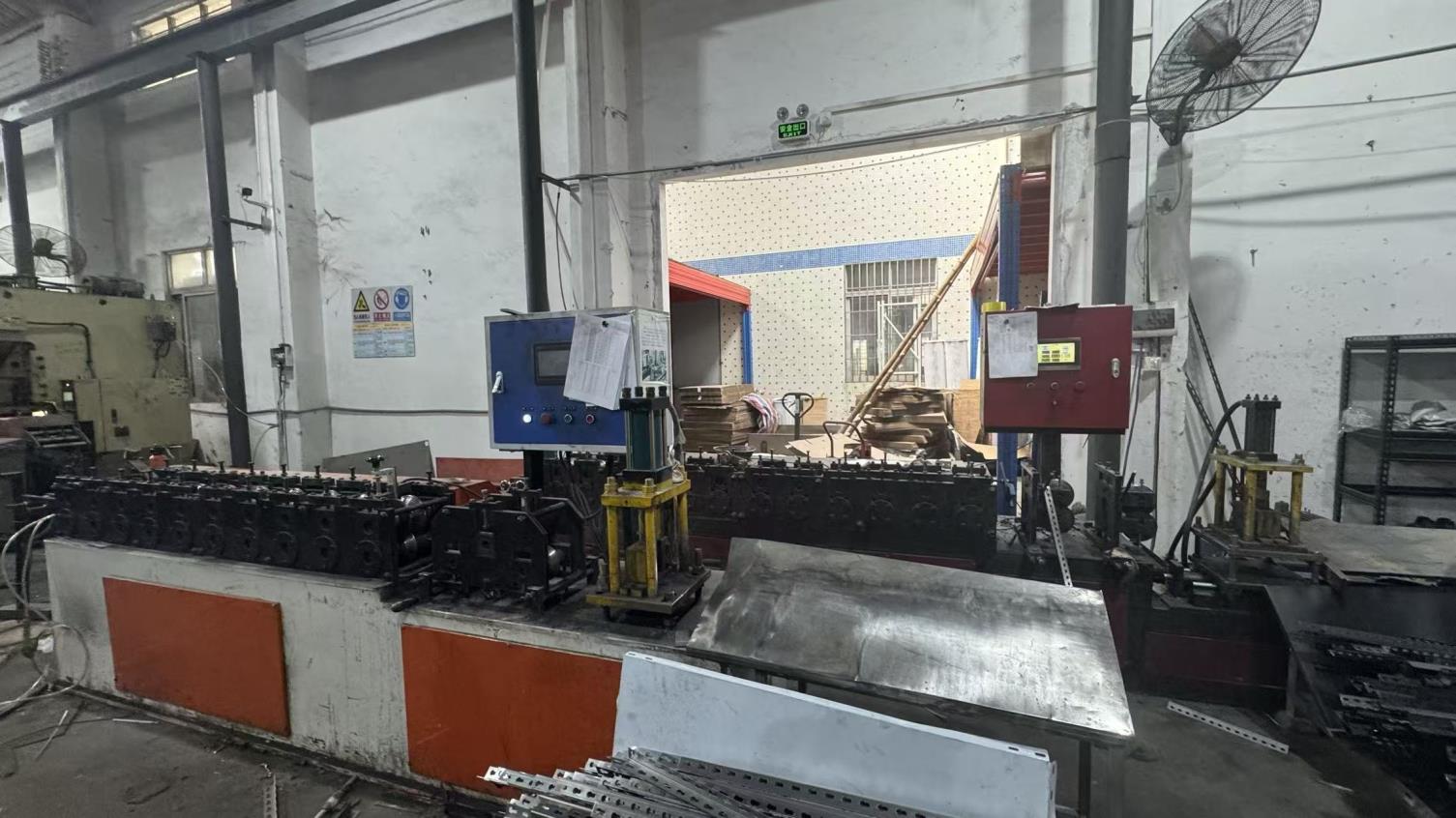
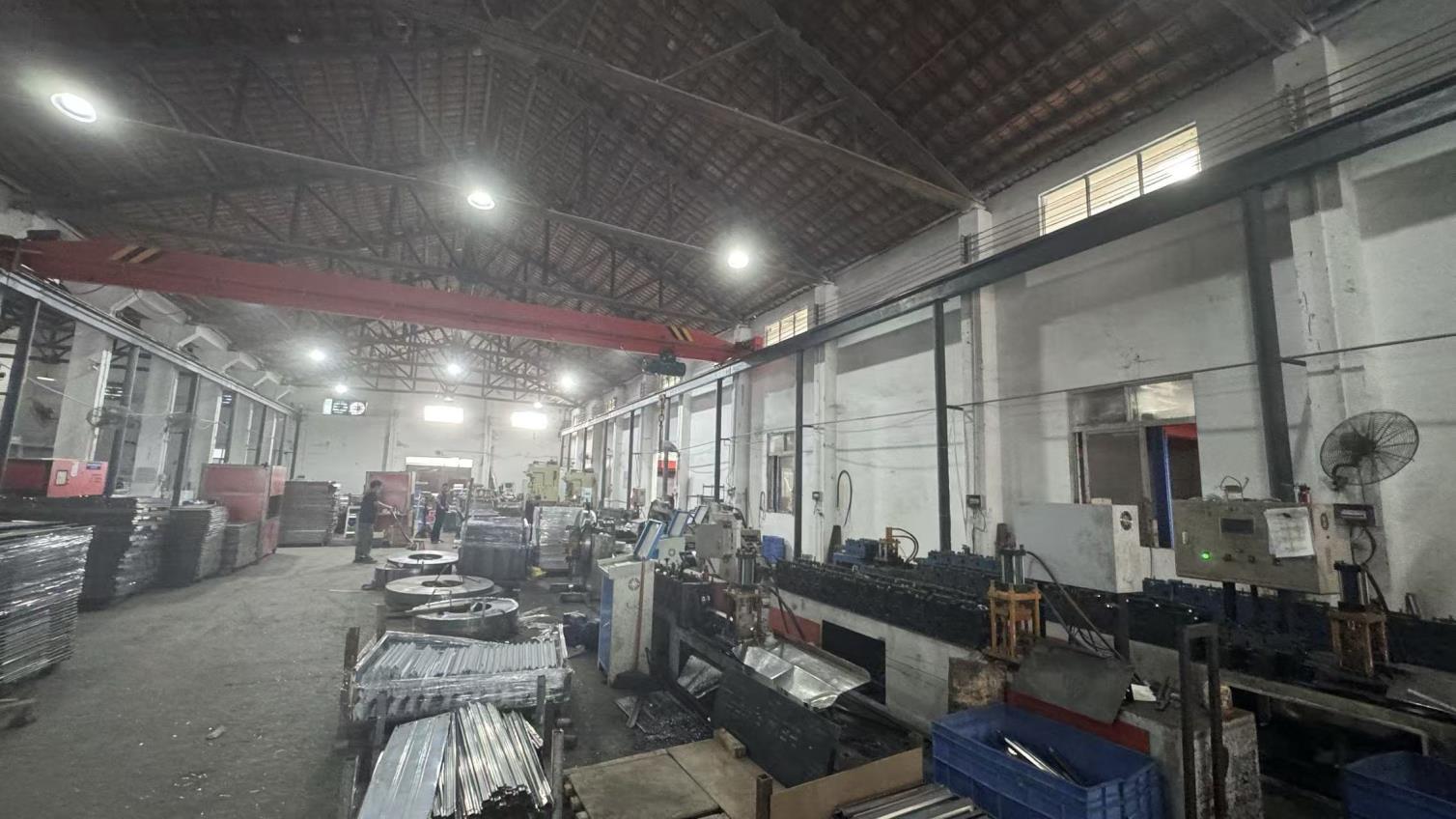
See our step-by-step production flow, utilizing advanced roll-forming machinery, high-precision automated welding, and state-of-the-art laser processing equipment.
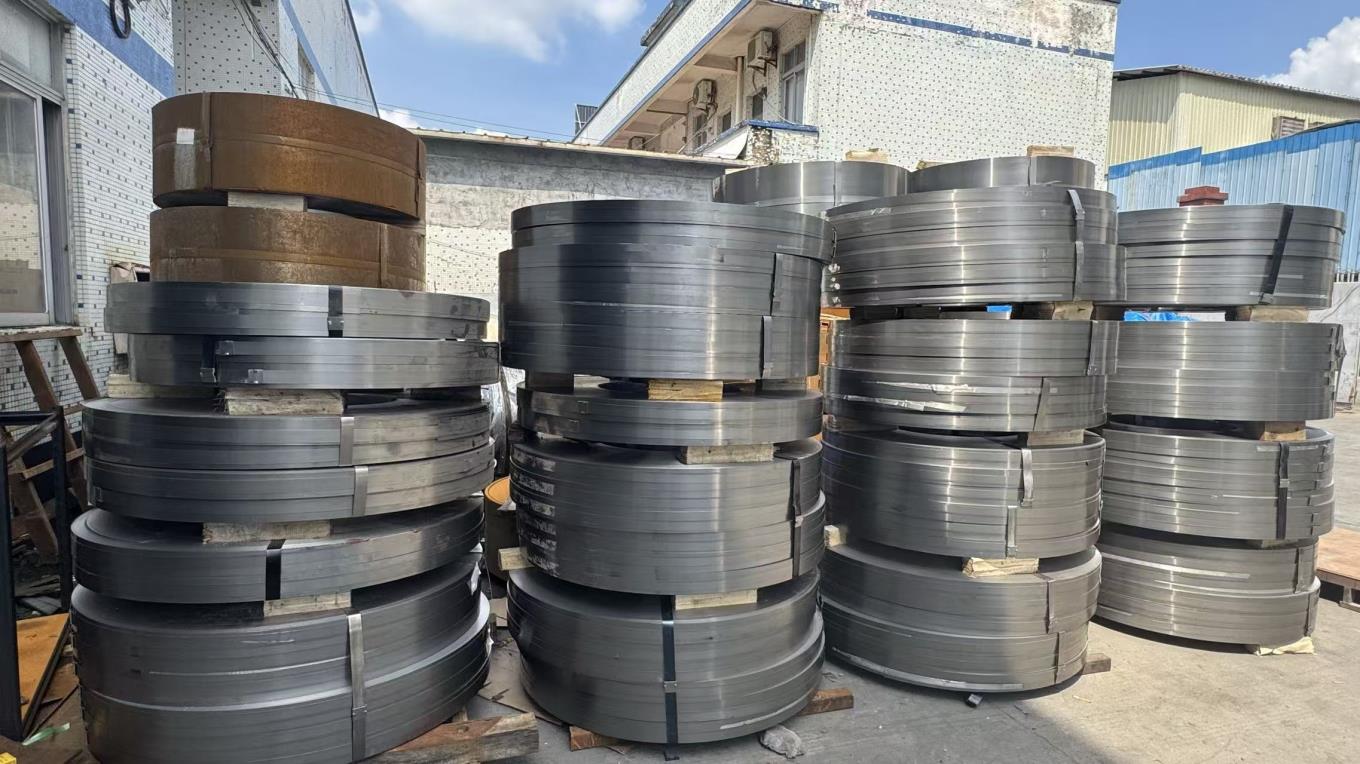
Raw Material Inspection
Raw Material
Steel Cold Forming
Forming
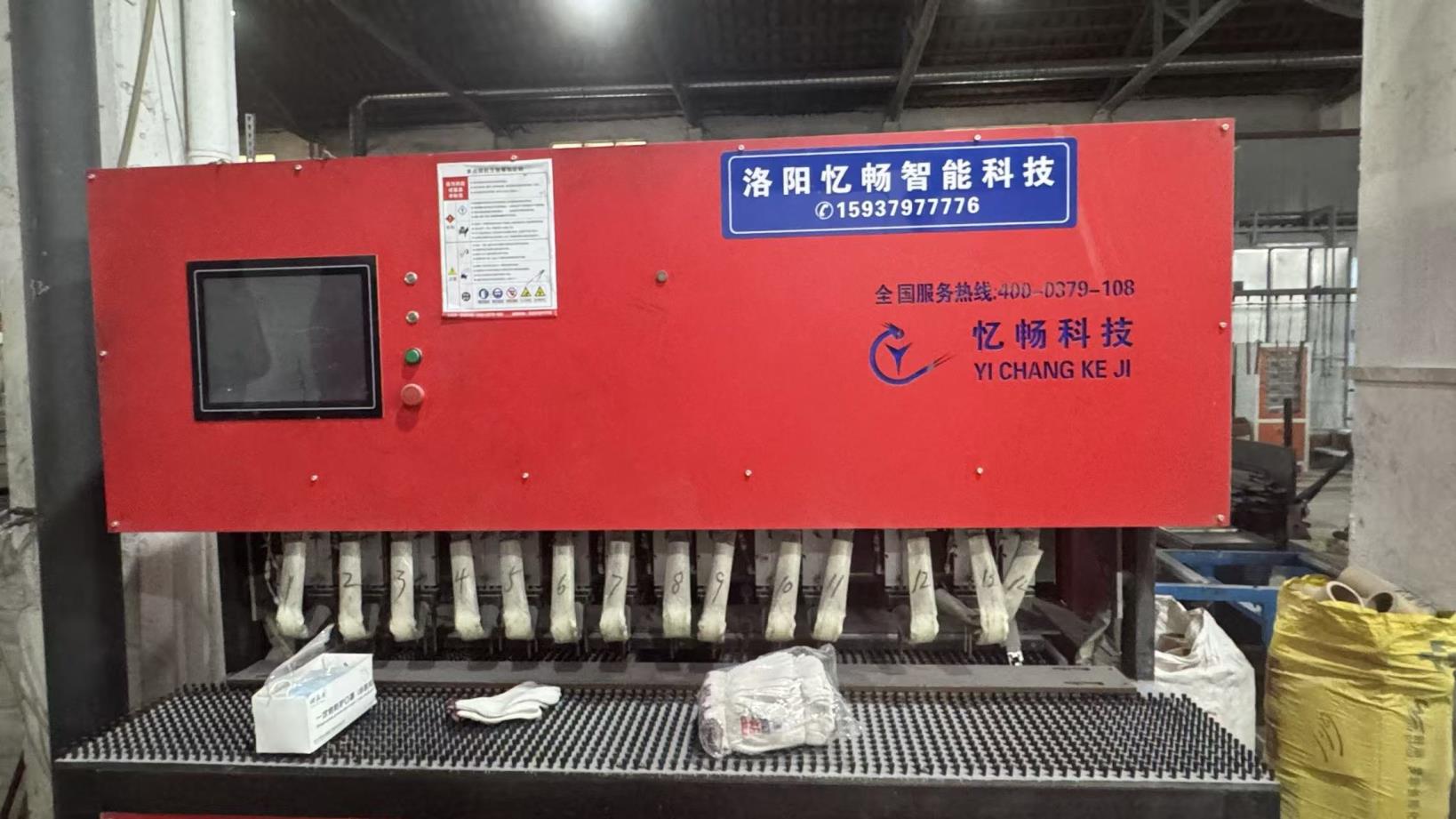
Heavy Duty Butt Welding
Butt Welding
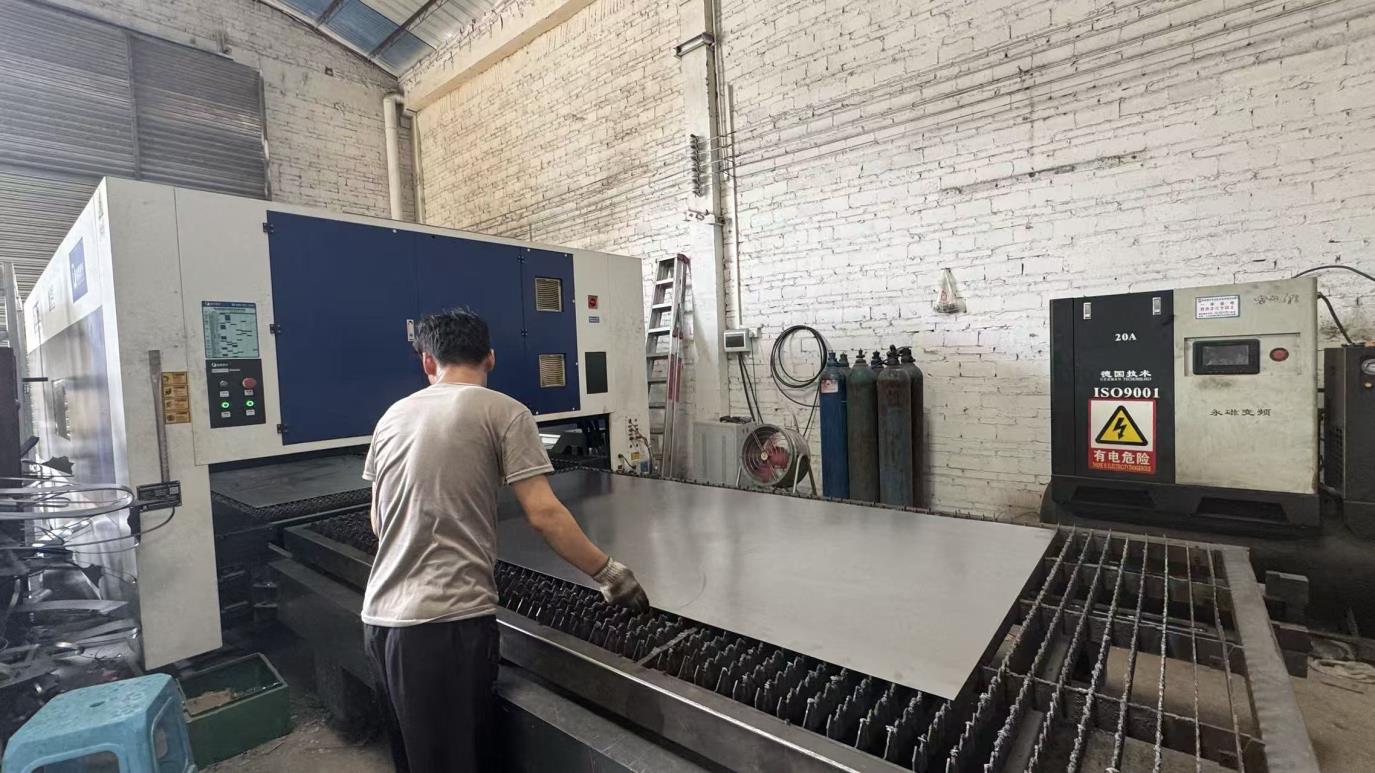
Precision Laser Cutting
Laser Cutting
Sheet Metal Bending
Bending
Powder Spraying Line
Spraying
Standard Export Packing
Packing
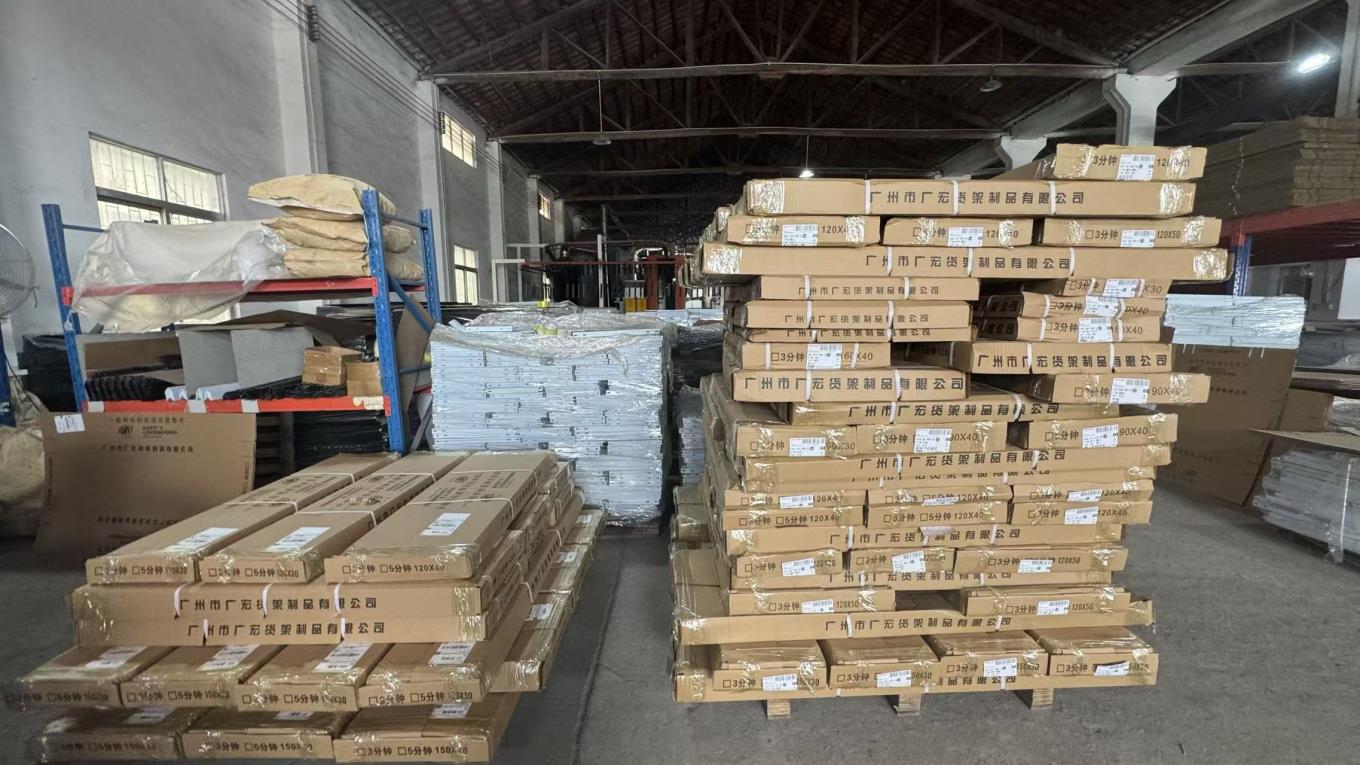
Finished Goods Warehouse
Warehouse
Cold Rolling Forming Machine
Automated Butt Welding Machine
Butt Welding Machine
CNC Machining Center
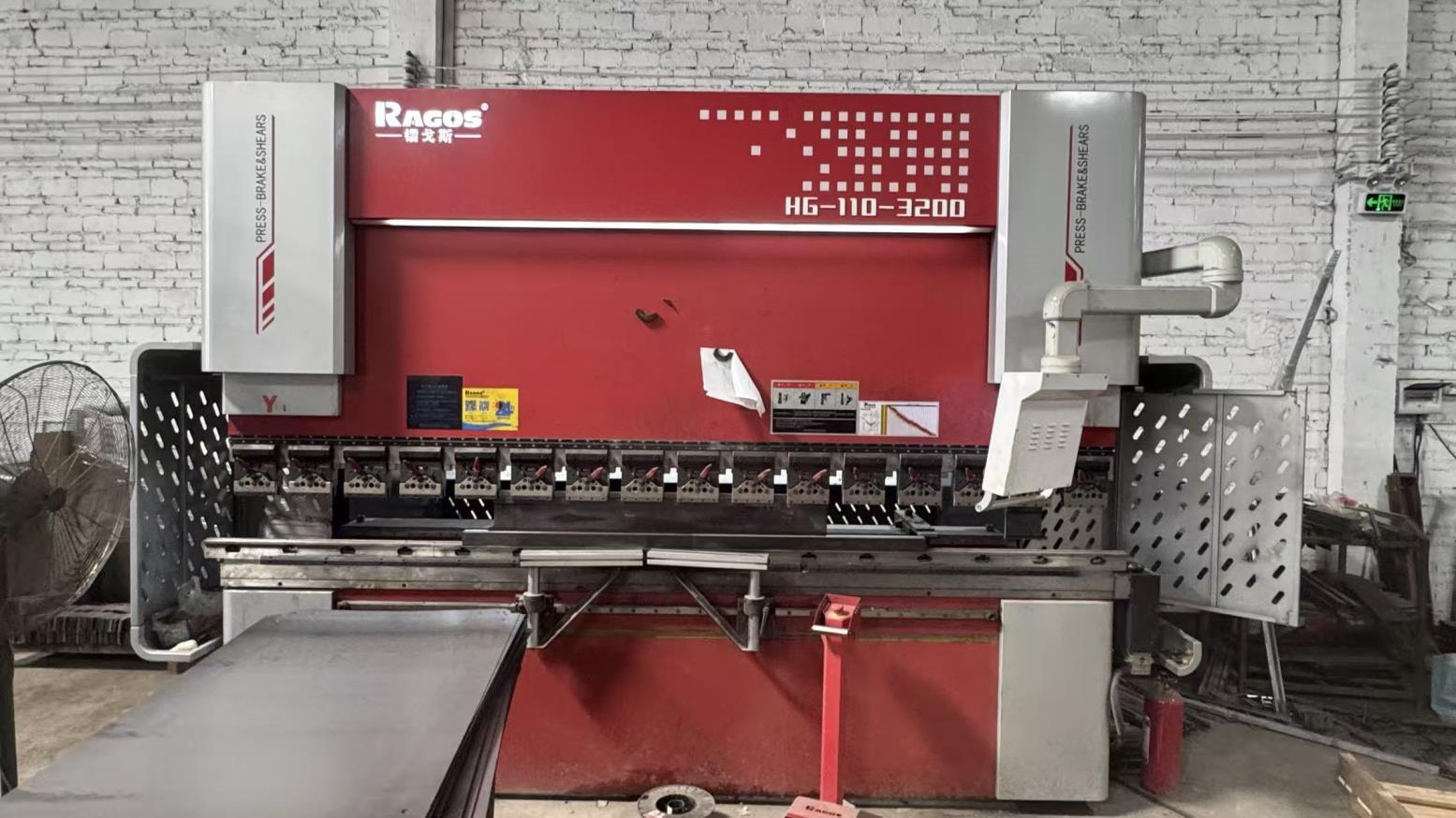
Hydraulic Bending Machine
Bending Machine
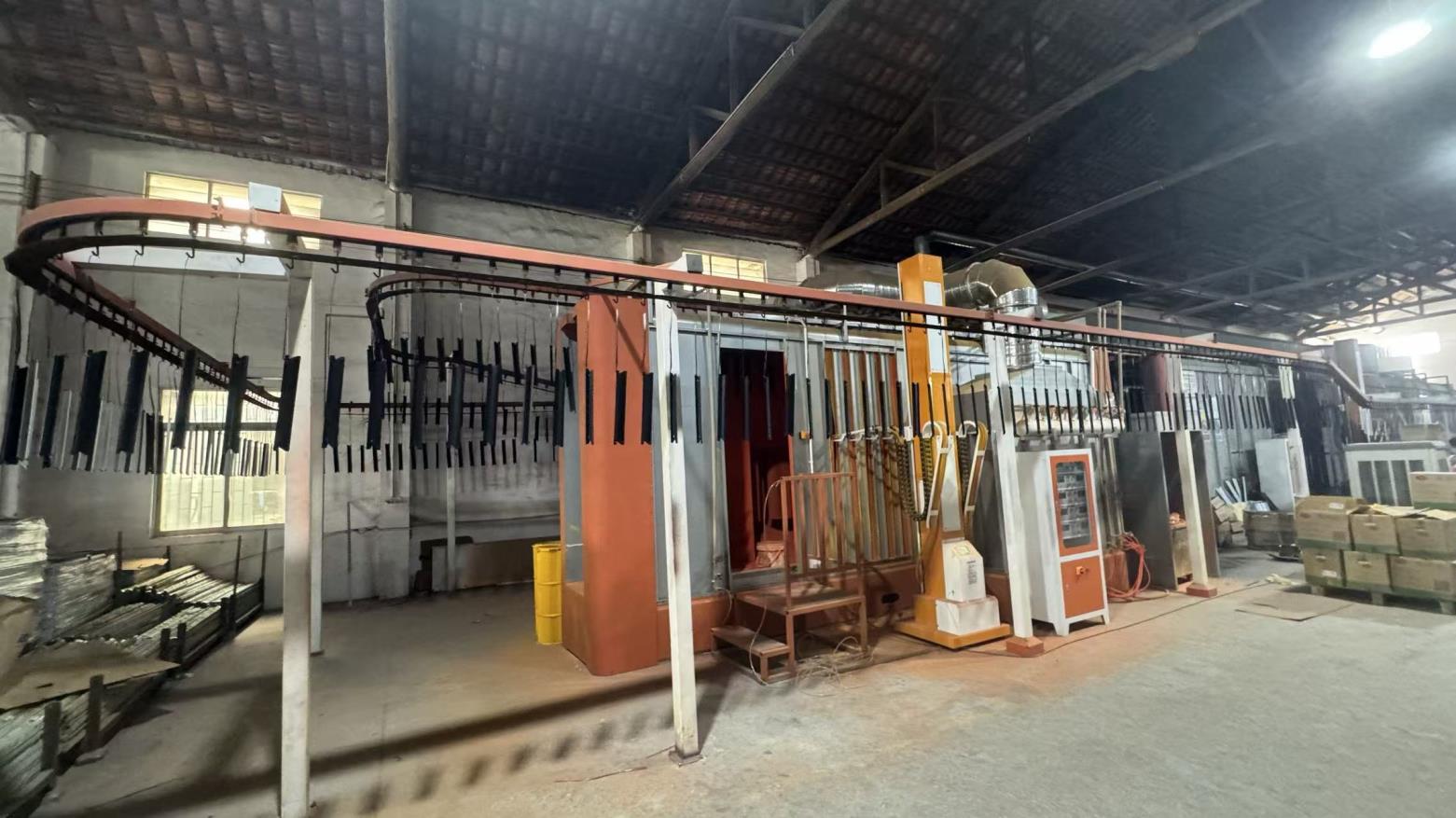
Automated Electrostatic Spraying Line
Spraying Line
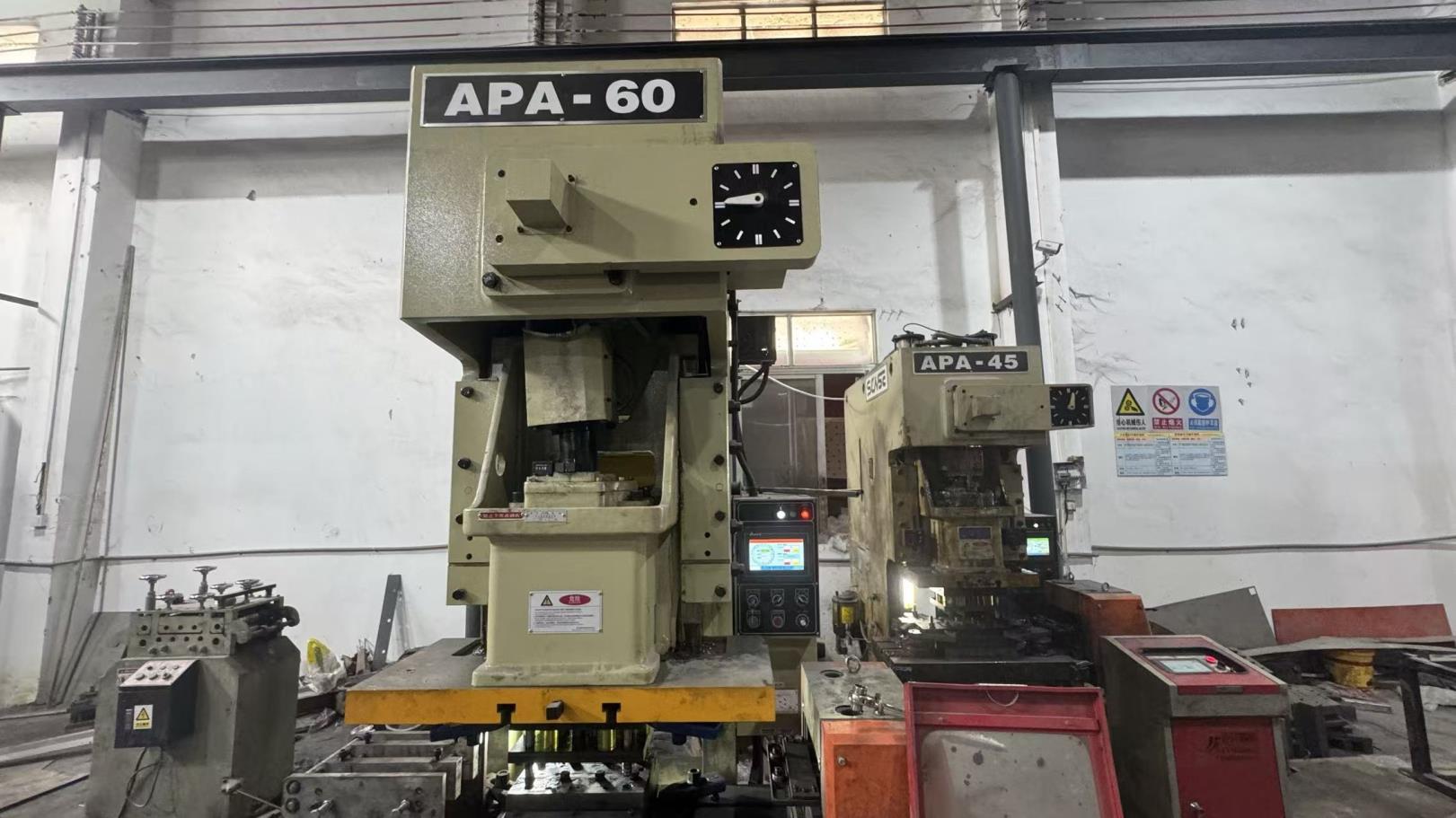
Automated Punching Machine
Punching Machine

Understanding the Industry Matrix: Top 10 Manufacturers

To assist enterprise logistics managers in benchmarking suppliers, here is a macro analysis of the leading global manufacturers of heavy-duty industrial racks, evaluating core competencies, regional presence, and typical applications:

  • SSI SCHAEFER: The global standard for ultra-dense automated system integration (AS/RS) and large distribution hubs.
  • Dexion: Recognized for historical engineering expertise and dominant coverage in Europe and APAC markets.
  • Mecalux: A European leader with major manufacturing footprints across both Europe and North America, offering comprehensive software (WMS) and racking integration.
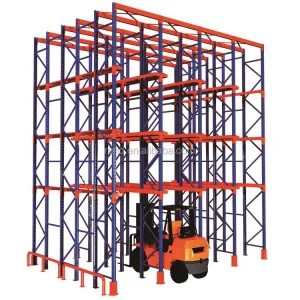
  • Stow Group: A pioneer in high-density drive-in systems and structural shuttle racking solutions.
  • DeltaStorage (Ningbo Dade): Premier direct-to-enterprise manufacturer specializing in custom heavy-duty setups, competitive pricing structures, and quick turnarounds.
  • Interlake Mecalux: The North American division of Mecalux, focusing on RMI-compliant systems and wide-span selective pallet racking.
  • Apex Logistics Racks: Known for rugged structural configurations tailored to industrial plants in North America.
  • Steel King Industries: Specializes in heavy structural steel configurations for high-risk industrial environments.
  • Ridg-U-Rak: Large-scale US manufacturer with specialized offerings in roll-formed and structural steel storage.
  • Link-Belt Storage Systems: Known for reliable industrial racking and tailored heavy-load components.

Macro Solutions Across Diverse Verticals

Heavy-duty storage systems must be tailored to their specific industry application to maximize throughput and safety:

  • Automated Distribution Centers (AS/RS): Incorporates ultra-precise tolerance racking. Structural deflection must be minimized to ensure the flawless operation of automated cranes and shuttle vehicles.
  • Pharmaceutical & Food Cold Chains: Requires heavy-duty hot-dip galvanized or specialized powder-coated finishes that resist corrosion in environments down to -30°C.
  • Chemical and Hazardous Goods Storage: Integrates custom spill-containment systems, drop-in wire decking, and high-impact upright guards to protect workers and products.
  • Third-Party Logistics (3PL): Highly adjustable selective pallet racking allows logistics managers to reconfigure layouts rapidly to accommodate shifting client storage needs.

Compliance & Global Engineering Calculations

Compliance is paramount. A high-quality supplier doesn't just sell steel; they provide certified calculations. Ensure your supplier delivers calculations verifying:

  • Compliance with ANSI/MH16.1 (Design, Testing, and Utilization of Industrial Steel Storage Racks).
  • Conformity to Eurocode EN 15512 structural standards.
  • Seismic analysis reports customized to your facility's ZIP code to ensure life-safety requirements are met.
  • Continuous weld monitoring and steel mechanical testing certificates for every production batch.

Technical FAQ - Industrial Heavy Duty Racks

Critical engineering and procurement questions answered by our structural design team.

What is the standard safety factor used in heavy-duty pallet rack engineering?
Under RMI (Rack Manufacturers Institute) and European FEM guidelines, industrial steel racking structures require a minimum safety factor of 1.94 to 2.0. This means the system is designed to support at least twice the rated maximum capacity without structural collapse, accounting for minor dynamic impact and manufacturing tolerances.
How does dynamic loading differ from static loading in automated shuttle racking?
Static loading is the weight of the stationary palletized goods sitting on the racking system. Dynamic loading occurs when automated shuttles, stacker cranes, or forklift trucks place or retrieve pallets. Dynamic loading introduces kinetic forces, acceleration, and deceleration forces. Rack structures for automated warehouses require tighter dimensional tolerances and robust frame connection points to absorb these continuous movements.
Why is finite element analysis (FEA) crucial prior to manufacturing?
Finite Element Analysis (FEA) simulates load distributions, environmental stresses (such as wind loading in rack-supported structures), and seismic events. Running computer-based FEA on upright profiles and connector assemblies allows structural engineers to predict failures, optimize steel thickness, and design cost-effective racking that complies with regional building codes.
What are the main differences between roll-formed and structural steel racking?
Roll-formed racking is made from sheet steel bent through roll forming machines, creating versatile, highly adjustable, and cost-efficient components. Structural racking is made from hot-rolled channel steel, providing vastly superior resistance to physical forklift impacts and supporting much higher weight loads, making it ideal for heavy manufacturing plants and busy food processing facilities.