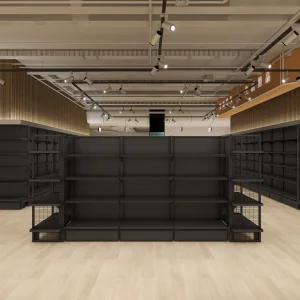
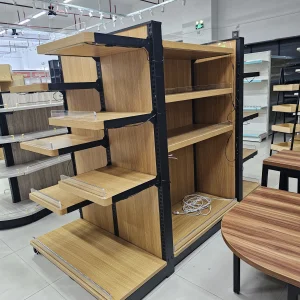
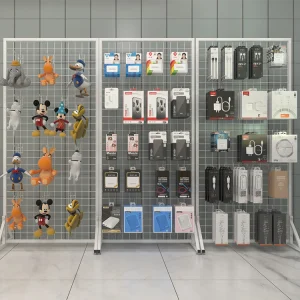
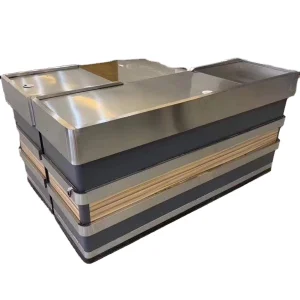
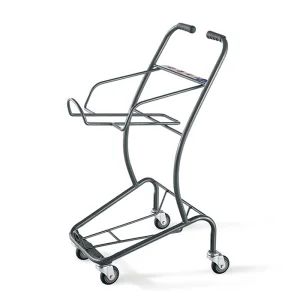
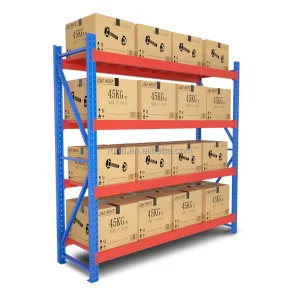
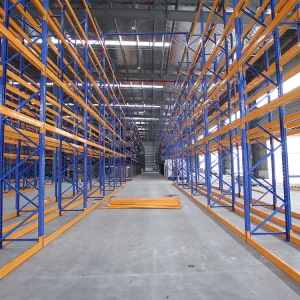
Discover our versatile line of industrial racking, warehouse shelving, and retail display systems engineered for strength, security, and spatial efficiency.
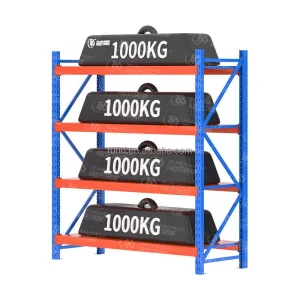
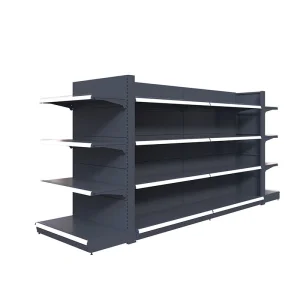
As urbanization accelerates worldwide and carbon neutrality targets become central to municipal planning, the global demand for micro-mobility infrastructure has transitioned from basic outdoor storage to high-density, secure, and smart architectural installations. Commercial bicycle racks, once treated as secondary exterior site amenities, are now integrated as critical assets in grade-A office spaces, major multi-modal transit hubs, and corporate real estate developments seeking green building credentials like LEED or BREEAM.
From North America to Northern Europe and the GCC region, urban planning regulations now require minimum bicycle parking spots for residential and commercial constructions. This regulatory evolution has fueled a structural demand for heavy-duty, corrosion-protected steel racks capable of withstand severe environmental elements while delivering optimized spacing. The core manufacturing challenge lies in combining structural longevity with space efficiency—achieving high-density vertical or two-tiered parking configurations without compromising user ease or damaging parked bicycles.
Heavy-duty multi-tier racks are designed to maximize capacity at major subway terminals, railway hubs, and public spaces, accommodating hundreds of bikes in limited square footage.
Leveraging state-of-the-art epoxy powder coating and hot-dip galvanization to resist weathering, humidity, and constant physical friction from heavy daily locking cycles.
Bespoke engineering layout services with finite element analysis (FEA) testing to verify dynamic structural loading capacity, wind resistance, and impact thresholds.
Operating globally under the premium brand name DeltaStorage, our manufacturing enterprise stands at the pinnacle of automated racking, logistics systems, and heavy-duty structural steel fabrications.
Established in 2012, Ningbo Dade Smart Storage Equipment Co., Ltd. (DeltaStorage) has grown from a specialized local racking facility into a massive global industry force. Located in close proximity to the world-renowned Ningbo Port for optimal shipping logistics, our facility covers an impressive building area of 48,000 square meters. We combine 14 years of deep-rooted industry experience with 10 years of global export expertise, generating an annual export revenue exceeding $45 million USD.
Safety, raw material reliability, and dynamic performance under stress are vital. To back our quality promise, we deploy 82 full-time quality assurance engineers inside our testing facilities. Fully ISO14001, CE, and TUV certified, our quality control uses advanced diagnostics including spectrographic raw material alloy analysis, automated optical weld seam inspection, continuous salt-spray weathering simulation, and multi-axis dynamic load durability testing.
DeltaStorage operates an advanced direct manufacturing model, integrating the complete chain from design to shipment. We maintain strategic alliances with over 1,850 upstream and downstream supply chain partners. Our key international export markets include North America, Northern Europe, East Asia, and the GCC region. We deliver specialized systems to elite clients including automated distribution centers (AS/RS systems), pharmaceutical cold chains, chemical storage complexes, and 3PL warehousing giants.
Innovation drives structural efficiency. Our powerhouse research division has 120 experienced R& R&D engineers, focusing on complex finite element analysis, structural seismic-rating, and autonomous shuttle rack integration. Our customizable services support specific project demands, offering select steel grades (like high-strength Q235 and Q355), custom upright profiles, specialized beam connector geometries, and tailored galvanization thicknesses. Last year alone, we introduced 120 new product variations to the market.
From certified raw material receipt to high-precision cold roll forming, welding, powder coating, and dynamic packing, here is our standardized manufacturing flow:
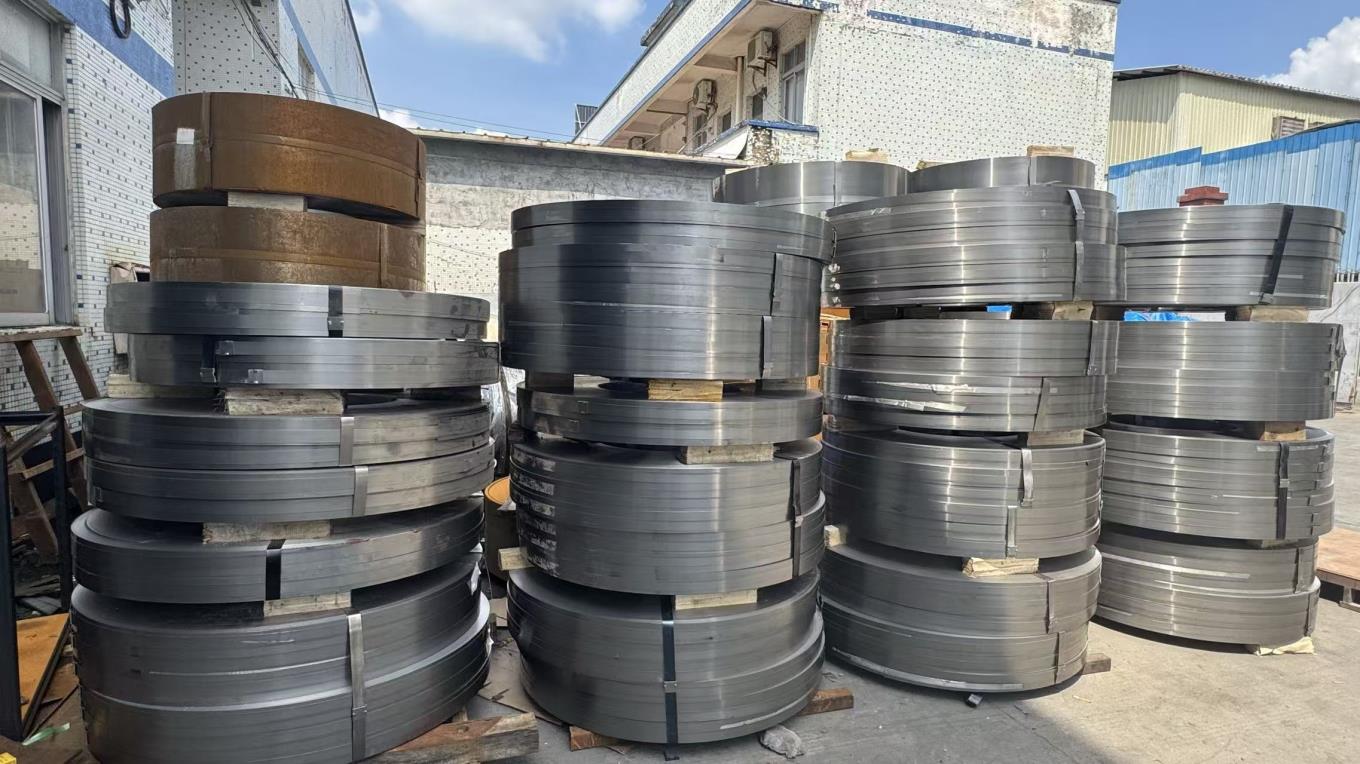
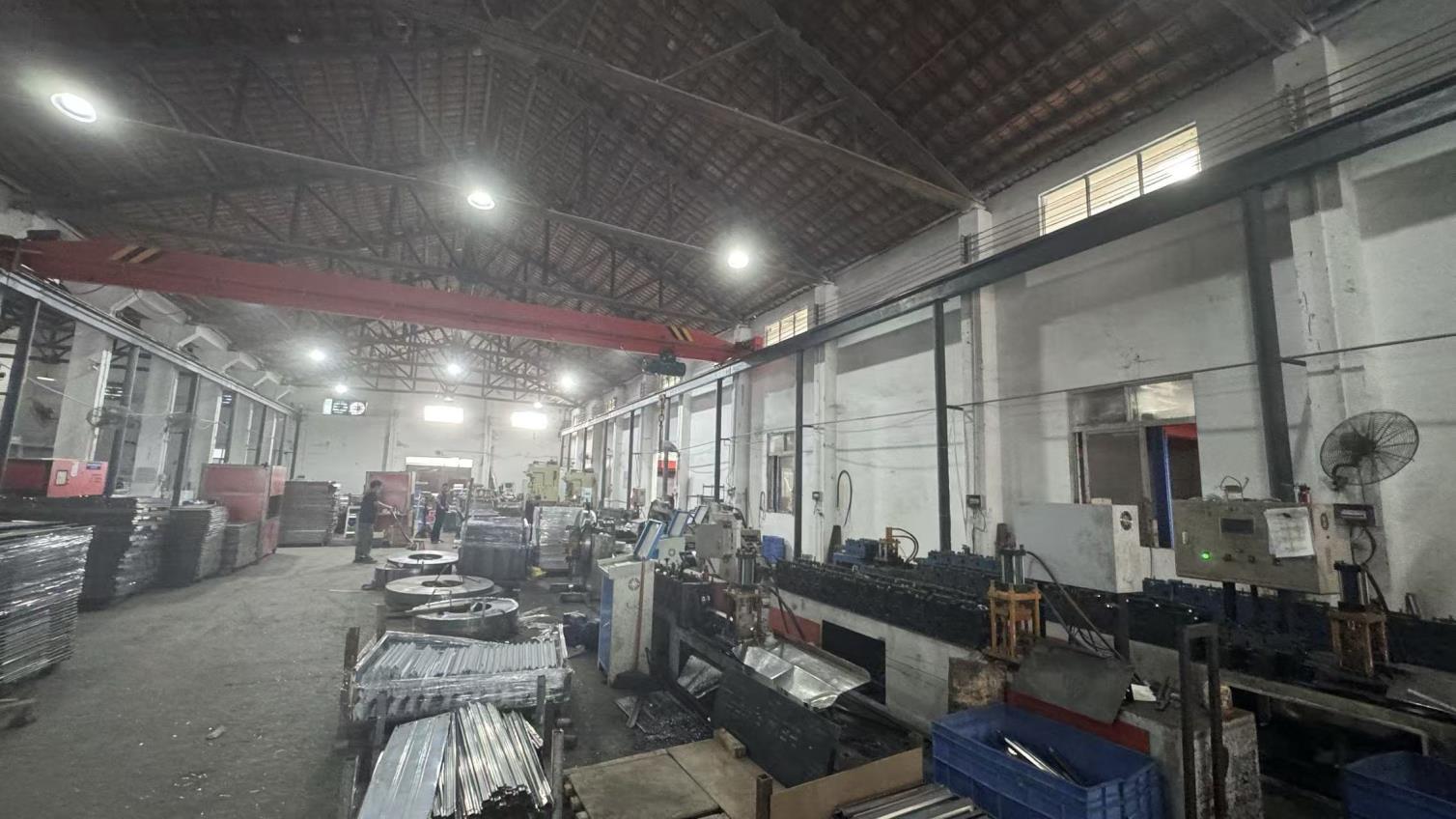
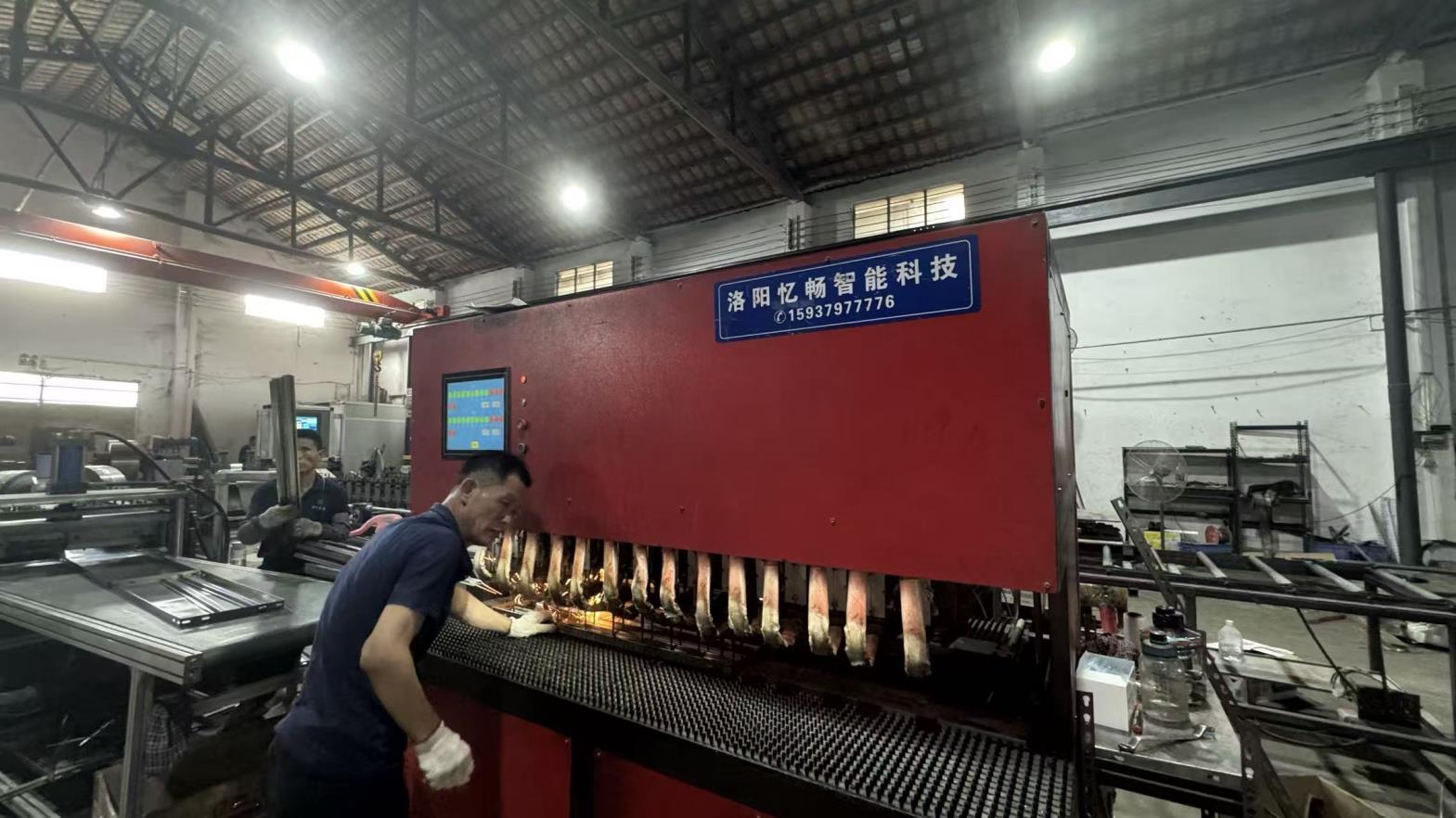
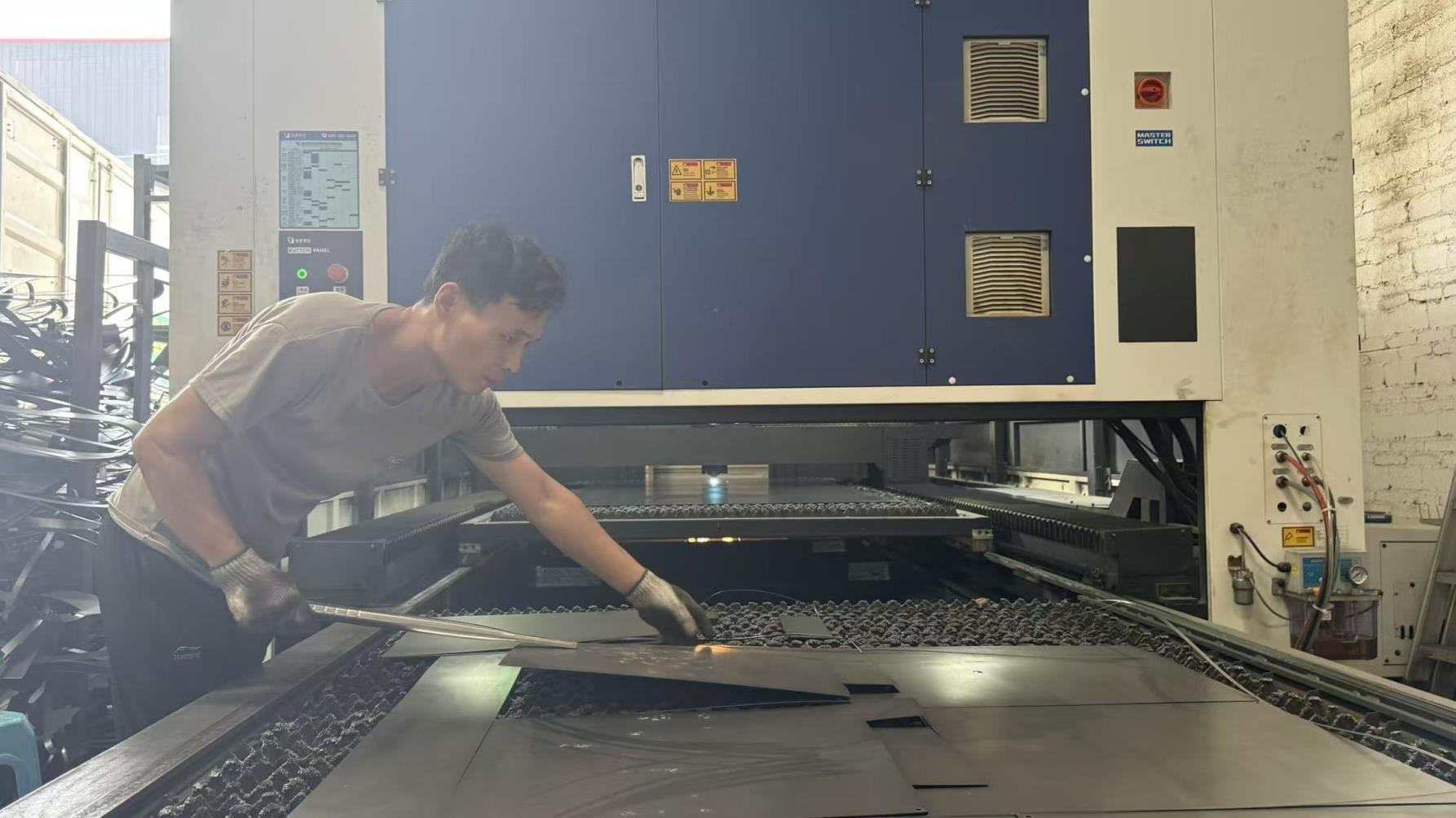
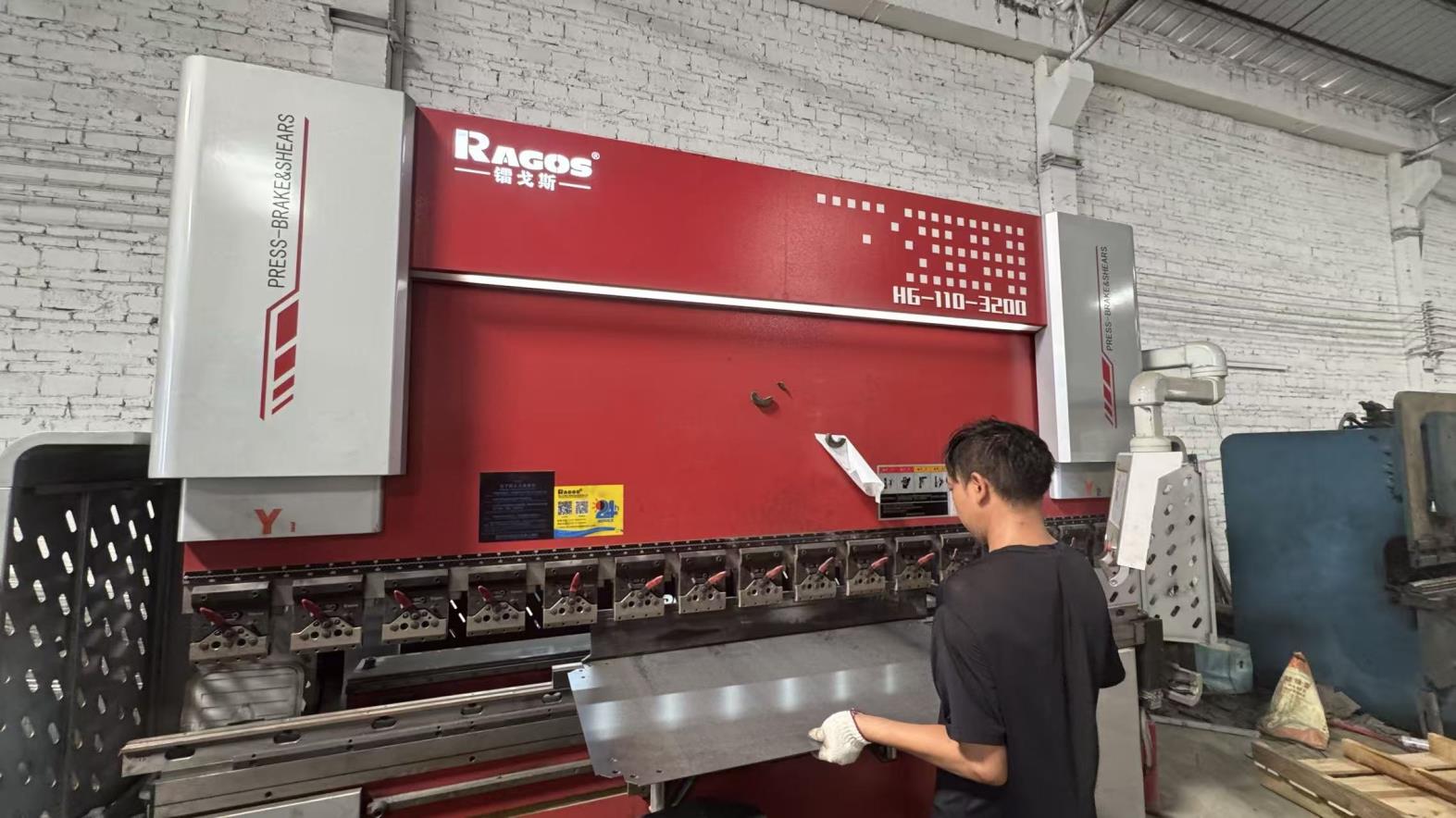
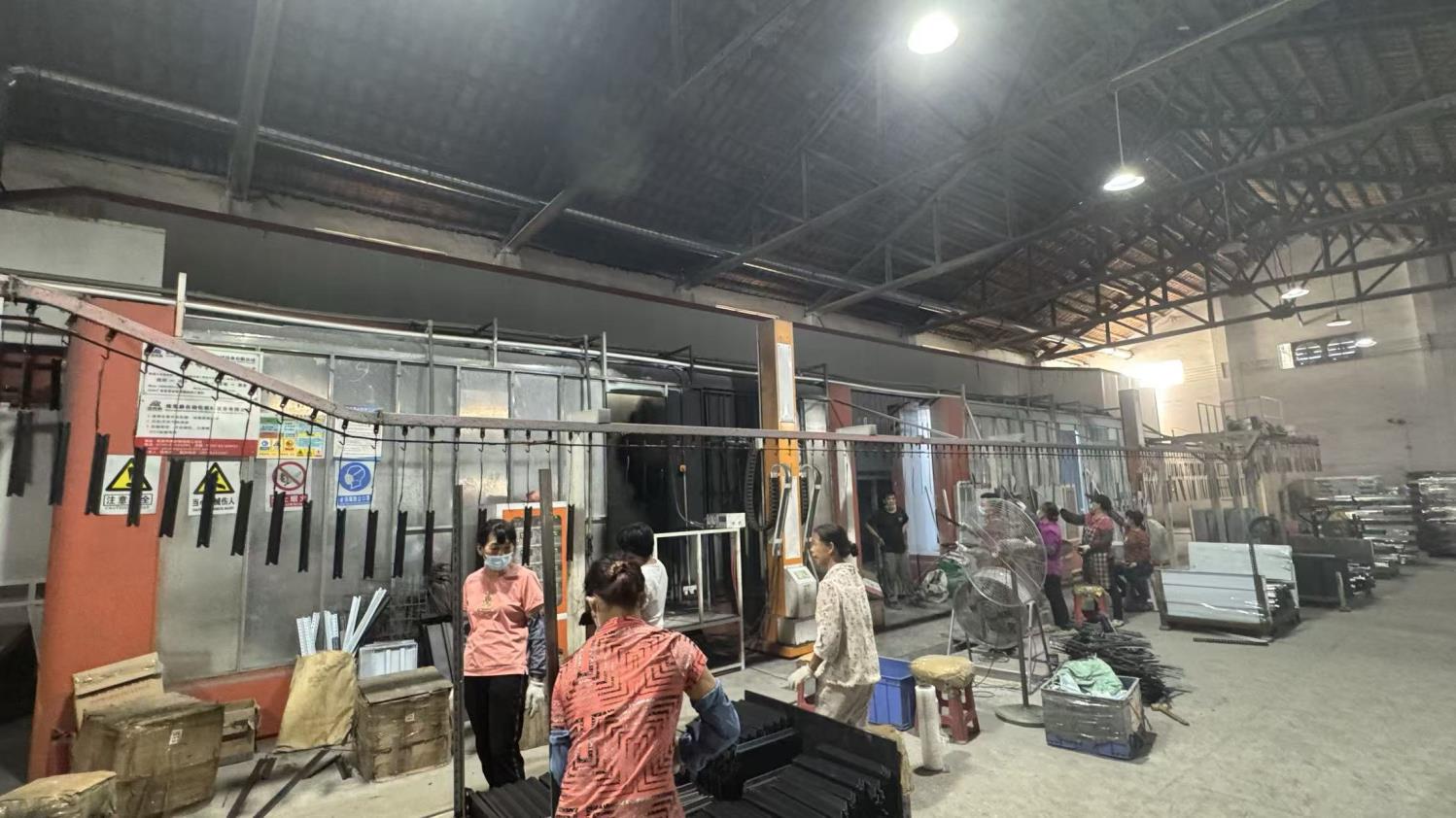
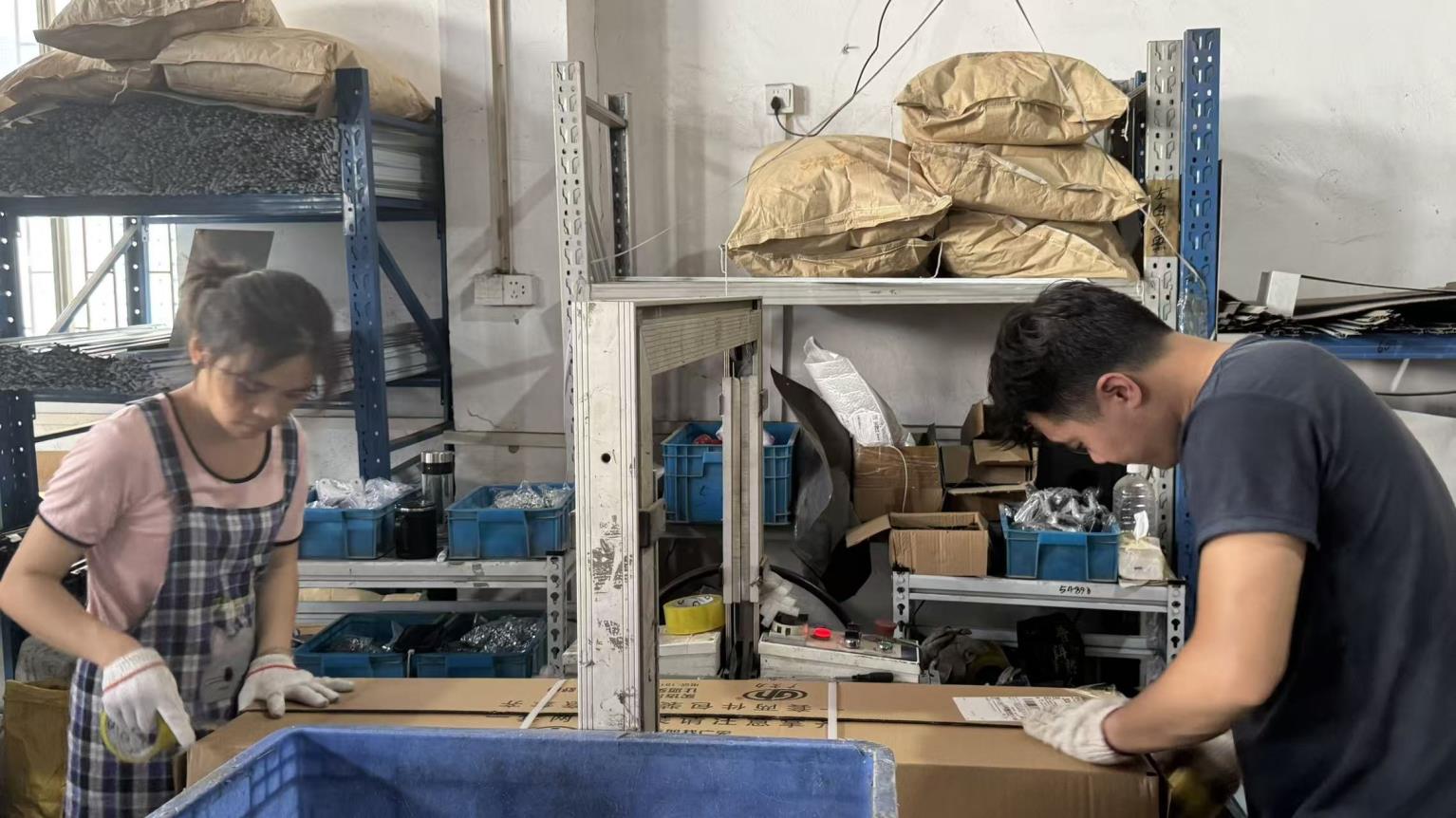
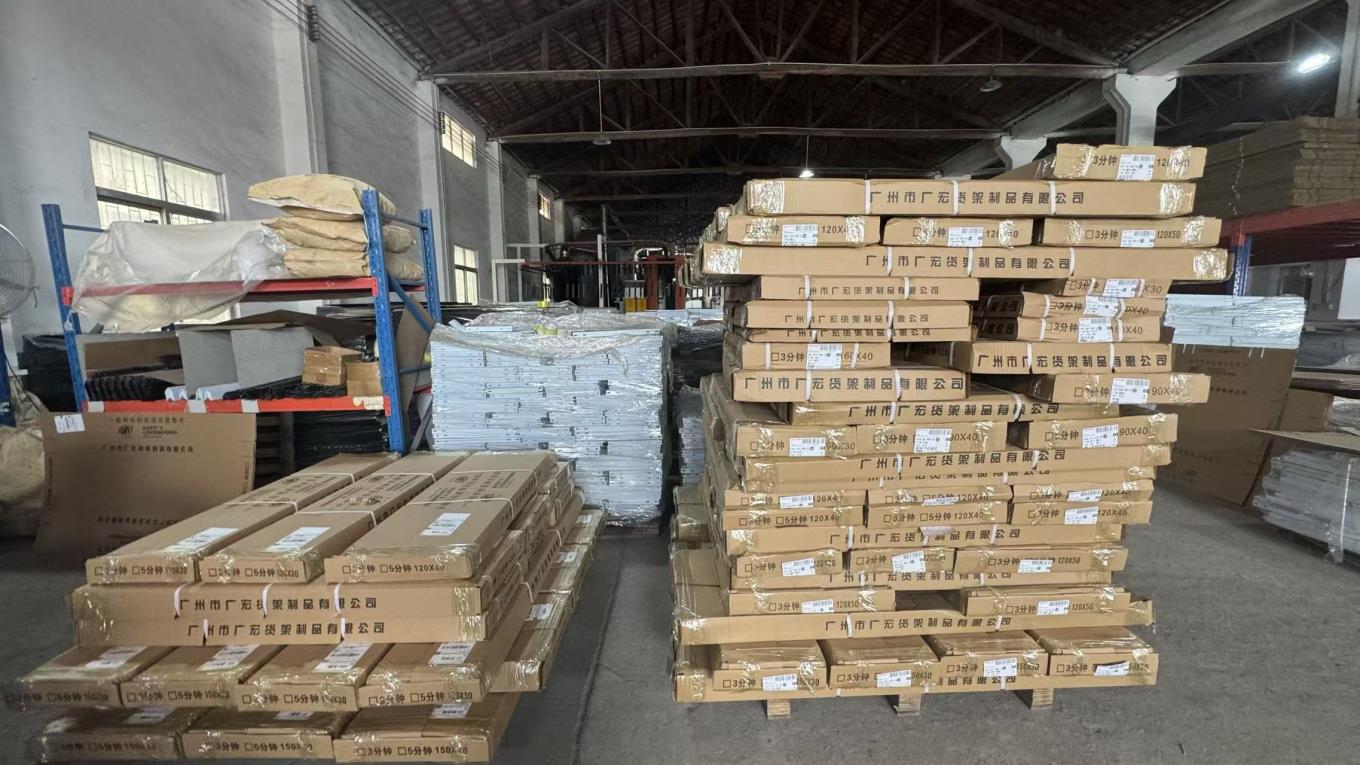
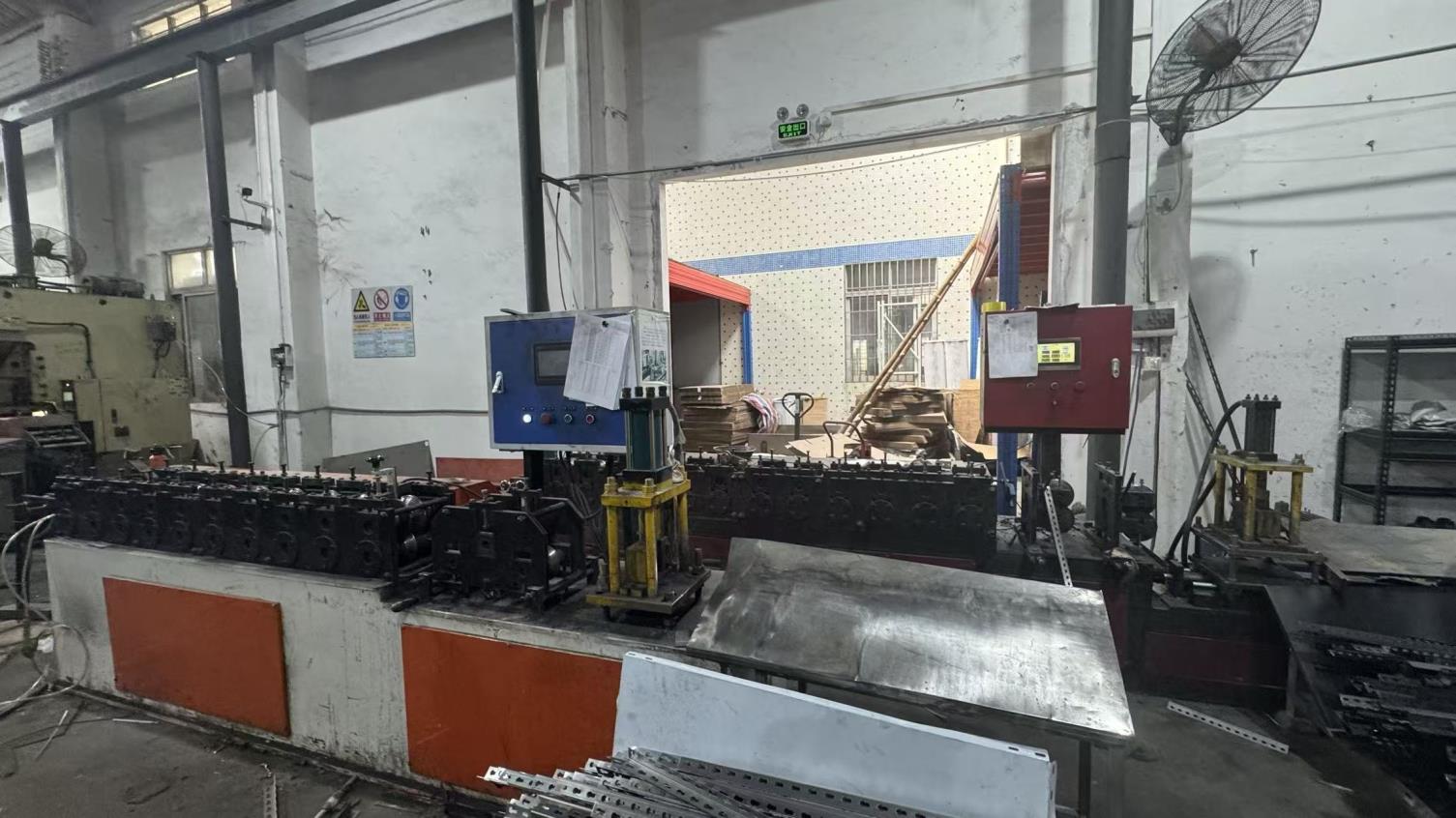
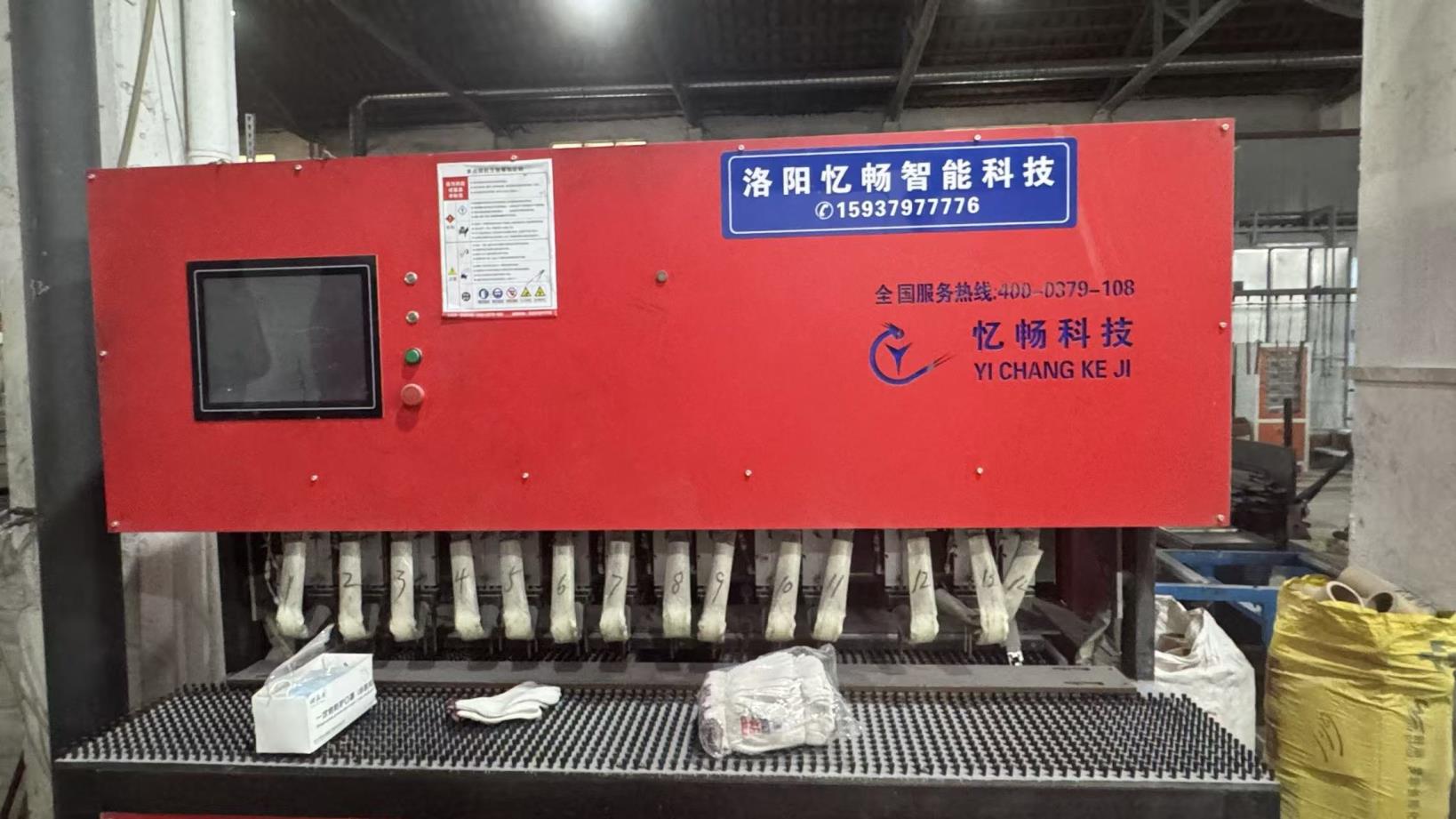
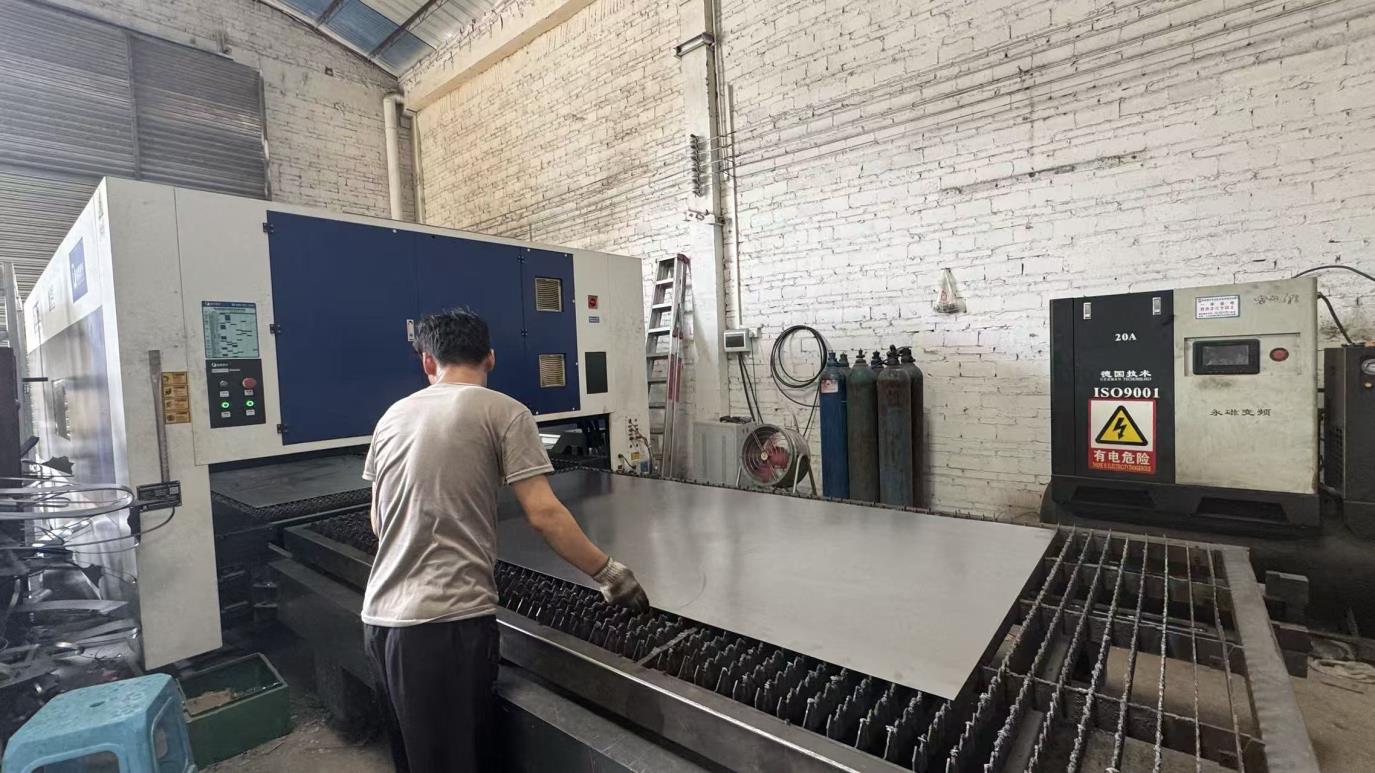
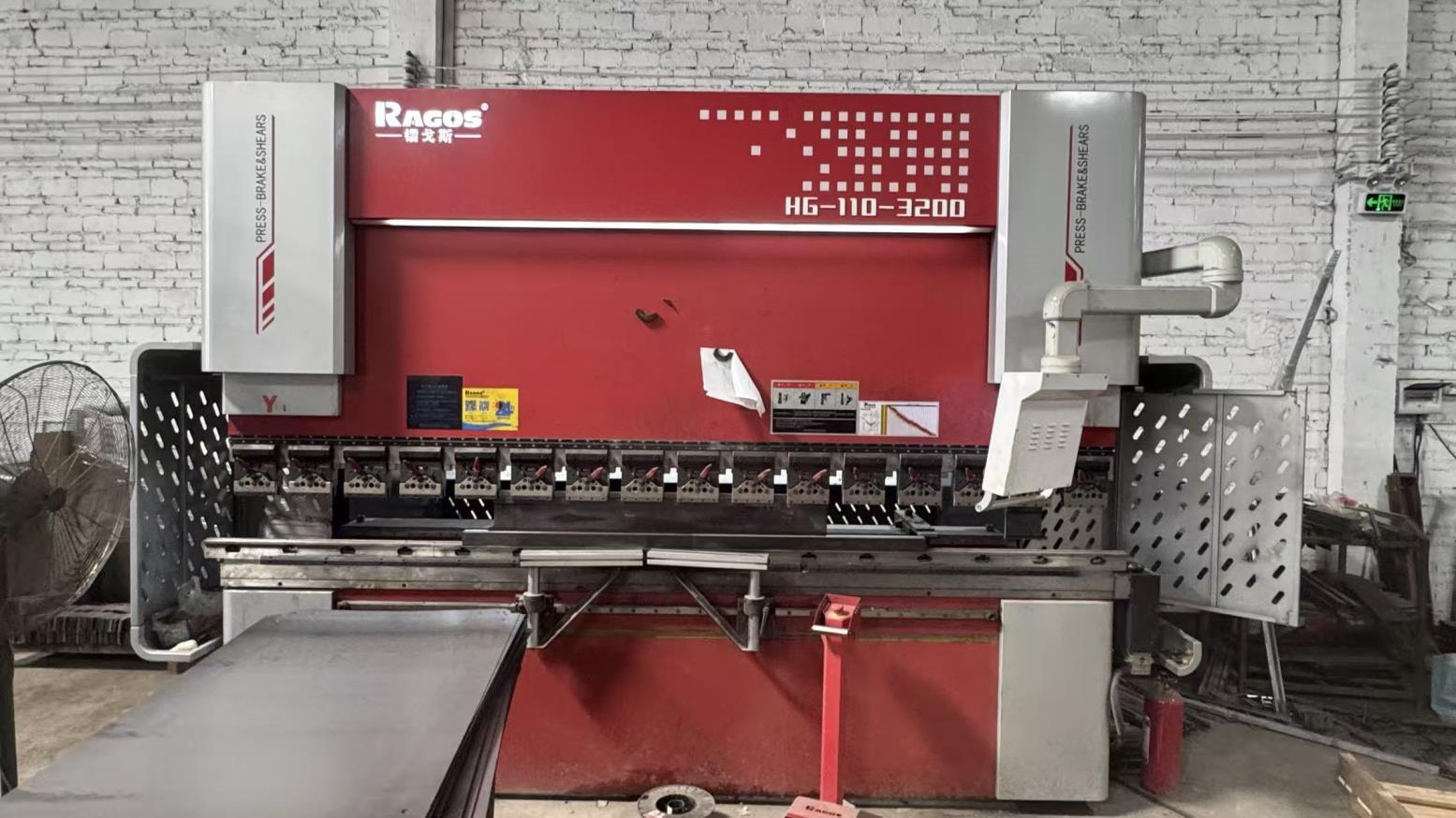
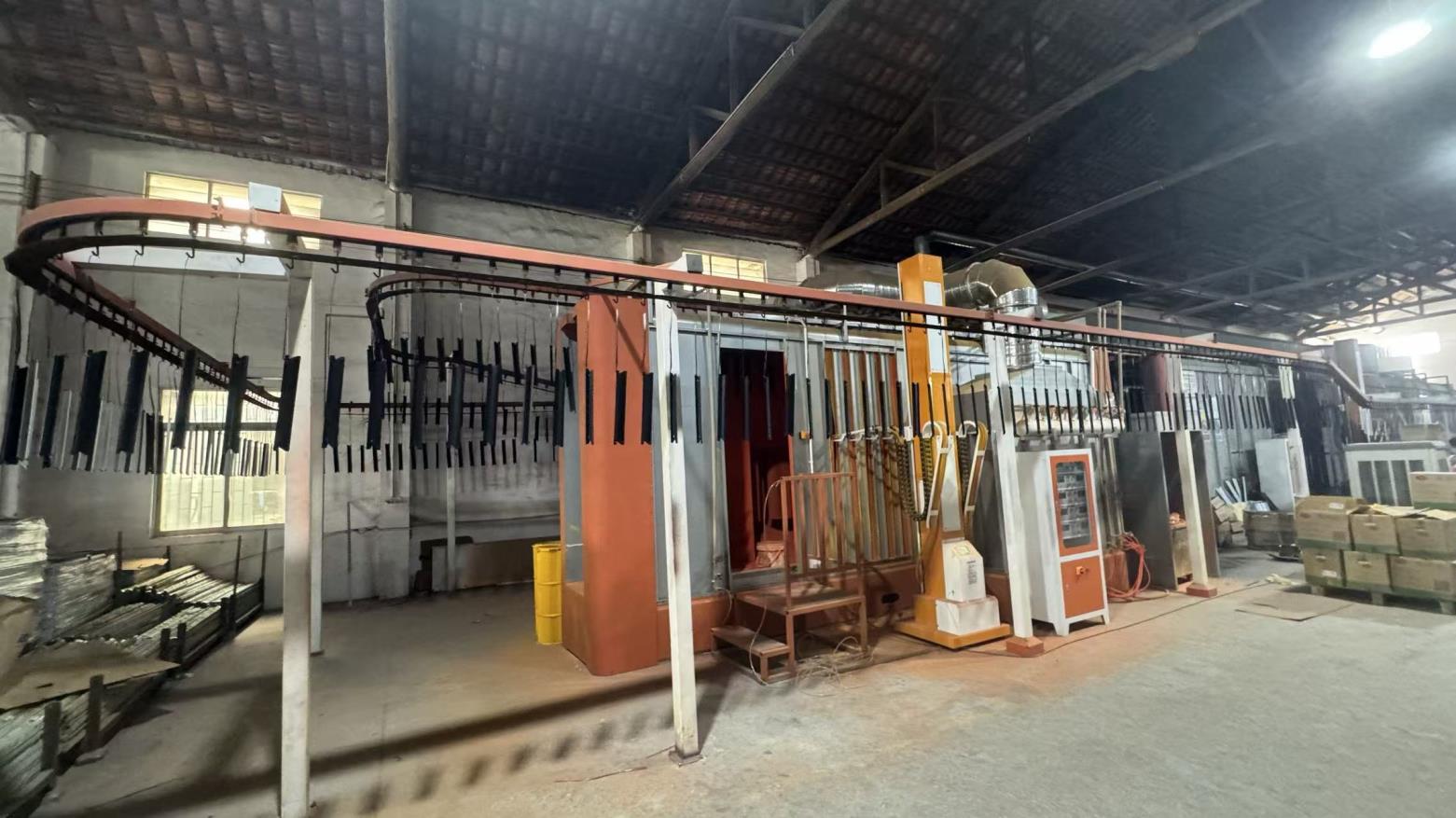
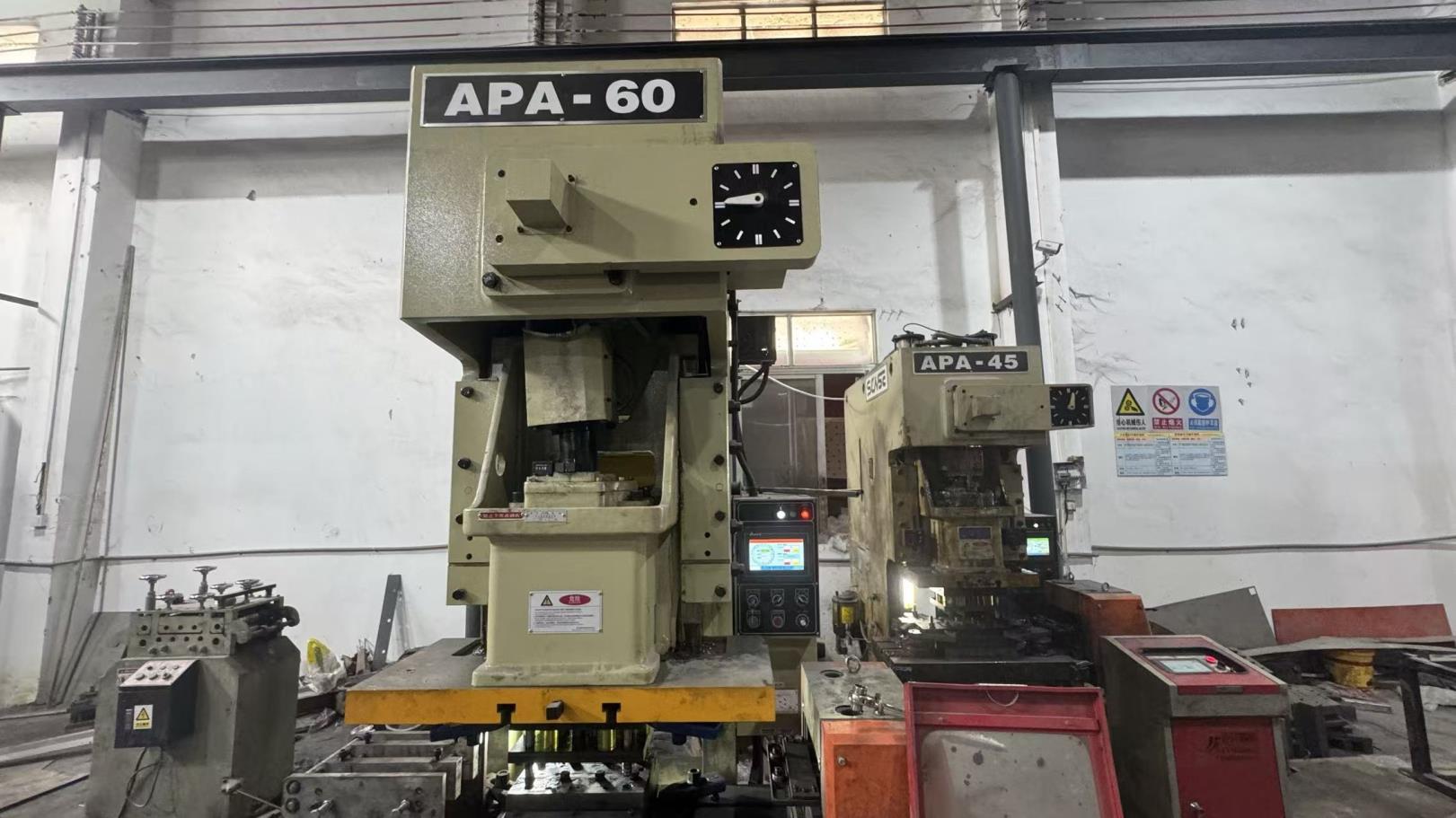
Our production floor houses sophisticated European and domestic heavy-duty equipment to guarantee high structural consistency and reliable load values.
Procurement directors and project developers evaluating bicycle rack factories in China look beyond basic unit cost. True cost optimization involves assessing the factory's structural engineering standards, regulatory compliance, quality control consistency, and supply chain scalability. To achieve maximum value, procurement teams must analyze the following structural parameters:
Bicycle racks placed in public environments must withstand physical impacts and structural stress. Using certified premium structural steel, such as Q235 carbon steel or higher, is crucial. High-density rack suppliers must run spectrographic chemical testing to ensure structural elements have the correct phosphorus, sulfur, and silicon content to prevent brittle fractures over time.
Weathering remains a key challenge for outdoor bicycle parking facilities. Standard paint coatings quickly scratch, leading to rust. Advanced factories use hot-dip galvanization (conforming to ISO 1461 or ASTM A123) or zinc-rich primer bases finished with architectural-grade polyester powder coatings. The thickness of this protective coating must exceed 70 to 120 microns, verified via non-destructive magnetic thickness testing, to guarantee rust prevention.
The structural joint represents the point of highest stress. Manual welding can produce porosity, incomplete penetration, and uneven weld beads. Leading Chinese factories utilize automated robotic butt-welding systems, combined with laser-cutting machines, to achieve highly consistent welds. Automated optical inspection (AOI) technology helps ensure defect-free structural connections.
The commercial bicycle rack market is evolving rapidly. Future micro-mobility storage solutions must address three main architectural and technology trends:
With electric bike adoption rising, modern racks now integrate safe, smart power outlets and charging connections directly into their frames, conforming to global safety standards.
Connected transit hubs require smart, keyless access. Electronic racks with Bluetooth, RFID, or app-controlled locks allow municipal operators to manage parking space usage in real time.
In line with global sustainability trends, major developers demand green manufacturing practices. Factories must implement zero-VOC powder-coating lines and recycle waste water.
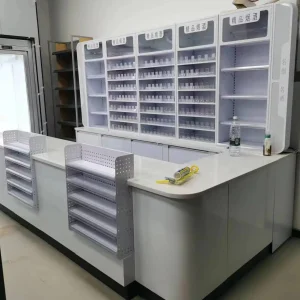
Explore our complete catalog of industrial storage solutions, warehouse shelving systems, and commercial checkouts, manufactured to premium ISO 9001 and CE specifications.
 DeltaStorage