Precision-engineered products designed for maximum structural load capability, versatility, and optimal utilization of vertical space.
An Analysis of Strategic Sourcing, Structural Compliance, and Scalability Frameworks for Modern Distribution Environments.
In the contemporary globalized economy, the physical footprint of warehousing is no longer merely a real estate consideration; it is a primary driver of supply chain velocity, cost optimization, and overall competitive advantage. As supply chain volatility persists, multinational corporations, third-party logistics (3PL) providers, and pharmaceutical giants are increasingly focusing on the density, efficiency, and structural reliability of their physical racking environments. China has solidified its position as the premier global manufacturer of storage systems, utilizing highly integrated steel manufacturing hubs, deep engineering R&D pipelines, and sophisticated port logistics to deliver global-ready systems that balance high load capacities with rigorous international building codes.
This whitepaper examines the technical and operational matrices that defining the modern warehouse and retail storage landscape. It covers safety compliance parameters (e.g., American RMI, European EN 15512, Australian AS 4084), structural engineering breakthroughs, high-density space utilization (such as Automated Storage and Retrieval Systems - AS/RS), and provides key insights for procurement specialists navigating global logistics requirements.
Understanding Ningbo Dade Smart Storage Equipment Co., Ltd. (DeltaStorage)
About Ningbo Dade Smart Storage Equipment Co., Ltd. (DeltaStorage) > Established in 2012, Ningbo Dade Smart Storage Equipment Co., Ltd. (globally branded as DeltaStorage) is an elite enterprise specializing in high-density automated racking systems, heavy-duty cantilever racks, and mezzanine platforms. Located near Ningbo Port, our facility spans an extensive building area of 48,000 square meters. With 14 years of deep-rooted industry experience and 10 years of global export experience, we generate an impressive annual export revenue of $45 million USD.
Quality Assurance & Testing Standards > We place paramount emphasis on safety and structural reliability, deploying 82 full-time quality assurance engineers. Our operations are fully ISO14001, CE, and TUV certified. Quality verification relies on advanced product inspection methods such as spectrographic raw material alloy analysis, automated optical weld seam inspection, continuous salt-spray weathering simulation, and multi-axis dynamic load durability testing.
Global Trade & Supply Chain > Operating through a full-service direct manufacturing and international engineering solution model, DeltaStorage coordinates with over 1,850 upstream and downstream supply chain partners. Our dominant overseas markets span North America, Northern Europe, East Asia, and the GCC region. We predominantly serve high-tier client types including large automated distribution centers (AS/RS systems), pharmaceutical cold chains, chemical storage facilities, and global third-party logistics (3PL) giants.
R&D & Customization Capabilities > DeltaStorage houses a formidable research unit comprising 120 experienced R&D engineers. We excel in complex structural finite element analysis, automated shuttle rack integration, and customized heavy-load structural engineering. Our tailored customization options include custom steel grade selections, seismic-rated upright profiles, custom galvanized surface treatments, and specialized beam connector geometries. Over the past year, our team released 120 new product variations, continuing to pioneer efficient high-density storage technology.
Why domestic clustering, proximity to marine terminals, and raw material integration deliver unmatched cost-to-performance metrics.
Being situated in Ningbo offers direct proximity to the Port of Ningbo-Zhoushan, the world's busiest port by cargo tonnage. This logistical hub significantly reduces land freight costs, optimizes lead times, and allows for rapid dispatch of heavy steel systems under competitive FOB and CIF terms, minimizing detention and demurrage risks.
China's dominant steel-producing industry ensures access to certified Q235B and Q355B structural steel directly from premium mills (like Baosteel). This enables consistent metallurgical quality, robust elastic limits, and structural tensile strength compliance without the volatile price swings and raw material shortages typical of fragmented supply chains.
By leveraging localized design engineers and integrated automation software, high-density structures can undergo extensive Finite Element Analysis (FEA) testing at a fraction of Western design fees. This enables customers to achieve custom-engineered solutions tailored to local building codes while maintaining a competitive total cost of ownership (TCO).
A step-by-step visual overview of our industrial fabrication processes, machinery, and quality control checkpoints.
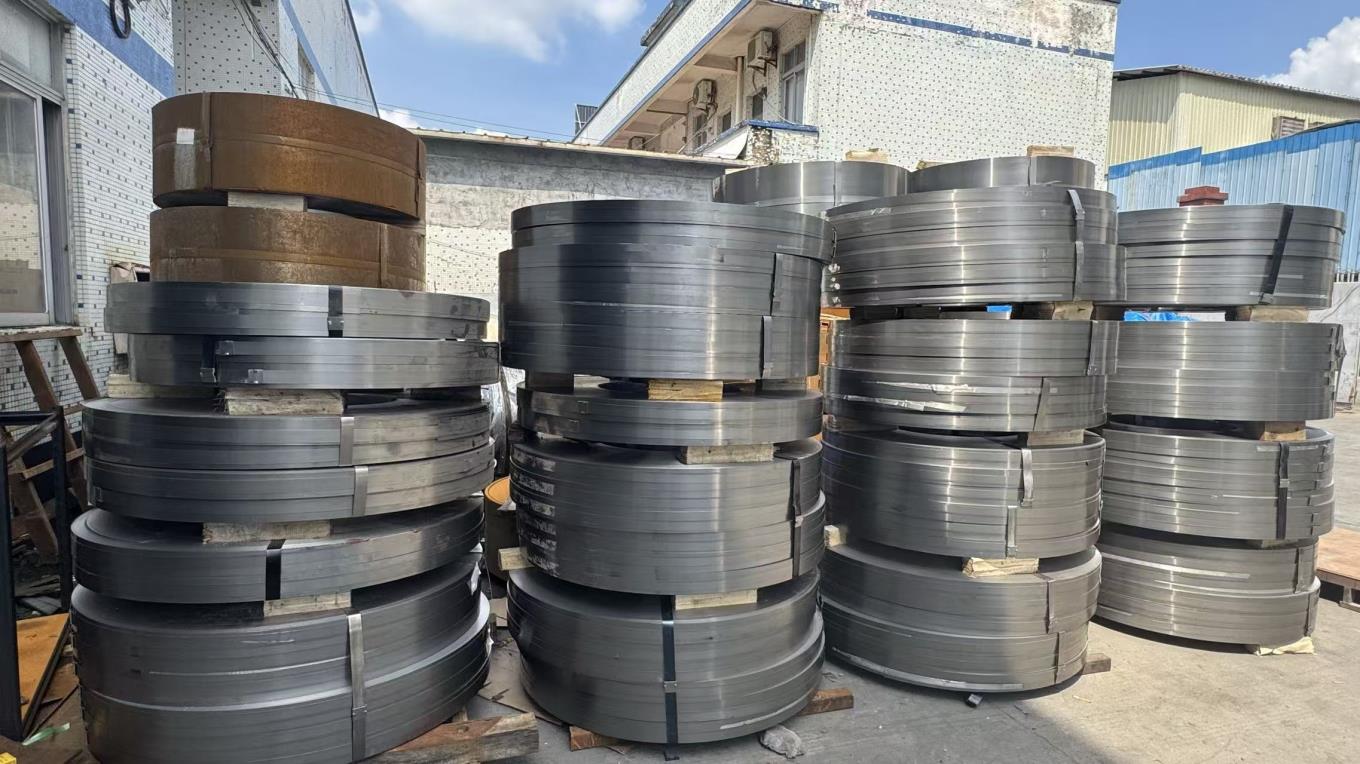
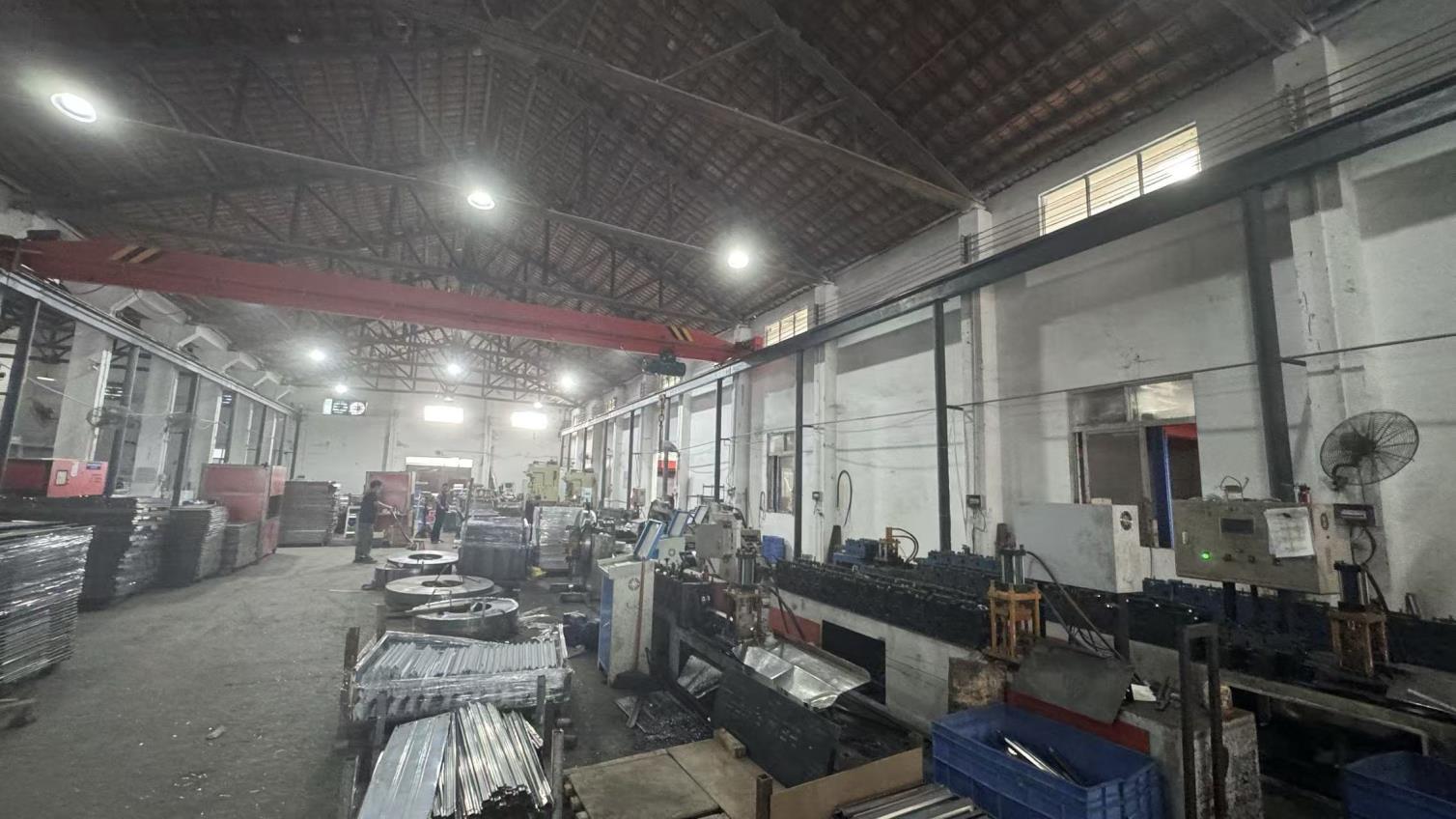
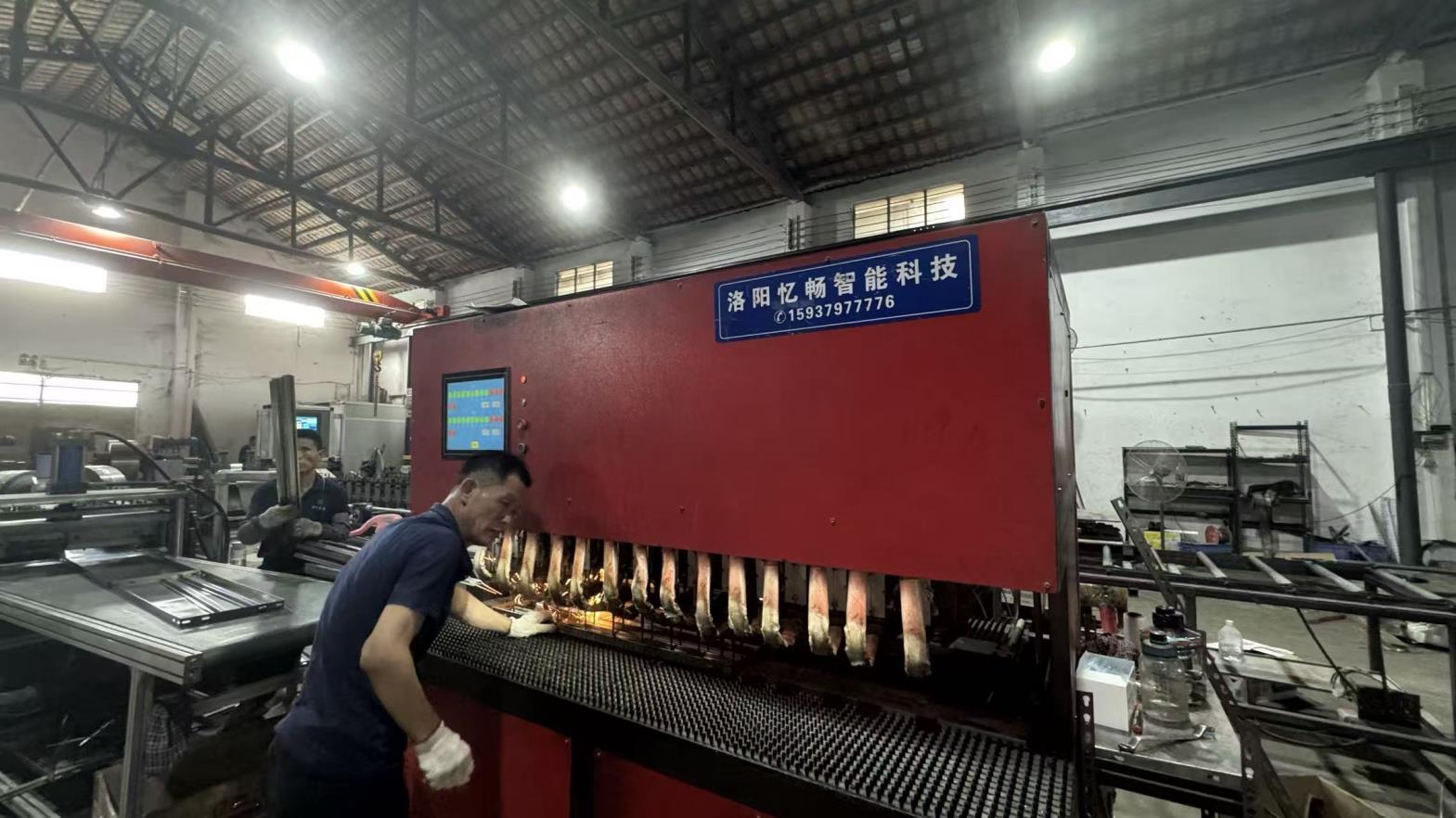
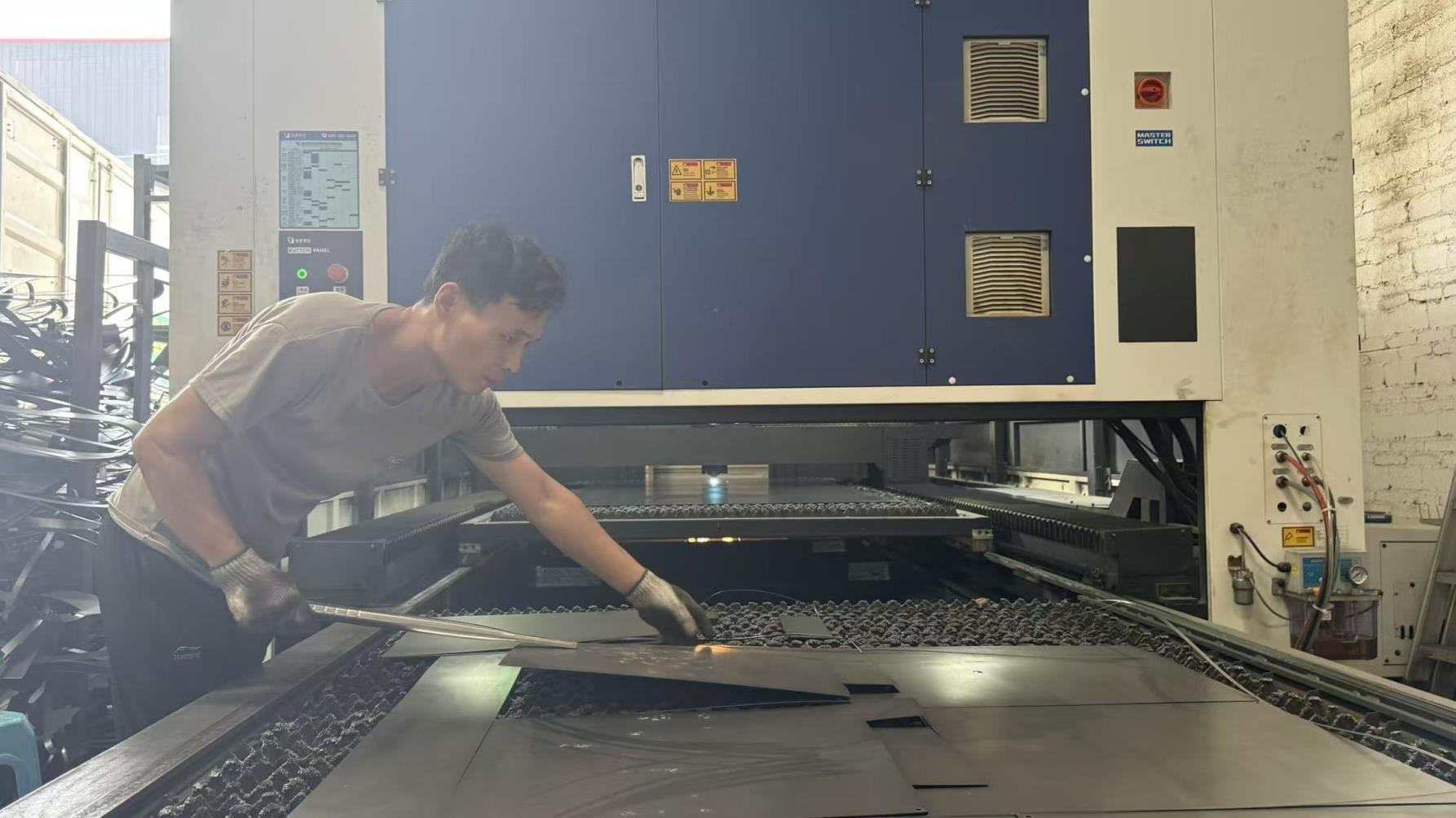
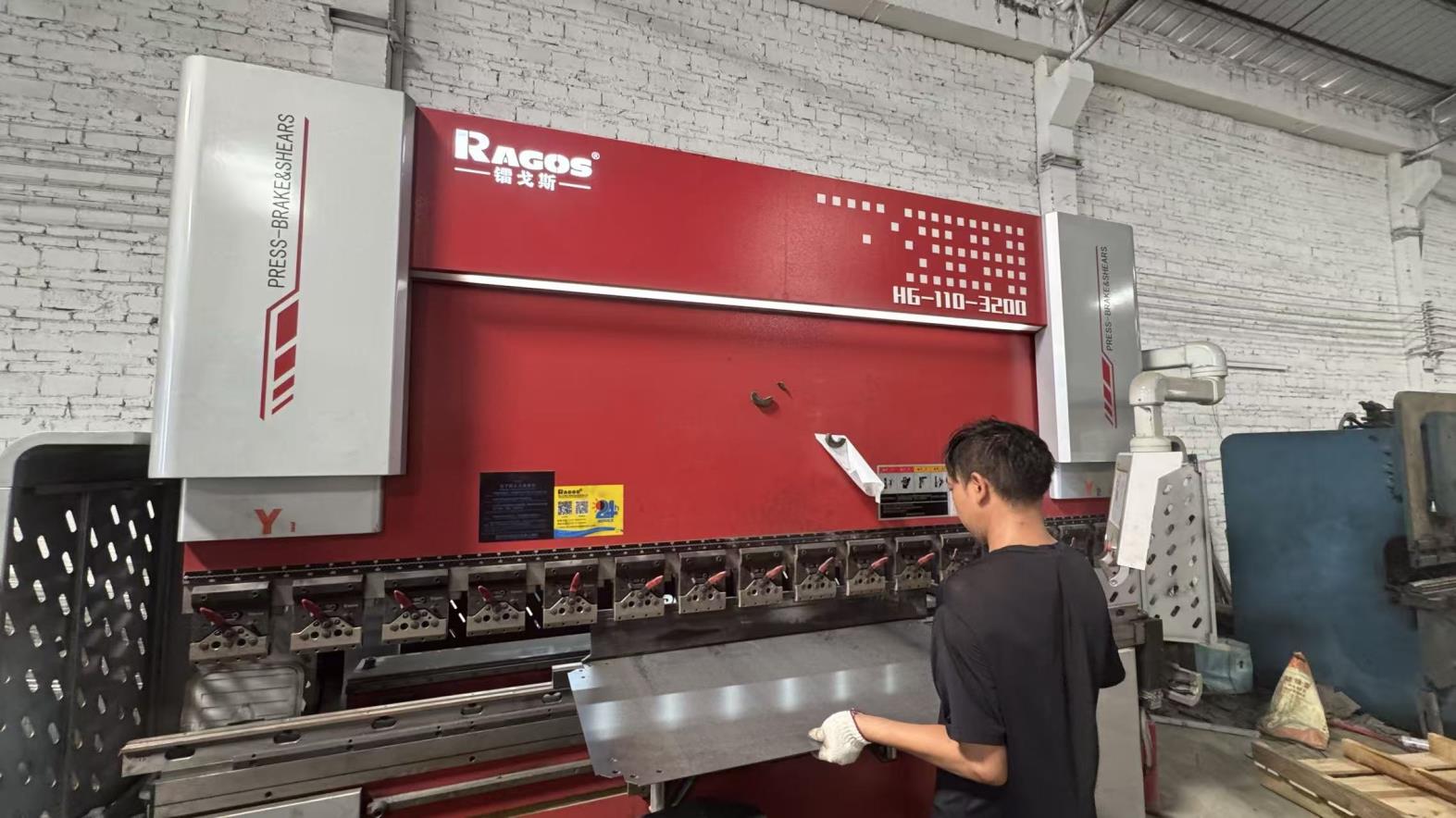
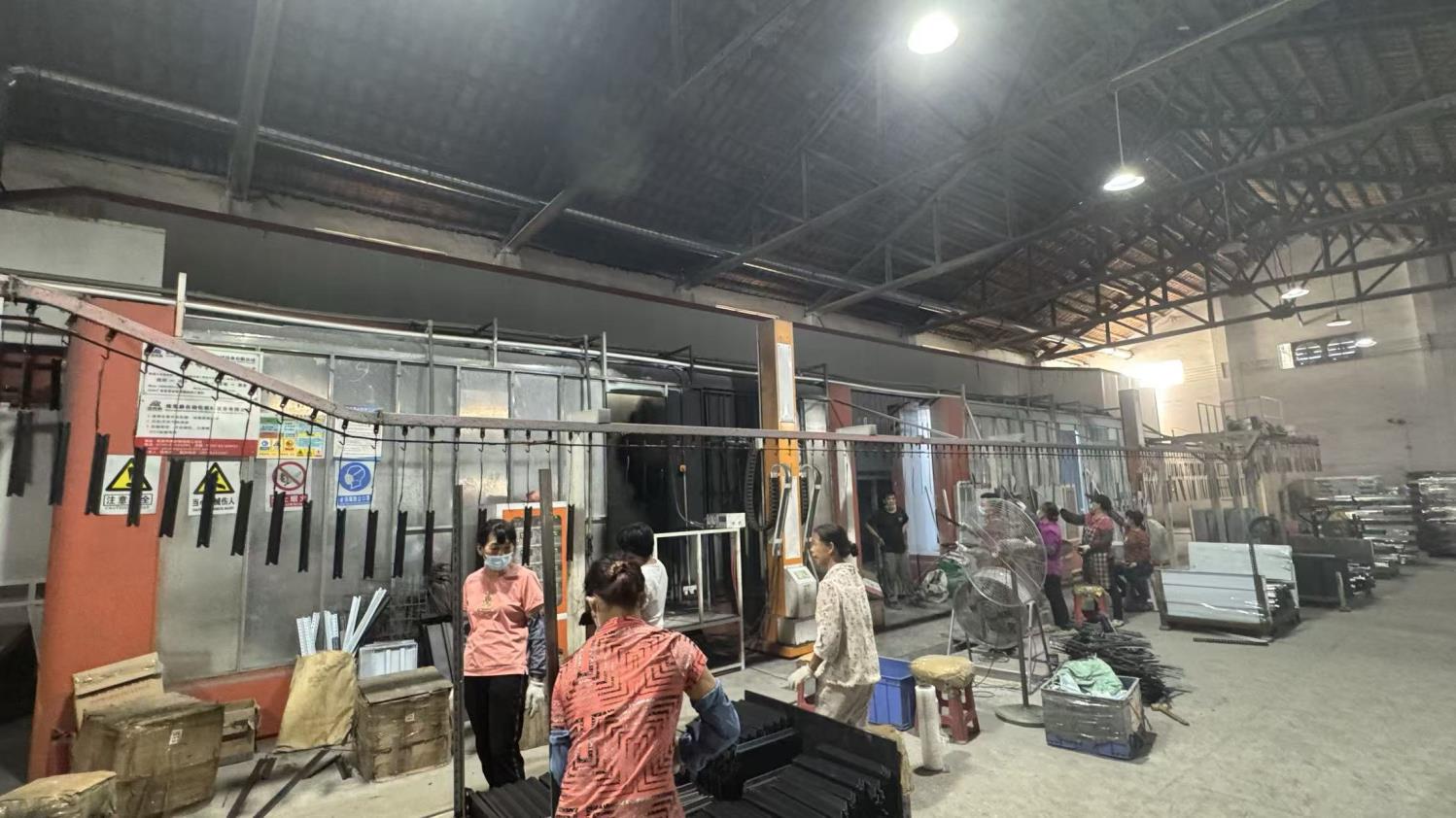
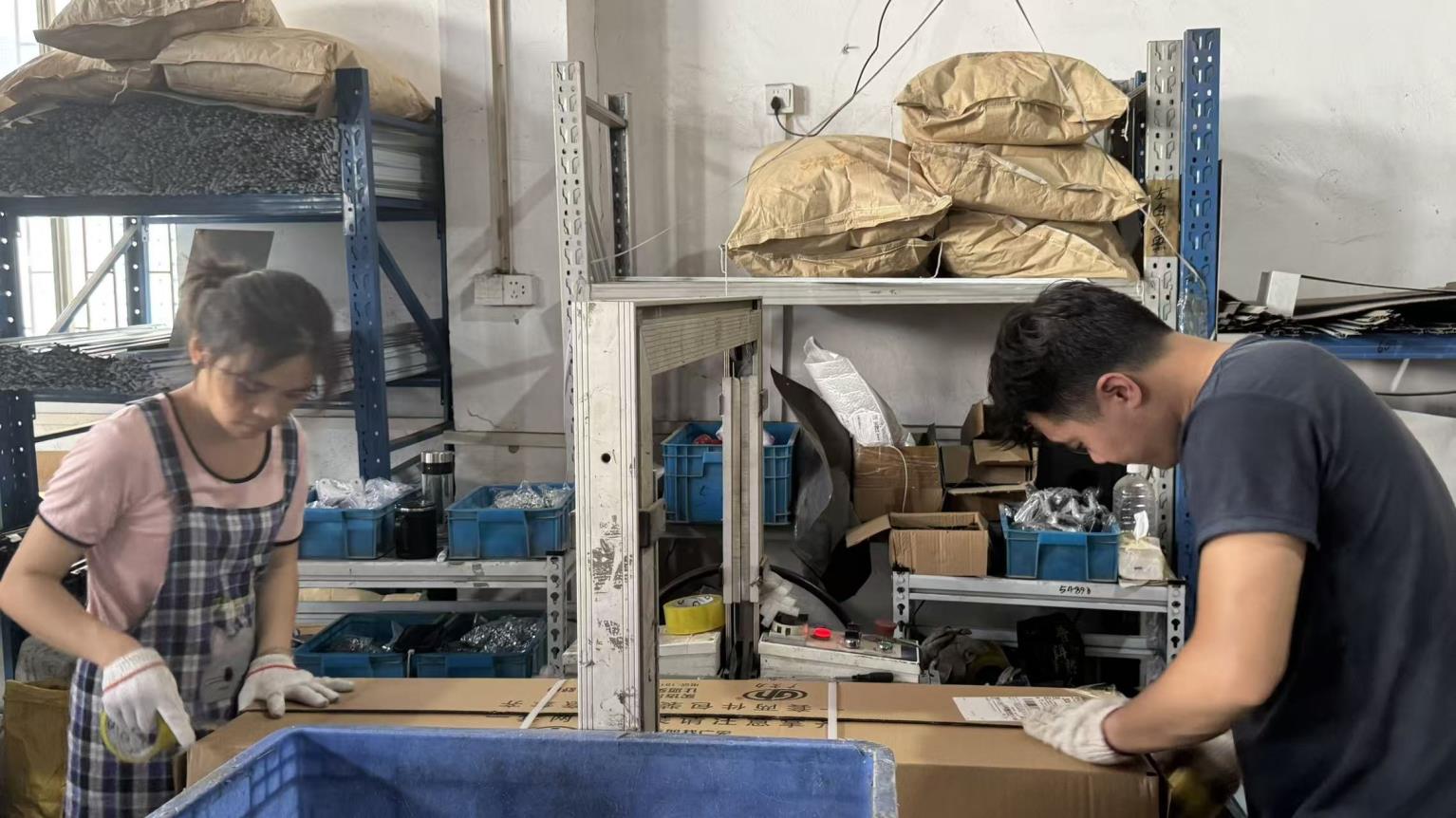
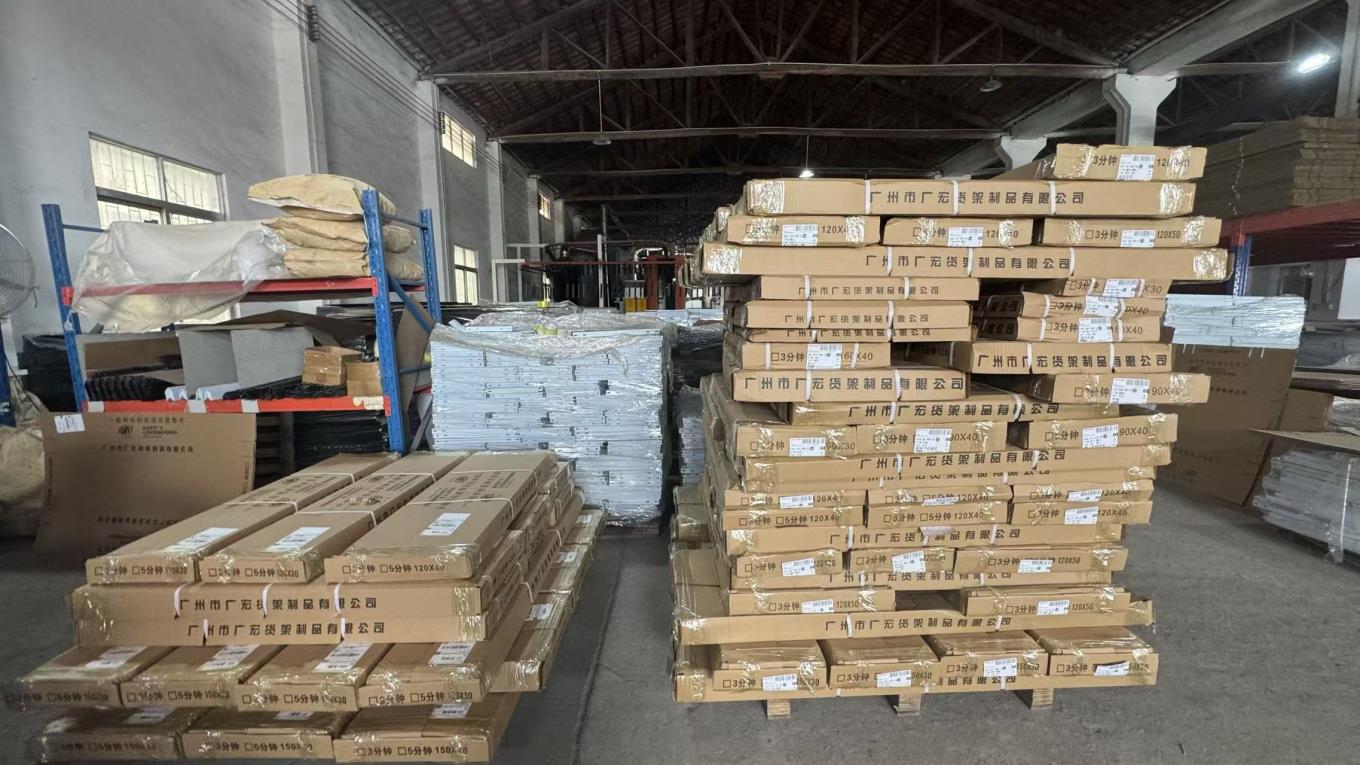
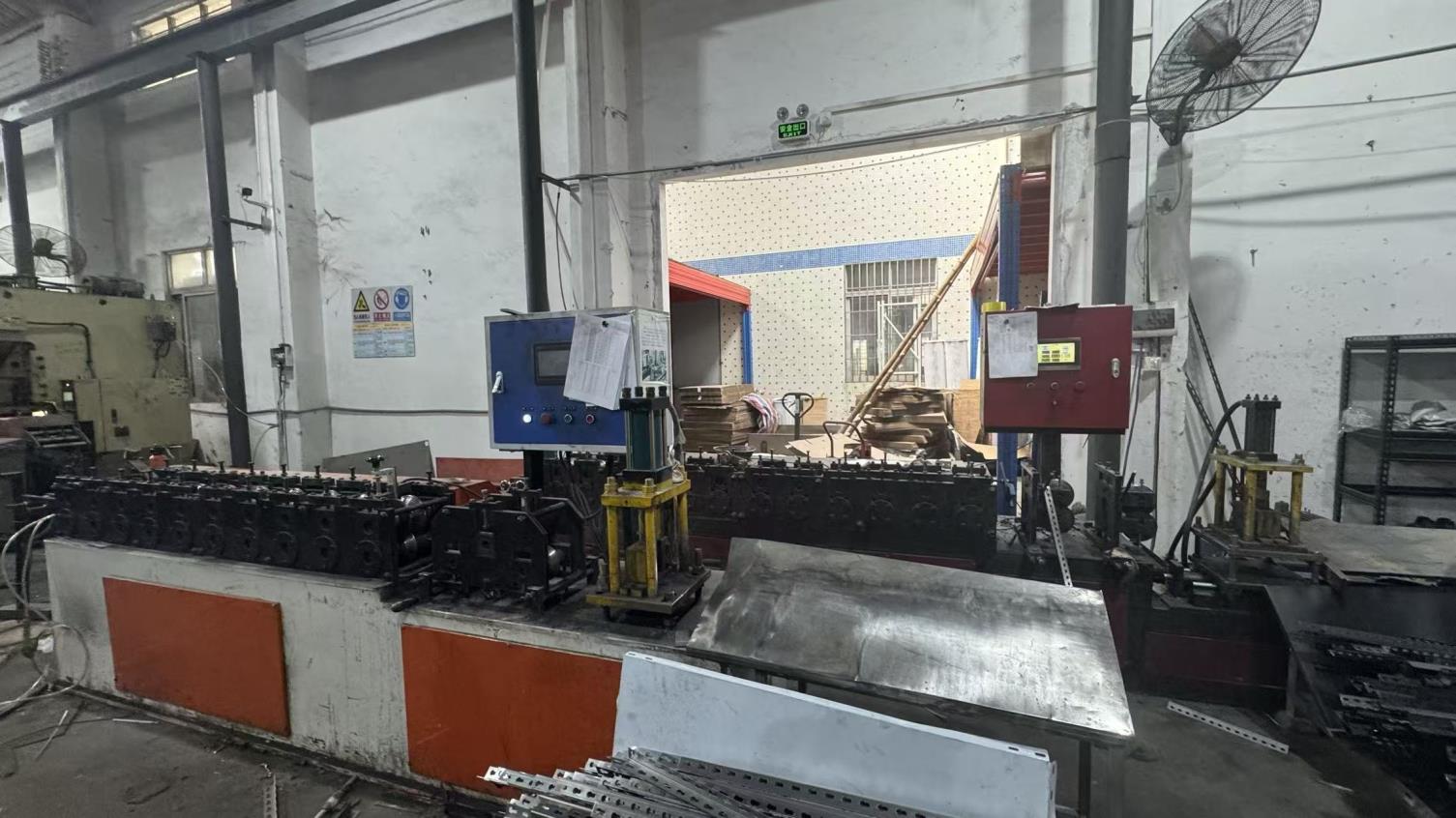
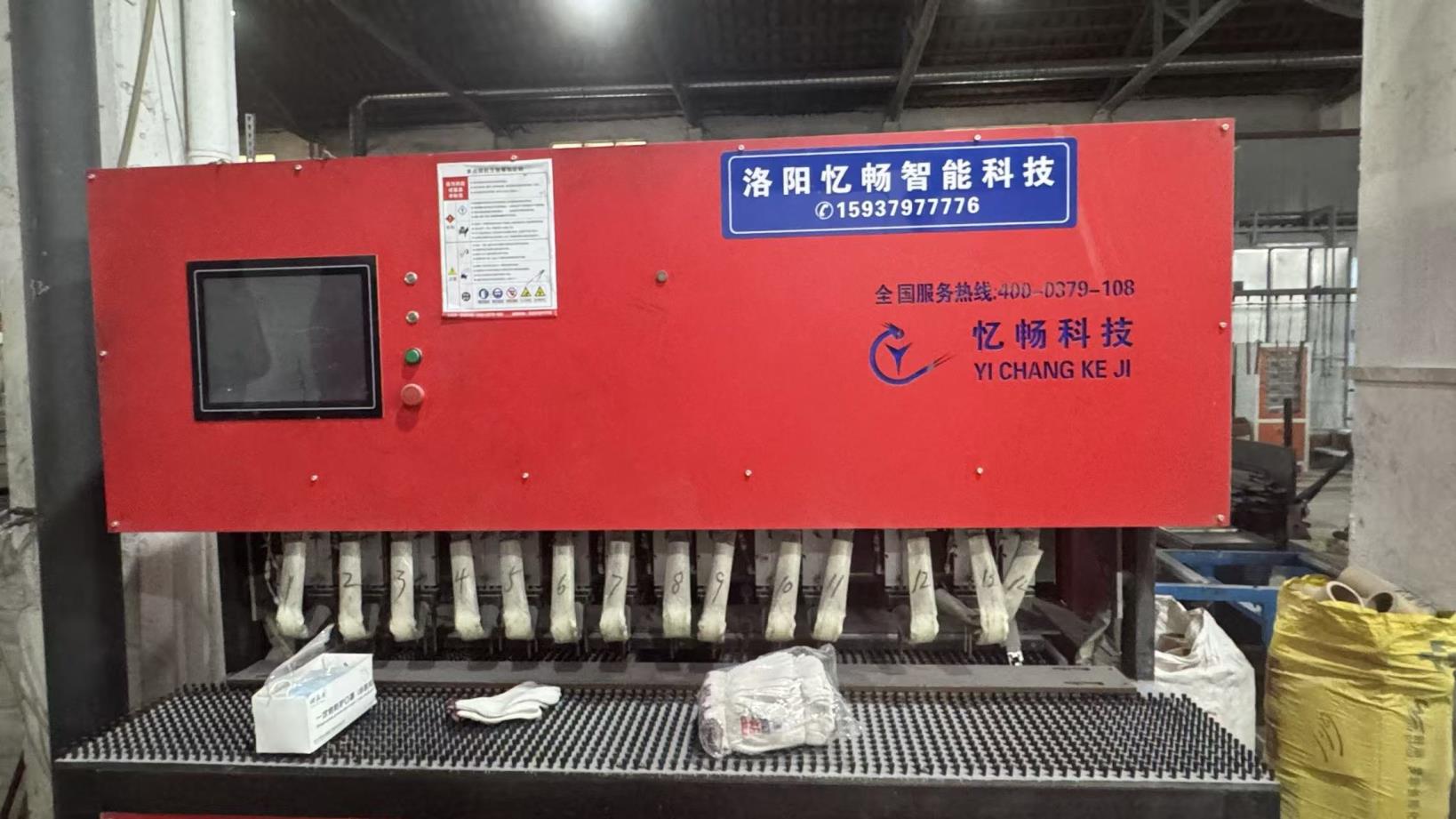
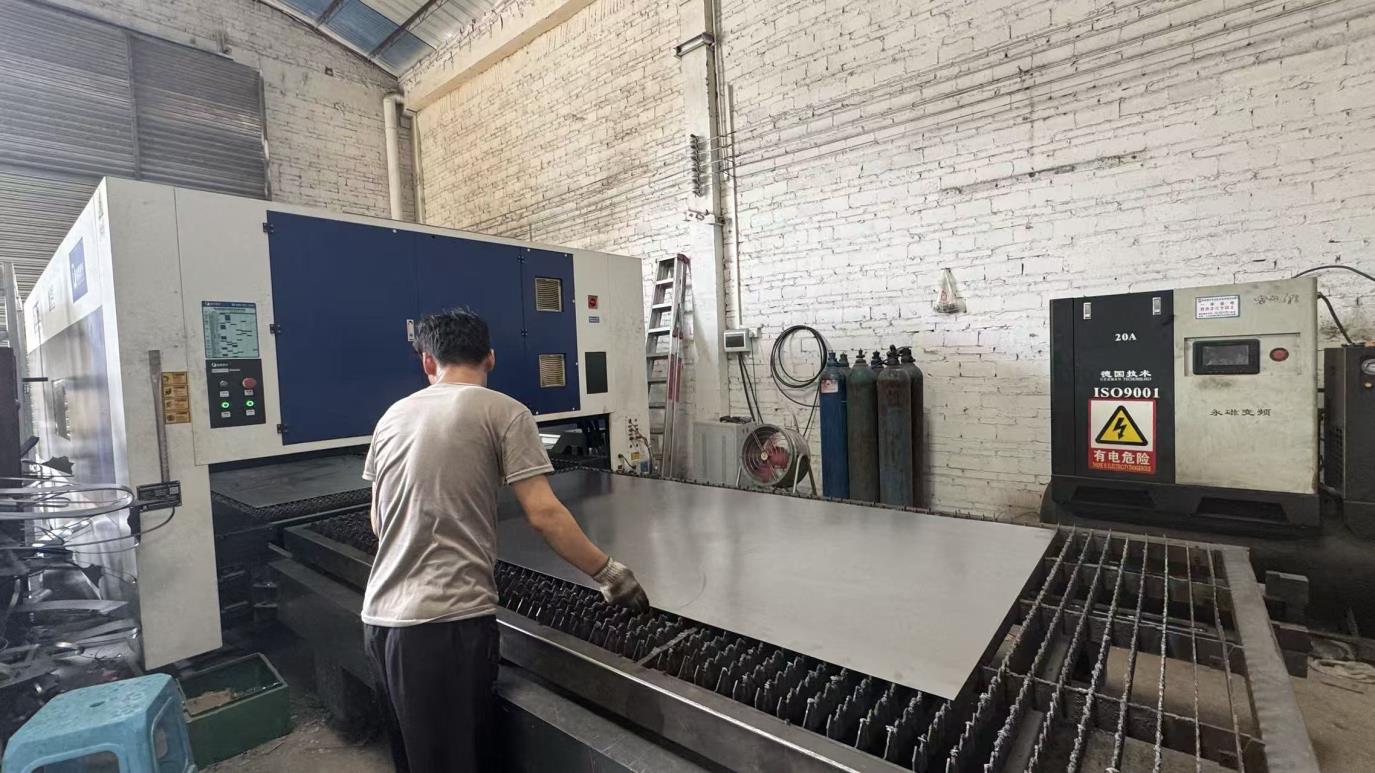
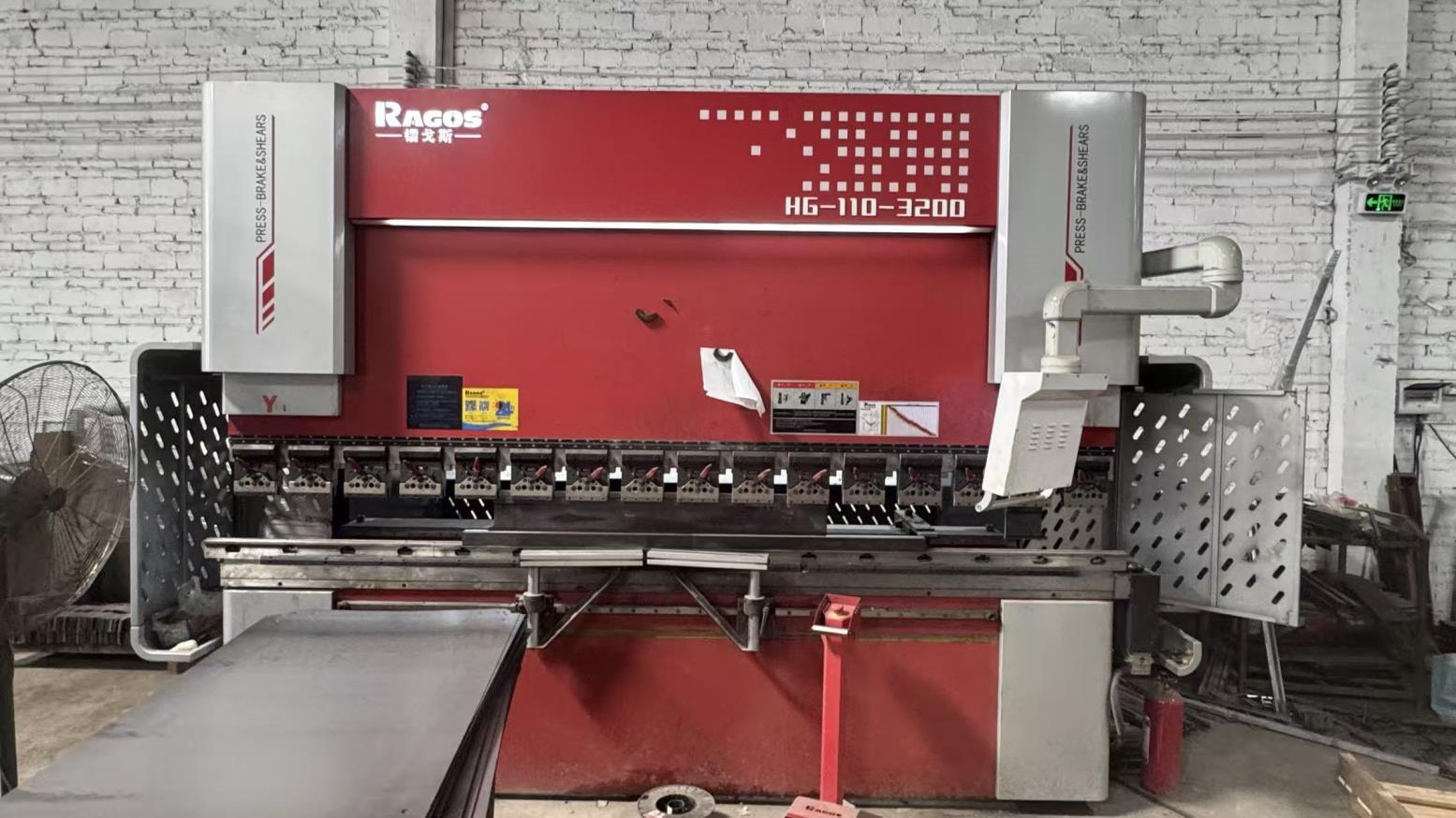
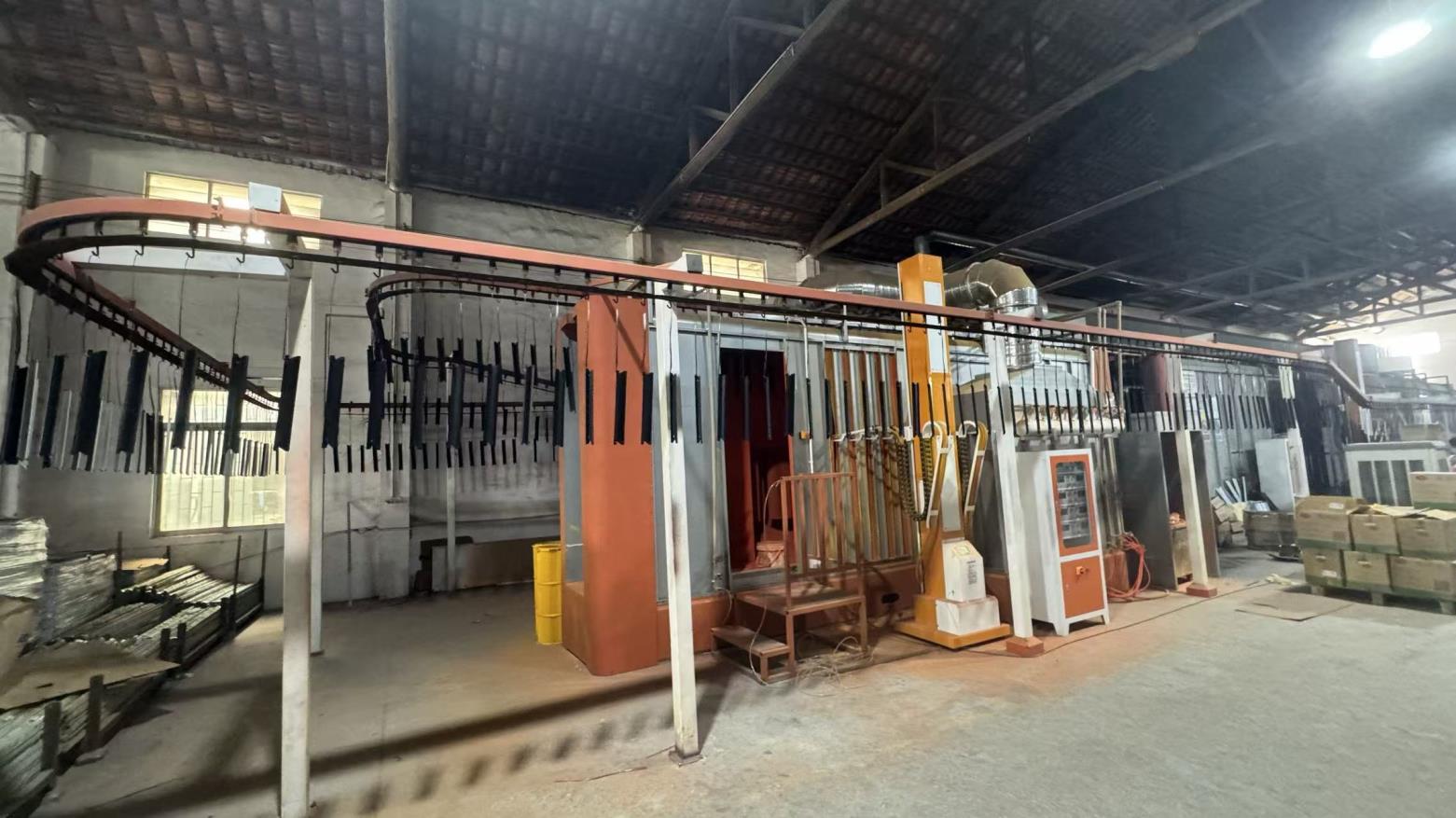
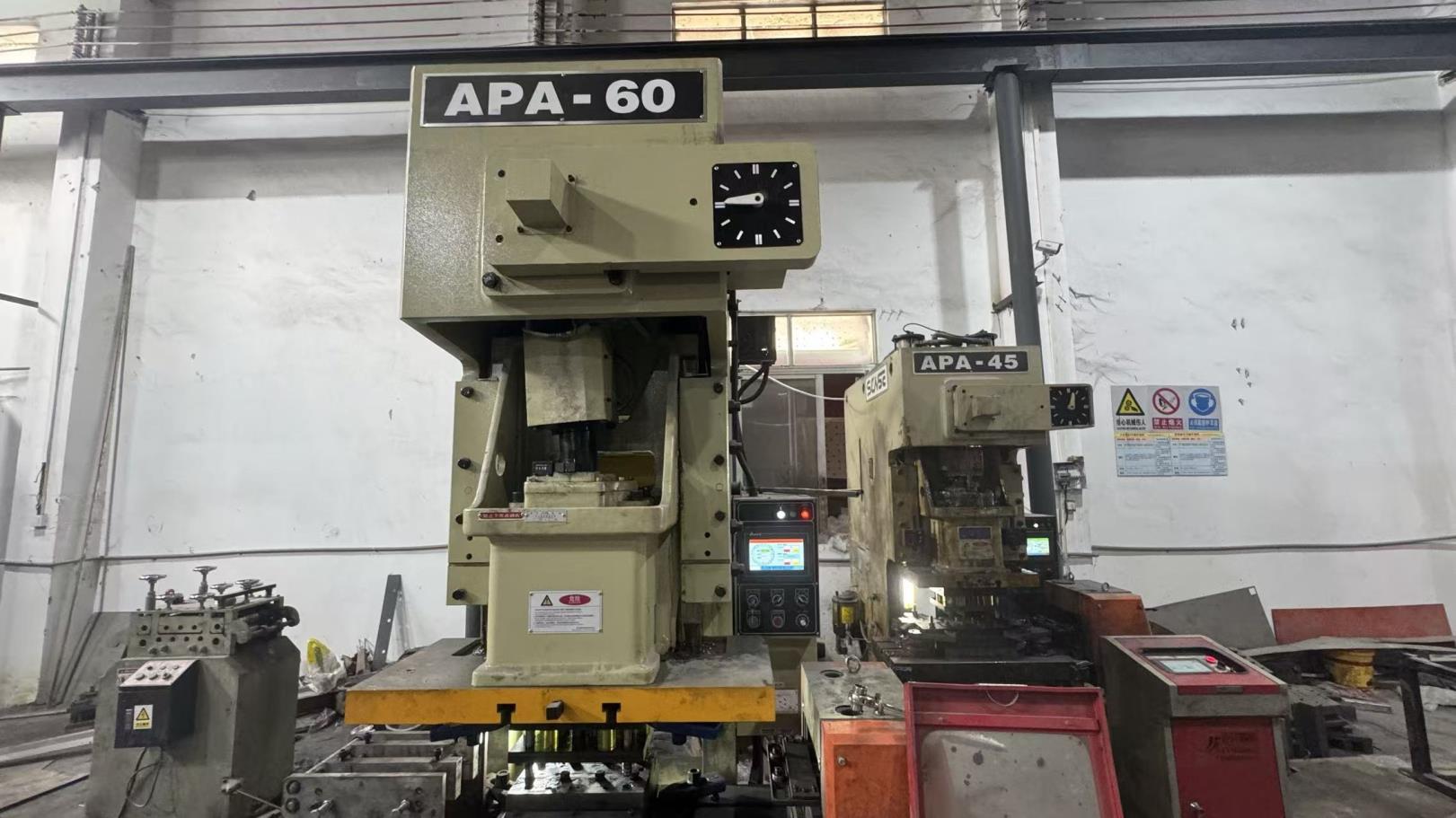
Ensuring site-specific seismic calculations and localized building code safety factors.
Industrial storage racks are structures that support heavy materials, and their structural failure can have severe consequences. Consequently, localized regulatory compliance is essential for any industrial engineering layout. Professional manufacturers must design, fabricate, and test storage systems to meet the specific codes of the destination country. Whether executing a project in California under the RMI (Rack Manufacturers Institute) provisions or planning a distribution facility in Germany compliant with EN 15512, specific load factors, seismic zoning, and structural calculations are required.
The engineering process begins with Finite Element Analysis (FEA). Structural components (such as columns, baseplates, and beams) are subjected to simulated load scenarios, including vertical pallet loads, accidental fork truck impacts, and lateral wind/seismic forces. The design must accommodate localized seismic design parameters (e.g., SDS factors in the United States or Ground Acceleration factors in Europe), which dictate the gauge thickness of the upright profiles, the required size of anchor bolts, and the spacing of horizontal and diagonal bracing.
Additionally, surface treatments must be tailored to the environmental conditions of the site. In temperature-controlled food distribution centers or high-humidity coastal zones, standard powder coatings are replaced by specialized hot-dip galvanized finishes or epoxy-resin systems. These provide long-term corrosion resistance, pass salt spray weathering tests, and maintain structural integrity over decades of operation.
The transition from manual racking to fully integrated automated platforms.
The warehousing sector is undergoing a shift driven by rising labor costs, land scarcity, and the demands of modern e-commerce. Strategic storage planning is evolving from traditional static rack configurations to integrated dynamic storage systems. Key trends shaping the industry include:
1. Automated Storage and Retrieval Systems (AS/RS): The demand for AS/RS systems is increasing. These systems utilize robotic shuttle carts, crane installations, and warehouse management software (WMS) to automate the storage and retrieval of pallets. This increases throughput speed while reducing product damage and labor requirements.
2. Eco-Friendly and Green Manufacturing: Environmental compliance is becoming a critical sourcing criterion for international corporations. Racking manufacturers are optimizing their processes by using energy-efficient curing ovens on powder coating lines, recycling production water, and sourcing steel from mills with lower carbon footprints. ISO 14001 certification has become a standard requirement for major enterprise projects.
3. Intelligent Monitoring and IoT: Modern high-bay warehouses are beginning to integrate Internet of Things (IoT) sensors directly into the racking structures. These sensors monitor load distribution, detect fork truck impacts, and measure structural deflection in real time. This allows warehouse managers to proactively address safety issues and optimize load distribution.
Answering key queries on compliance, steel grades, customization, and logistics protocols.
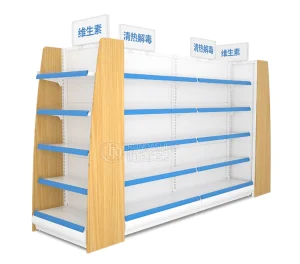
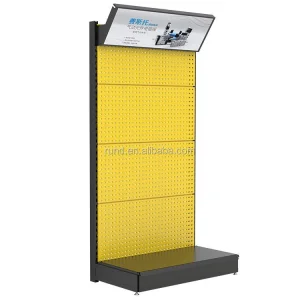
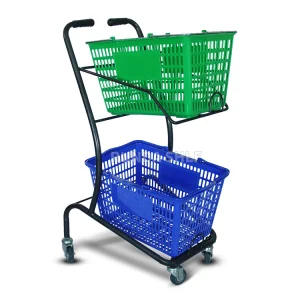
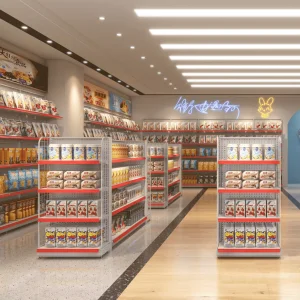
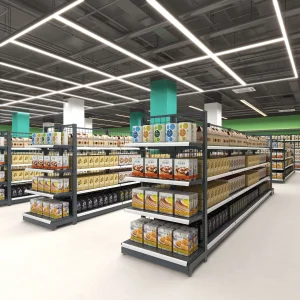
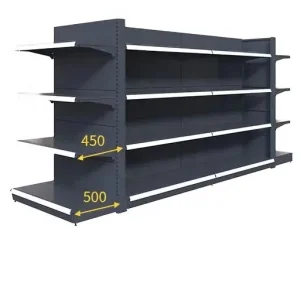
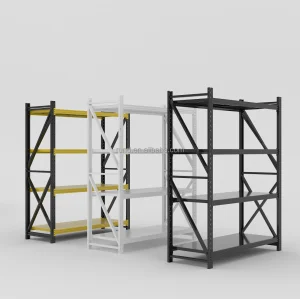
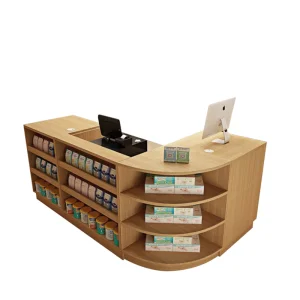
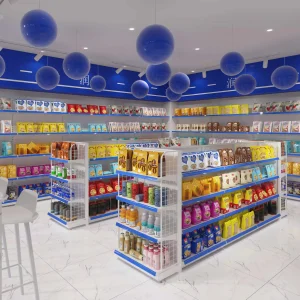
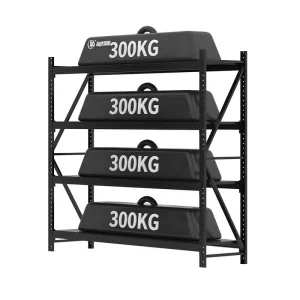
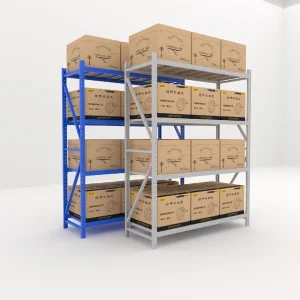
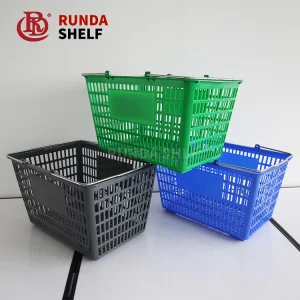
Heavy-duty, medium-duty, and retail storage components built for high load capacities and durability.
 DeltaStorage