Why Choose China Best Pegboard Displays?

Time:2026-10-18 Author:Ethan
0%

Choosing the right Pegboard Displays can shape how customers notice, touch, and remember your products. China has become a major sourcing market for retail fixtures because manufacturers combine material knowledge, flexible production, and competitive pricing. Experienced factories can produce metal, wood, acrylic, or mixed-material pegboards for stores, trade shows, showrooms, and home organization spaces.

Fit matters more.

A reliable supplier should understand load requirements, panel thickness, hook spacing, surface finishes, packaging, and installation methods. These details affect stability and daily usability. For example, a cosmetics display may need smooth powder coating and closely spaced hooks. A hardware display may require reinforced panels and stronger brackets. Professional manufacturers can recommend practical structures after reviewing product weight and store layout.

However, choosing China’s best Pegboard Displays is not simply about selecting the lowest quotation. Quality control experience matters. Ask for material specifications, production samples, inspection records, and clear photographs of finished units. Independent testing or factory audits can provide additional confidence when the project is large or customized. Communication also deserves attention, especially when drawings, colors, dimensions, and delivery schedules must remain accurate.

Some designs look excellent online.

They may feel less durable in person.

This is where careful evaluation becomes valuable. A trustworthy supplier explains limitations instead of promising everything. They should identify possible weaknesses, such as edge damage, unstable feet, or difficult assembly. Buyers should also compare total cost, including packaging, freight, installation, and replacement parts. With thoughtful sourcing and realistic expectations, China-made Pegboard Displays can offer strong visual impact, dependable performance, and useful flexibility for changing retail needs.
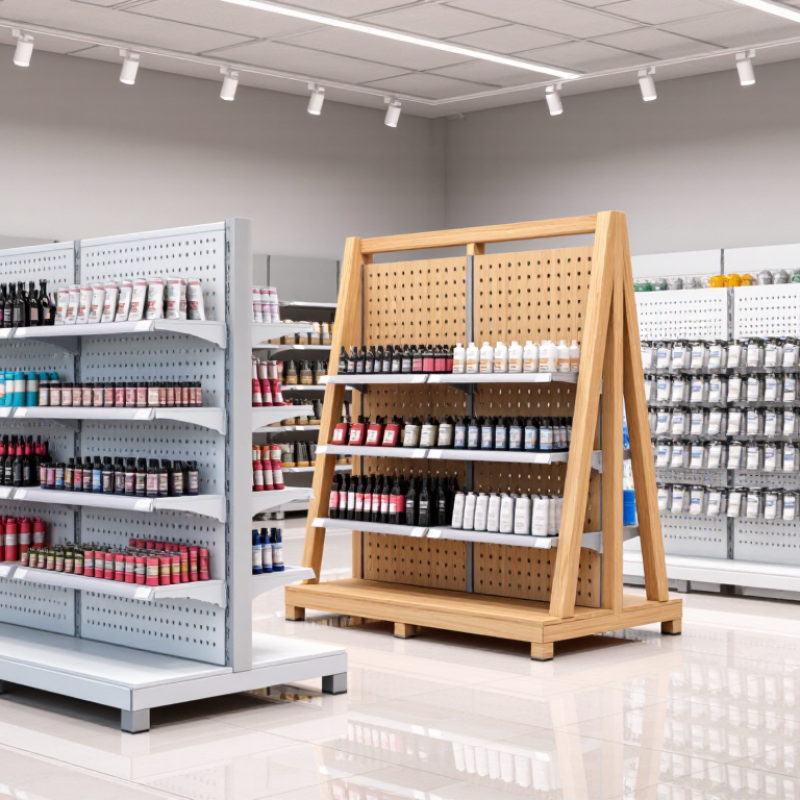
Why Choose China Best Pegboard Displays?

What Are Pegboard Displays and How Do They Work?

Why Choose China’s Best Pegboard Displays?

What are pegboard displays, and how do they work? A pegboard display uses a perforated panel with movable hooks, shelves, baskets, or brackets. Each accessory fits into the panel holes and supports a specific product position. Staff can change the layout without replacing the whole fixture. This flexibility suits tools, packaged goods, accessories, and lightweight equipment. It also improves visibility by keeping products at eye level.

China’s strongest pegboard suppliers typically combine automated cutting, powder coating, and load testing. However, low prices alone do not prove quality. Ask for material thickness, coating performance, hole spacing, and documented weight limits. Grand View Research estimates the global retail display market will grow steadily through 2030, driven by flexible merchandising and in-store engagement. POPAI shopper research has also reported that roughly three-quarters of purchase decisions occur inside stores. A well-planned pegboard can therefore support faster product comparison. It cannot fix confusing pricing or poor stock control.

Tips: Start with a simple planogram and test it for one week. Keep heavy items on lower hooks. Use shelf labels with strong contrast. Leave enough space for hands to remove products safely. Review sales and customer movement, not appearance alone. In practice, even an attractive display may underperform when accessories loosen or replenishment takes too long. That weakness deserves honest review.

Which Features Define a High-Quality Pegboard Display?

Why Choose China Best Pegboard Displays?

A high-quality pegboard display begins with dependable material, not decoration. The board should resist bending, moisture, and repeated hook movement. Powder-coated steel often performs well in busy retail environments. Wood-based panels can feel warmer, but their edges need careful sealing.

Load capacity matters. A useful display should hold products without tilting or pulling away from the wall. Check the panel thickness, fixing points, hook strength, and weight distribution. POPAI’s Mass Merchant Shopper Engagement Study reported that 82% of purchase decisions occurred in stores. That figure is older, but it still shows why visible, accessible merchandising matters. A pegboard must support quick comparison, clear pricing, and easy product removal.

Tips: Test one loaded section before full installation. Use a level. Leave space between hooks. Inspect loose fittings weekly. Do not trust a high load rating without checking the wall structure. In practice, many display problems come from poor installation, not weak panels. That is easy to overlook. A high-quality design should also allow tool-free adjustment, smooth edges, stable bases, and replaceable accessories. Independent testing reports, material certificates, and clear maintenance guidance improve reliability. Still, no display is perfect. Heavy products may require extra anchors, and frequent rearrangement can mark the surface. Good planning reduces those weaknesses.

Why Is China a Leading Source for Pegboard Displays?

China is a leading source for pegboard displays because it combines deep manufacturing capacity with flexible production. The World Trade Organization reported that China held 14.2% of global merchandise exports in 2023. That scale supports mature supply chains for steel panels, laminated boards, hooks, brackets, and retail packaging.

The numbers matter on the factory floor.
China’s National Bureau of Statistics reported that manufacturing contributed 31.7% of global manufacturing value added in 2023. Buyers can often source cutting, drilling, powder coating, printing, and packing from nearby suppliers. This shortens coordination time and supports custom layouts for tools, accessories, or small packaged goods. I have found that clear drawings reduce errors more than attractive product photos. Ask for hole spacing, panel thickness, load testing, coating thickness, and carton-drop results. Small details matter.

Still, “made in China” is not a quality guarantee. Supplier capability varies. An audit, prototype approval, and pre-shipment inspection remain necessary. The World Bank’s Logistics Performance Index 2023 placed China 19th globally, showing strong logistics performance but not perfect consistency. Delays can still occur during peak seasons. Some factories also overstate load capacity. That is an uncomfortable point, but it deserves attention. A reliable sourcing process checks samples under real weight, measures hook alignment, and confirms replacement-part availability before larger production.

How Do Chinese Suppliers Support Customization and Large-Scale Orders?

Chinese pegboard suppliers support customization through flexible tooling, modular parts, and documented production controls. Grand View Research projects steady growth in the global retail shelving market through 2030, with demand driven by adaptable store fixtures. This trend favors pegboards that can change with product sizes, seasonal campaigns, and local selling habits.

A reliable supplier can adjust hole spacing, panel dimensions, hooks, baskets, colors, and printed headers. It should also provide drawings before production. Clear drawings prevent expensive surprises. For large orders, experienced factories usually separate sampling, pilot production, and mass production. They may use laser cutting, automated punching, powder coating, and fixture-based assembly. These methods improve consistency across containers, not just one sample.

Quality evidence matters. Suppliers should share material specifications, load-test records, coating thickness checks, and carton drop-test results.

The Freedonia industry report World Shelving identifies durability, installation efficiency, and flexible merchandising as important purchasing factors. Buyers should still verify these claims with independent inspections. Not every factory handles scale equally. A low quotation may hide weak packaging, uneven coating, or unstable lead times.

I have seen a visually perfect sample fail during repeated hook loading. That mistake was avoidable. A practical order plan includes approved samples, a small pilot batch, inspection checkpoints, spare components, and realistic shipping buffers. Procurement teams should also review factory capacity before confirming peak-season quantities. “Can you repeat this quality?” is the right question.

How Should Buyers Evaluate and Select the Best Chinese Manufacturer?

Why Choose China Best Pegboard Displays?

How Should Buyers Evaluate and Select the Best Chinese Manufacturer?

Choosing a Chinese pegboard manufacturer requires more than comparing catalog prices. Buyers should inspect production capability, process control, and communication before placing a large order. Request recent factory videos, production photos, and a clear explanation of each manufacturing stage. Look for controlled laser cutting, consistent welding, smooth edges, and accurate hole spacing.

A physical sample reveals more than polished photographs. Test the board with your actual hooks, shelves, and product weight. Check whether panels remain flat after packing and whether the coating resists scratches during installation. Confirm steel thickness, coating method, dimensions, and carton protection in writing. A reliable manufacturer should provide inspection records and realistic production schedules.

Experience matters here. I once accepted an attractive sample without checking its packaging strength. Several panels arrived with bent corners. That mistake changed my buying process. Now, I request a pre-shipment inspection, loading photos, and replacement terms for measurable defects. Third-party inspection can verify quantities and workmanship before shipment. Ask how the factory handles rejected parts, design changes, and delayed materials. Clear answers matter.

Buyers should also assess communication speed and technical understanding. Can the supplier read drawings accurately? Can engineers suggest stronger brackets without changing the display’s appearance? References from similar projects offer useful evidence, but they should be checked carefully. No supplier is perfect. A transparent factory that admits limitations may be safer than one promising everything.

FAQS

What customization options can Chinese pegboard suppliers provide?

Suppliers may adjust hole spacing, panel dimensions, colors, hooks, baskets, and printed headers. Drawings should be approved before production. Small details matter.

How should buyers prepare a custom pegboard order?

Provide product sizes, expected loads, panel measurements, accessory positions, colors, and packaging requirements. Ask for technical drawings and a physical sample. Written details prevent costly misunderstandings.

How do factories manage large-scale production?

Experienced factories often separate sampling, pilot production, and mass production. Laser cutting, automated punching, powder coating, and fixture assembly can improve consistency. Scale changes everything.

What quality documents should buyers request?

Request material specifications, load-test records, coating-thickness checks, and carton drop-test results. Inspection records should match the approved sample. Paper evidence is useful, but not perfect.

How can buyers test a pegboard sample properly?

Use your actual hooks, shelves, and product weight during testing. Check flatness, hole accuracy, edge smoothness, coating resistance, and bracket strength. Photographs are not enough.

How can buyers evaluate packaging quality?

Inspect carton thickness, corner protection, internal spacing, and moisture protection. Request loading photographs and a pre-shipment inspection. One bent corner can delay installation.

What should buyers check before confirming a large order?

Review factory capacity, material availability, production timing, inspection points, spare components, and shipping buffers. Peak-season quantities require realistic schedules. Cheap prices may hide weak packaging.

How should buyers judge supplier communication?

Ask whether engineers can read drawings accurately and suggest stronger brackets when needed. Discuss rejected parts, design changes, delayed materials, and measurable defects. Clear answers build confidence.

Is third-party inspection necessary for pegboard orders?

Independent inspection can verify quantities, workmanship, dimensions, and packaging before shipment. It cannot replace careful sample testing. I once trusted a perfect sample, but repeated hook loading exposed a weakness.

Conclusion

Pegboard Displays are flexible merchandising and storage solutions that use a perforated panel and compatible hooks, shelves, or brackets to organize products in an accessible and visually appealing way. A high-quality display should offer strong materials, stable construction, precise hole spacing, a durable finish, safe edges, and easy installation. Its modular design allows retailers to adjust layouts as product ranges and promotional needs change.

China has become a leading source of Pegboard Displays because its manufacturing industry combines broad production capacity, competitive costs, efficient supply chains, and practical experience in metal, wood, acrylic, and composite materials. Chinese suppliers can support custom dimensions, colors, finishes, packaging, and functional accessories, while also managing prototypes and large-scale orders. Buyers should compare material specifications, workmanship, customization capabilities, production consistency, quality-control procedures, communication, lead times, and shipping support before selecting a manufacturer. A reliable supplier should provide clear documentation, samples, transparent pricing, and dependable after-sales service.

Ethan

Ethan

Ethan is a seasoned marketing professional with a deep expertise in our company's innovative product line. With a passion for sharing knowledge and insights, he takes the lead in regularly updating our corporate blog, where he explores industry trends, product features, and effective marketing......