What Are the Top Compact Shelving Options for Global Buyers?

Time:2026-09-23 Author:Oliver
0%

For global buyers, Compact Shelving is more than a space-saving purchase. It is a decision about access, safety, durability, and daily workflow. A narrow aisle may create valuable floor space, but it can also slow retrieval. A dense layout may look efficient, yet poor labeling can turn every search into a delay.

“Capacity matters only when people can reach, identify, and retrieve what they need,” says David J. Morrow, a compact-storage systems consultant. His point deserves attention. The strongest systems combine mobile shelving, reliable tracking, suitable load ratings, and clear aisle planning. They also consider local building conditions, climate, maintenance skills, and user habits. A warehouse in Singapore may need different corrosion protection than one in a dry inland region. An archive may require tighter environmental control than a retail stockroom.

This guide compares leading Compact Shelving options for international purchasers. It examines mechanical-assist, electric-mobile, high-density, archive, and industrial configurations. Each option has strengths. Each has limitations.

Cost can mislead.

A cheaper frame may require more service later. An advanced system may save space but demand trained operators and dependable power. I also recognize that product data does not reveal every real-world problem. Installation quality, spare-part access, and staff behavior often decide performance. Buyers should test sample layouts, review supplier support, and measure actual retrieval times before committing. The best choice is not the most compact system. It is the system that remains practical after delivery, installation, and daily use.
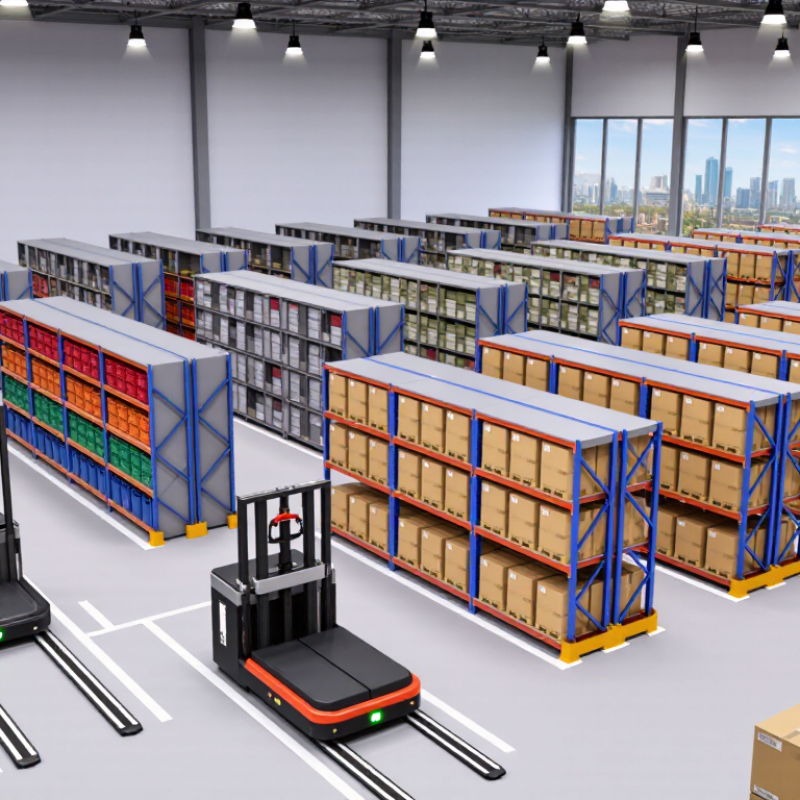
What Are the Top Compact Shelving Options for Global Buyers?

Compact Shelving: Definition, Structure, and Space-Saving Principles

Compact shelving is a high-density storage system designed to reduce unused aisle space. It usually combines vertical frames, adjustable shelves, base tracks, and movable carriages. Some units slide by hand, while others use mechanical or powered movement. Static high-density shelving suits stable inventories, while mobile shelving serves archives, offices, and limited-floor warehouses.

The space-saving principle is simple: fewer permanent aisles create more usable storage volume. Closed carriages move together, opening only one working aisle when needed. Vertical adjustment also matters. Shelves should match carton heights, not follow a fixed pattern. A 30-centimeter gap repeated across ten levels becomes wasted space. Strong frames, balanced loads, smooth bearings, and secure stops support safer daily operation.

In practical projects, I measure aisle clearance, ceiling height, floor strength, and picking frequency before choosing a structure. Fast-moving goods may need more access aisles than compact storage provides. That trade-off is easy to overlook.

A supplier should provide load calculations, installation drawings, material details, and maintenance guidance. Buyers should also verify corrosion protection for humid regions and confirm compatibility with local safety requirements. I have seen layouts look efficient on paper but become awkward when doors, lights, or emergency routes were ignored. Shelving should be tested with real containers, not only empty frames.

Main Types of Compact Shelving for Different Storage Environments

Compact shelving works best when its type matches the storage environment. Mobile shelving uses rails and moving bases to reduce unused aisles. It suits archives, offices, libraries, and record rooms. Operators can open one aisle at a time. This design increases capacity, but floor strength and emergency access need careful checking. It is not automatically suitable for every old building.

Static compact shelving offers a simpler option. Units stand close together, with one planned access aisle. It fits small warehouses, spare-parts rooms, and retail backrooms. Adjustable levels help store cartons, bins, and irregular packages. However, staff may need ladders or extra handling space. A design that looks dense on paper can feel slow during busy picking periods.

For pallet storage, drive-in and pallet flow shelving support different warehouse routines.

Drive-in systems provide deep lanes for similar goods and limited product variety. They can work well in cold rooms or bulk storage areas.

Pallet flow systems use gravity rollers, allowing loading from one side and picking from the other. They support faster stock movement, but installation must suit pallet weight and temperature conditions.

Mezzanine-supported shelving adds vertical capacity where ceiling height allows. Measure everything twice.

Door clearance, sprinkler positions, aisle width, and local safety rules can change the final choice. Our practical view is cautious: maximum density is not always maximum value.

Key Features to Compare When Selecting Compact Shelving

What Are the Top Compact Shelving Options for Global Buyers?

Compact shelving includes mobile carriages, high-density static bays, and modular vertical units. Each option serves a different storage problem. Mobile systems reduce unused aisles by moving shelves together. Static shelving costs less and supports simpler picking routines. Vertical modules use ceiling height, but they require careful access planning. The best choice depends on SKU size, retrieval frequency, floor loading, and local safety rules.

Compare load capacity before finish or color. Ask for tested bay loads, shelf deflection limits, anchoring methods, and seismic performance. A 2023 MHI Annual Industry Report found that 76% of respondents planned to increase supply-chain technology investment. That pressure makes measurable space efficiency more valuable. However, automation cannot fix weak item data or poor slotting. Measure cartons, bins, forklifts, and turning radii on site. Small errors matter.

Ergonomics deserves equal attention. Frequently picked items should sit between knee and shoulder height. Heavy goods need mechanical assistance or lower positions. Check corrosion resistance in humid warehouses, powder-coat durability, fire-clearance requirements, and spare-part availability across borders. Request installation drawings and maintenance intervals in clear English. Independent load testing adds credibility. The cheapest quote can age badly. Total cost should include labor, energy, inspections, relocation, and downtime. Industry reports offer useful benchmarks, but every facility remains different. That is where buyers must challenge assumptions.

What Are the Top Compact Shelving Options for Global Buyers? - Key Features to Compare When Selecting Compact Shelving
Compact Shelving Option Best-Fit Applications Typical Bay Width Typical Depth Typical Shelf Load Space-Saving Mechanism Access Method Typical Storage Density Mobility and Installation Key Advantages Important Selection Checks
Static Adjustable Shelving Archives, offices, retail back rooms, spare parts and general inventory 600–1,200 mm 300–600 mm 80–300 kg per shelf Adjustable shelf levels use vertical space efficiently without moving aisles Direct access from a fixed aisle Moderate; commonly 20–40% more usable space than fixed-position storage when correctly configured Usually boltless or bolted assembly; normally floor-mounted Flexible layout, easy reconfiguration and broad accessory compatibility Check beam and shelf deflection, corrosion protection, anchoring requirements and local load regulations
Mobile Aisle Shelving High-density archives, libraries, museums, records rooms and secure storage areas 600–1,200 mm per carriage section 300–600 mm 80–500 kg per shelf Multiple shelving rows move on floor rails, allowing most fixed aisles to be removed One movable aisle is opened when access is required Up to approximately 80–100% more floor capacity than conventional fixed aisles, depending on aisle width and layout Manual handwheel, assisted drive or powered drive; requires a level floor and rail planning Very high floor-space utilization and improved environmental control for enclosed collections Verify floor loading, emergency access, anti-tip protection, drive controls, power requirements and operator safety
Boltless Rivet Shelving Light industrial storage, e-commerce picking, workshops, garages and maintenance rooms 900–1,800 mm 300–900 mm 150–900 kg per shelf High vertical frames and adjustable levels reduce unused overhead space Direct front access; some layouts allow back access Moderate to high, depending on shelf spacing and aisle design Tool-light assembly; often uses clips, rivets or keyhole connections Fast assembly, low maintenance and easy relocation Confirm evenly distributed load ratings, frame bracing, deck material, seismic needs and maximum bay height
Carton Flow Shelving Order picking, first-in-first-out inventory, cartons, totes and small-item distribution 900–2,400 mm 600–1,200 mm 50–250 kg per flow lane or shelf level Inclined roller or wheel tracks allow cartons to move toward the picking face Load from the replenishment side and pick from the opposite side High picking density; typically reduces walking and improves stock rotation Usually fixed-frame installation; requires accurate leveling Supports FIFO rotation, faster picking and clear separation of replenishment and picking tasks Check carton dimensions, roller spacing, lane slope, stop bars, replenishment clearance and ergonomic reach height
Double-Deep Shelving Warehouses with uniform pallets or cases and medium-to-high inventory volumes 2,700–3,600 mm for two storage positions 1,800–2,400 mm 500–1,500 kg per pallet position Two pallet positions are stored behind one another, reducing the number of operating aisles Reach equipment or specialized forklifts access the rear position Approximately 30–50% more storage density than single-deep pallet racking in suitable layouts Requires compatible lifting equipment, trained operators and precise installation Good balance between density and selectivity for stable, high-volume stock Confirm pallet dimensions, load center, equipment reach, fire protection clearances and inventory rotation requirements
Pallet Flow Shelving High-volume distribution, food and beverage, manufacturing and date-sensitive goods 1,200–3,600 mm per lane group 2,400–12,000 mm per lane 500–1,500 kg per pallet position Gravity rollers move pallets from the loading side to the picking side First-in-first-out access from opposite ends of the rack High; long lanes reduce aisle requirements and improve cube utilization Fixed installation with engineered roller lanes, brakes and pallet controls Strong stock rotation, reduced forklift travel and efficient use of deep storage space Evaluate pallet quality, lane length, roller capacity, braking systems, fire codes and maintenance access
Cantilever Shelving Long or irregular products such as pipes, timber, profiles, carpet rolls and furniture components 900–1,500 mm per arm level 450–1,200 mm per arm 100–1,000 kg per arm Front columns and arms eliminate front posts, creating open horizontal storage Front loading by hand, crane or forklift, depending on system size High for long goods; density depends on product length and required handling clearance Bolted or welded frames; single- or double-sided configurations available Fast identification, unobstructed loading and adjustable arm levels Check product length, arm deflection, column stability, base anchoring, end stops and seismic conditions
High-Density Bin Shelving Small parts, electrical components, fasteners, repair items and maintenance inventory 450–1,200 mm 200–600 mm 30–150 kg per shelf Small adjustable bins and close shelf spacing maximize vertical and horizontal organization Direct hand access from a narrow aisle High for small items; often improves SKU visibility and pick-face utilization Simple modular assembly; bins and dividers can be rearranged without special tools Excellent item visibility, low picking effort and efficient SKU separation Check bin size, label visibility, ergonomic reach, shelf lip design, static load and chemical resistance

Note: Figures are typical planning ranges for comparison only. Actual capacity, dimensions, aisle requirements and storage density depend on engineering design, product weight distribution, seismic conditions, fire codes, local regulations and the handling equipment used.

Global Buyer Considerations: Materials, Standards, and Installation

What Are the Top Compact Shelving Options for Global Buyers?

Global buyers should compare mobile, static, and powered compact shelving by use conditions, not appearance. Mobile shelving suits archives and spare-parts rooms where floor space is expensive. Static units offer simpler installation and easier maintenance. Powered systems improve access control, but they require electrical planning and trained servicing.

Material choice matters. Powder-coated steel performs well indoors, while galvanized finishes better resist humid storage areas. Stainless steel may suit clean environments, though its price can be difficult to justify. Check shelf load ratings, frame thickness, coating adhesion, and corrosion testing. MHI’s 2024 Annual Industry Report states that 83% of supply-chain professionals expect technology adoption to increase. That trend supports powered shelving, but automation is not always the wiser purchase.

Standards need careful interpretation. ISO 7170 addresses storage-furniture strength, durability, and stability. Warehouse racking projects may also reference EN 15629 and EN 15635, depending on the system and market. Buyers should request structural calculations, load plates, installation drawings, and maintenance instructions. Metric and imperial measurements can create small but costly errors. Anchoring must reflect floor strength, seismic exposure, and local fire requirements. A qualified installer should inspect uneven floors before delivery. I have seen specifications look complete while ignoring door clearance and emergency access. That oversight can undermine the whole layout. Regional compliance still needs verification.

What Are the Top Compact Shelving Options for Global Buyers?

Global buyer comparison of common shelving materials by corrosion resistance, structural rigidity, cleaning performance, and installation simplicity.

Scores use a 1–5 comparative scale based on typical material characteristics: powder-coated steel offers strong rigidity and value, stainless steel provides excellent corrosion resistance and hygiene, aluminum is lightweight and relatively easy to install, while laminated board is simple to handle but less suitable for humid or heavy-duty environments. Final selection should also consider local safety requirements, load ratings, fire regulations, corrosion exposure, and anchoring conditions.

How to Match Compact Shelving Options With Specific Storage Needs

Choosing compact shelving starts with the storage task, not the product label. Adjustable static shelving suits cartons, documents, and small parts with changing dimensions. Mobile shelving saves floor space by moving units along rails. It works well where access is occasional, such as archives or spare-parts rooms. Modular bin shelving supports frequent picking and keeps small components visible. Cantilever shelving is better for long items, including pipes, panels, and timber.

Match each option to load weight, item size, access frequency, and available clearance. Measure the tallest stored item, including packaging. Leave enough aisle space for workers and handling equipment. Heavy cartons belong on lower levels. Frequently used parts should stay between waist and shoulder height. In humid environments, choose finishes and materials suited to moisture exposure. Confirm rated capacities, anchoring methods, and local workplace requirements before installation.

A practical assessment should include a trial layout with empty cartons or sample bins. This reveals awkward reach distances and blocked sightlines early. I once saw a compact plan waste space because door swing clearance was ignored. Small errors matter. Shelves also need simple labels and stable load distribution. A dense system can look efficient while slowing every retrieval. Review real picking times after installation, then adjust shelf heights or aisle spacing. The best compact shelving option may change as inventory changes.

FAQS

What is mobile compact shelving best used for?

It suits archives, offices, libraries, and record rooms. Shelves move along rails, leaving one open aisle. Floor strength needs checking.

When is static compact shelving a practical choice?

Static units suit small warehouses, spare-parts rooms, and retail backrooms. Adjustable levels hold cartons, bins, and uneven packages. Picking may feel slower.

How do drive-in and pallet flow shelving differ?

Drive-in shelving stores similar goods in deep lanes. Pallet flow shelving uses gravity rollers for loading and picking from opposite sides. Temperature matters.

Can mezzanine-supported shelving increase storage capacity?

Yes, if the building has enough ceiling height and structural support. Measure door clearance, sprinklers, aisles, and floor loading twice.

What should buyers compare before selecting shelving?

Compare rated bay loads, shelf deflection, anchors, seismic performance, and maintenance needs. Do not focus only on finish or color.

How should shelving support safe and comfortable work?

Place frequent picks between knee and shoulder height. Store heavy cartons low. Provide handling equipment when lifting becomes difficult.

Which shelving fits long materials?

Cantilever shelving suits pipes, panels, timber, and other long items. Its arms need proper spacing and stable load distribution.

How can a buyer test a proposed shelving layout?

Use empty cartons or sample bins before installation. Check door swings, reach distances, sightlines, and turning space. Small errors matter.

Is maximum storage density always the best solution?

No. Dense shelving can slow retrieval, increase handling effort, or block emergency access. A plan can still be wrong.

How should shelving performance be reviewed after installation?

Measure real picking times and observe daily movement. Adjust shelf heights or aisle spacing when needed. Inventory changes, too.

Conclusion

Compact Shelving is a space-efficient storage solution designed to increase capacity by reducing unnecessary aisles and using movable, fixed, or mobile shelving units. Its structure typically includes vertical frames, adjustable shelves, rails, locking systems, and optional safety components. Depending on the environment, buyers may choose mobile shelving for offices and archives, high-density units for warehouses, or specialized configurations for libraries, workshops, and records storage. Each type offers different advantages in accessibility, load capacity, flexibility, and space utilization.

When selecting Compact Shelving, global buyers should compare materials, surface treatments, weight ratings, dimensions, mobility systems, safety features, and ease of maintenance. It is also important to confirm compatibility with local building requirements, product standards, delivery conditions, and installation practices. The best option should match the stored items, available floor area, retrieval frequency, climate, and future expansion plans. A careful evaluation of these factors helps buyers achieve reliable organization, improved storage density, and efficient long-term use.

Oliver

Oliver

Oliver is a seasoned marketing professional with a wealth of expertise in driving brand awareness and engagement. With a deep understanding of our company's product offerings, he consistently delivers high-quality content that enriches our professional blog. His insights not only shed light on......