Choosing Heavy Duty Racks in 2026 is not simply a matter of buying the strongest frame available. The right system must match your inventory, handling equipment, available floor space, and building conditions. Start with real load data, not a guess. Record the heaviest pallet, its dimensions, and how frequently it moves. Compare these details with the manufacturer’s stated capacities. Shelf and bay ratings are not interchangeable. Easy to miss. Measure clear height, aisle width, doorways, and floor condition before comparing quotes. A rack can fit on paper yet obstruct a forklift turn.
Your storage pattern also affects the design. Selective racks offer direct access to many pallet positions, while drive-in systems prioritize density. Cantilever racks may suit long materials. These options involve trade-offs in access, space, and handling, so consider how staff will use the system each day. Ask suppliers for written specifications, installation requirements, and guidance on inspections. Where floor capacity or structural conditions are uncertain, seek a qualified professional’s assessment. Details matter. This guide explains how to compare rack types, load requirements, materials, and safety features when choosing Heavy Duty Racks. No checklist removes every uncertainty; actual inventory and operating habits can change. Revisit your assumptions before committing.
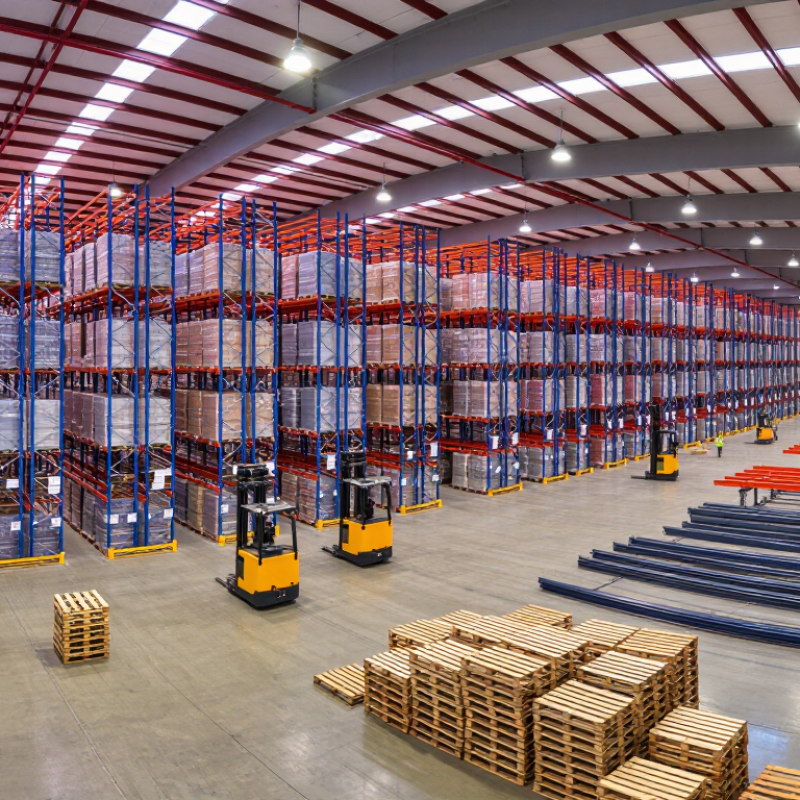
Choosing heavy duty racks in 2026 starts with an honest inventory of what they must hold. Record the weight of each load, including its pallet, packaging, and attachments. Check the heaviest expected unit, not just the average. A rack’s capacity depends on its exact beam, upright, and configuration. Confirm the rated limits for each beam level and the full rack bay.
Measure items in all three dimensions. A bulky carton may weigh little but still block access or overhang a shelf. Note pallet sizes, load stability, and where the weight sits. Uneven or off-center loads can create risks even when the total weight seems acceptable. Measure twice. Also check aisle width, ceiling height, sprinkler clearance, and the space needed for forklifts or other handling equipment.
Think about daily use, not only storage density. Fast-moving items may need clear, reachable locations, while awkward loads need more room for careful placement. Consider future inventory changes, dust, moisture, and temperature where relevant. Verify floor capacity and have a qualified rack professional review the planned layout and loading details. Estimates are never perfect; leaving a little room for change is usually wiser than designing to the last inch.
For “How to Choose Heavy Duty Racks in 2026?”, begin with a site survey, not a catalog. Measure clear height, floor area, column spacing, door openings, and sprinkler or lighting obstructions. Then map the route from receiving docks to storage and picking zones. A rack that fits on paper may still block a forklift turn. Measure the actual truck, load, and pallet; allow for their working clearances. Small details matter.
Check floor capacity and condition with a qualified professional, and record operating temperatures, moisture, and any corrosive exposure. OSHA’s 29 CFR 1910.176(a) requires safe clearances for aisles, loading docks, doorways, and turns where mechanical handling equipment is used. The U.S. Bureau of Labor Statistics’ 2022 Survey of Occupational Injuries and Illnesses reported a 4.8 total recordable case rate per 100 full-time workers in warehousing and storage. That figure is not specific to rack failures, but it reinforces the need to assess how people and equipment move through the space. Take photos and verify measurements on site. Drawings can be wrong. I would recheck the busiest aisle during a real shift; a quiet walkthrough can miss congestion.
How to Choose Heavy Duty Racks in 2026?
Compare Rack Types, Capacity, and Material Specifications
Choosing a heavy-duty rack starts with the load, not the aisle photo. Selective pallet racks suit frequent access to individual pallets. Drive-in systems store more pallets in less floor space, but reduce access and require careful truck operation. Cantilever racks handle long items such as pipe or timber; boltless shelving fits smaller components. Measure goods, forklift turning space, clear height, and floor conditions before comparing layouts.
Check the rated capacity for each beam level and the complete frame. Ratings may assume evenly distributed loads, so a concentrated machine part can change the calculation. Ask for the load chart, compatible beam details, and installation requirements. Compare steel grade, section thickness, weld quality, and corrosion protection—not just a shiny finish. Galvanized or coated steel may suit damp areas, while indoor dry storage can need less protection. Small details matter. A thicker upright alone does not prove a safer system.
Tips: Leave room to place and remove loads without striking frames. Confirm anchor and slab requirements with a qualified rack supplier or engineer, especially for tall bays or uneven floors. Mark limits where operators can see them, and inspect for bent uprights, loose anchors, or damaged beams. Recheck after changing beam heights; capacity can shift. One imperfect habit is relying on memory, so record the approved configuration and keep it with the rack.
How to Choose Heavy Duty Racks in 2026?
Check Safety Standards, Installation, and Expandability
Before comparing rack dimensions, check the rated capacity for each beam and the complete bay. Confirm that ratings match your pallet size, load weight, and storage method. A rack’s appearance cannot tell you how much it safely holds. Ask for clear load information and documentation for the applicable safety standards in your region. Keep those records accessible to the people who operate the system.
Installation matters just as much as the rack itself. The floor should be assessed for levelness and load suitability, and uprights must be aligned and secured as specified. Leave enough clearance for forklifts to turn without striking frames. Small placement errors can become costly. After installation, check connections, anchors, and visible damage before loading; arrange inspections at intervals suited to your site and use.
Plan for change, not just today’s inventory. If you may add bays or adjust beam heights, confirm that future components will be compatible with the installed system. Adding capacity is not simply a matter of fitting another beam; revised layouts may need new load checks. This is easy to overlook during a busy move. A simple aisle sketch and a record of typical pallet weights can make planning more accurate, though neither replaces a qualified site assessment.
Use this standards map to identify which references inform each decision area.
How to read it: 1 indicates a reference directly informs the check; 0 means it is not the reference’s primary scope. OSHA 29 CFR 1910.176(b) addresses secure material storage, while 1910.178(m)(2) addresses clearances. ANSI MH16.1 informs rack design and installation; have a qualified engineer review proposed changes or extensions. This is a scope guide, not a compliance score—confirm current requirements and site conditions.
A low purchase price can hide expensive installation, freight, floor preparation, and replacement parts. Compare each quote across the same ten-year service period. Include beam and upright costs, anchors, unloading, installation labor, and expected downtime. Small costs add up. MHI and Deloitte’s 2024 Annual Industry Report found that 55% of surveyed organizations planned to increase supply-chain technology investment. That shift makes adaptable rack layouts worth pricing, even when automation is not yet planned.
Supplier support should be specific, not just reassuring. Ask who checks load calculations, answers damage reports, and supplies compatible replacement beams. Get response times and part lead times in writing. RMI guidance treats inspection and damaged components as ongoing rack-management responsibilities. Build those tasks into the ownership budget, rather than treating them as optional extras. A spare beam stored nearby may prevent a small impact from becoming a long aisle closure.
Maintenance needs vary with traffic, loads, and handling practices. Budget for routine visual checks, staff training, and qualified inspections when damage or uncertainty warrants them. Record bent uprights, loose anchors, and repeated forklift contact; patterns matter. A rack can look serviceable from the aisle and still deserve closer review. I would not trust a vendor’s “maintenance-free” claim without a clear inspection plan. That caution can feel overly careful, but replacement delays are real costs.
Record each load’s weight, including its pallet, packaging, and attachments. Measure item length, width, and height. Measure twice.
No. Check the heaviest expected unit and the rated capacity for each beam level and complete rack bay. Averages can mislead.
Light cartons may still overhang shelves or block access. Note load stability and weight placement; off-center loads need careful review.
Check aisle width, ceiling height, sprinkler clearance, and forklift turning space. Confirm floor capacity with a qualified professional.
Keep fast-moving items easy to reach. Allow extra space for awkward loads that need careful placement. Perfect layouts are rare.
Confirm level floors, aligned uprights, and correctly secured frames. Check connections, anchors, and visible damage first.
Arrange inspection intervals suited to your site and usage. Keep capacity records accessible to the people operating the system.
Check component compatibility before planning changes. A revised layout may need new load checks; adding a beam alone may not be enough.
Choosing Heavy Duty Racks in 2026 starts with understanding what you need to store. Consider the weight, size, shape, and quantity of your items, along with how often they need to be accessed. Then measure the available floor space and ceiling height, and account for operating conditions such as aisle width, equipment movement, and the layout of your work area. These details help narrow down rack designs that fit both your inventory and daily operations.
Compare rack types, load capacities, and material specifications to find a system suited to your requirements. Before making a decision, check safety features, installation needs, and whether the racks can be expanded or adjusted as storage demands change. Look beyond the purchase price by considering delivery, assembly, maintenance, and supplier support. A well-chosen rack system balances capacity, safe use, efficient space planning, and long-term value.

DeltaStorage