Creating effective retail displays requires a keen understanding of consumer behavior and design principles. Retail displays play a crucial role in attracting customers and driving sales. They serve as the first point of interaction between your products and potential buyers. When designed thoughtfully, these displays can create a memorable shopping experience.
To boost sales, consider how colors, lighting, and layout impact customer perceptions. Each element in your retail displays should convey your brand’s identity. However, striking the right balance can be challenging. Too much clutter may overwhelm shoppers, while sparse displays could fail to engage them. Reflecting on past displays can reveal what resonates with your audience.
Moreover, the effectiveness of retail displays can be influenced by location and seasonality. A display that works in one context may not perform well in another. Experimentation is key. Analyze customer feedback and sales data to refine your approach continually. Remember, the goal is to create displays that not only attract but also convert shoppers into loyal customers.
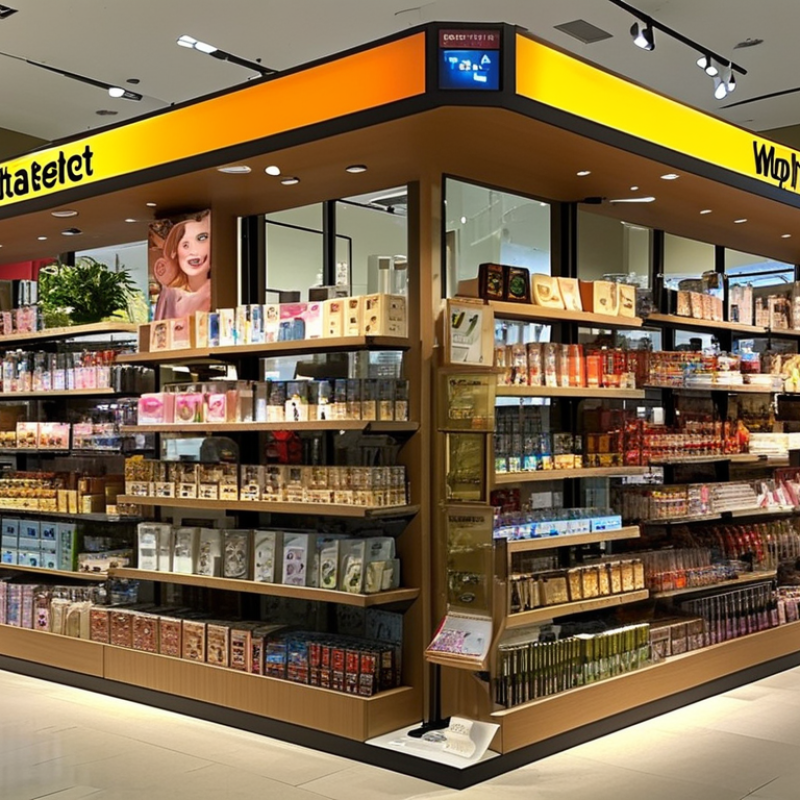
Retail displays play a critical role in a brand’s sales strategy. According to a study by the Point of Purchase Advertising Institute, an astounding 70% of purchasing decisions are made in-store. This statistic highlights the influence of visual merchandising on consumer behavior. It is essential for retailers to create eye-catching displays that draw potential customers' attention.
Effective displays should not only showcase products but also tell a story. Incorporating elements like color psychology can greatly affect emotional responses. For example, warm colors can evoke feelings of excitement and urgency. Furthermore, displays must reflect the latest trends while also considering the target audience’s preferences. A report from the Retail Council of Canada emphasizes that well-executed displays can increase sales by up to 30%. Yet, many retailers struggle to maintain a cohesive brand message in their displays.
Despite the benefits, some retailers overlook the importance of regular updates. Stagnant displays can lead to customer disengagement. It’s vital to refresh visuals based on seasons or promotional events. Even minor adjustments can have significant impacts. The key lies in constantly evaluating what works and what doesn’t. Engaging with customers for feedback can lead to valuable insights for improving display effectiveness.
| Display Type | Purpose | Effectiveness (%) | Cost Factor ($) | Customer Engagement Level |
|---|---|---|---|---|
| End-Cap Displays | Highlight promotions | 75% | 200 | High |
| Seasonal Displays | Create urgency | 80% | 300 | Very High |
| Interactive Displays | Engage customers | 85% | 500 | Very High |
| Thematic Displays | Build brand identity | 70% | 250 | Moderate |
| Wall Displays | Maximize space | 60% | 150 | Low |
: Key elements include layout, color, and lighting. They guide customer movement and influence emotions.
Bright colors attract attention; soft colors promote relaxation. Ensure they align with your overall brand identity.
A well-organized layout helps customers navigate easily. Clutter can overwhelm, so keep it simple and focused.
Bright, warm lighting can highlight products effectively. Experiment with intensity in different store areas for the best results.
Regularly changing themes keeps the shopping experience fresh. It can attract returning customers to see new setups.
Overcrowded displays can confuse shoppers. Too many products may cause key items to be missed during browsing.
Observing customer reactions provides insights. Feedback helps refine displays and adapt to shopper preferences continuously.
Analyzing sales data and customer foot traffic can indicate display effectiveness and impact on sales performance.
Regular assessments and experiments with layouts and colors are necessary. Each change is a learning opportunity.
Customer demographics and preferences vary by location. Continuous evaluation is key to understanding local market needs.
Retail displays play a crucial role in a successful sales strategy, serving as a visual gateway that attracts and engages customers. Understanding their importance involves recognizing how effective design elements can enhance product visibility and draw shoppers into the store. Key aspects of effective retail display design include color, lighting, and layout, which can be strategically combined to create an inviting atmosphere.
To further captivate customers, techniques such as eye-catching visuals and thematic arrangements are essential. Additionally, optimizing product placement helps boost shopper engagement by guiding customers through the store. Measuring the impact of retail displays on sales performance allows businesses to refine their strategies and maximize their effectiveness. Ultimately, well-crafted retail displays are vital tools in driving sales and enhancing the overall shopping experience.

 DeltaStorage