How to Choose Floor Stand Displays in 2026?

Time:2026-10-13 Author:Aria
0%

Choosing Floor Stand Displays in 2026 requires more than comparing height, color, and price. Retailers now need fixtures that support measurable shopper journeys, flexible merchandising, and safer store operations. The U.S. Census Bureau reported that e-commerce represented about 16% of total U.S. retail sales in 2024. Physical stores still matter. They must offer something digital channels cannot provide: immediate product contact.

Industry evidence supports a careful, data-led approach. The 2024 PwC Voice of the Consumer Survey found that consumers continue balancing convenience, value, and in-person shopping experiences. Meanwhile, the Ellen MacArthur Foundation promotes circular design principles, including durability, repairability, and material efficiency. These findings suggest that a display should not be judged by appearance alone. Its footprint, shelf capacity, assembly time, and end-of-life plan also deserve attention. A narrow steel unit may work beside a checkout, while a wider modular display suits a seasonal aisle. Small details matter.

There is no perfect fixture.

This guide will examine how to choose Floor Stand Displays for different retail environments in 2026. It will consider product weight, customer reach, stability, accessibility, lighting, branding, and replenishment speed. Store experience also matters. A display that looks impressive but blocks sightlines can reduce its practical value. That mistake is easy to make. Performance data should therefore guide the final decision, including sales uplift, shopper interaction, stock turnover, and maintenance costs. Supplier claims require verification through samples, testing, and references. Market reports provide useful direction, but local store conditions can change the answer. The best choice is often less dramatic, more durable, and easier for staff to manage.
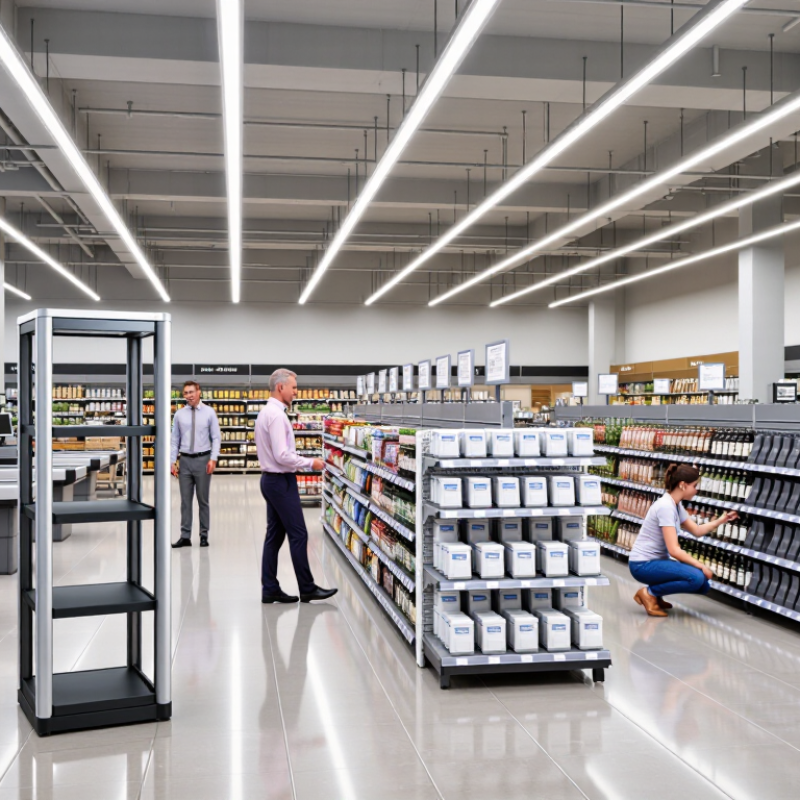
How to Choose Floor Stand Displays in 2026?

Understanding Floor Stand Display Types and Their Uses

How to Choose Floor Stand Displays in 2026?

Understanding Floor Stand Display Types and Their Uses

Floor stand displays differ in structure, capacity, and shopper purpose. Wire racks suit lightweight products and allow clear visibility from several angles. Corrugated stands work well for short campaigns because they are lighter and easier to recycle. Wooden or metal fixtures offer better stability for heavier merchandise. A rotating stand supports small packaged goods, while a tiered unit guides shoppers through product choices. In my store audits, displays with adjustable shelves handled changing inventories better. Fixed layouts sometimes looked cleaner, but they became awkward quickly.

Industry data supports careful placement. A POPAI shopper study reported that about 76% of purchase decisions happen inside stores. Meanwhile, Grand View Research’s 2024 retail display analysis identifies visibility and shopper engagement as major market drivers. These figures do not guarantee sales. A crowded aisle can hide even a well-designed stand. Measure aisle width, shopper eye level, product weight, and replenishment time before choosing. Accessibility and safe stability must remain practical requirements, not decorative ideas.

Tips: Use a narrow rotating stand for small items near checkout. Choose a heavy-base fixture for dense products. Leave enough space for carts and mobility devices. Test one location for two weeks, then compare sales and interaction data. I would also question “premium” materials when a simpler stand performs better. Data can reveal that mistake. Keep the display clean, touchable, and easy to restock.

Identifying Display Requirements, Space, and Target Audience

How to Choose Floor Stand Displays in 2026?

Identifying Display Requirements, Space, and Target Audience

A floor stand display should solve a selling problem, not merely fill an empty corner. Start with the product’s size, weight, handling needs, and replenishment frequency. POPAI’s Shopper Engagement Study reports that 82% of purchase decisions happen in stores. That figure makes visibility and access commercially important. Yet, a crowded display can create hesitation. Keep the customer’s walking path clear.

Measure the space before choosing the structure. Record ceiling height, aisle width, nearby fixtures, lighting, and queue movement. Leave enough room for people using mobility aids. A compact unit may perform better than a tall one near a narrow aisle. My own mistake was judging capacity by shelf area alone. Staff could not restock it quickly. That reduced availability during busy hours.

Audience changes everything. A display for children’s products needs lower viewing points and safer edges. Technical products need comparison space, readable specifications, and controlled lighting. Luxury items require calmer spacing and fewer visual distractions. NielsenIQ’s 2024 State of Retail report emphasizes the continuing importance of convenience and in-store experience. Use that insight carefully. A display may attract attention but still fail if customers cannot understand the offer within seconds. Test one location, observe customer movement, and revise the design. Perfect planning is unlikely.

Comparing Materials, Sizes, Stability, and Portability

How to Choose Floor Stand Displays in 2026?

Material choice affects weight, appearance, and maintenance. Aluminum frames are light and resist corrosion, while steel bases provide stronger support. Recycled plastic can reduce weight, but it may scratch more easily. MarketsandMarkets projects the digital signage market to grow from 26.2 billion dollars in 2023 to 43.4 billion dollars by 2028. This trend makes cable routing and screen protection increasingly important. A display should look clean from three meters away, yet remain safe when visitors pass closely.

Size must match viewing distance and transport limits. A 55-inch screen may suit a spacious lobby, but a compact poster stand works better beside a narrow aisle. Stability depends on base depth, center of gravity, and floor contact. In my event setup experience, a tall, lightweight stand looked elegant but moved during repeated foot traffic. I underestimated that risk. Portability also matters. Locking wheels, tool-free joints, and a protective case can reduce setup time. The 2024 UFI Global Exhibition Barometer reported continued growth expectations across many exhibition markets, meaning displays may travel more frequently between venues.

Tips: Test the stand on uneven flooring. Measure doorways first. Choose the smallest size that remains readable. Check the assembled unit with a gentle side push. If it wobbles, add a wider base instead of adding unnecessary height. Reconsider glossy surfaces, too; fingerprints become obvious under bright exhibition lighting.

How to Choose Floor Stand Displays in 2026?

Comparing materials, sizes, stability, and portability with a practical 1–10 benchmark.

How to read the chart: Steel generally provides the highest rigidity and stability, while aluminum offers a lighter balance between strength and portability. Acrylic is lightweight and visually clean but usually needs a wider or heavier base for stability. MDF and wood-based panels can provide good visual weight and cost efficiency, but their portability depends strongly on thickness and construction.

Size guidance: Compact displays around 900–1200 mm are easier to transport, standard displays around 1200–1600 mm offer a balanced footprint and visibility, and large displays around 1600–2000 mm require careful attention to base depth, center of gravity, and tip resistance.

Evaluating Branding, Features, Durability, and Maintenance

How to Choose Floor Stand Displays in 2026?

Branding should be visible before it becomes distracting. Nielsen’s 2021 Trust in Advertising report found that 88% of respondents trusted recommendations from people they knew. A floor stand cannot create trust alone, but it can make proof easier to notice. Use a clear headline, readable product claims, and one strong visual. I prefer replaceable graphic panels because campaigns change faster than fixtures. A beautiful printed panel may still fail if glare hides the message.

Features should support real shopping behavior.

Digital screens can add motion, product comparisons, or language options. Grand View Research’s 2024 digital signage report projected strong market growth through 2030, showing continued investment in interactive displays. However, a screen is not automatically useful. Check brightness, viewing angles, playback controls, and cable protection. A silent, fast-loading loop often works better than complicated software. Sometimes, less feels more.

Durability affects both appearance and operating cost.

Choose a stable base, reinforced joints, scratch-resistant finishes, and graphics that resist fading. For illuminated models, ENERGY STAR reports that LED lighting uses at least 75% less energy and can last up to 25 times longer than incandescent lighting. That supports lower replacement pressure, though actual savings depend on usage. Ask for load, tip-resistance, and coating test data, not vague claims. Maintenance should be simple: wipeable surfaces, accessible power parts, and replaceable hardware. I have seen sturdy displays become unusable because one small connector failed. That detail deserves more attention.

Selecting the Best Floor Stand Display for Your Budget

How to Choose Floor Stand Displays in 2026?

Selecting the Best Floor Stand Display for Your Budget

A practical budget starts with the job, not the appearance. In 2024, e-commerce represented 16.1% of total U.S. retail sales, according to the U.S. Census Bureau. Physical displays must therefore earn attention quickly. Measure the available floor space, viewing distance, product weight, and expected customer traffic before comparing prices. A narrow metal stand may suit a pharmacy aisle, while a wider timber display can support heavier packaged goods. I once chose a low-cost unit that looked fine online but rocked on uneven flooring. That mistake was avoidable.

Price is only one part of value. NielsenIQ’s 2024 State of Retail report found that 70% of consumers remained concerned about rising prices. A display with adjustable shelves can reduce replacement costs when product sizes change. Look for strong joints, replaceable graphics, rounded edges, and tool-free assembly. These details matter during busy store resets. They also affect staff time, which many budgets ignore. A cheap stand can become expensive after repeated repairs.

For a limited budget, prioritize stability and visibility over lighting or decorative panels. For a medium budget, add modular shelves and clear product messaging. Higher budgets may justify integrated lighting, but test its power use first. Not every premium feature improves conversion. Track sales before and after installation, while recording location, stock levels, and campaign timing. The data may challenge your first impression.

How to Choose Floor Stand Displays in 2026? - Selecting the Best Floor Stand Display for Your Budget

A practical comparison of common floor stand display formats, typical specifications, and budget considerations.

Display Type Typical Purchase Budget Typical Height Typical Footprint Recommended Load Best For Main Trade-Off
Basic Poster Stand US$40–US$120 120–180 cm 30–50 cm wide Printed graphics up to 1 kg Short-term promotions, events, menus, and directional signs Limited stability and little room for product information
A-Frame Sign Stand US$60–US$180 80–120 cm 45–70 cm wide and deep Printed panels up to 3 kg Sidewalk advertising and two-way customer communication Takes more floor space and may require weighted feet outdoors
Literature Display Rack US$90–US$300 140–180 cm 35–60 cm wide and deep 5–15 kg distributed across shelves Brochures, catalogs, leaflets, and visitor information Requires organized restocking and can become unstable when heavily loaded
Retail Gridwall Stand US$150–US$450 150–210 cm 60–90 cm wide and deep 20–60 kg, depending on base and hooks Hanging merchandise, accessories, and modular retail displays Flexible but needs compatible hooks, shelves, and assembly time
Slatwall Merchandising Stand US$220–US$700 150–220 cm 60–100 cm wide and deep 30–80 kg, depending on panel construction Permanent or semi-permanent retail product presentation Higher cost and weight than portable display systems
Lockable Product Display Cabinet US$300–US$1,200 150–210 cm 45–90 cm wide and deep 40–120 kg, depending on shelves and frame High-value products, electronics, collectibles, and controlled-access retail Secure and durable, but heavier to move and more expensive to ship
Portable Fabric Backdrop Stand US$180–US$650 220–250 cm 90–300 cm wide and 30–50 cm deep Graphics and lightweight accessories up to 5 kg Trade shows, photo areas, press walls, and branded environments Large visual impact but limited product-storage capacity
Digital Signage Floor Kiosk US$800–US$3,500+ 120–190 cm 45–80 cm wide and deep Screen and hardware up to 40 kg Interactive information, self-service, wayfinding, and digital promotions Highest upfront cost plus electricity, software, and maintenance needs
Budget Planning Note: The budget ranges are typical estimates for standard, off-the-shelf floor displays in 2026 and may vary with materials, quantity, customization, shipping, lighting, security features, and installation.

Under US$150

Choose a poster stand or A-frame when portability, fast setup, and low cost matter most.

US$150–US$700

Consider literature racks, gridwall systems, slatwall stands, or fabric backdrops for more capacity and visual impact.

Above US$800

A lockable cabinet or digital kiosk is appropriate when security, interactivity, or premium presentation justifies the investment.

FAQS

What type of floor stand display suits lightweight products?

Wire racks suit lightweight items. They keep products visible from several angles. They also support quick browsing.

When should I choose a corrugated display?

Choose corrugated units for short campaigns. They are light and easier to recycle. They may look worn sooner.

Which display works best for heavy products?

Wooden or metal fixtures provide stronger support. Use a broad, stable base. Check the weight limit carefully.

When is a rotating display useful?

A narrow rotating stand suits small packaged items. Place it near checkout, but protect the walking path. Keep it touchable.

How should I measure the store space?

Record aisle width, ceiling height, lighting, and nearby fixtures. Measure queue movement too. Small errors matter.

How can I make a display accessible?

Leave room for carts and mobility devices. Keep essential products within comfortable reach. Avoid sharp or unstable edges.

How should the display match the target audience?

Children’s products need lower viewing points and safer edges. Technical products need comparison space and readable details. Luxury items need calmer spacing.

How can I test whether a floor stand works?

Test one location for two weeks. Track sales, customer interaction, and restocking time. A first test may fail.

Should I always choose premium materials?

No. A simpler stand may perform better. I once focused on shelf capacity and ignored replenishment speed. That decision caused avoidable gaps.

Conclusion

Choosing the right Floor Stand Displays in 2026 begins with understanding the different types available and how each one supports specific purposes, such as retail presentation, event promotion, information sharing, or product demonstration. Before making a decision, consider your display requirements, available floor space, expected traffic, viewing distance, and target audience. A compact stand may suit a narrow indoor area, while a larger, more visible structure may be better for busy venues or spacious commercial environments.

Material, size, stability, and portability should also be compared carefully. Look for a design that is easy to transport but strong enough to remain secure during regular use. Branding options, interchangeable graphics, lighting, shelving, and adjustable features can improve communication and usability. Durability and simple maintenance are equally important for long-term value. Finally, set a realistic budget that includes accessories, graphic replacement, storage, and upkeep, then select the display that offers the best balance of appearance, performance, flexibility, and total cost.

Aria

Aria

Aria is a dedicated marketing professional with a deep passion for innovative strategies and a keen understanding of our company's product offerings. With a wealth of experience in the industry, Aria excels at crafting engaging content that highlights the unique features and benefits of our......