In the realm of retail, effective Merchandising Units play a pivotal role. They shape consumer experiences and drive sales. Global buyers seek innovative solutions to stand out in competitive markets. The right Merchandising Units can elevate a brand's visibility and enhance product appeal.
Selecting the best Merchandising Units requires careful consideration. Factors like market trends, customer preferences, and retail environments come into play. Buyers often feel overwhelmed by the variety available. However, understanding specific needs can lead to better choices.
Despite advancements, some Merchandising Units may not perform as expected. Evaluating performance is essential. Regular feedback from customers can reveal hidden weaknesses. This insight helps in refining strategies. The goal is not just to fill space but to create impactful shopper experiences.
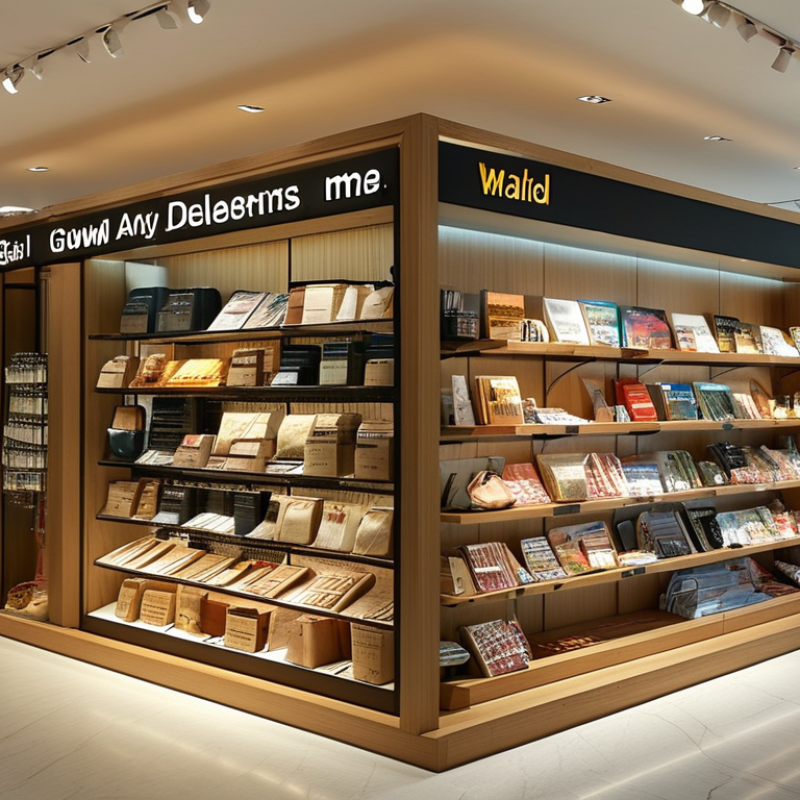
Merchandising units play a vital role in global retail. They help define the customer's shopping experience. There are various types of merchandising units, each serving specific functions. The most common types include product displays, shelves, and promotional racks. These units help attract customer attention and boost sales.
According to a study by the Retail Industry Leaders Association, effective merchandising can increase sales by 20-30%. This emphasizes the importance of design and placement. For example, endcap displays tend to grab more attention compared to standard shelving. They take advantage of high foot traffic areas, leading to impulsive purchases. However, not all merchandising units yield results. Ineffective layouts can confuse customers and lead to decreased sales.
Certain merchandising strategies may not always align with brand identity. This mismatch can cause consumer disengagement. Data from the Global Retail Insights Network shows that nearly 40% of consumers feel overwhelmed by cluttered displays. Clear, organized merchandising units are crucial for a positive shopping experience. It's essential for retailers to continuously evaluate their merchandising strategies to enhance customer engagement.
When selecting merchandising units for global markets, certain factors stand out. Understanding regional preferences is crucial. Each market has its own unique tastes. This diversity influences how products should be displayed. For instance, colors that resonate in one culture may not in another. Effective merchandising requires deep cultural insights to connect authentically.
Another key factor is adaptability. Merchandising units should be flexible in design. They must accommodate different product ranges and sizes. A one-size-fits-all approach often fails to engage consumers. Consider modular designs that can adjust to various layouts. Such versatility not only enhances visibility but also encourages creativity in product placement.
Sustainability is also a pressing consideration. Many global consumers now prioritize eco-friendly practices. Merchandising units made from sustainable materials can enhance brand reputation. Transport logistics and storage efficiency are vital as well. A well-planned unit reduces costs and streamlines operations. Reflecting on these factors is essential for building effective merchandising strategies in diverse markets.
In today's competitive landscape, global retailers must choose the right merchandising units. According to a recent report by the Global Retail Association, over 70% of consumers prefer products displayed in eye-catching, organized units. This highlights the importance of visual appeal in driving sales.
Top merchandising units include fixtures like gondolas and end-caps. These structures enhance visibility and accessibility. A study indicates that products placed on end-caps can increase sales by up to 25%. This showcases the power of strategic placement. However, not all retailers optimize their units. Some miss the mark by overcrowding displays or neglecting seasonality.
**Tips:** Keep displays tidy. Regularly rotate stock to maintain interest. Consider using digital signage for interactive experiences. This can engage customers and keep them in the store longer.
Investing in the right merchandising units is essential. While many units are effective, retailers must regularly evaluate their strategies. Understanding customer behavior can lead to better choices. Ultimately, this creates a more inviting shopping experience. Recognizing flaws in one's approach can be a valuable opportunity for growth.
| Unit Type | Description | Typical Usage | Advantages |
|---|---|---|---|
| Point of Purchase (POP) Displays | Displays placed at the point of sale to attract customers. | Retail stores, supermarket aisles. | Increases impulse purchases, enhances product visibility. |
| End Cap Displays | Displays at the end of aisles showcasing featured products. | Supermarkets, big-box retailers. | High visibility, significantly boosts sales of highlighted items. |
| Floor Displays | Free-standing displays used in-store to attract attention. | Department stores, specialty shops. | Flexible positioning, eye-catching designs can enhance brand presence. |
| Shelf Talkers | Small signs attached to the shelves to provide additional information. | Any retail shelf space. | Cost-effective, provides product details and promotions. |
| Interactive Displays | Displays that allow customers to interact with the products digitally. | Tech retail, experiential marketing setups. | Engaging customer experience, modern appeal. |
When evaluating cost-effectiveness in merchandising units for global buyers, several factors come into play. Size and space utilization are crucial. Smaller units often result in lower shipping costs and more manageable inventory. However, they may limit display options for products. Larger units provide more visibility but can lead to higher overhead expenses. Balancing these elements is essential for maximizing profit margins.
Another vital consideration is the adaptability of units. Modular designs can be enticing for buyers. They allow for easy adjustments based on changing product lines. Yet, investment in customizable units can be significant. Ensuring that the return on investment meets expectations is critical and may require ongoing analysis.
Moreover, the durability of merchandising units cannot be overlooked. Materials and construction impact both initial costs and long-term usability. Cheaper options might save money upfront but could incur higher costs due to frequent replacements. Thorough research and testing can help buyers identify the most sustainable choices. These details matter and can influence the overall success of merchandising strategies.
In the evolving landscape of global merchandising, buyers must keep an eye on emerging trends. Sustainable practices are gaining momentum. Many consumers now favor brands that prioritize eco-friendly products. This shift towards sustainability can redefine purchasing decisions.
Tips: Emphasize green initiatives in your marketing. Showcase how your products align with environmentally friendly practices. Engage consumers by sharing your sustainability journey.
Digital transformation continues to shape merchandising strategies. Buyers increasingly rely on data analytics to understand consumer behavior. Utilizing AI and machine learning can enhance inventory management and personalization. Adapting to these technologies is crucial for remaining competitive.
Tips: Invest in robust data analytics tools. Analyze consumer trends and tailor your offerings accordingly. Flexibility in your approach can lead to better customer satisfaction.
As global markets are unpredictable, maintaining adaptability is essential. Trends change rapidly, and what works today may become obsolete overnight. Regular assessments of your strategies can help refine your approach and meet evolving consumer demands.
: Merchandising units define a customer's shopping experience in retail. They include displays, shelves, and racks.
Effective units can boost sales by 20-30%, especially when designed to attract attention.
Endcap displays attract more attention due to their location in high foot traffic areas, leading to impulsive purchases.
Poor layouts can confuse customers, causing a decline in sales instead of an increase.
Understanding regional preferences is vital. Different cultures respond to varying colors and styles.
Sustainable materials enhance brand reputation and meet consumer demands for eco-friendly practices.
Smaller units lower shipping costs but may restrict displays. Larger units offer visibility but increase overheads.
Modular designs allow for flexibility in product displays and cater to changing product lines.
Durable units save money long-term. Cheaper options may lead to repeated replacements, increasing overall costs.
Clear and organized displays reduce consumer overwhelm and promote a positive shopping experience.
The article "What are the Best Merchandising Units for Global Buyers?" delves into the concept of Merchandising Units, detailing their various types and functions that play a crucial role in retail environments. It examines key factors that influence the selection of effective merchandising units and provides insights into the top choices preferred by global retailers.
Additionally, the article evaluates the cost-effectiveness of different merchandising units, ensuring that buyers can make informed decisions that enhance their operational efficiency. Finally, it discusses future trends in global merchandising strategies, highlighting the evolving landscape and the need for adaptability in this dynamic sector. This comprehensive analysis helps buyers optimize their merchandising strategies to meet global market demands.

DeltaStorage